Quick Summary: The U.S. has indicted Venezuelan President Nicolás Maduro, his wife Cilia Flores, their son and three alleged co-conspirators on federal narcotics and weapons charges tied to the so-called "Cartel of the Suns." Prosecutors allege Maduro worked with the FARC to traffic cocaine into the United States and provided logistical and law-enforcement cover, including access to boats and aircraft. The case builds on a 2020 Southern District of New York indictment and follows years of sanctions and prosecutions targeting Venezuelan officials.
Maduro Indicted: DEA Zeroes In On 'Cartel Of The Suns' Leadership In Major U.S. Narco Case
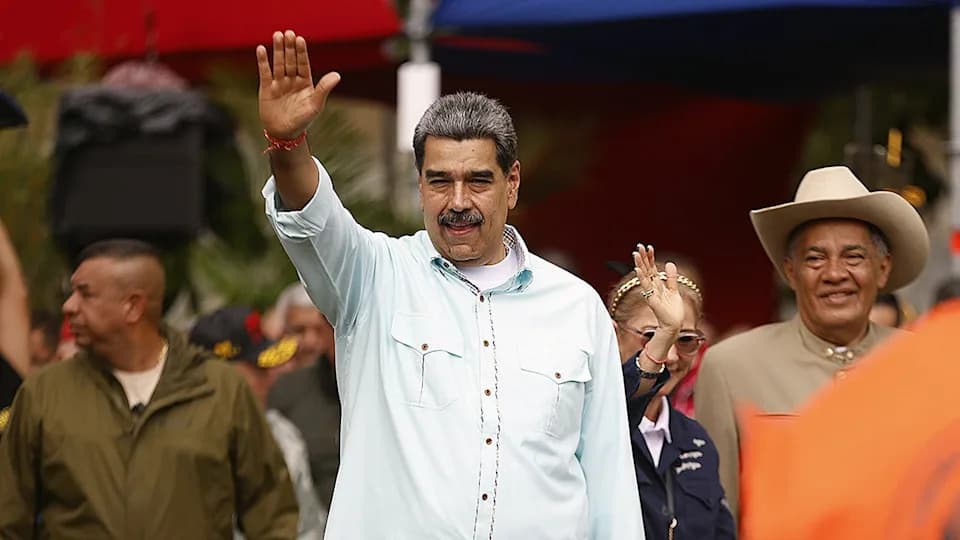
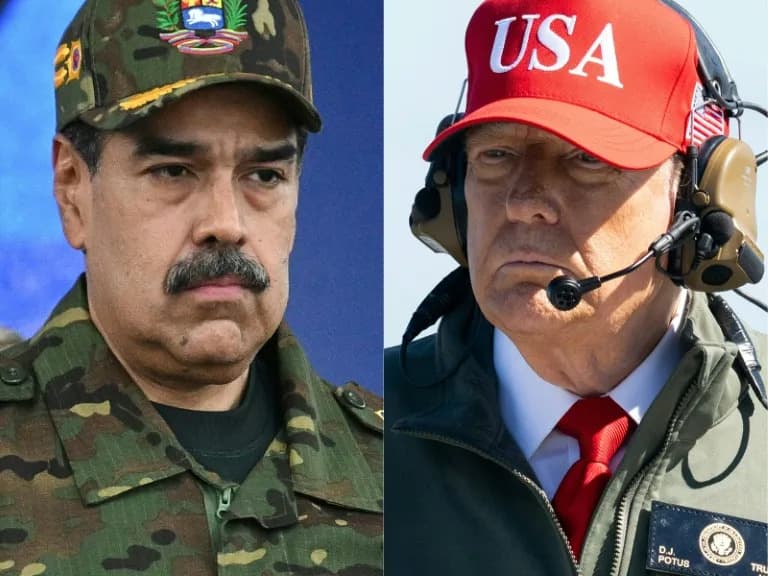
Venezuelan President Nicolás Maduro addresses supporters during a rally marking the anniversary of the 19th-century Battle of Santa Ines in Caracas, Venezuela, on Dec. 10, 2025.
The early-morning arrest and indictment of Venezuelan President Nicolás Maduro represent a major escalation in U.S. efforts to dismantle the alleged criminal network known as the "Cartel of the Suns." Federal prosecutors have charged Maduro, his wife Cilia Flores, their son and three other alleged co-conspirators with weapons and narcotics offenses tied to a purported large-scale cocaine trafficking operation.
Charges and Allegations
The indictment filed in federal court accuses Maduro of four counts: conspiracy to commit narco-terrorism; conspiracy to import cocaine into the United States; possession of machine guns and destructive devices; and conspiracy to possess such weapons. Prosecutors allege the Cartel of the Suns worked in coordination with the Revolutionary Armed Forces of Colombia (FARC) to move tons of cocaine into the United States and that Maduro and close associates provided logistical support and law-enforcement cover.
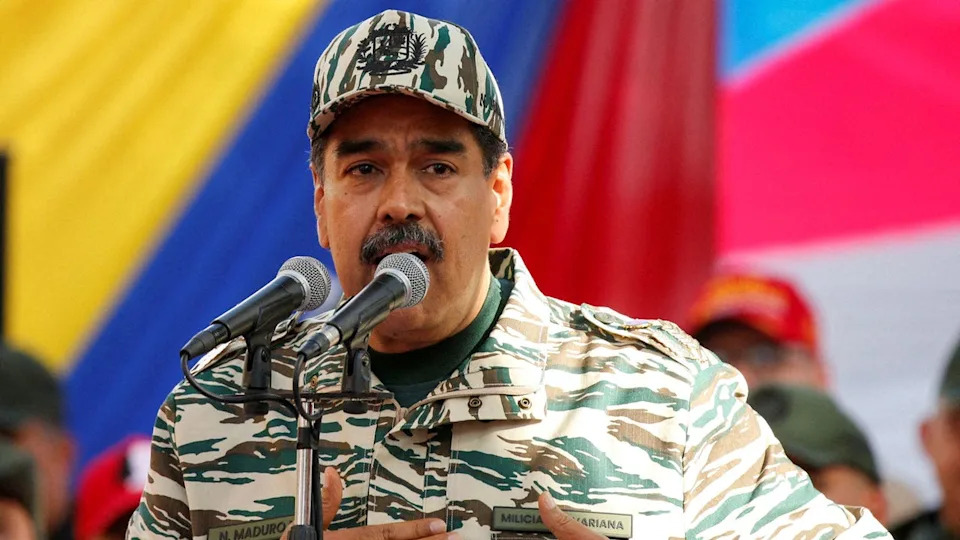
Venezuela's Nicolas Maduro leads the celebration of the 22nd anniversary of late President Hugo Chavez's return to power after a failed coup attempt in 2002, in Caracas, Venezuela April 13, 2024.
Details From the Case
- Prosecutors say Maduro and family members facilitated transport—providing access to boats and aircraft—and created a permissive environment for traffickers to operate.
- The filing mirrors elements of a 2020 case in the Southern District of New York but adds new charges, including allegations against Cilia Flores, and was reportedly filed under seal prior to the recent arrest.
Historical Context
U.S. counter-narcotics attention on Venezuela dates back decades. A 2009 U.S. Government Accountability Office report noted Venezuela's long-standing role as a major transshipment hub. Diplomatic cooperation between Caracas and Washington frayed in the 2000s—visa denials in 2007 and the expulsion of the U.S. ambassador in 2008—reducing bilateral coordination on counternarcotics efforts.
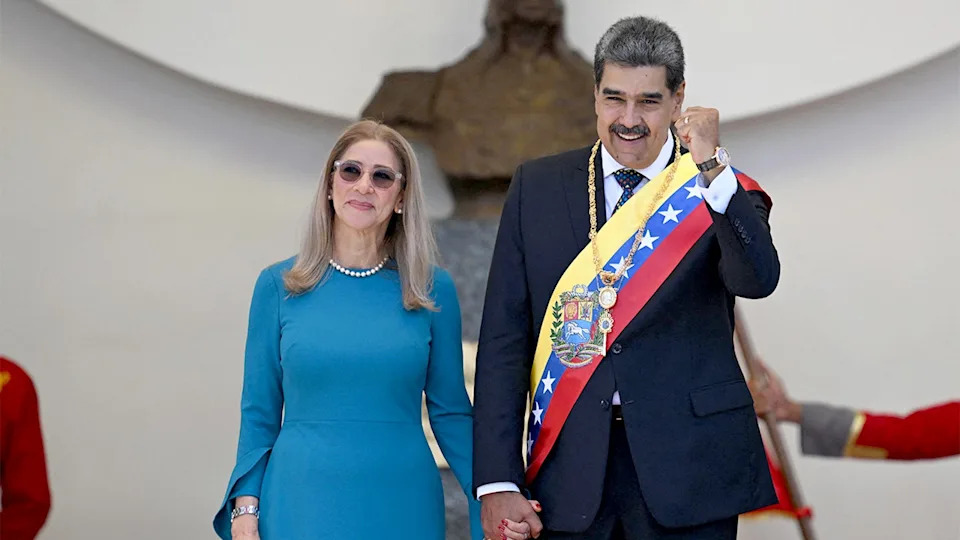
Venezuela’s President Nicolas Maduro gestures next to his wife Cilia Flores as they leave the Capitolio, home of the National Assembly, after taking the oath during the presidential inauguration in Caracas on Jan. 10, 2025.
The Drug Enforcement Administration (DEA), working with the Department of Justice and treasury sanctions, has pursued investigations and enforcement actions across administrations. Notable actions and outcomes include:
- 2018: The Treasury's Office of Foreign Assets Control (OFAC) added General Padrino López to the Specially Designated Nationals List.
- 2020: A Southern District of New York indictment originally named Maduro and multiple co-conspirators; later prosecutions and investigations stemmed from DEA work.
- Subsequent Convictions: Former General Hugo Armando Carvajal Barrios ("El Pollo") pleaded guilty to related charges; Cliver Antonio Alcala Cordones pleaded guilty to providing material support to the FARC.
- 2025: OFAC designated the Cartel of the Suns as a Specially Designated Global Terrorist entity; however, a later 18-agency U.S. intelligence assessment—reported by The Associated Press—found no direct evidence linking Venezuela’s leadership to certain international cartels.
What Prosecutors Say
"This cycle of narcotics-based corruption lines the pockets of Venezuelan officials and their families while also benefiting violent narco-terrorists who operate with impunity on Venezuelan soil and who help produce, protect, and transport tons of cocaine to the United States," the indictment states.
The indictment alleges Maduro and associates cultivated "cocaine-fueled corruption" for personal enrichment and to benefit members of the ruling regime.
Next Steps and Reactions
U.S. authorities have used indictments, sanctions and prosecutions to try to disrupt the trafficking infrastructure tied to Venezuelan officials. The DEA did not immediately respond to requests for comment. The Associated Press contributed reporting to the case notes.
Help us improve.