Summary: An eyewitness recounts waking to explosions near Caracas and losing phone signal, only to discover videos of U.S. strikes and helicopters circulating online. President Trump announced on Truth Social that Nicolás Maduro and Cilia Flores had been captured, prompting celebrations abroad and anxiety at home. Though Maduro was reportedly removed, many regime institutions remained active, checkpoints and tanks appeared, and hopes for mass prisoner releases were largely unmet — leaving the nation uncertain about its political and economic future.
After the Strike: An Eyewitness Account of Venezuela as Trump Claimed Maduro Was Captured
I woke sometime after 2:30 a.m. at a members‑only beach compound more than an hour from Caracas. I had been dozing on a pull‑out sofa when my brother‑in‑law shook me awake: outside the windows I could make out rows of huts with dried palm‑leaf roofs that ringed the property.
First Signs: Explosions, Lost Signal, and Social Media
“Check your phone,” he said. “My dad called many times. There’s a message saying they’re bombing La Carlota and Fuerte Tiuna.” He added, “I lost signal. The Wi‑Fi’s down too.” I grabbed my phone: no signal. We sat there, confused and frozen. Then a possibility hit us both: maybe it was the Americans.
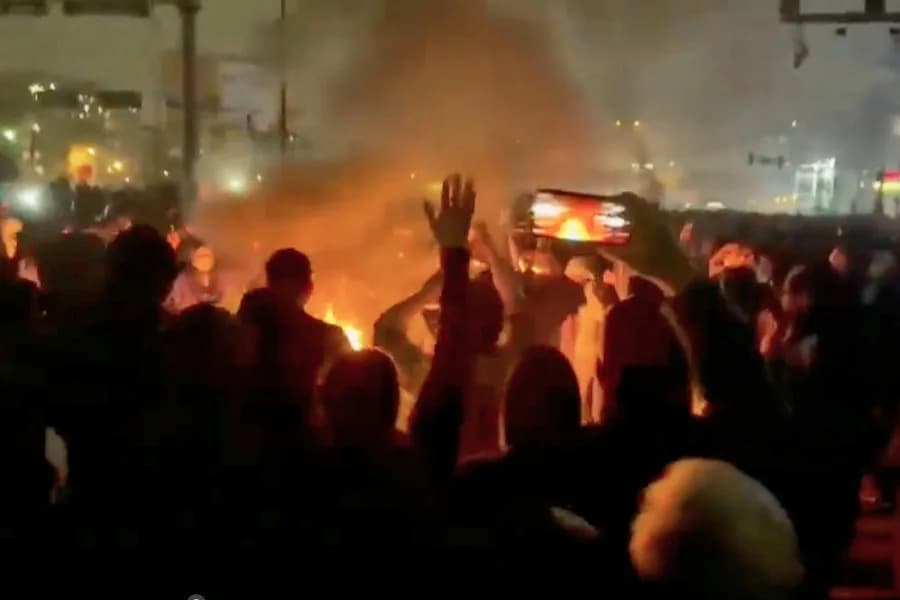
Our sister handed us an overseas e‑SIM. It worked. Social media lit up: videos showed explosions near the coast, orange fireballs lighting the hills of Caracas, and a line of U.S. helicopters cutting across the night sky. Campers on El Ávila filmed panoramic views of the metropolis — the city’s lights intermittently punctured by blasts. Cars fled Fuerte Tiuna. It felt like war had arrived.
From Panic to Queues
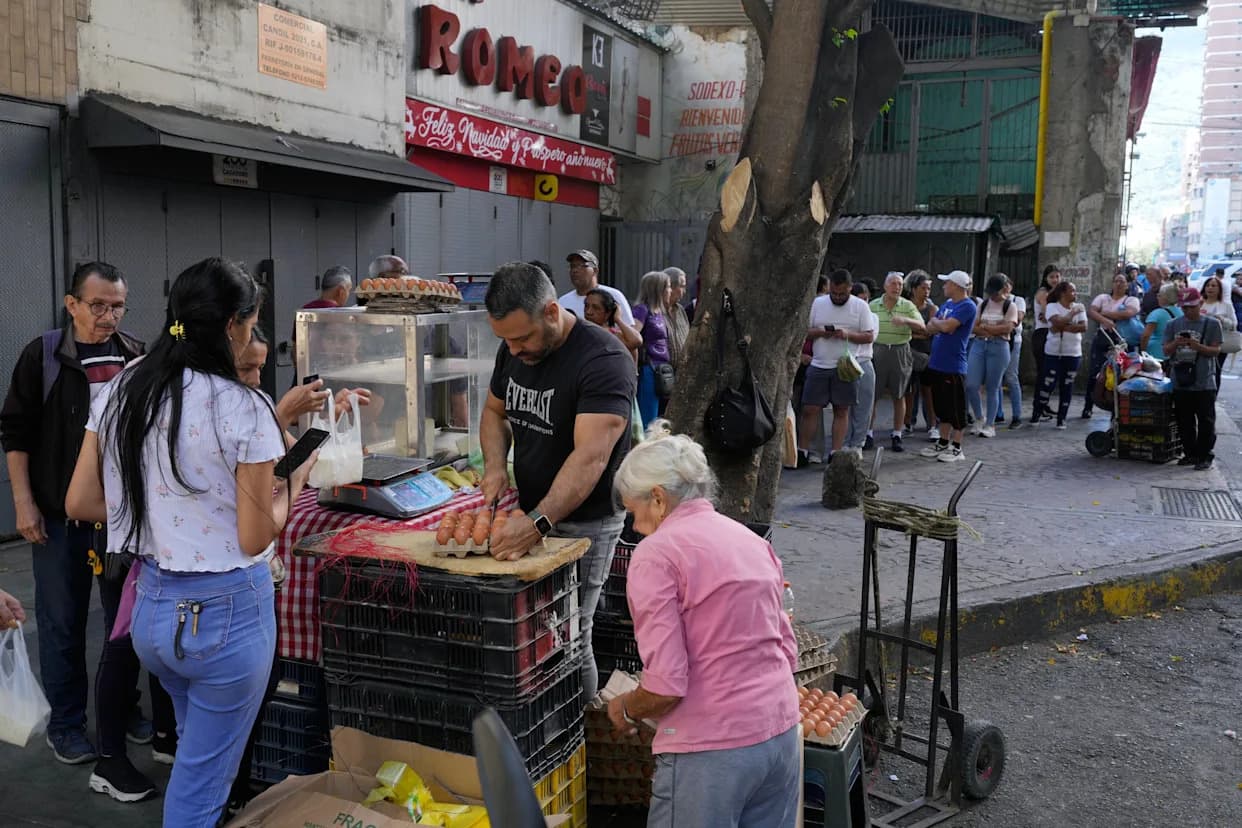
When the Wi‑Fi returned, messages flooded in: private notes, group chats, dozens of videos. Some friends were terrified; others tried to verify details. At about 4 a.m., someone at the compound called: “Go to the mini‑market. It’s open. Buy food.” We joined a long line outside the shop where staff rationed items and urged people to charge their phones. The initial fear gave way to a tense, collective confusion as rumors spread through the crowd.
Official Claims and Public Reactions
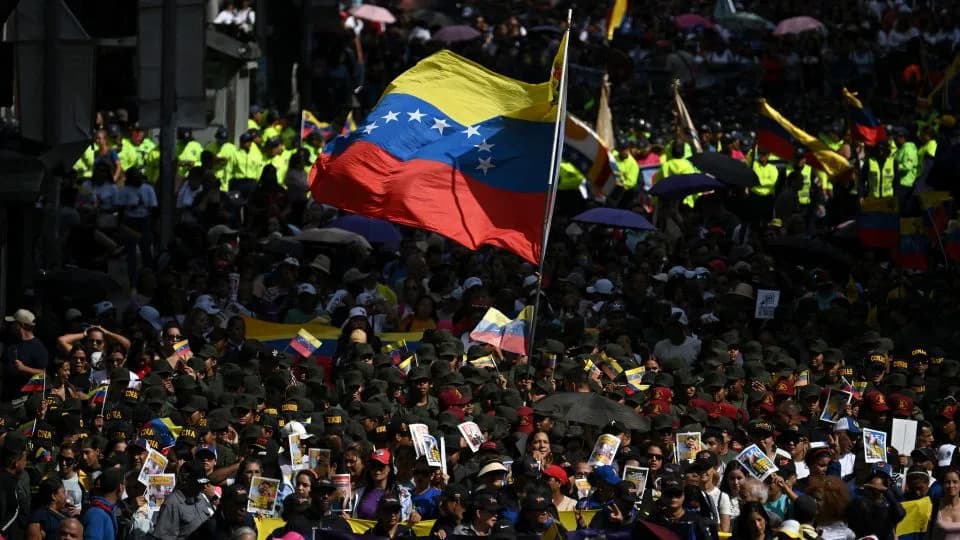
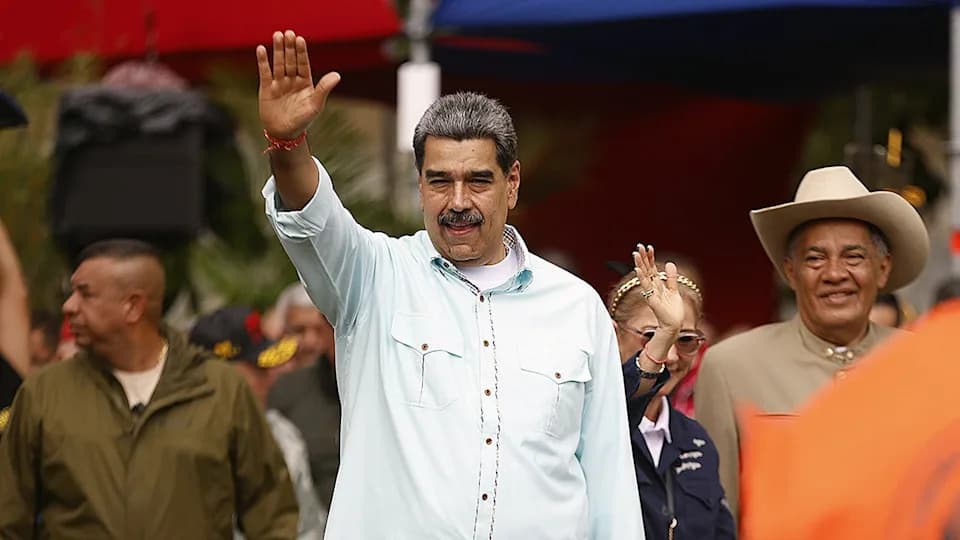
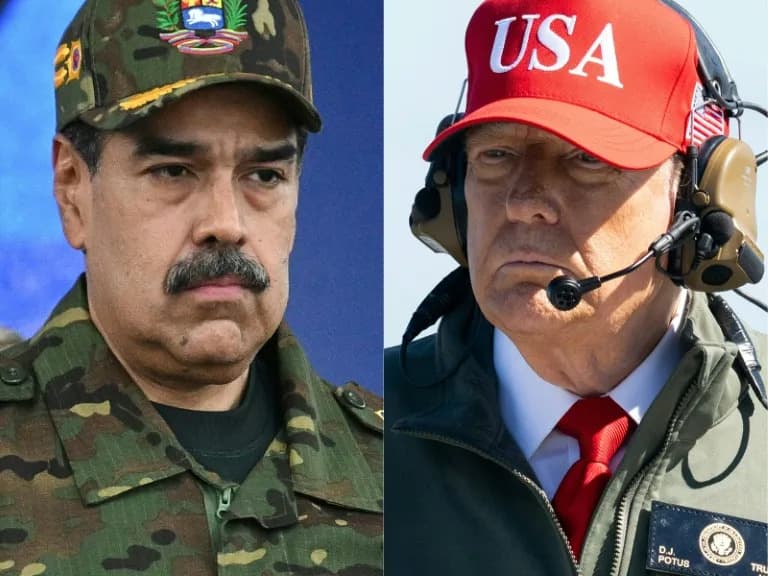
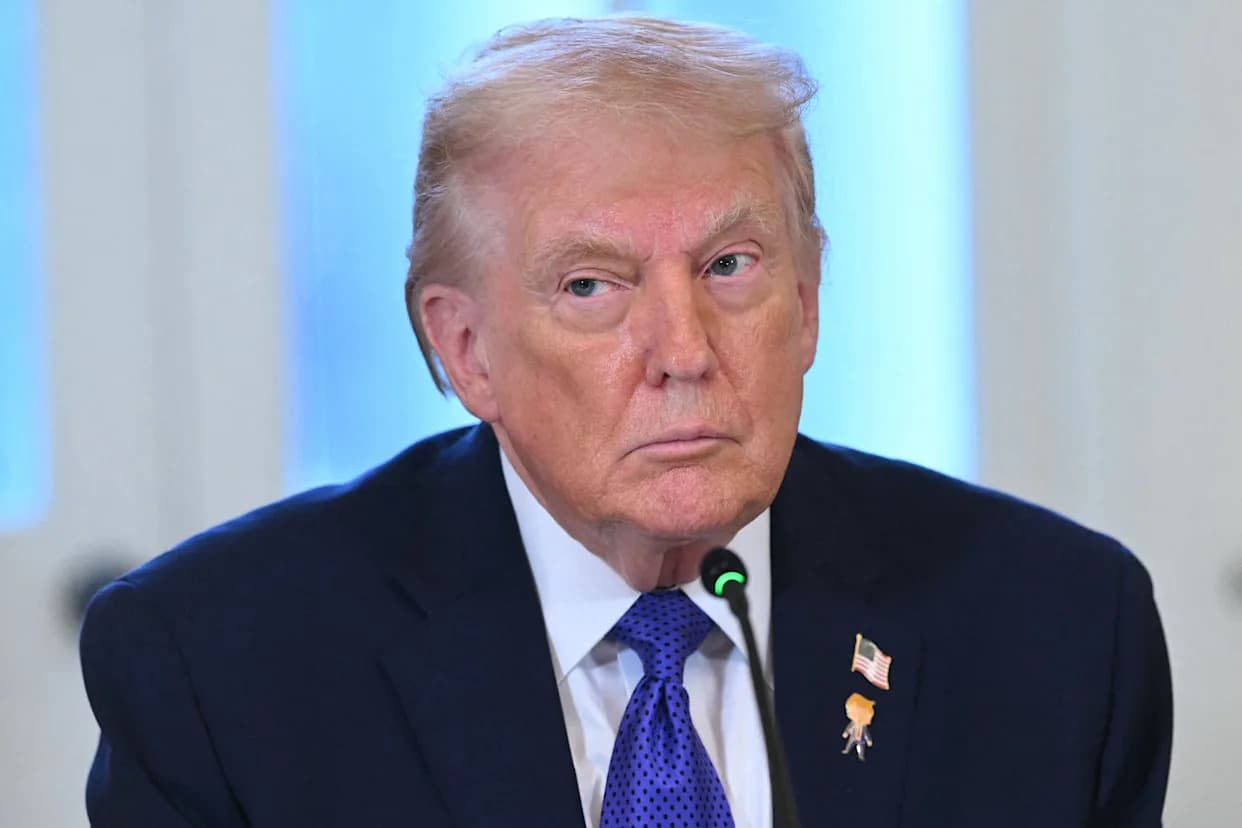
Then President Donald Trump posted on Truth Social, saying Nicolás Maduro and his wife Cilia Flores had been “captured and flown out of the Country.” In the diaspora — in cities such as New York, Miami and Bogotá — people celebrated openly. In Caracas, reactions were muted and uneasy. A woman passed small cups of prosecco through the queue, and people called relatives abroad; but many others asked the same practical question aloud: “If Maduro is gone, who is in charge now?”
State television soon looped pro‑government statements. Vice President Delcy Rodríguez denounced the operation as a “kidnapping” and demanded proof of life for Maduro. Defense Minister Vladimir Padrino issued a video; Diosdado Cabello, the powerful interior minister, appeared surrounded by security agents calling for calm. The message was clear: even if Maduro was removed, many regime institutions and officials remained active.
The Return Trip to Caracas
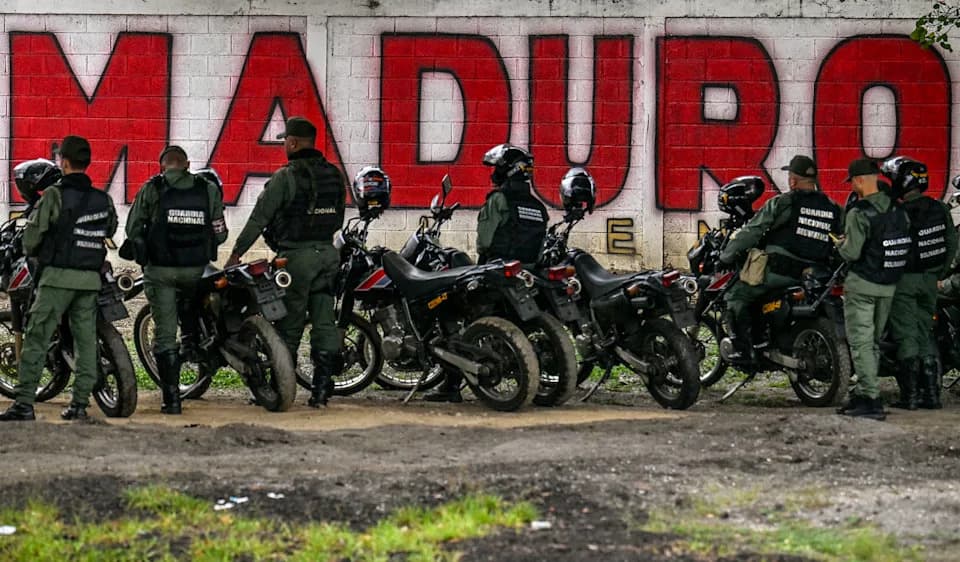
We packed and drove back toward the capital. Coastal towns were quiet except for long supermarket and pharmacy queues. At the port of La Guaira we saw warehouses blown apart and a large plume of smoke rising from the site of the strike. Soldiers had blocked the highway with concrete barriers; one tunnel before the city was occupied by tanks. Caracas itself felt eerily still: gas station lines, rationing queues and checkpoints suggested people were stocking up and hunkering down.
Politics, Oil, and the Risk of a New Order
That morning I streamed Trump’s press conference. He announced U.S. control until a “safe, proper and judicious transition” and openly said he expected American oil companies to invest and extract Venezuelan resources. He warned of a possible “second, bigger, wave” of bombing. Many Venezuelans reacted with alarm at the idea that oil would be turned over to U.S. firms; others hoped foreign investment would bring stability and recovery. Meanwhile, Delcy Rodríguez began to consolidate power: after chairing a cabinet meeting she was proclaimed interim president by the National Assembly. Her allies — some named in Maduro’s indictments — and competing Chavista factions raised fears of internal rivalry and violent ruptures.
Security Measures, Media Controls, and Prisoner Releases
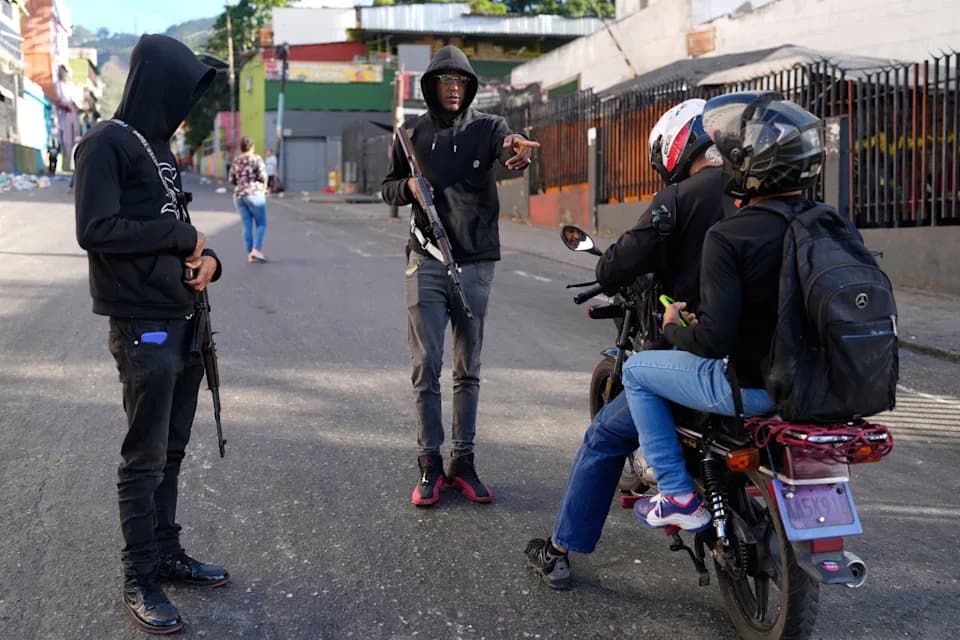
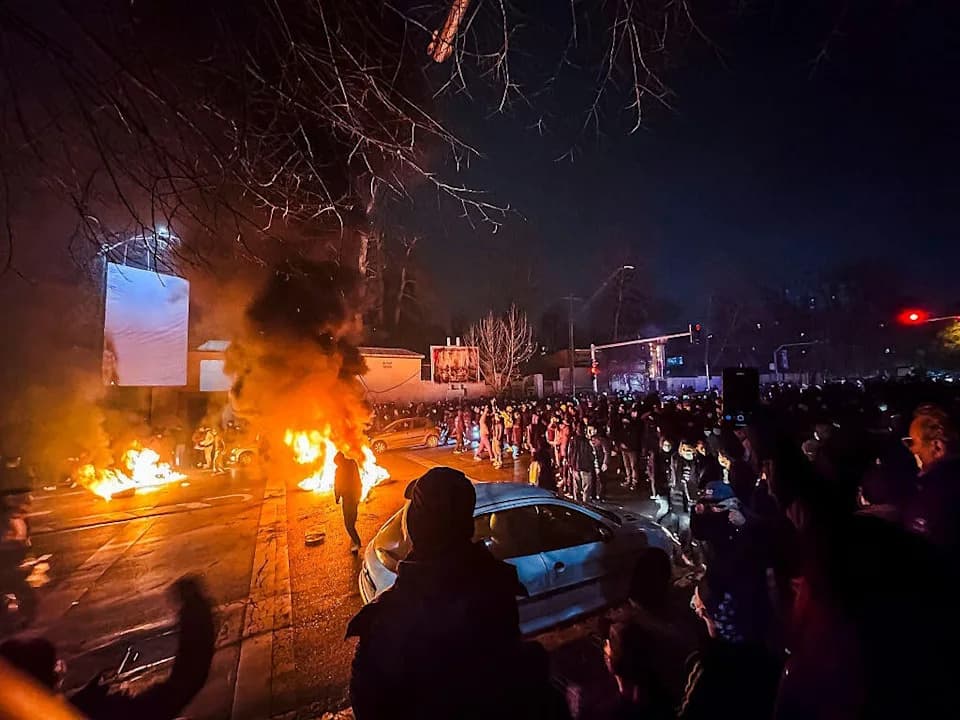
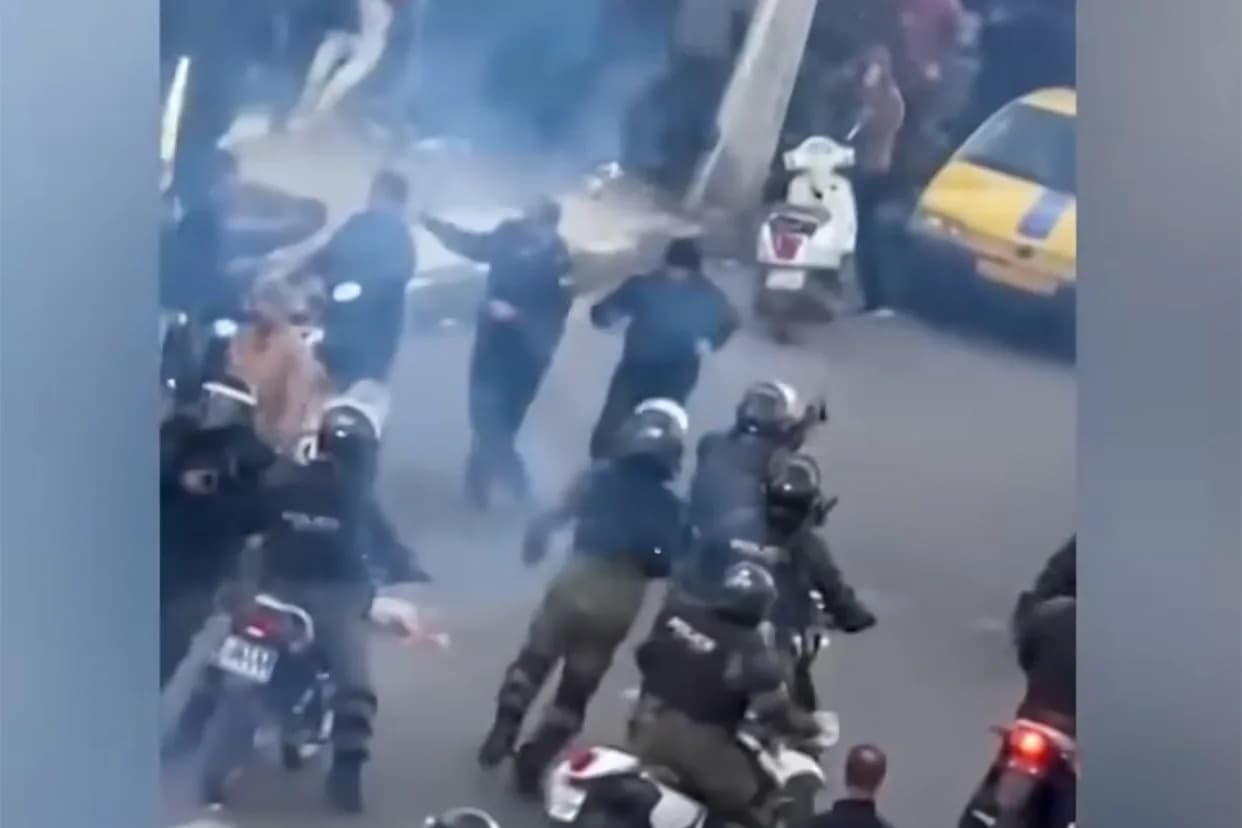
Colectivos — pro‑government militias — tightened control on city streets. Reports circulated of checkpoints where phones were checked for “incriminating” messages. A state‑of‑emergency decree warned that anyone who “supported” the operation could be arrested. Fourteen journalists were detained that day and later released.
The Trump administration and Venezuelan authorities reportedly negotiated the release of political prisoners in exchange for averting a second wave of strikes. Hopes surged when lists of nearly 1,000 names circulated in chats and social media. By Friday morning, however, only nine detainees had actually been freed. The process remained fragile and the prospect of disappointment loomed large.
Daily Life in Flux
In the days that followed, parts of Caracas slowly returned to routine: restaurants and commercial avenues filled again, yoga and CrossFit studios were busy at odd hours, and people tried to reestablish normal life amid persistent uncertainty. Radio stations often played only classical music for long stretches, and moviegoers nervously laughed at action scenes that suddenly felt too close to home.
Where Things Stand
The episode left Venezuelans exhausted, wary and divided. Some cling to optimism that the intervention will bring democracy and investment; others fear a new, foreign‑backed authoritarian bargain in which oil wealth is extracted while old power structures remain. For now, life is in flux: small moments of relief and normalcy punctuated by tension, rumor, and political maneuvering. Whether this becomes the long‑promised turning point or a reordering of familiar forces remains uncertain.
At a glance: Early‑morning strikes and helicopter operations rattled Caracas; President Trump claimed Maduro was captured; regime institutions remained active; checkpoints, tanks and rationing followed; thousands hoped for prisoner releases but only a handful were freed; fears about U.S. control of oil and competing Chavista factions persist.
Help us improve.