Summary: Widespread protests in Iran have reportedly left hundreds dead amid internet shutdowns and a violent crackdown that has eroded the regime's image of invulnerability. In the U.S., California lawmakers are considering a one-time 5% billionaire tax meant to help close a major budget gap, with debate over how the measure would treat voting rights in share structures. The package of reports also covers a contentious protest in New York, a federal inquiry into Fed Chair Jerome Powell, an analysis of Venezuela’s incomplete transition, personal reflections on sobriety, and a potential strike by nearly 16,000 New York nurses.
A Breakable Regime — Deadly Protests in Iran, A Contentious California Wealth Tax, and Global Flashpoints

A Breakable Regime
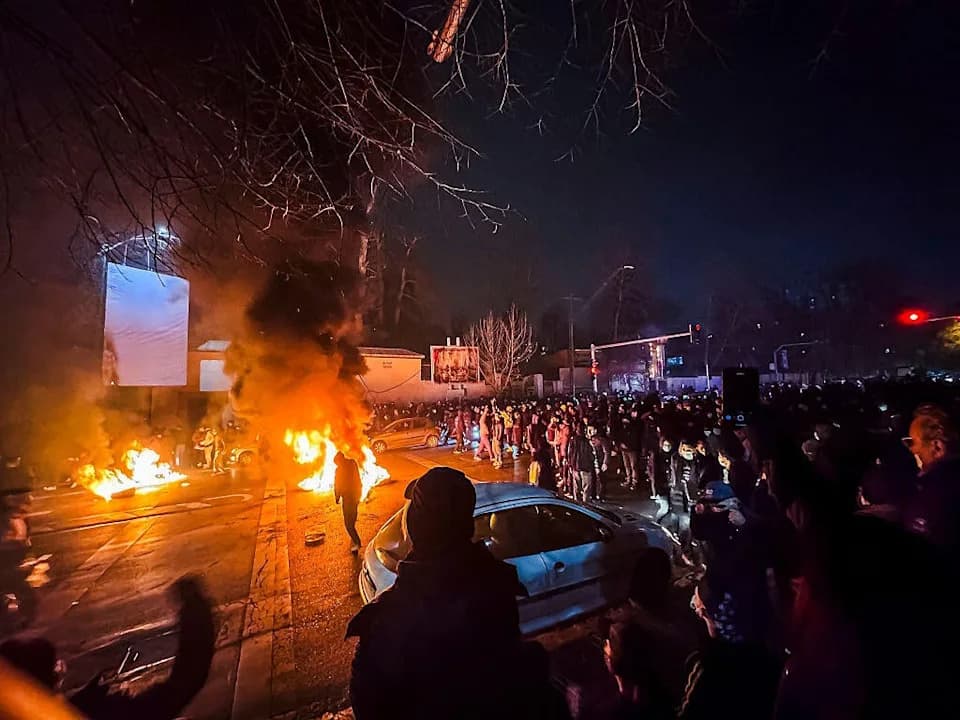
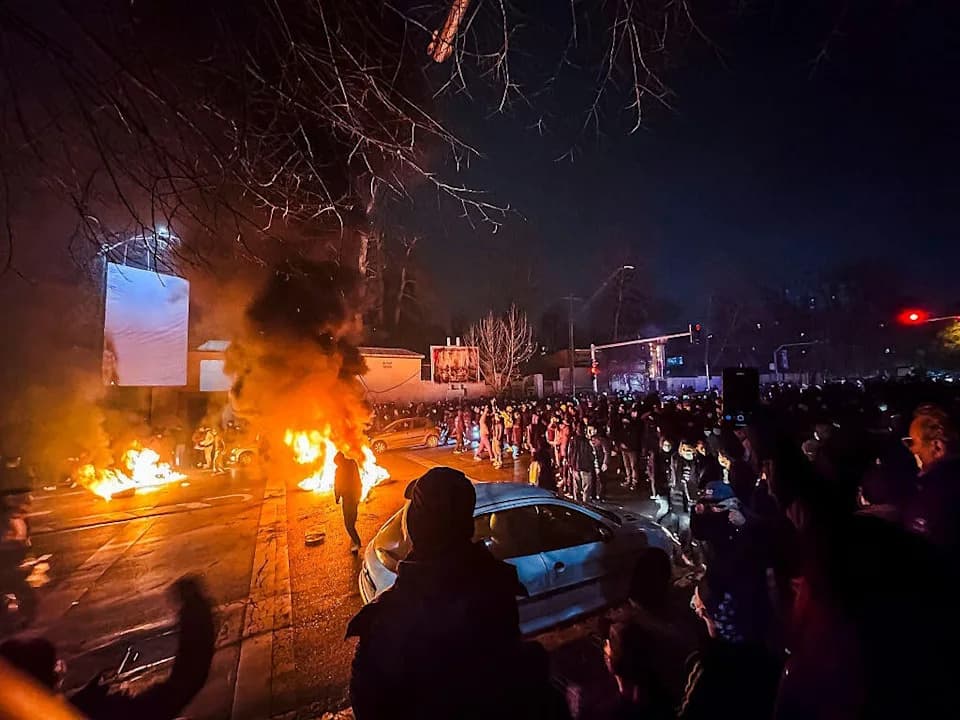
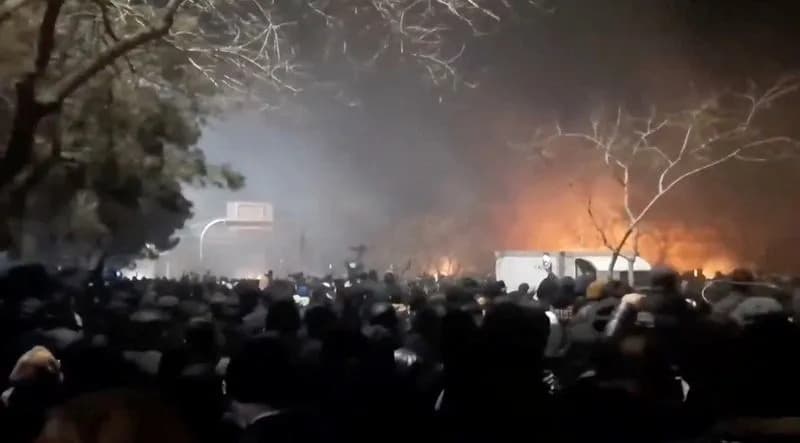
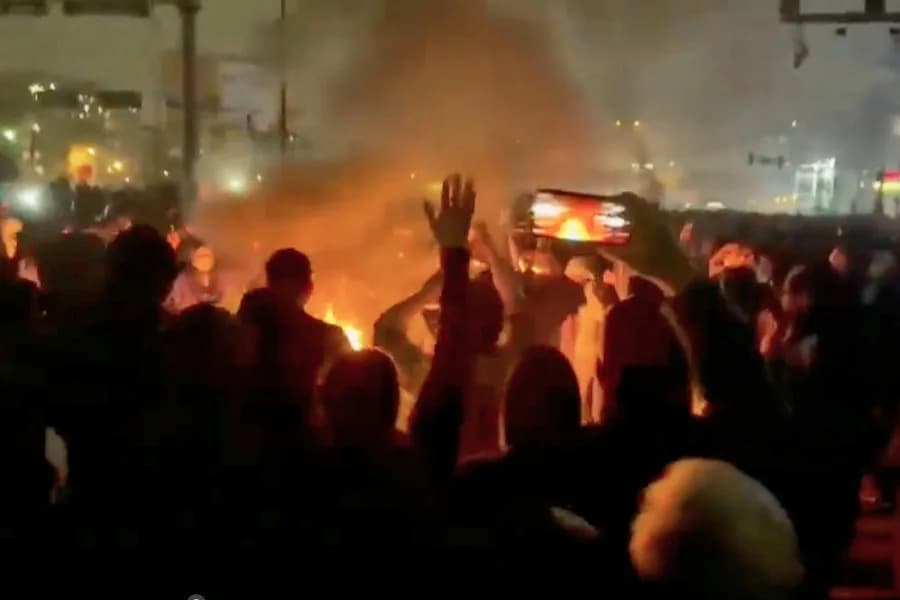
Hundreds of protesters have reportedly been killed in Iran as authorities move to suppress demonstrations that appear to be among the largest nationwide uprisings since 1979. Human-rights groups and eyewitnesses say the government imposed internet and cellphone blackouts as part of the crackdown, complicating independent verification but not preventing videos and hospital footage from circulating abroad.
Iran: A Crisis That Shakes A Regime
According to New York–based monitors cited by The Washington Post, the Center for Human Rights in Iran and other organizations received eyewitness accounts and credible reports that hundreds of demonstrators were killed after authorities cut internet access. The Human Rights Activists News Agency put the toll at 490 deaths since unrest began; these figures have not been independently verified.
"Despite government-ordered internet and cellphone shutdowns intended to limit information, videos from hospitals showing rows of body bags have circulated in the West, corroborating accounts of a substantial — though still undetermined — death toll," reports have said.
What began as protests over economic hardship have broadened into widespread anger at Iran's political and economic system. Iranian Parliament Speaker Mohammad Baqer Qalibaf warned that external strikes could prompt retaliation against the United States, Israel and international shipping lanes. Analysts note that last June's 12-day conflict with Israel and follow-on U.S. strikes damaged the regime's image of invulnerability, hitting military leadership and nuclear infrastructure and contributing to a sense of fragility.
Context: Commentators such as Tahmineh Dehbozorgi have framed Iran's problems not only as political repression but as structural economic dysfunction: a state-dominated economy, entrenched corruption, and policies that have hollowed out the middle class.
California's Proposed Billionaire Tax
Back in the U.S., debate over a proposed one-time 5% California “billionaire tax” has intensified. Supporters say the levy would help close a roughly $100 billion state budget gap — a shortfall that includes federal and state cuts to Medi-Cal and other social programs. Opponents warn it could prompt wealthy residents to leave.
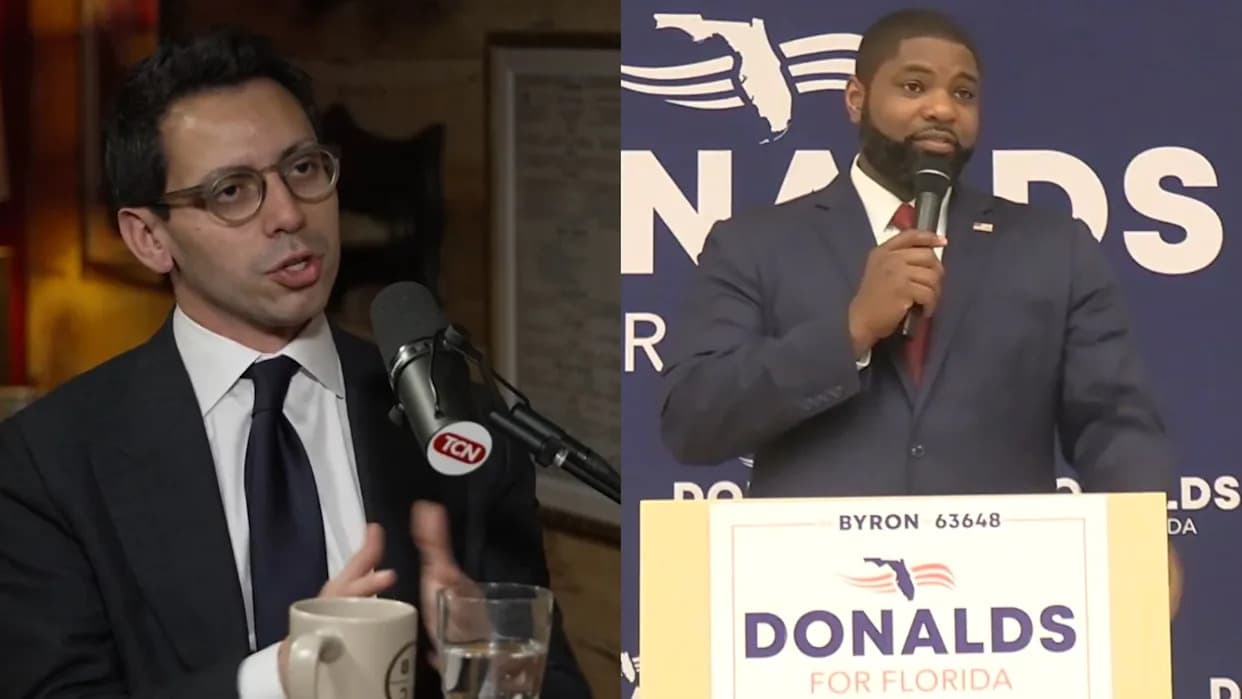
Technical provisions in the draft law would treat voting or control rights as an indicator of ownership. That approach would raise the taxable wealth of owners of dual-class shares: Y Combinator CEO Gary Tan highlighted an example involving Alphabet founders with high-vote shares, arguing that the law would treat voting power as a multiplier when calculating taxable wealth. The mechanics remain contested and would likely face legal and political challenges.
New York Protest, Fed Inquiry, Venezuela And More
In New York City, a protest outside the Young Israel of Kew Gardens Hills yeshiva drew criticism after social-media video clips appeared to show chants supporting Hamas. Event organizers and civil-rights groups condemned any public expression of support for extremist violence.
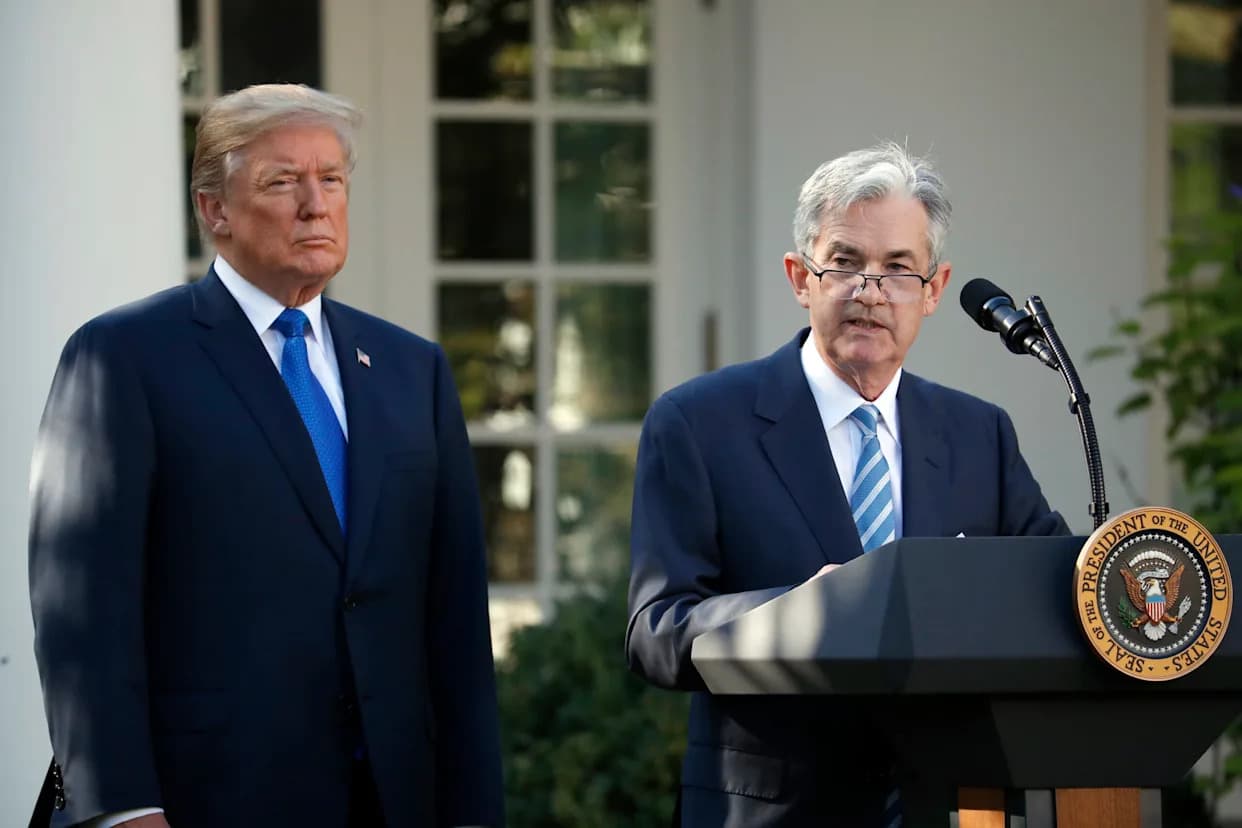
In Washington, The New York Times reports that the U.S. attorney's office in the District of Columbia has opened a criminal inquiry into Federal Reserve Chair Jerome H. Powell regarding the Fed's renovation of its headquarters and whether Powell accurately described the project's scope to Congress.
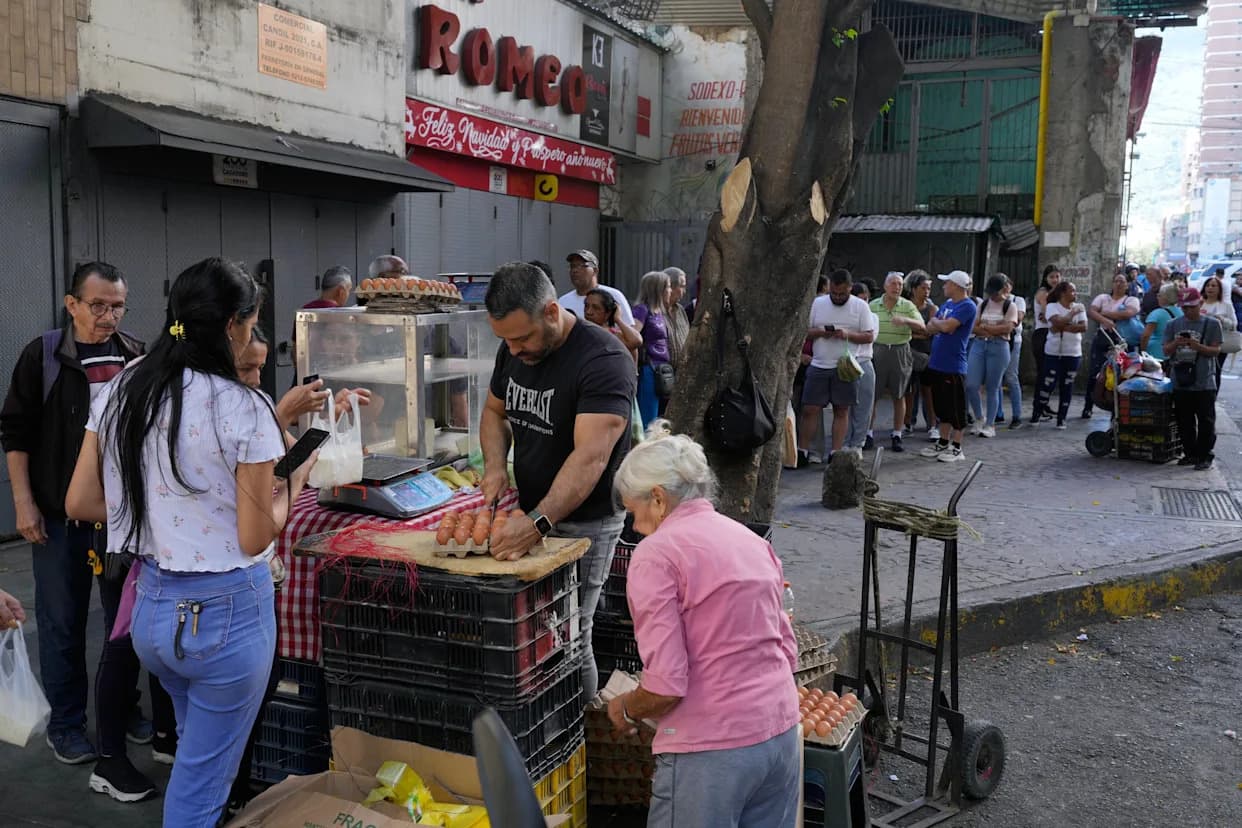
In the Journal of Democracy, Juan Miguel Matheus analyzes Venezuela's recent political moment as a partial rupture: the removal of Nicolás Maduro ends an autocratic cycle but — because it involved external intervention and remnants of the old regime — has not yet delivered democratic self-government.
Human Interest And Labor News
GQ columnist Dean Stattmann wrote about personal sobriety — describing benefits to health but also reflections on trade-offs in social life and pleasure. And in New York, nearly 16,000 nurses across three major hospital systems — including Mount Sinai Medical Center, NewYork–Presbyterian and Montefiore Medical Center — face the prospect of striking amid a severe flu season, raising concerns about care disruptions.
Other Notes: Brief mentions in the original reporting include ongoing industrial challenges and developments in Cuba.
Help us improve.