Starlink has grown to more than 9,000 satellites and serves over 9 million customers worldwide after 300+ Falcon 9 launches. NASA’s Artemis 2 crew could make a roughly 10-day lunar flyaround as soon as February, while SpaceX prepares an upgraded Starship from South Texas. The International Space Station saw its first-ever medical evacuation when Crew-11 returned early after an onboard medical issue. Astronomers also reported a starless, dark-matter object nicknamed Cloud-9, and a new study raised doubts about Europa’s habitability.
Space Weekly: Starlink Tops 9,000 Satellites; Crew-11 Returns Early After ISS Medical Evacuation

Space activity from Florida's Space Coast and beyond kept up a brisk pace this week. Here are the key developments: expanded Starlink coverage, progress toward Artemis 2, a potential new Starship debut, an unprecedented ISS medical evacuation, and fresh science finds that challenge assumptions about other worlds.
Starlink Expansion
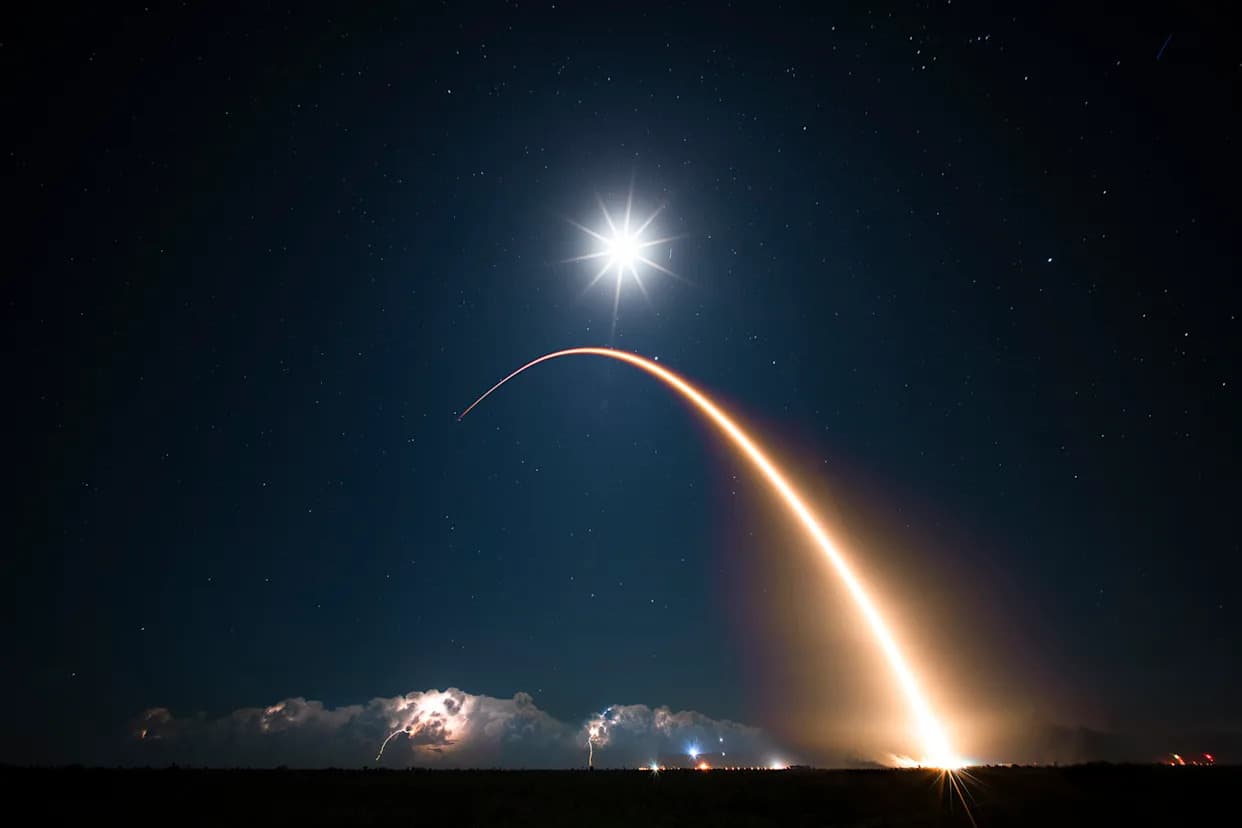
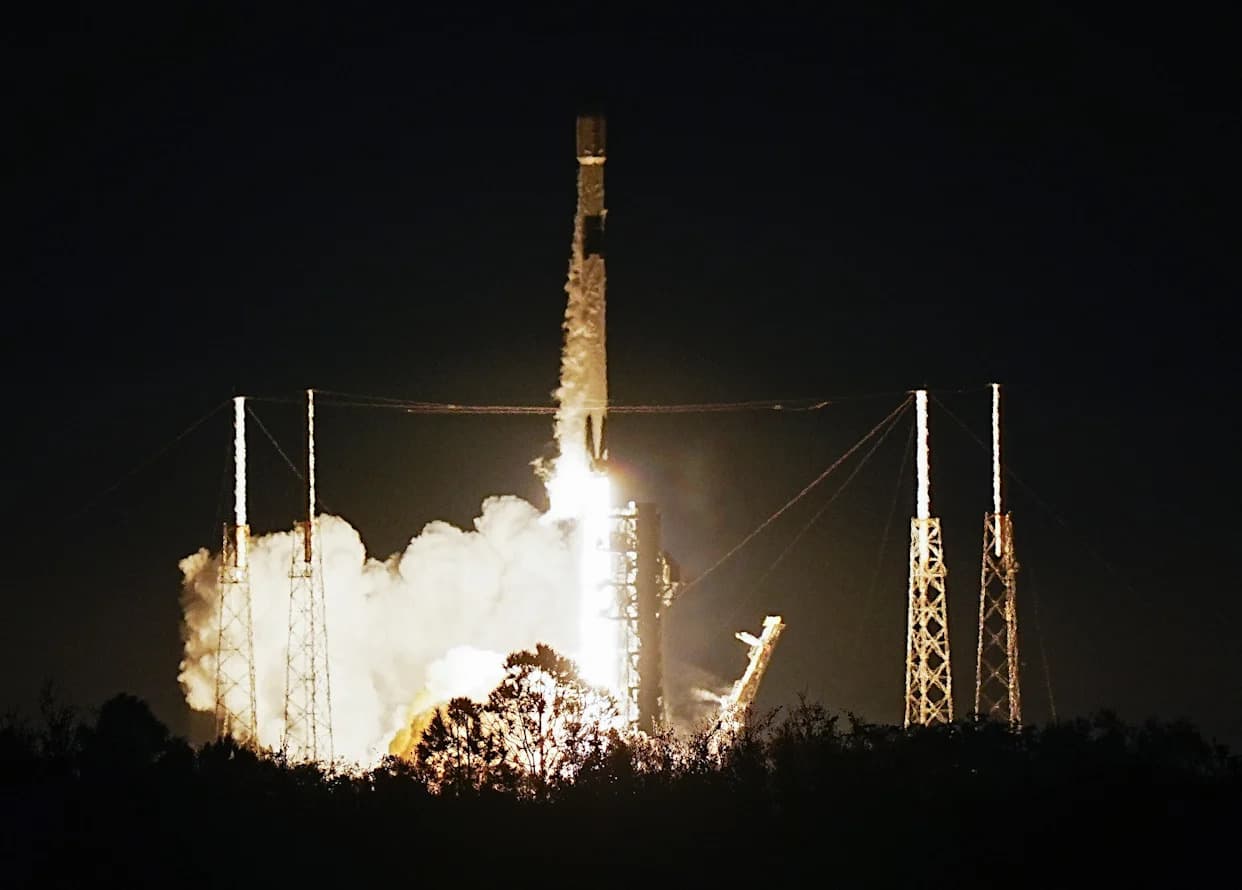
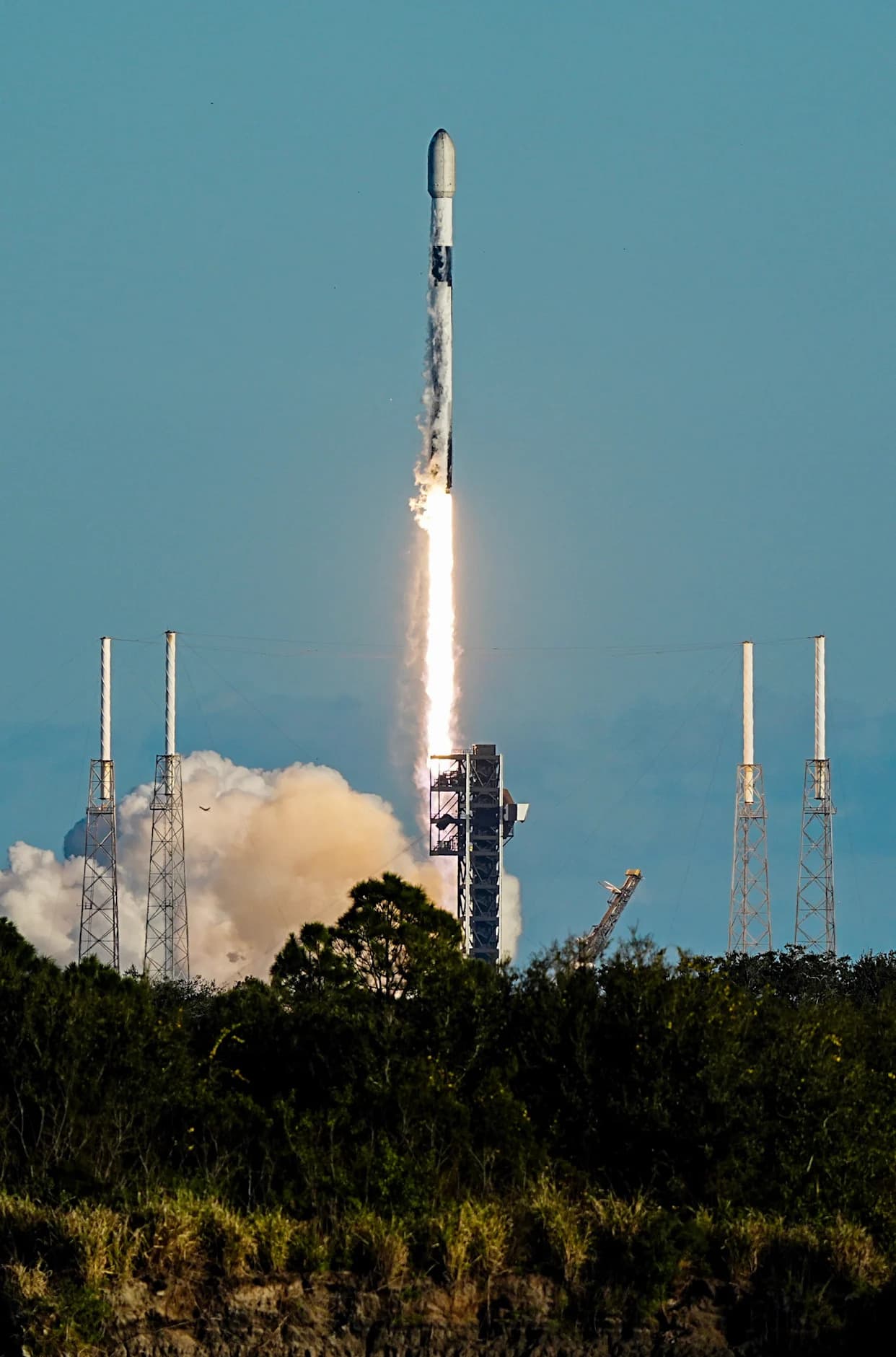
SpaceX reports its Starlink constellation now exceeds 9,000 operational satellites after more than 300 Falcon 9 launches—most of them from Florida’s Space Coast. The network serves more than 9 million customers across 155+ countries and markets. SpaceX continued launch activity in early January with missions targeted Jan. 8–12 to deploy additional batches of 29 satellites each.
Artemis 2: Near-Moon Mission Set For Early 2026
Four astronauts are preparing for Artemis 2, NASA’s planned crewed circumlunar flight. As early as February, the crew could board Orion atop the Space Launch System in Florida for an approximately 10-day mission that would return humans to a near-Moon trajectory for the first time since Apollo.
Starship Upgrades
SpaceX is also testing and preparing a more advanced, more powerful version of Starship from its South Texas site. The company says the next iteration is intended to improve performance and pave the way for higher-capacity missions.
Crew-11: First ISS Medical Evacuation
NASA announced that one member of Crew-11 aboard the International Space Station experienced a medical issue, prompting the agency to plan an early return for the four-person team—the first medical evacuation in the ISS’s 25-year continuous habitation history. NASA has not identified the astronaut or released clinical details, citing privacy protections; officials described the individual as stable. Preparations were made for undocking from the station on Jan. 14 with a splashdown off the California coast expected early Jan. 15, pending weather and mission checks.
Science Highlights: Mars, Europa, and Cloud-9
NASA’s Mars rovers produced a stitched panoramic image that captures Martian terrain under sky tones some observers compare to an Earthlike sunset. Meanwhile, a recent study raises fresh questions about the habitability of Europa, suggesting its subsurface ocean may face conditions less favorable to life than previously hoped. In distant-universe news, astronomers reported the discovery of a starless, dark-matter–dominated object nicknamed Cloud-9—likely a failed galaxy that never accumulated enough gas to ignite star formation.
Florida’s Launch Cadence
Florida’s Space Coast—home to Kennedy Space Center and Cape Canaveral Space Force Station—set a local record last year with 109 orbital launches, 101 of them using SpaceX’s Falcon 9. With several early-2026 missions already queued, the region shows no sign of slowing.
Reporter: Rick Neale, FLORIDA TODAY. For ongoing launch schedules and coverage, visit FloridaToday.com/Space or subscribe to the site’s space newsletter.
Help us improve.