Traders in Tehran’s Grand Bazaar — long-time pillars of the 1979 revolution — have turned against Iran’s clerical leadership amid a deepening economic crisis. Protests that began over a plunging rial and volatile prices have spread nationwide and taken on a political character. Analysts blame a mix of international sanctions and the Revolutionary Guards’ expanding economic control for restricting imports and fueling uncertainty, while rights groups report hundreds killed and thousands arrested since Dec. 28.
Bazaar Backlash: Iran’s Traders Turn Against Clerical Leadership as Economic Crisis Deepens

FILE PHOTO: People walk past closed shops following protests over a plunge in the currency's value, in the Tehran Grand Bazaar, Tehran, Iran, December 30, 2025. Majid Asgaripour/WANA (West Asia News Agency) via REUTERS/File Photo
DUBAI, Jan 12 (Reuters) - Iran’s historic bazaar merchants — once a financial and political pillar of the 1979 Islamic Revolution — have increasingly turned against the clerical establishment they helped support, fueling protests driven by worsening economic conditions.
Protests Erupt in the Grand Bazaar
Discontent among traders, from small shopkeepers to large wholesale dealers, has intensified as their economic influence and political clout have waned over decades. Many merchants say the Islamic Revolutionary Guard Corps (IRGC) and business networks linked to it now dominate key sectors, squeezing ordinary traders and limiting access to imports.
"We are struggling. We cannot import goods because of U.S. sanctions and because only the Guards or those linked to them control the economy. They only think about their own benefits," said a merchant at Tehran’s Grand Bazaar, speaking on condition of anonymity.
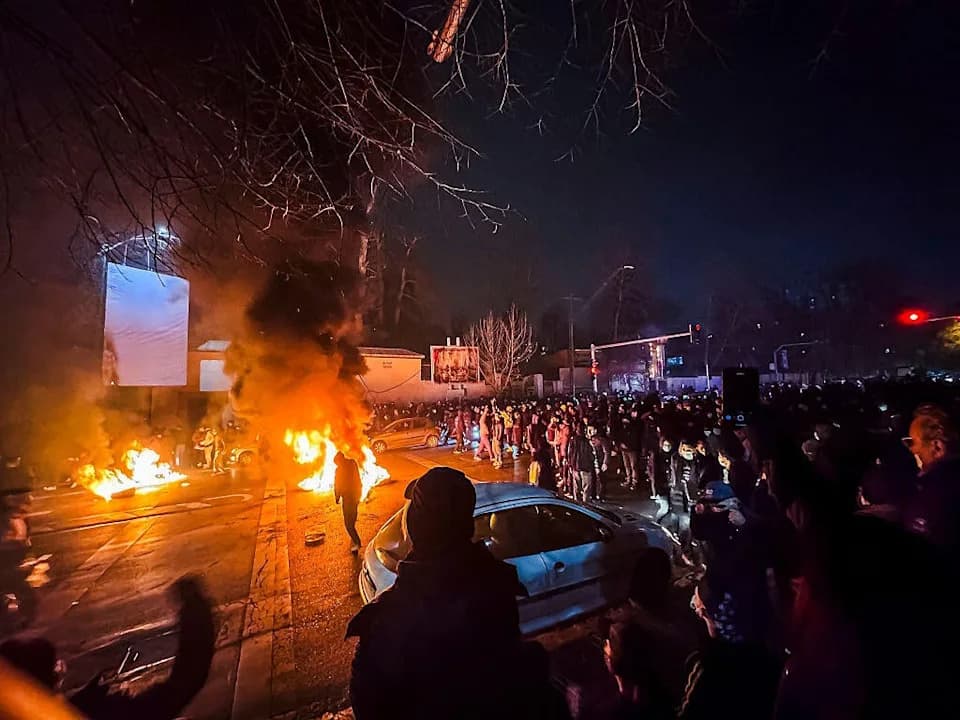
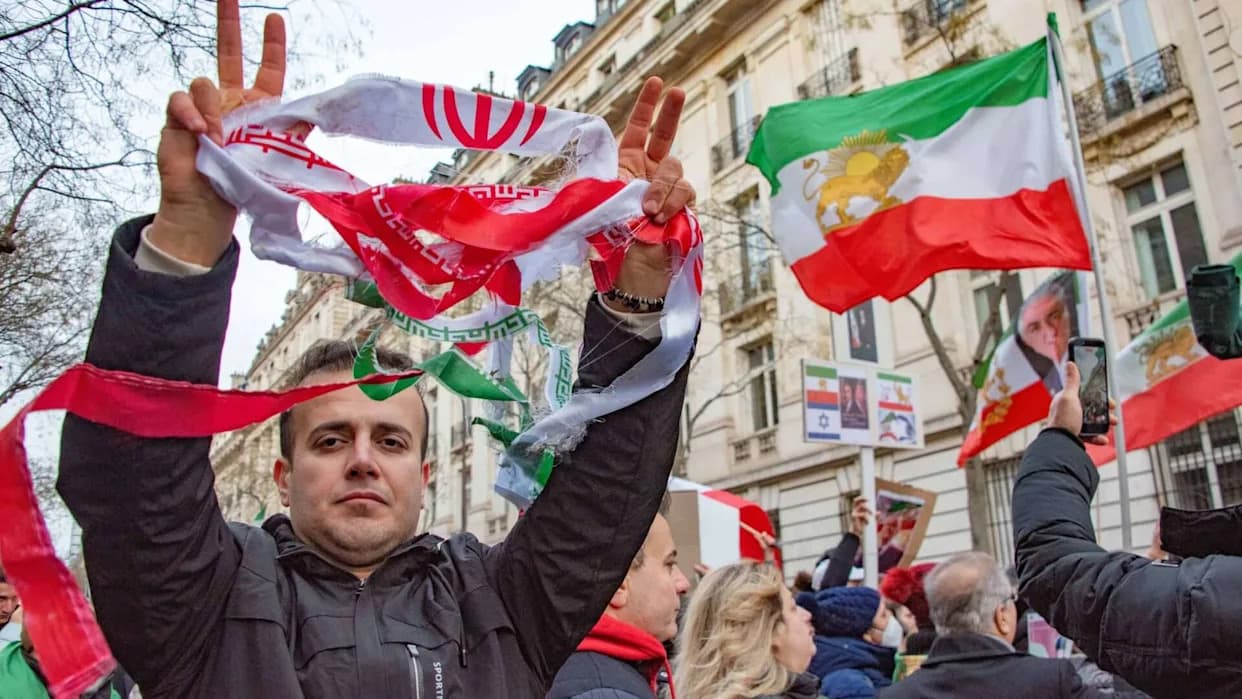
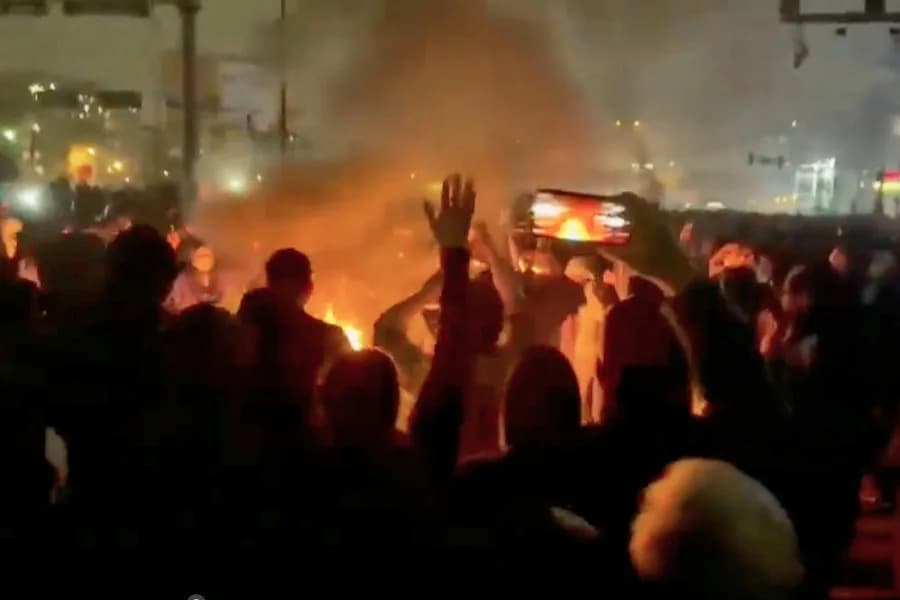
The current wave of unrest began in late December at the centuries-old Grand Bazaar, where hundreds of shopkeepers denounced a sharp fall in the rial. The demonstrations rapidly expanded and took on a political edge, with some protesters burning images of Supreme Leader Ayatollah Ali Khamenei and chanting anti-regime slogans despite heavy-handed security responses.
The Economic Drivers: Sanctions, Price Volatility, And Elite Control
Analysts and merchants cite a mix of international sanctions and the IRGC’s growing economic footprint as central drivers of the crisis. Tehran-based analyst Saeed Laylaz said the authority has effectively lost control: merchants care less about headline inflation than about extreme price volatility that prevents them from planning purchases or sales.
Widening disparities between ordinary Iranians and the clerical and security elite, along with reported mismanagement and corruption — including coverage in state media — have amplified public frustration as inflation and currency decline push basic goods beyond many households' reach. Reuters reported the rial had lost nearly half its value against the dollar in 2025 and that official inflation reached 42.5% in December.
The Guards' Expanding Economic Reach
Created after the 1979 revolution, the IRGC first gained a foothold in Iran’s economy after the Iran–Iraq war and has since expanded into sectors from oil and transport to communications and construction. The Guards’ economic networks have grown with apparent backing from the supreme leadership and, critics say, benefited from the isolation caused by Western sanctions.
"No one knows how much of the oil money that the Guards get from selling Iran’s oil returns to the country ... they are too powerful to be questioned about it," a senior Iranian official told Reuters on condition of anonymity. Reports point to a shadow fleet of tankers and front companies that move sanctioned crude, largely to buyers in Asia.
State Response And Human Cost
The clerical establishment has leaned on security forces, including the IRGC and the Basij paramilitary, to suppress unrest. Authorities have blamed foreign actors, notably the United States and Israel, for fomenting unrest while continuing to use force to restore order.
Rights group HRANA said it had verified 544 deaths (496 protesters and 48 security personnel) and 10,681 arrests since the protests began on Dec. 28. Reuters was unable to independently verify those figures; official Iranian sources have not released consolidated casualty totals and have accused "terrorists and rioters" linked to foreign foes of killing security personnel.
Former president Hassan Rouhani, who clashed with the Guards during his term, is cited by some insiders as evidence of how difficult it is for civilian governments to curtail the Guards’ economic power. Many analysts argue that the establishment depends on the Guards to maintain internal order and confront external threats, making decisive economic reform politically fraught.
(Reporting by Parisa Hafezi; Editing by Frances Kerry)
Help us improve.