Laken Riley, a 22-year-old nursing student, was murdered while jogging on the University of Georgia campus on Feb. 22, 2024; the coroner ruled the cause of death blunt force trauma to the head. Evidence including surveillance footage, a bloodied jacket and DNA under Riley’s fingernails linked Venezuelan national Jose Ibarra to the crime; he was arrested the next day, convicted in November 2024 and sentenced to life without parole. The case became a focal point in the national immigration debate and led to the 2025 Laken Riley Act, which mandates federal detention for undocumented immigrants arrested for theft or burglary.
What Happened to Laken Riley? The Nursing Student’s Murder, the Investigation, and the Law It Sparked
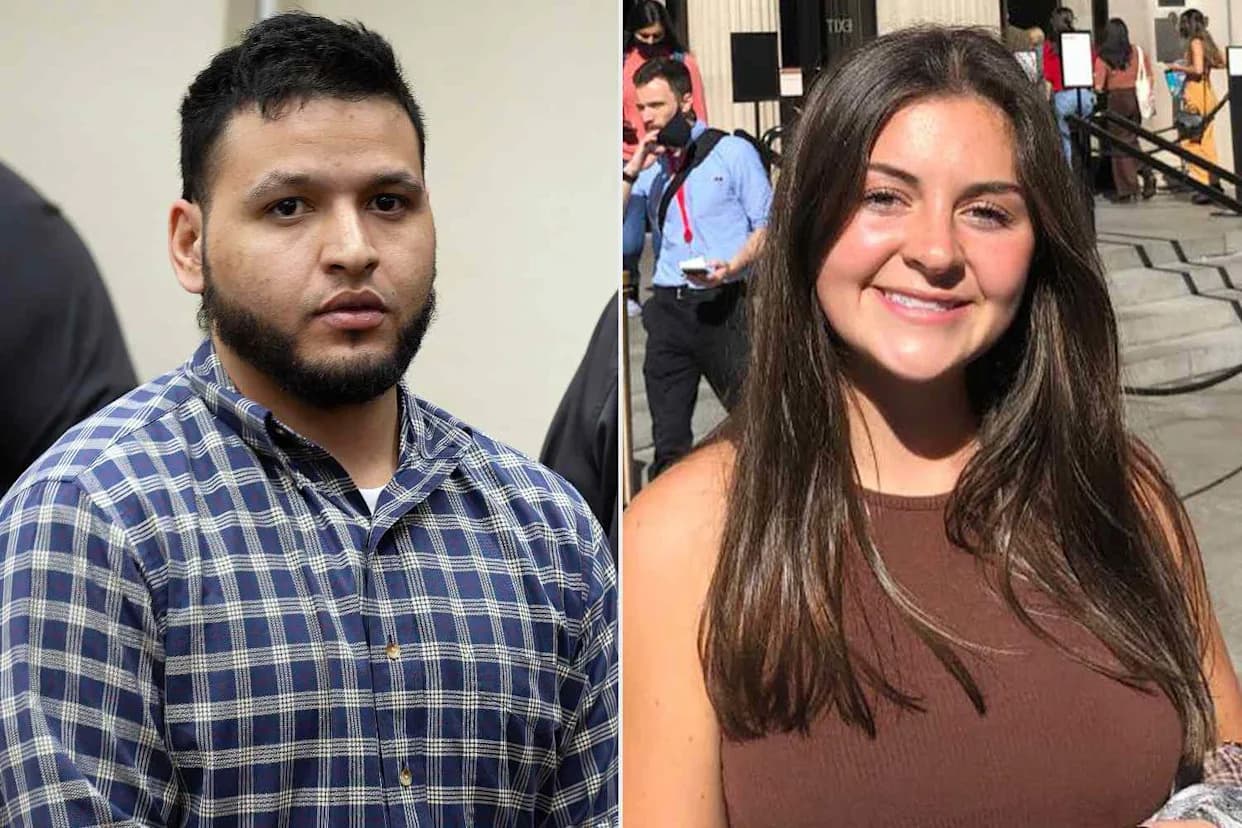
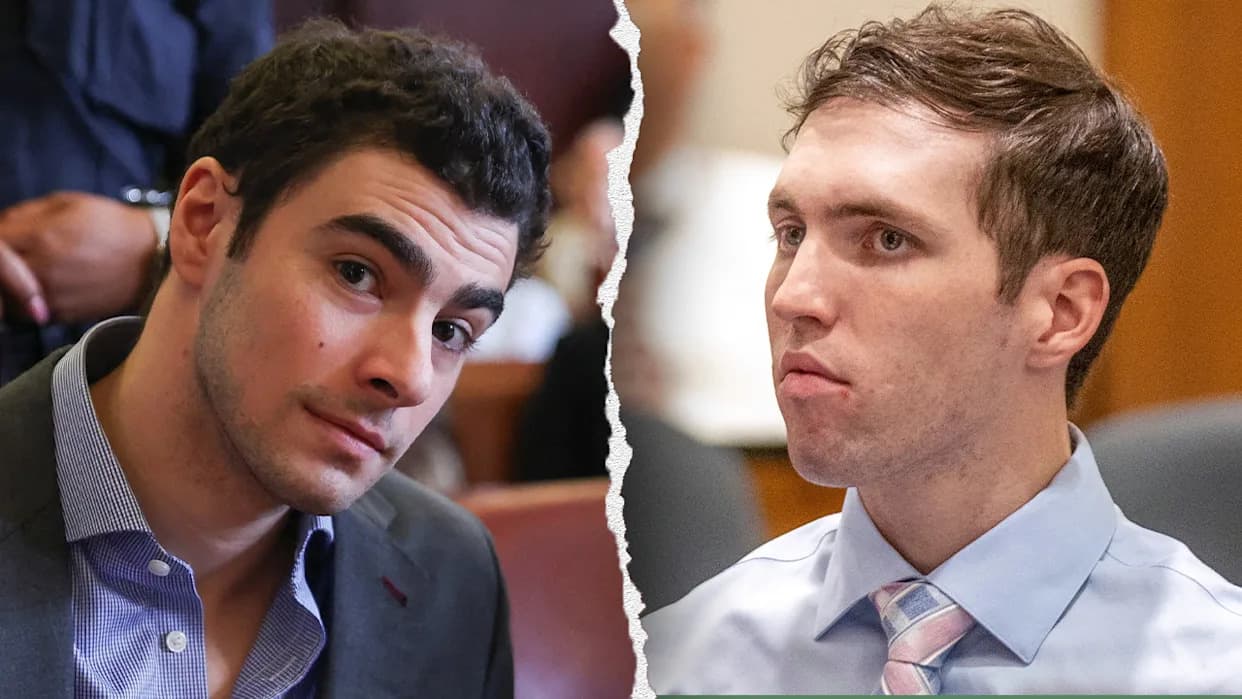
Robin Rayne/ZUMA Press Wire/ShutterstockJose Ibarra; Laken Riley
On the morning of Feb. 22, 2024, 22-year-old Augusta University nursing student Laken Riley left for a routine run on the University of Georgia campus and never returned. Her body was found later that day in a wooded area near a campus lake; authorities later ruled the cause of death blunt force trauma to the head. The attack and the evidence that followed led to the arrest, conviction and life sentence of Jose Ibarra, and it also became a flashpoint in a national debate over immigration policy.
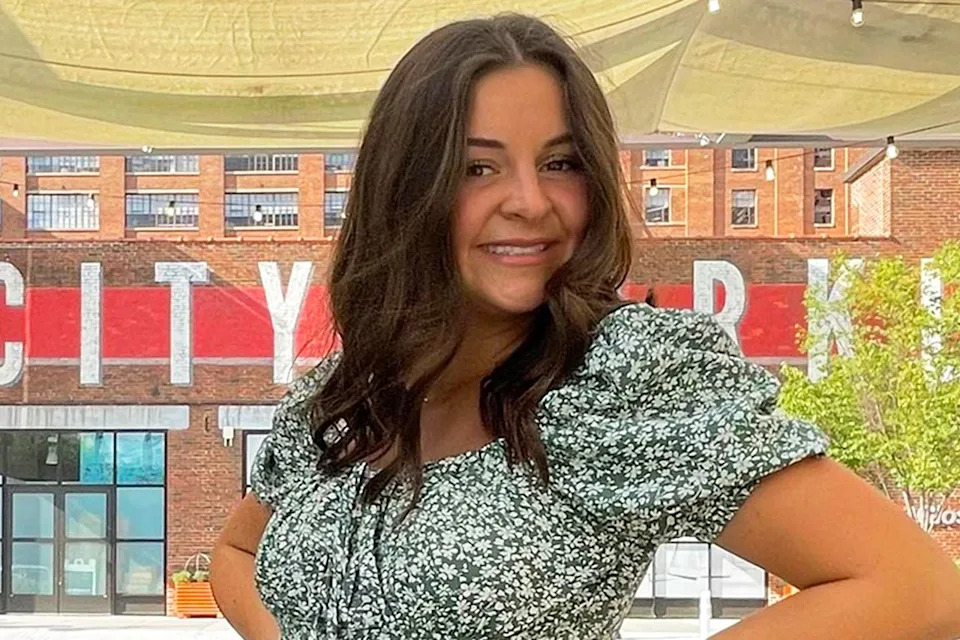
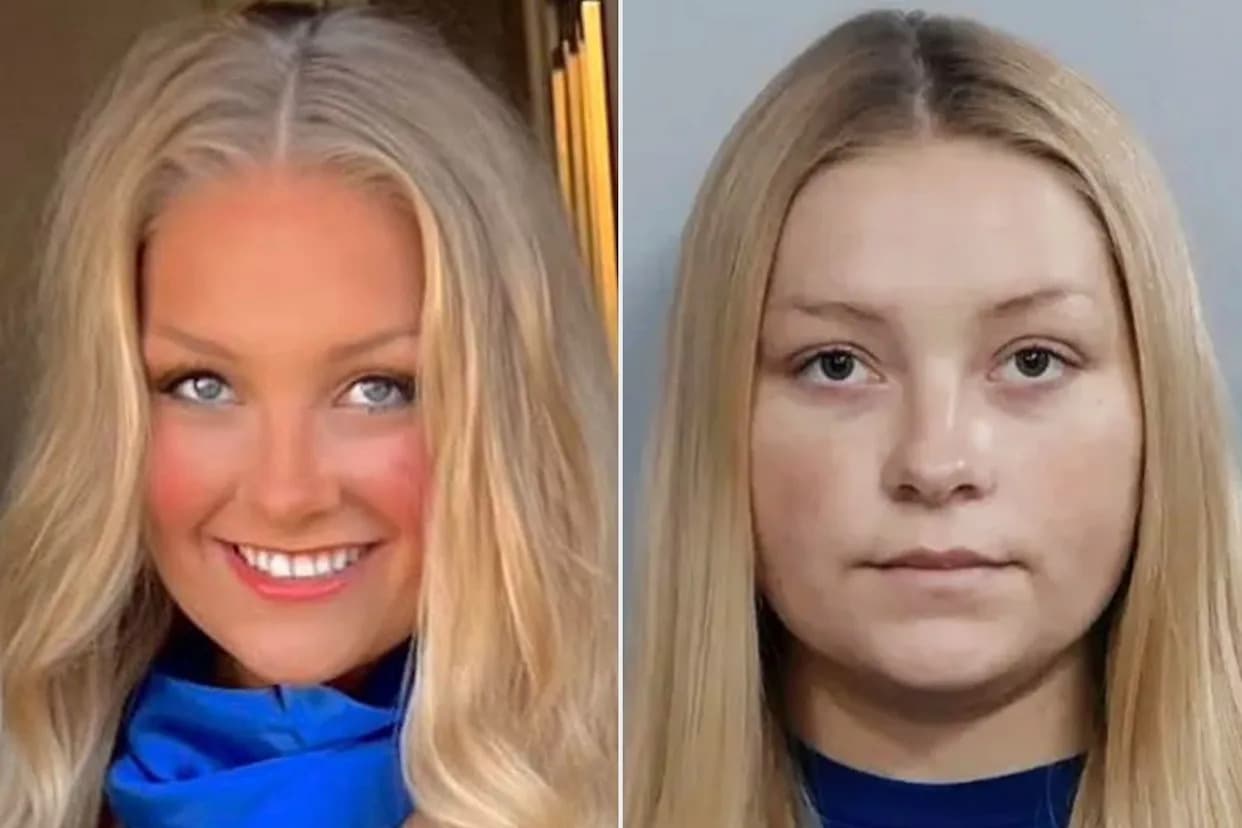
Laken Riley/FacebookStudent Laken Hope Riley Found Dead on University of Georgia Campus
Timeline Of The Morning
Cell records show Riley texted her mother at 8:55 a.m. to say she was about to run, and called her at 9:03 a.m. Eight minutes after that call she placed a 911 call that was abruptly disconnected; two return calls went unanswered. When Riley did not return by noon, her roommates reported her missing. Within about 30 minutes, a University of Georgia police officer located her unconscious and unresponsive about 65 feet off the trail behind a campus lake; she was pronounced dead at the scene.
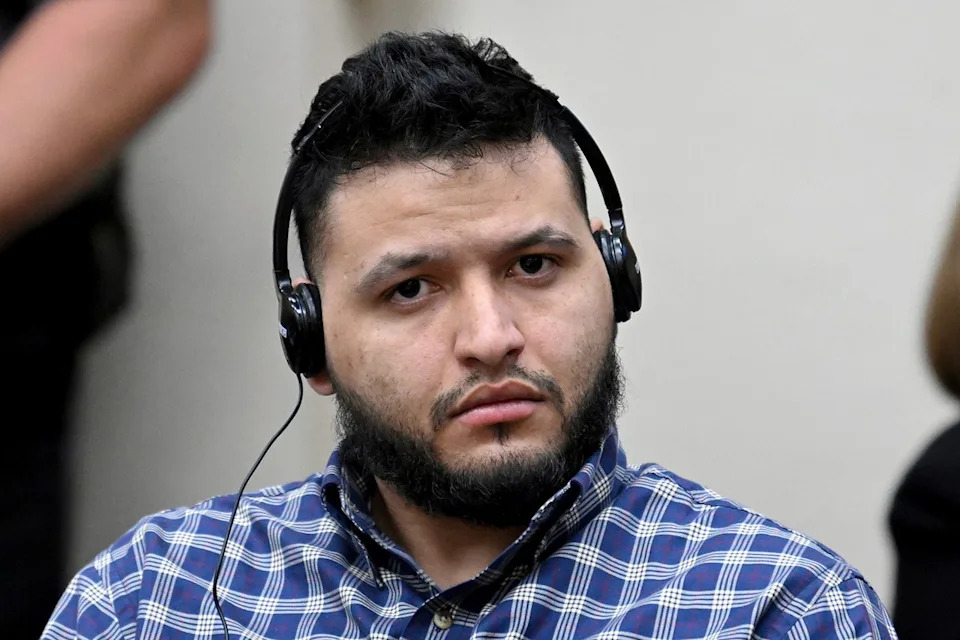
Hyosub Shin/Atlanta Journal-Constitution/APJose Ibarra listens through an interpreter during his trial at Athens-Clarke County Superior Court, Wednesday, Nov. 20, 2024, in Athens, Ga
Investigation And Evidence
Investigators assembled a range of digital and physical evidence. Trail cameras placed Riley on the path shortly after her final call. Security and doorbell camera footage later showed a man discarding a jacket in a nearby apartment-complex dumpster at 9:44 a.m.; the recovered jacket reportedly contained blood from both Riley and the suspect as well as Riley’s hair. Police documented injuries on the suspect consistent with a struggle — scratches on his arms, bruising on his palm and abrasions on his knuckles — and ultimately found the suspect’s DNA under Riley’s fingernails.
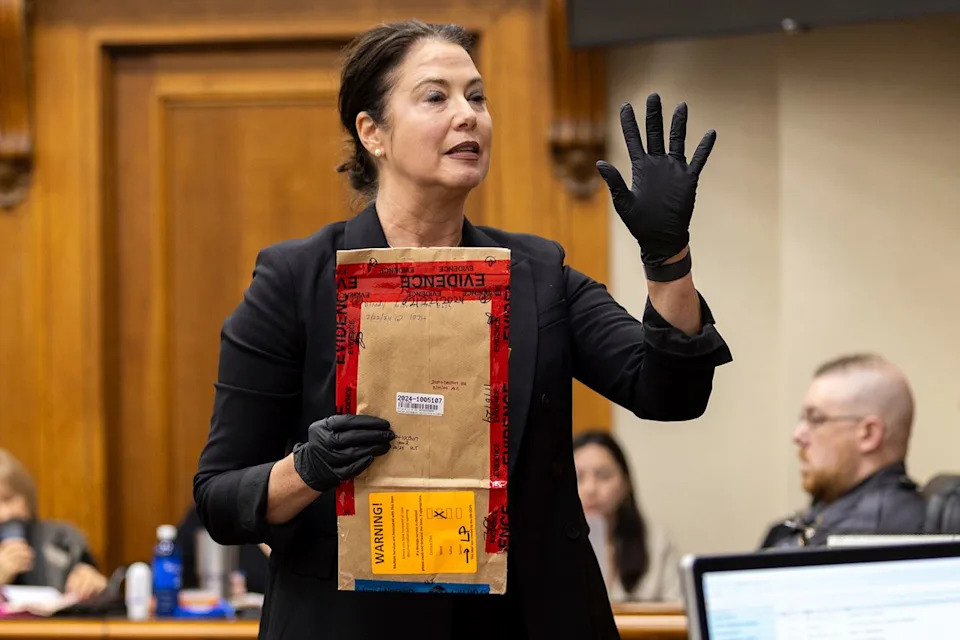
Arvin Temkar/Atlanta Journal-Constitution via APProsecutor Sheila Ross speaks while holding an evidence bag during the trial for Jose Ibarra at the Athens-Clarke County Superior Court on Tuesday, Nov. 19, 2024, in Athens, Ga
The Defendant, Arrest And Trial
Authorities identified the man in the footage as Jose Ibarra, a Venezuelan national who crossed into the U.S. in 2022. Reporting shows Ibarra was initially detained by Border Patrol but released with temporary permission to remain; after arriving in the U.S. he lived in New York briefly before moving to Athens, Georgia, in September 2023. He had unrelated interactions with police in 2023 — a New York scooter-related arrest in September and a shoplifting arrest in Athens-Clarke County in October — and was released in both cases.
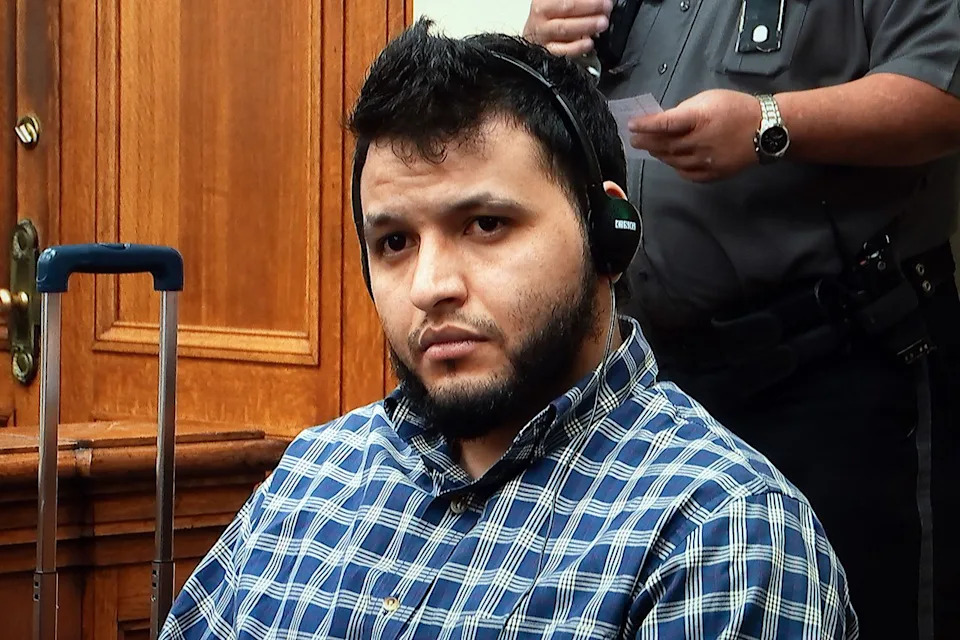
Robin Rayne/ZUMA Press Wire/ShutterstockJose Ibarra listens on headphones to prosecutor's opening statements translated into Spanish on first day of his trial in Athens-Clarke County Superior Court Friday. Ibarra, who does not speak English, is charged in death of nursing student Laken Riley in Athens, Georgia earlier this year. Laken Riley murder trial in Georgia, Athens, USA - 15 Nov 2024
Ibarra was arrested on Feb. 23, 2024, and charged with multiple counts including malice murder, felony murder, kidnapping, aggravated assault, hindering a 911 call and concealing the death of another. He pleaded not guilty in May 2024, waived a jury trial and faced a bench trial in November. On Nov. 20, 2024, Judge Haggard found him guilty on all counts and sentenced him to life in prison without the possibility of parole.
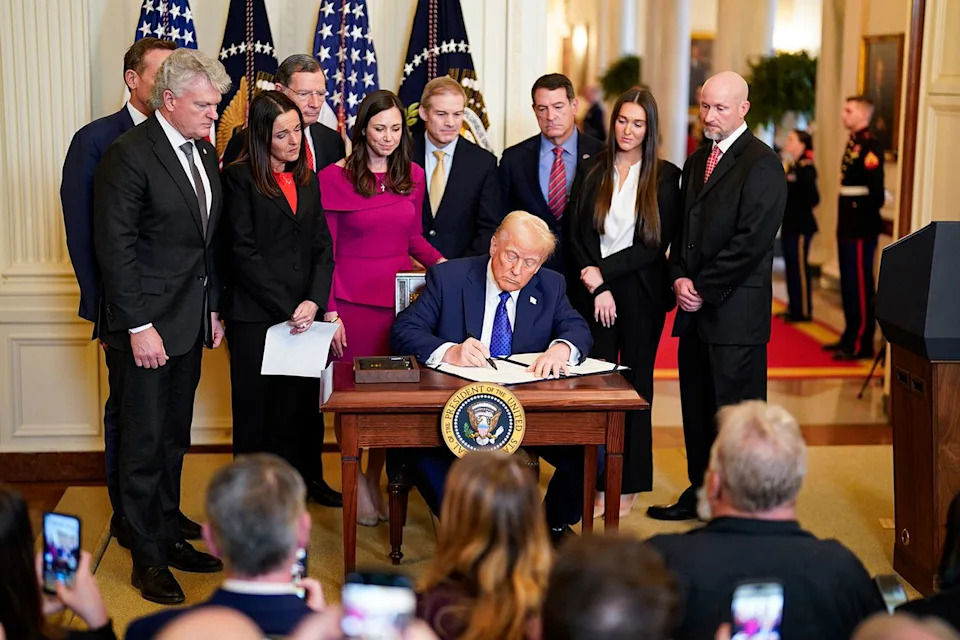
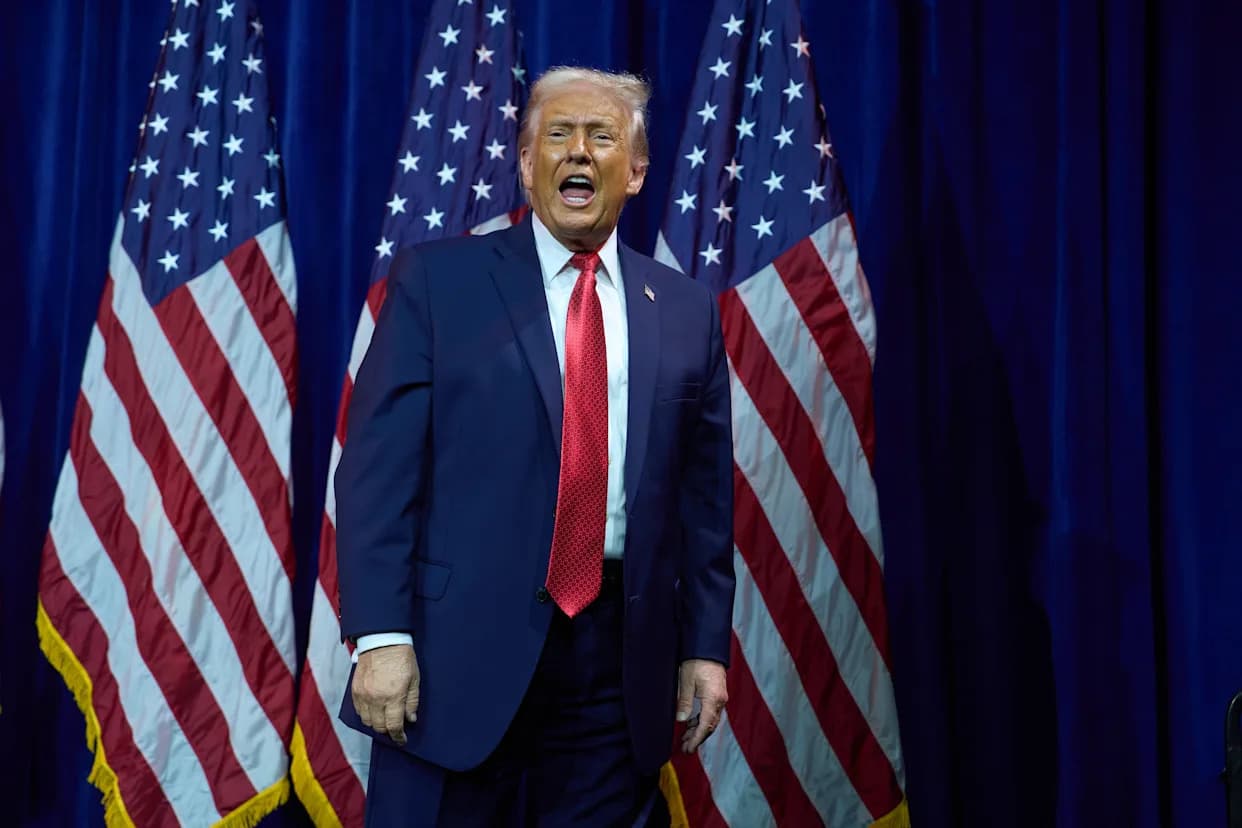
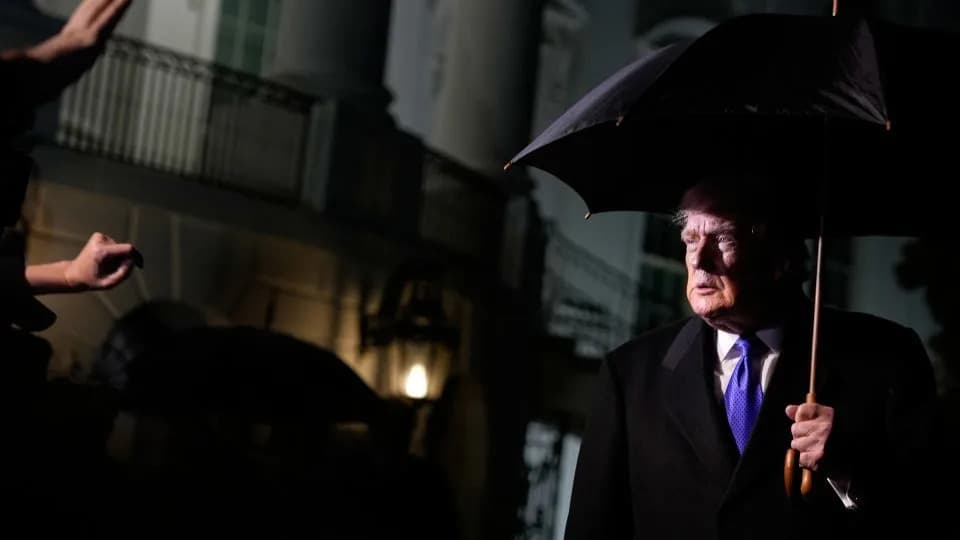
Jabin Botsford/The Washington Post via GettyPresident Donald Trump signs the Laken Riley Act at the White House on Wednesday, January 29, 2025. The bill is named in memory of a nursing student killed by an undocumented immigrant in Georgia and allows the detention of undocumented immigrants accused of theft-related crimes. It is the first legislation to get his signature since his return to the White House.
Political Fallout And The Laken Riley Act
Riley’s killing became part of the national political conversation about border security and immigration policy. President Joe Biden referenced the case in his March 7, 2024 State of the Union address, and Republican lawmakers — including then-candidate Donald Trump and Georgia Governor Brian Kemp — cited the case when arguing for stricter border measures. In January 2025, President Trump signed the Laken Riley Act into law; the legislation requires federal detention of undocumented immigrants who are arrested for theft or burglary and gives state attorneys general standing to sue the federal government over perceived enforcement failures.
Critics of using Riley’s death to push broad immigration policy pointed to research, including a 2024 National Institute of Justice study, showing that undocumented migrants were arrested at lower rates than native-born citizens for many violent and drug offenses. Opponents argued the law and political rhetoric risked politicizing a private tragedy.
Family, Community And Legacy
Riley’s family and community remembered her as a bright, compassionate student-athlete who planned to become a nurse. Her mother, Allyson Phillips, confronted Ibarra after his conviction and expressed her grief publicly. Riley’s father, Jason Riley, said he believed secure borders might have altered events but objected to his daughter’s death being used as a political cudgel, asking that she be remembered for who she was rather than as a symbol in a partisan fight.
From the surveillance footage and DNA evidence that helped secure a conviction to the national policy debate the case provoked, Laken Riley’s death has left a deep imprint on her family and community and on wider discussions about crime and immigration. Her classmates, teachers and church leaders continue to honor her memory as a promising nursing student whose life was cut tragically short.
Help us improve.