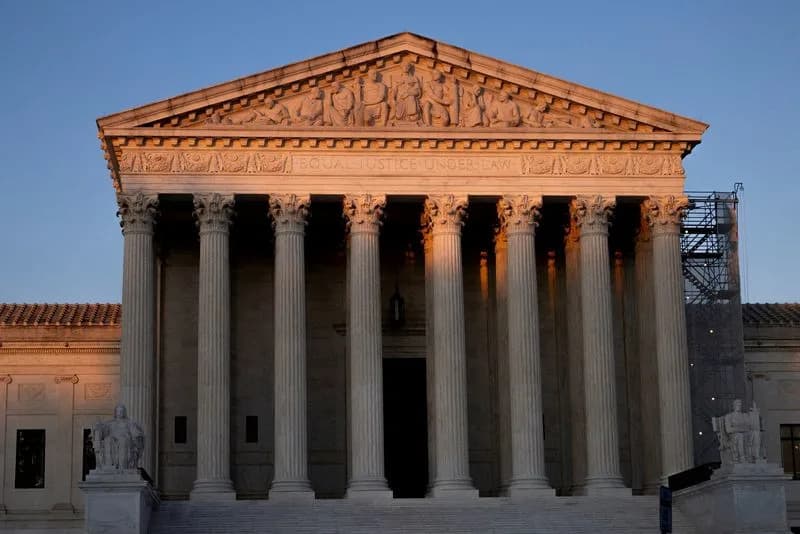
The Supreme Court will hear Trump v. Cook on January 21 to decide whether the president may remove Federal Reserve Governor Lisa Cook based on alleged mortgage inconsistencies that contemporaneous lender documents appear to contradict. Reuters reporting suggests the Georgia property in question was designated a vacation home, undermining the administration’s stated basis for removal. Given last year’s Wilcox decision treating the Fed as "uniquely structured," the Court may require a hearing and factual review; its ruling could also affect efforts to oust Jerome Powell and the independence of monetary policy.
Supreme Court to Decide Whether Trump Can Remove a Fed Governor Amid Alleged Fabricated Pretext

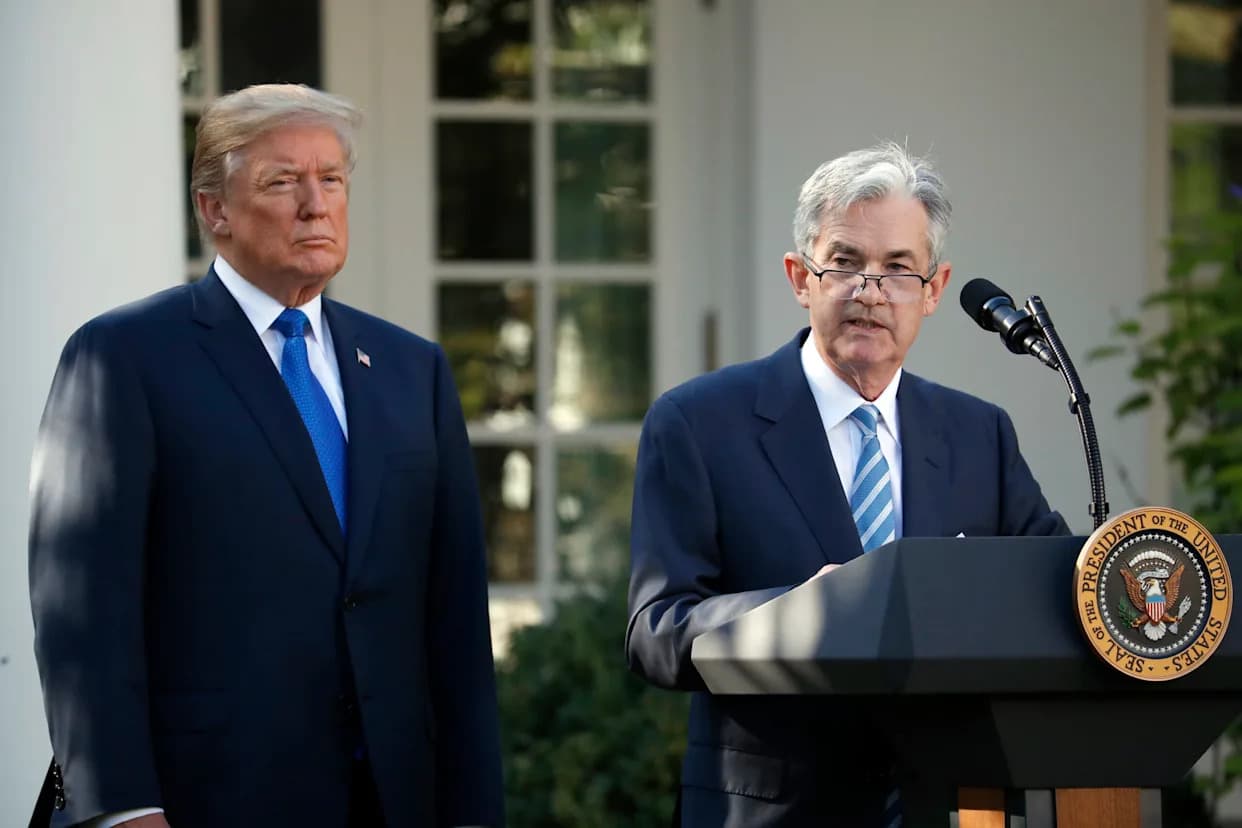
Jerome Powell posted a video message on Sunday, addressing the nation. | Chip Somodevilla/Getty Images
On Sunday evening, Federal Reserve Chair Jerome Powell released an unusually direct video statement saying the Trump administration has opened a criminal probe into him, officially linked to a dispute over renovations at a Federal Reserve building. Many legal observers view the investigation as a potential pretext to remove Powell from office amid long‑running White House criticism of the Fed’s interest‑rate decisions.
Why This Matters
The stakes are high. The Federal Reserve wields powerful influence over the U.S. economy: lowering interest rates tends to spur borrowing, spending and growth but can raise inflation, while raising rates slows the economy and lowers inflation. To protect monetary policy from short‑term political pressure, federal law generally allows the president to remove members of the Fed’s Board of Governors only "for cause."
The Cook Case
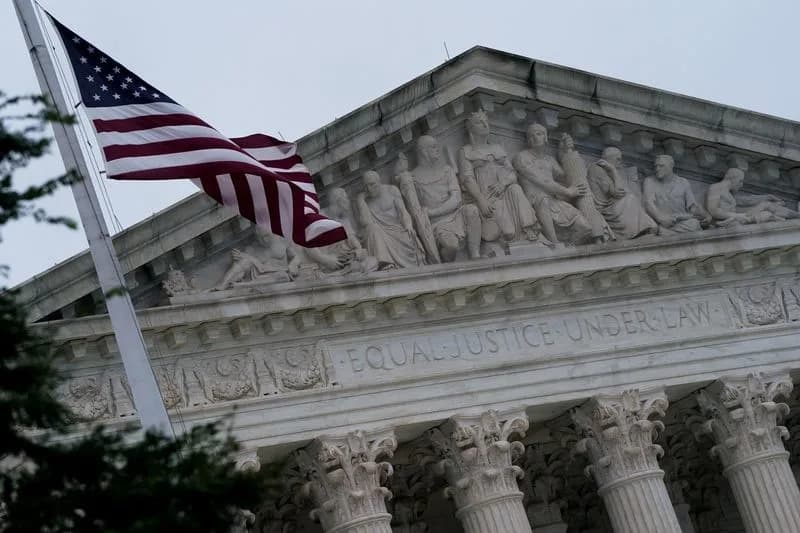
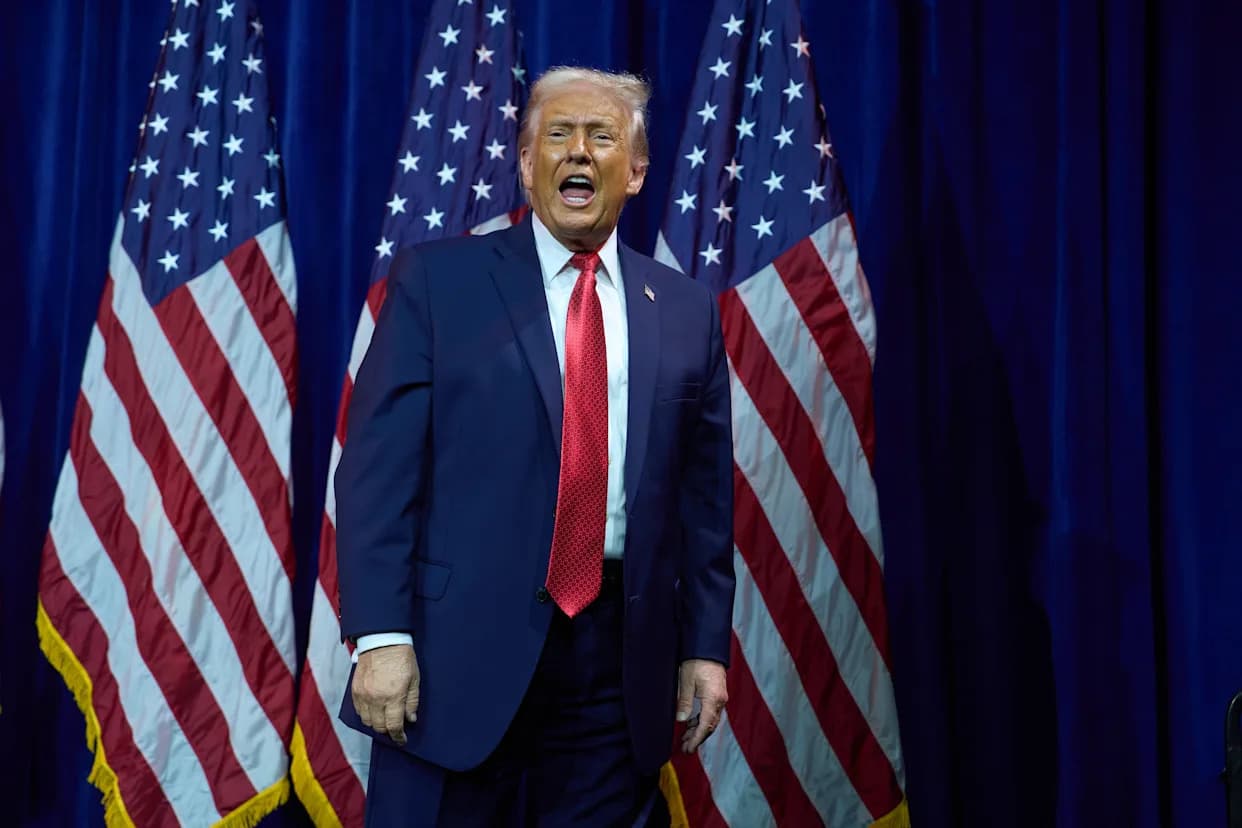
On January 21 the Supreme Court will hear Trump v. Cook, a case testing whether the administration may remove Fed Governor Lisa Cook based on what many critics say is a manufactured factual pretext. The White House alleges Cook made inconsistent statements in mortgage paperwork — claiming two different properties as her "principal residence" — and argues that this undermines her fitness to serve.
Reporting by Reuters and contemporaneous lender documents, however, indicate the Georgia property was designated in lender paperwork as a "vacation home," and that the lender’s written records appear to reflect an agreement that the Georgia property would not be Cook’s primary residence. Those documents weaken the administration’s stated basis for removal.
Legal Arguments And Precedent
Rather than disputing the factual record, the administration’s brief largely asks the courts to refrain from examining the underlying evidence. Among the arguments: the president’s removal decision is supposedly "committed to the unreviewable discretion of the President," unlawfully removed officials are not entitled to judicial relief, and Cook received sufficient process because the president asked for her resignation and waited several days before firing her.
Longstanding Supreme Court principles cut against those positions. Marbury v. Madison (1803) established that whether someone has a legal right to a federal office is a question courts can review. Due‑process protections for federal officials have also traditionally provided a route for judicial oversight of executive actions that remove them without lawful cause.
Where Wilcox Fits In
Last May’s decision in Trump v. Wilcox described the Federal Reserve as a "uniquely structured, quasi‑private entity" and signaled that the Court might treat the Fed differently from other federal agencies when it comes to at‑will removal. Critics labeled parts of the Wilcox opinion unclear, but its practical effect is to suggest that Fed governors enjoy greater protection from removal than leaders of ordinary executive agencies.
If the Court honors Wilcox’s protection for the Fed, it should at minimum permit review of the factual record and require a hearing to test whether the administration’s allegations against Cook have merit. If, instead, the Court accepts a manufactured factual pretext without meaningful review, that outcome would make it easier for future presidents to remove Fed officials — and could put Fed independence at risk.
Wider Context And Stakes
The Court’s conservative majority has in recent years endorsed broader presidential removal power in other contexts and is considering Trump v. Slaughter, a separate case that could further erode protections for independent agencies. But Wilcox indicates the justices may be wary of vesting a president with unfettered authority to remove those who shape monetary policy — a power that could be used to pursue short‑term political advantage at the expense of long‑term economic stability.
Whatever the outcome in Cook, the decision will have immediate consequences for Lisa Cook and longer‑term implications for Jerome Powell and the institutional independence of the Federal Reserve.
Bottom line: The Supreme Court’s ruling in Trump v. Cook will test whether factual pretexts can be used to remove Fed governors and will signal how much protection the Fed enjoys from political interference.
Help us improve.