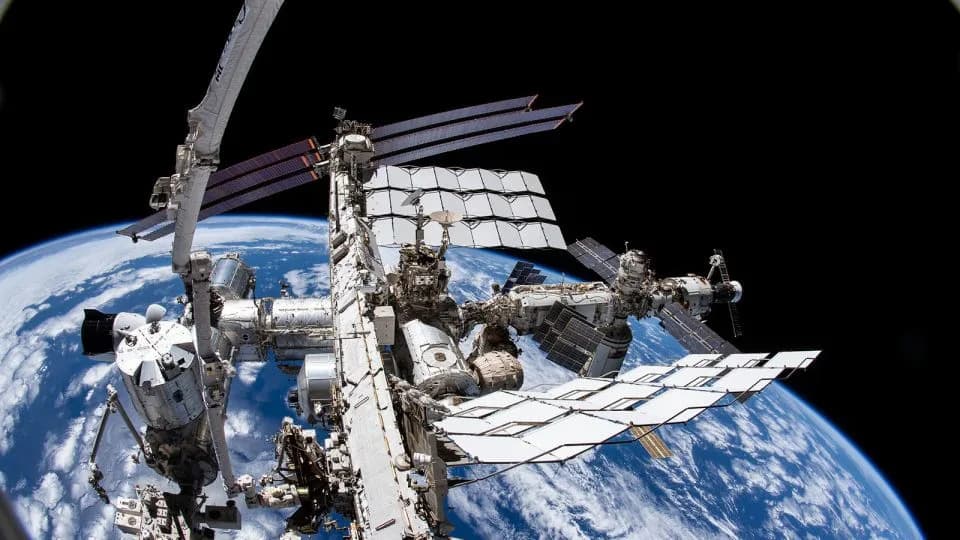
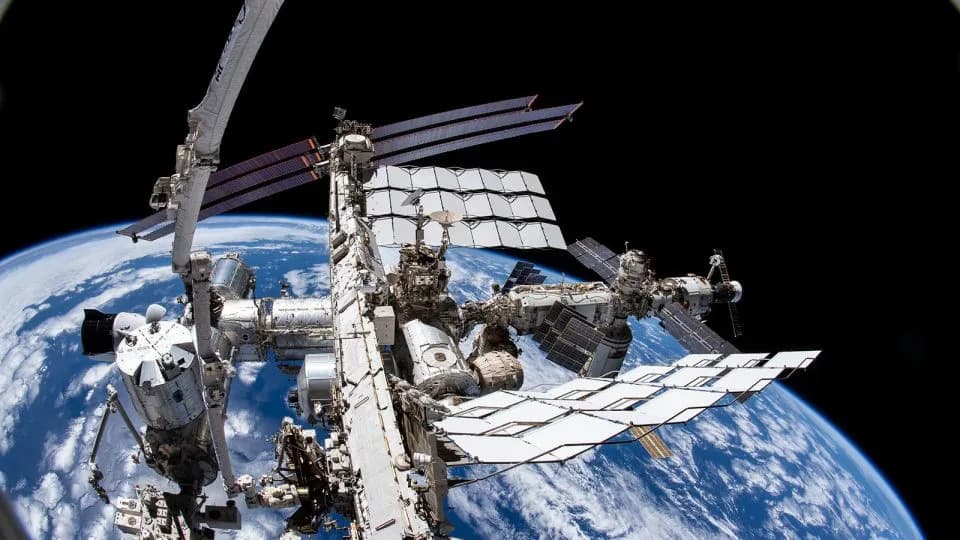
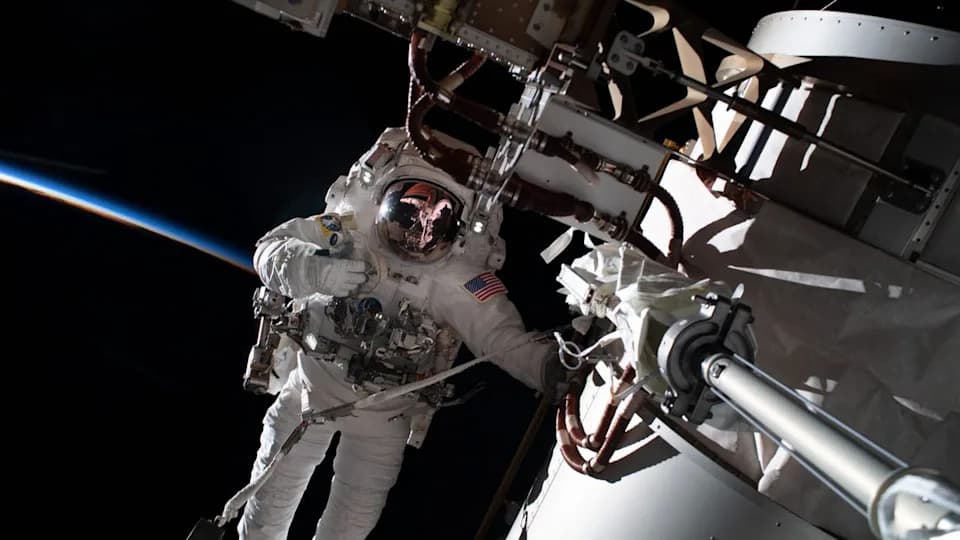
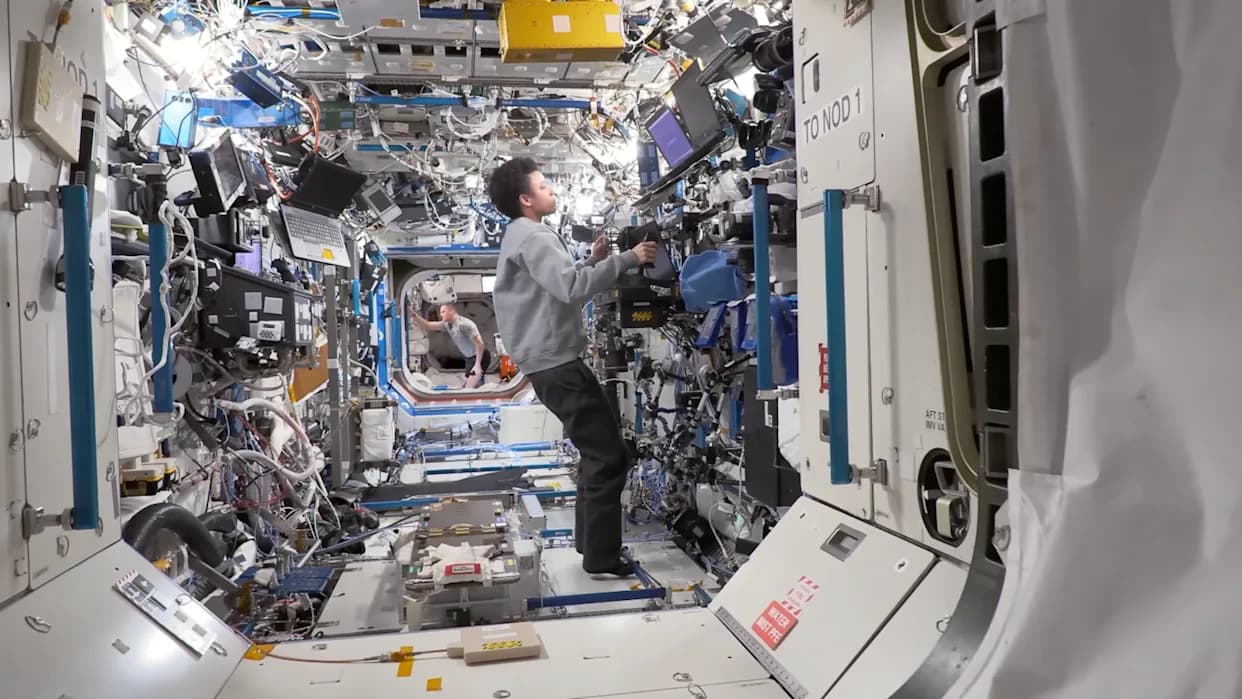
NASA announced a first-ever, partial evacuation of the International Space Station after one astronaut developed a "serious" but undisclosed medical condition. Administrator Jared Isaacman, following consultations with Dr. James Polk and agency leadership, ordered Crew‑11 to return early as a precaution. NASA set a tentative return window no earlier than 5 p.m. EST on Jan. 14 with a target landing near California on Jan. 15, but said the schedule could shift for weather or recovery reasons. Officials stressed the affected astronaut is "absolutely stable," making the evacuation precautionary rather than emergent.
NASA Orders First-Ever ISS Evacuation After 'Serious' Medical Case — Crew-11 To Return Early
NASA has announced the first emergency evacuation in the International Space Station’s 25-year history after one crew member developed a "serious" but undisclosed medical condition.
Agency leaders said the decision is precautionary: the affected astronaut is currently stable, but the medical concern is significant enough to warrant bringing part of the crew home early.
What NASA Announced
At a Thursday briefing, NASA Administrator Jared Isaacman said he decided — after consultations with Chief Health and Medical Officer Dr. James Polk and other agency leaders — to return Crew-11 ahead of schedule. To protect patient privacy, NASA declined to name the astronaut or disclose details of the diagnosis.
"After discussions with chief health and medical officer Dr. James Polk and leadership across the agency, I’ve come to the decision that it’s in the best interest of our astronauts to return Crew‑11 ahead of their planned departure," Isaacman said.
Isaacman added:
"This was a serious medical condition. That is why we’re pursuing this path."
Timing And Logistics
NASA posted on social media that the evacuation window opens "no earlier" than 5 p.m. EST on Wednesday, Jan. 14, with the goal of landing near California early on Thursday, Jan. 15. Officials emphasized the schedule could change depending on weather and recovery conditions.
Dr. Polk said the astronaut is "absolutely stable," which means the return is precautionary rather than an immediate emergency. "Because the astronaut is absolutely stable, this is not an emergent evacuation," Polk said. "We’re not immediately disembarking and getting the astronaut down, but it leaves that lingering risk and lingering question as to what that diagnosis is, and that means there is some lingering risk for that astronaut onboard."
Crew Movements
Crew‑11, led by U.S. Commander Zena Cardman, arrived at the station aboard a SpaceX capsule in August. The full manifest for the returning group includes Commander Cardman, NASA astronaut Mike Fincke, Japanese astronaut Kimiya Yui and Russian cosmonaut Oleg Platonov.
Other residents of the station — U.S. astronaut Chris Williams and Russian cosmonauts Sergei Mikayev and Sergei Kud‑Sverchkov — will remain on board and continue station operations while Crew‑11 returns to Earth.
Context And Next Steps
NASA emphasized the move is being taken to prioritize crew health and safety. Recovery teams and mission planners are coordinating the descent and landing, and officials will provide updates as conditions and timelines are refined.
Originally published by Men's Journal on Jan. 11, 2026. This article has been updated for clarity and readability.
Help us improve.