Researchers led by Subo Dong have obtained the first direct mass measurement of a rogue (free‑floating) planet by combining ground‑based observations with data from the Gaia observatory. A roughly two‑hour timing difference between the two vantage points provided the parallax needed to infer the planet’s distance and mass. The object has a mass comparable to Saturn, and the result opens a pathway to study the origins of these isolated planets. Upcoming surveys by the Nancy Grace Roman Space Telescope could find many more such worlds.
Scientists Measure the Mass of a Rogue Planet — About the Size of Saturn
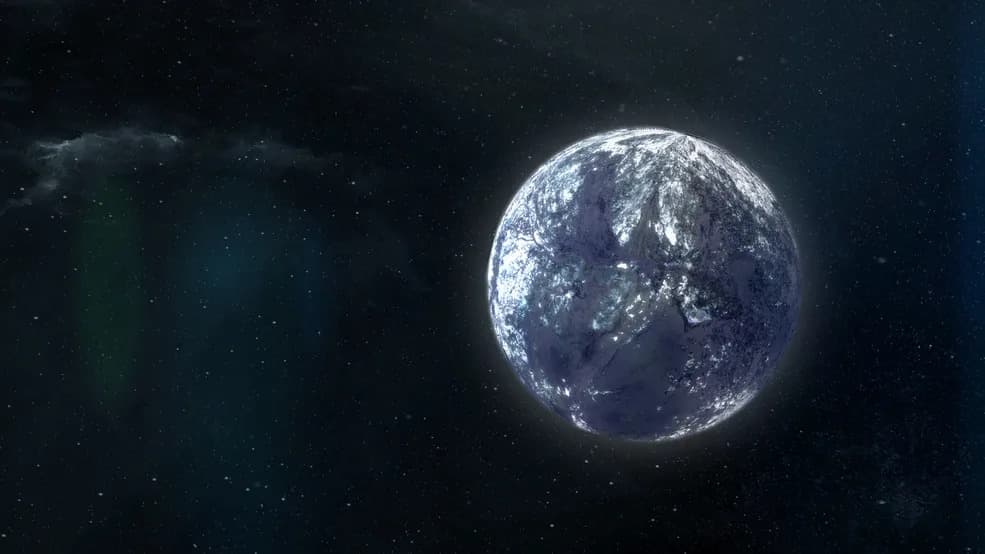
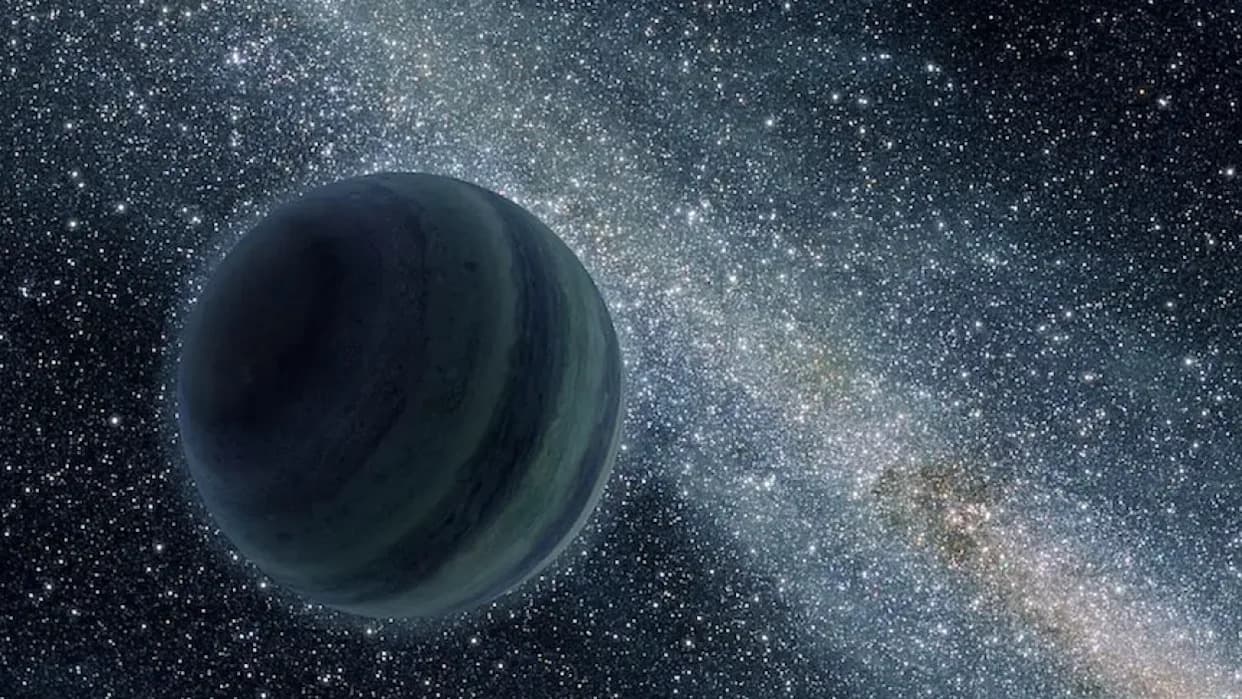
When people picture a planet, they usually imagine a world orbiting a star. But some planets wander alone through interstellar space, untethered to any sun. These "rogue" or "free‑floating" planets are notoriously hard to study because they lack a host star and a regular orbit from which scientists can infer their properties.
In a study published in Science, a team led by Subo Dong of Peking University reports the first direct mass measurement of a rogue planet. Rather than relying on orbital motion, the researchers used a gravitational microlensing event — a brief magnification of a background star’s light when a massive object passes in front of it — observed from two distinct vantage points.
How The Measurement Worked
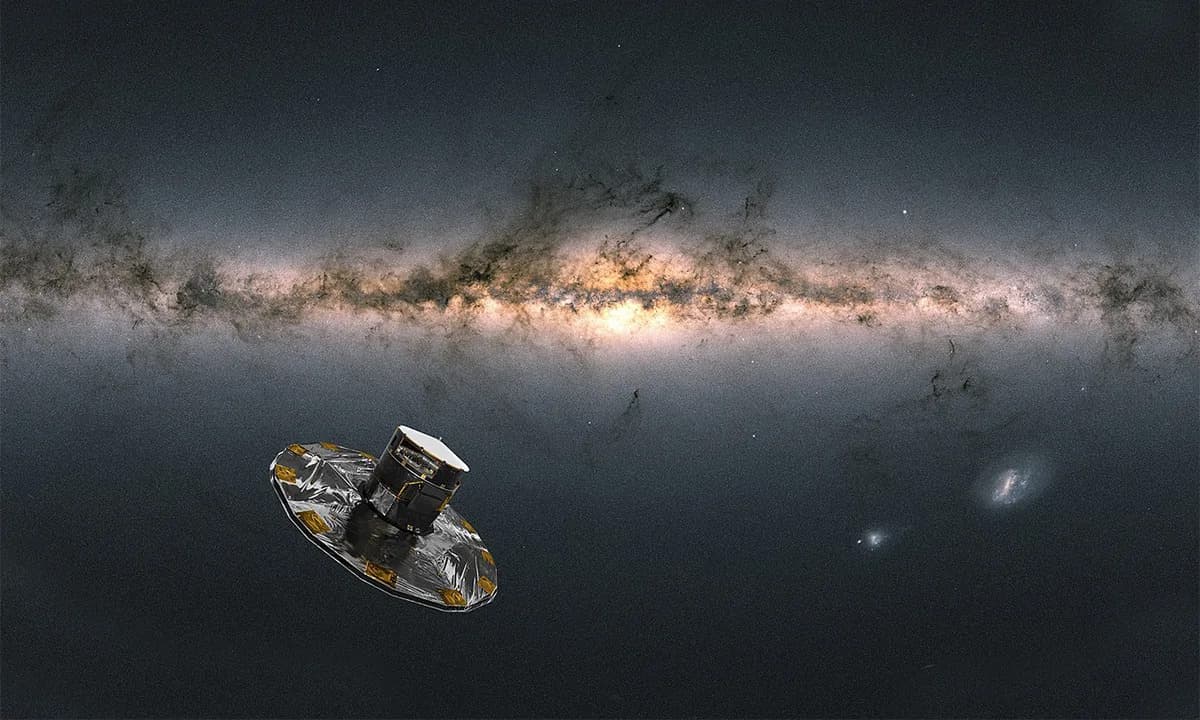
The microlensing signal was recorded from ground‑based observatories on Earth and by the now‑retired Gaia space observatory. Gaia observed the event roughly two hours after ground observers did. That timing offset provided a geometric parallax: the small difference in observation time and perspective allowed the team to infer the planet’s distance and, from that, estimate its mass.
"The technique is analogous to how our eyes judge depth," Dong explained, noting that the timing offset between the two observing locations made the mass determination possible.
The team’s analysis indicates the object has a mass roughly comparable to that of Saturn. Gavin Coleman, who wrote a related commentary in Science and was not part of the study, called the result notable: the mass estimate was only possible because the authors combined extensive ground coverage with Gaia’s separate viewpoint.
Why This Matters
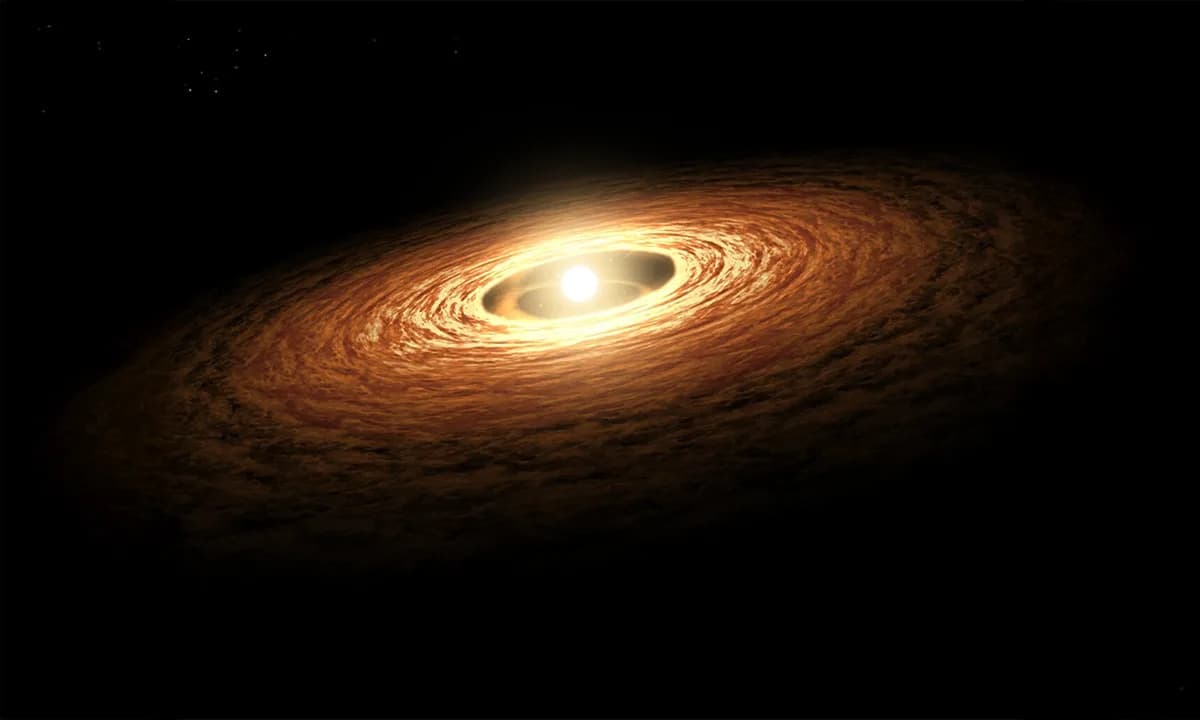
Knowing a rogue planet’s mass is a crucial first step toward understanding its origin and history. With mass estimates in hand, researchers can begin to test whether such objects formed in protoplanetary disks and were later ejected, or whether they condensed on their own in isolation.
Future observatories will accelerate this work. David Bennet, a senior research scientist at the University of Maryland and NASA, noted that NASA’s Nancy Grace Roman Space Telescope, set to launch in September, will survey the sky much faster than Hubble and could reveal hundreds of similar free‑floating planets. The method demonstrated in this study gives astronomers a practical way to estimate the masses of any such discoveries.
"The door is open to study this new, emerging population of planets," Dong said.
Help us improve.