ALMA images reveal 31 infant star systems and a simulation of the Solar System at ~1 million years. Using Gaia astrometry, researchers detected tiny stellar "wobbles" in 31 of 98 young systems that point to unseen companions — from planet-mass objects to brown dwarfs or additional stars. With Gaia retired in March, telescopes like JWST will be key to probing inner disks and confirming these early companions.
Infant Star Systems Reveal Hidden Companions — 31 Young Systems Show Signs of Planets and Brown Dwarfs

Lead image: SO, ESA/Gaia/DPAC, M. Vioque et al.
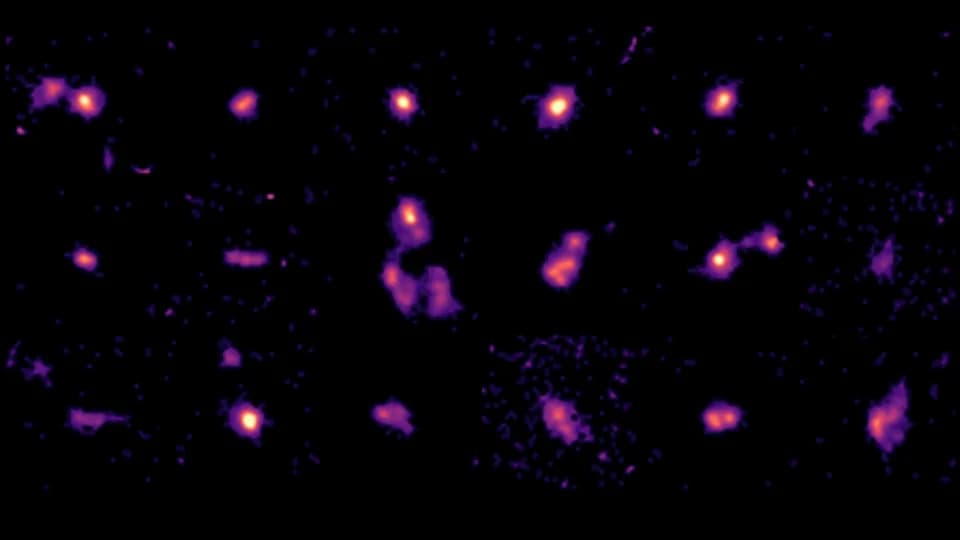
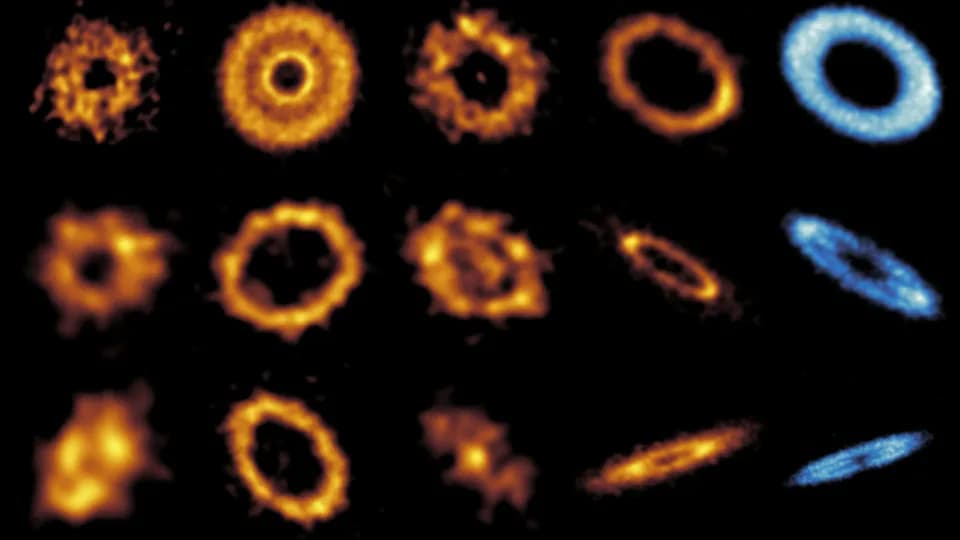
A collection of images from the Atacama Large Millimeter/submillimeter Array (ALMA) in Chile showcases 31 infant star systems, offering a rare glimpse into the earliest stages of stellar and planetary formation. In the lower-right corner of the image set is a simulation of our own Solar System at roughly 1 million years old, illustrating how disks of gas and dust flatten and evolve into stars and planetary systems.
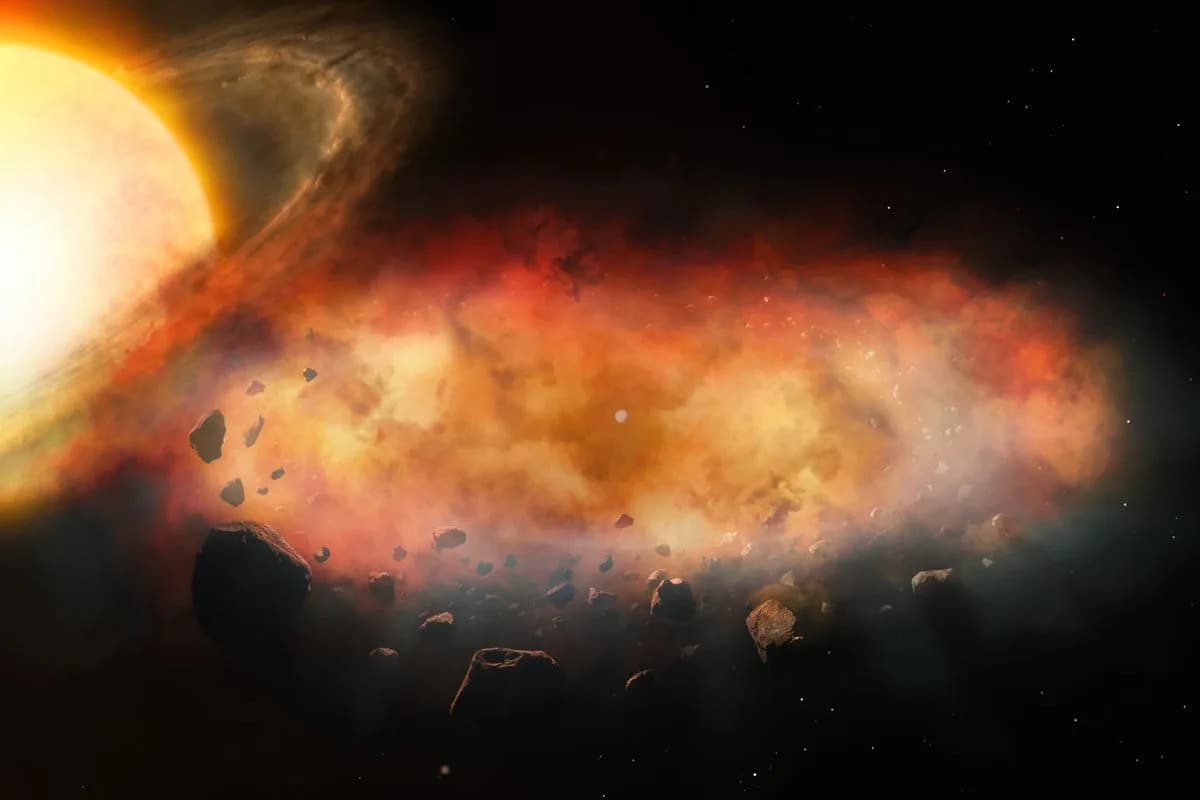
How these baby stars formed: The newborn stars at the centers of these systems condensed from massive, super-cold clumps of dust and gas that collapsed under their own gravity. Over long timescales, this material settles into rotating protoplanetary disks with dense, hot central regions that become stars, while surrounding gas and dust can coalesce into planets.
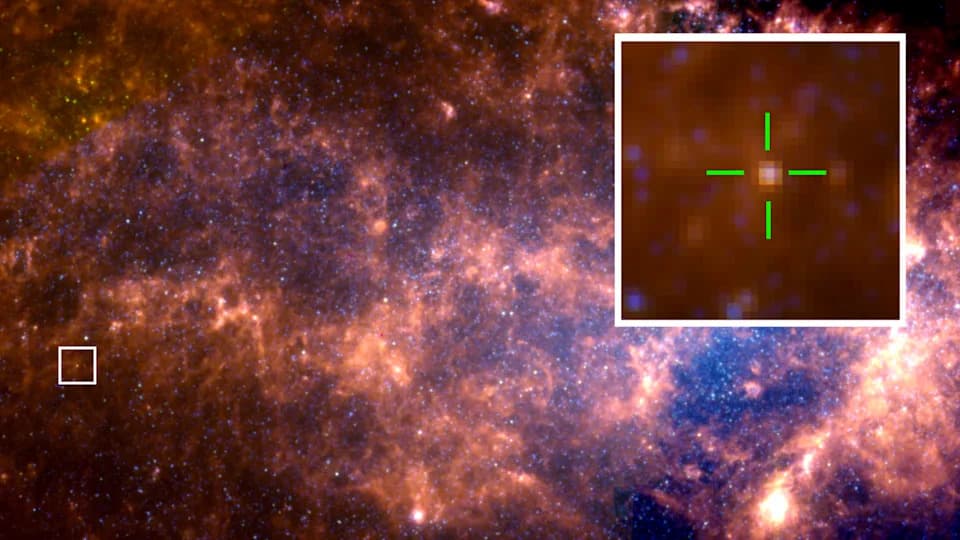
Detecting hidden companions: Observing planet formation directly is difficult because dense disk material obscures the inner regions. To get around this, an international team used high-precision astrometry from the European Space Agency’s Gaia mission to search for tiny positional shifts — the subtle "wobble" a companion induces in a host star's motion. Gaia can also reveal the gravitational influence of other orbiting objects broadly described as "companions." The team’s results are reported in a paper scheduled for publication in Astronomy & Astrophysics.
What the images show: Cyan markers on the ALMA images indicate estimated companion locations. These companions could be additional stars, objects with planet-like masses, or brown dwarfs — bodies more massive than planets but too small to sustain hydrogen fusion like true stars. In the included Solar System simulation, the cyan marker denotes Jupiter’s orbit for scale.
From a surveyed sample of 98 young star systems, the researchers detected subtle motions in 31 systems that "suggest the presence of unseen companions," according to their statement. This extends Gaia’s companion census into an earlier phase of stellar and planetary evolution than previously possible.
What comes next: Although Gaia was retired in March, powerful observatories such as the James Webb Space Telescope (JWST) can now probe the inner regions of protoplanetary disks to image or otherwise characterize these potential companions and to study the earliest steps of planet formation in greater detail.
Why it matters: Detecting companions in such young systems gives astronomers a clearer timeline for when planets and brown dwarfs appear, and how they interact with the disks that birth them.
Help us improve.