At the 17th Al Jazeera Forum in Doha, senior officials warned Israel’s Gaza campaign is undermining international law and reshaping regional power dynamics. Iran’s foreign minister called the violence genocide and urged sanctions and an arms embargo, while confirming further talks with the US. Somalia’s president and Turkiye’s communications chief warned of a wider breakdown in global governance and stressed the need for justice and regional solutions. Al Jazeera’s chair highlighted the heavy toll on journalists and reaffirmed the network’s commitment to reporting.
World Leaders Warn Gaza Campaign Threatens Global Order at Al Jazeera Forum

Iranian Foreign Minister Abbas Araghchi speaks at the 17th Al Jazeera Forum in Doha, Qatar, on Saturday, February 7, 2026 [Al Jazeera]
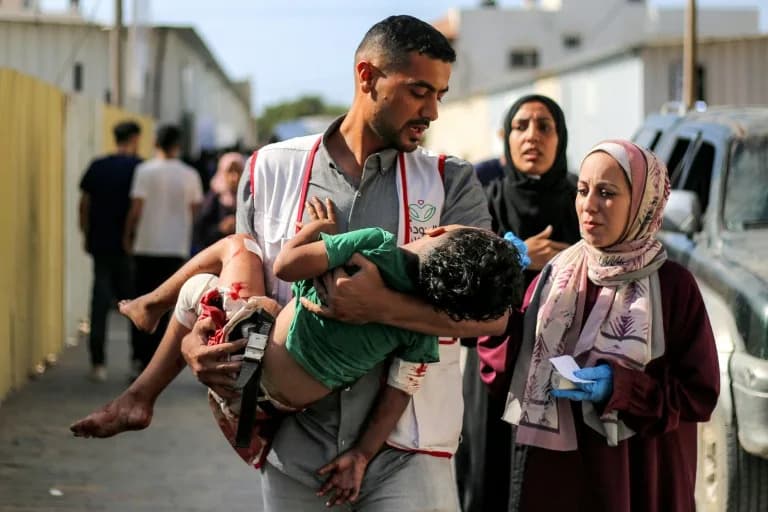
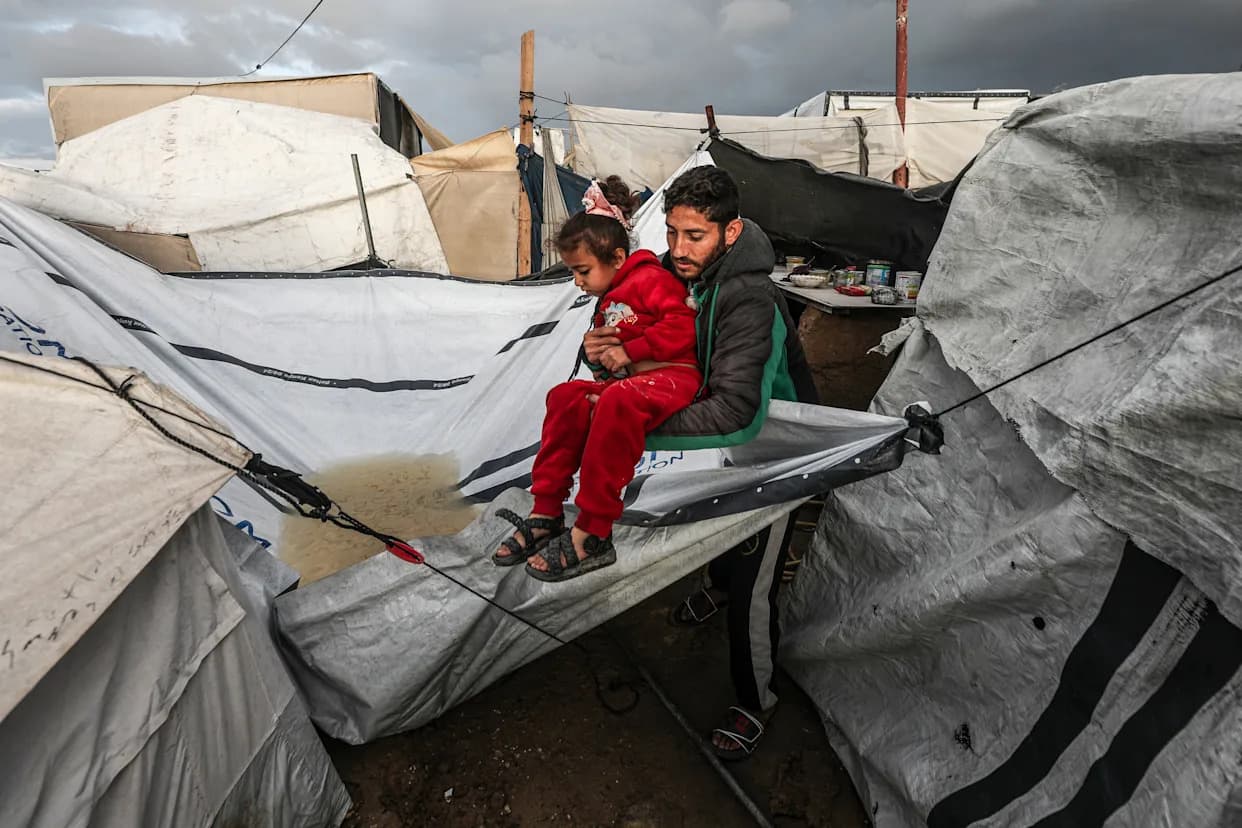
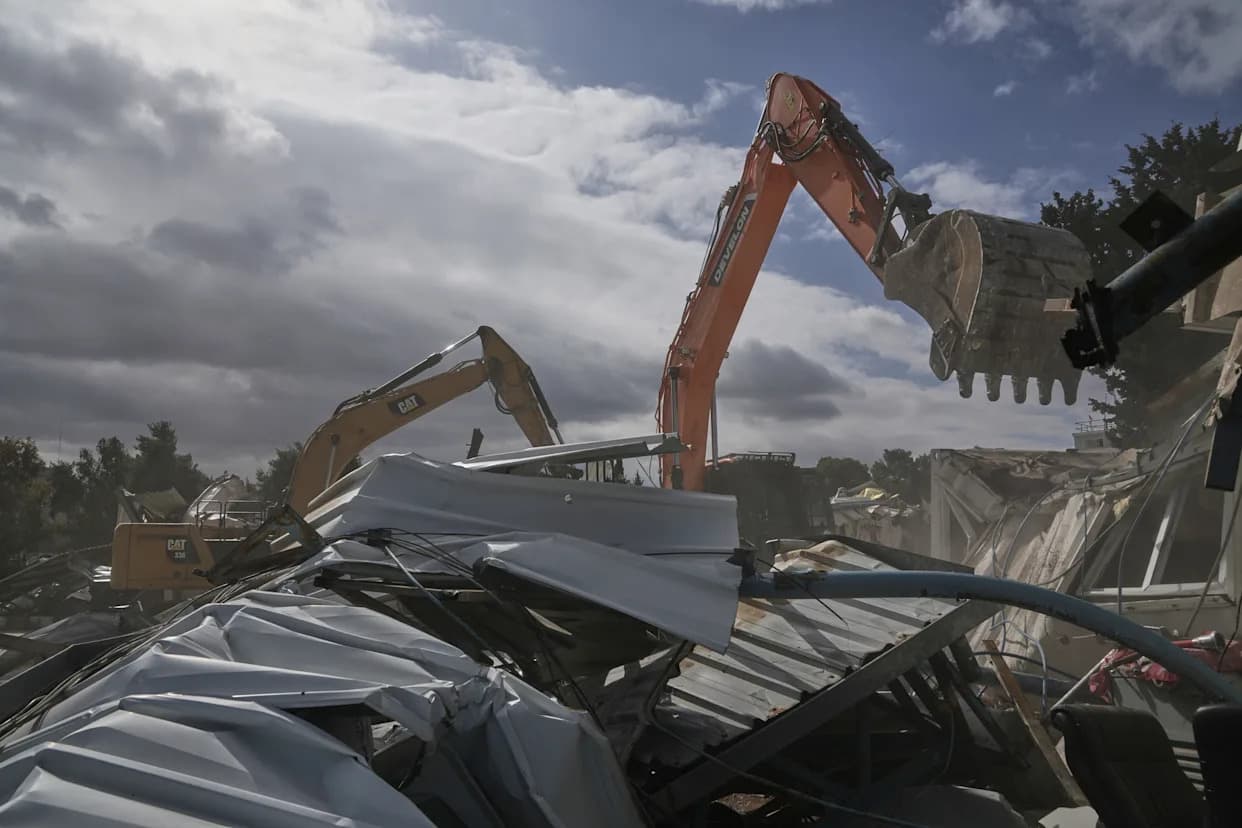
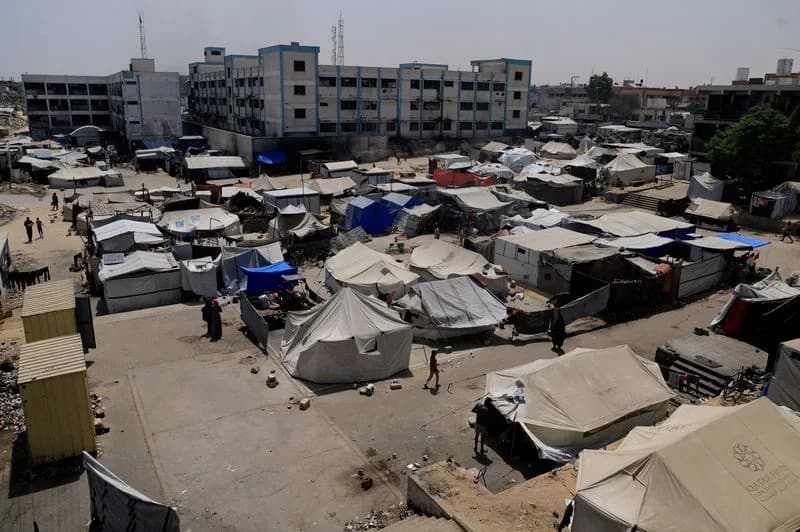
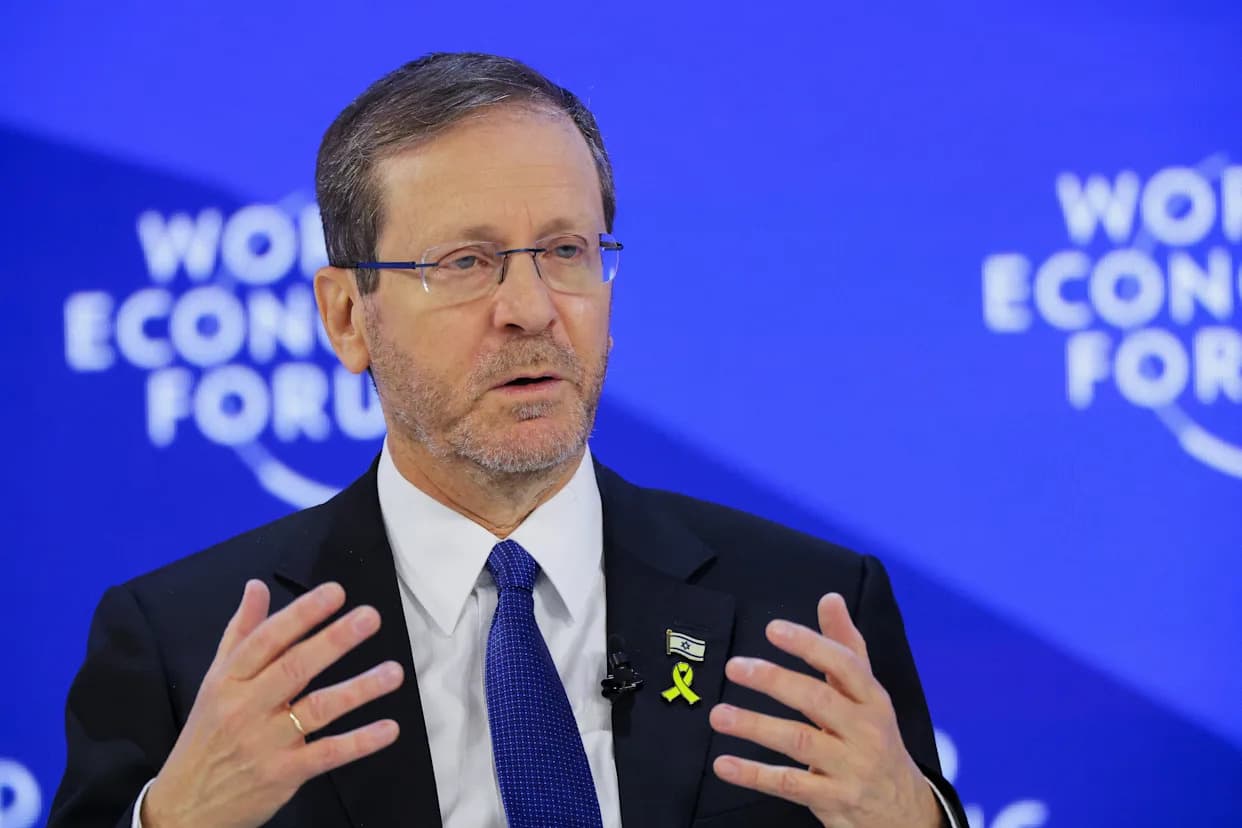
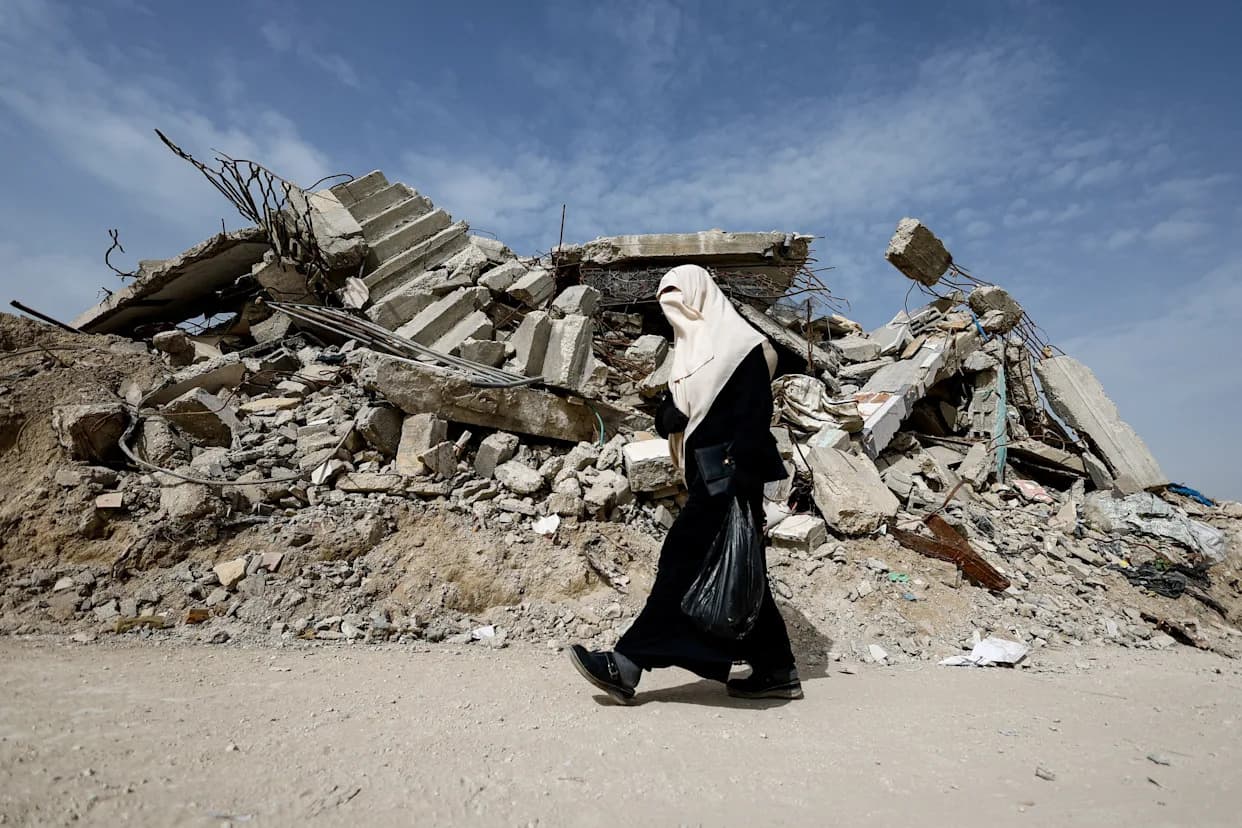
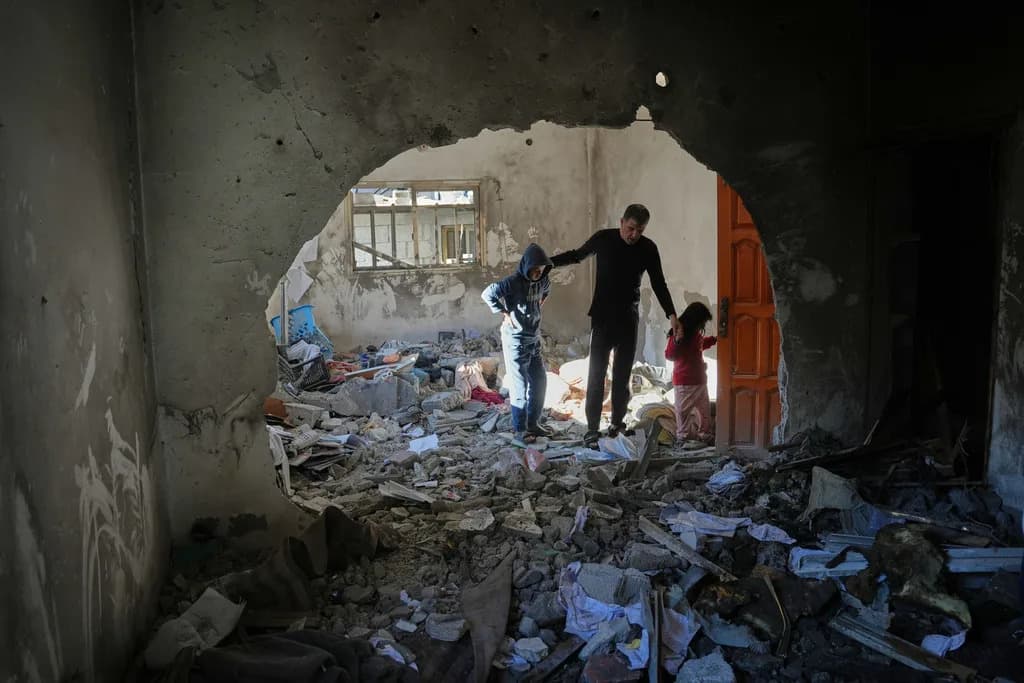
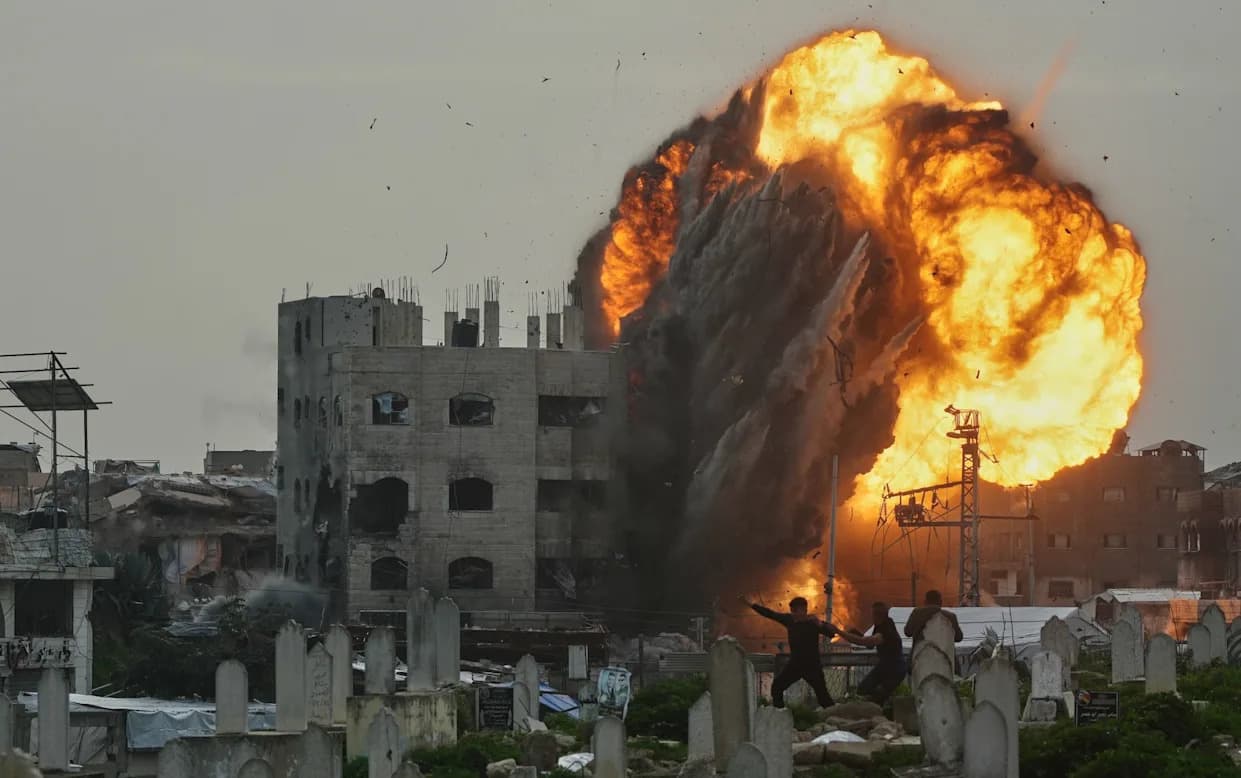
Senior officials at the 17th Al Jazeera Forum in Doha warned that Israel’s military campaign in Gaza is not only devastating for civilians but is reverberating across the Middle East and undermining established international norms. Speakers from Iran, Somalia and Turkiye described the conflict as accelerating a broader erosion of the post‑World War II international order while refocusing global diplomacy on the Palestinian cause.
Iran’s Foreign Minister Abbas Araghchi, speaking after indirect talks with the United States in Oman, framed the Palestinian struggle as the decisive strategic issue shaping the Middle East’s future. He said Israel’s operations in Gaza, and its wider regional posture, are corroding the global legal framework and accountability mechanisms.
“What we are witnessing in Gaza is not merely war… It is the deliberate destruction of civilian life on a massive scale. It is genocide,” Araghchi said, adding that the violence has “wounded the conscience of humanity.”
Araghchi warned that the fallout stretches far beyond Palestinian territory, arguing that impunity for attacks on civilians risks normalising force over law in international relations. He described Israel’s policies as part of a broader regional strategy he called an “expansionist project” intended to weaken neighbours, entrench inequality and permit unmonitored military buildup.
The minister accused Israel of staging attacks in 2025 across six countries — Palestine, Lebanon, Syria, Yemen, Qatar and Iran — and of striking aid flotillas in the territorial waters of Tunisia, Malta and Greece. He urged coordinated international measures, calling for “comprehensive and targeted sanctions against Israel, including an immediate arms embargo,” suspension of military and intelligence cooperation, and legal accountability for breaches of international law.
Araghchi also confirmed that Tehran and Washington had agreed to hold a second round of talks, with timing still to be set. He cautioned that confrontation with the United States remains a possibility, but said Iran is prepared for both peace and, if necessary, war. He added a regional reassurance: Iran would target US forces in the region only in retaliation to a US attack, not the countries hosting them.
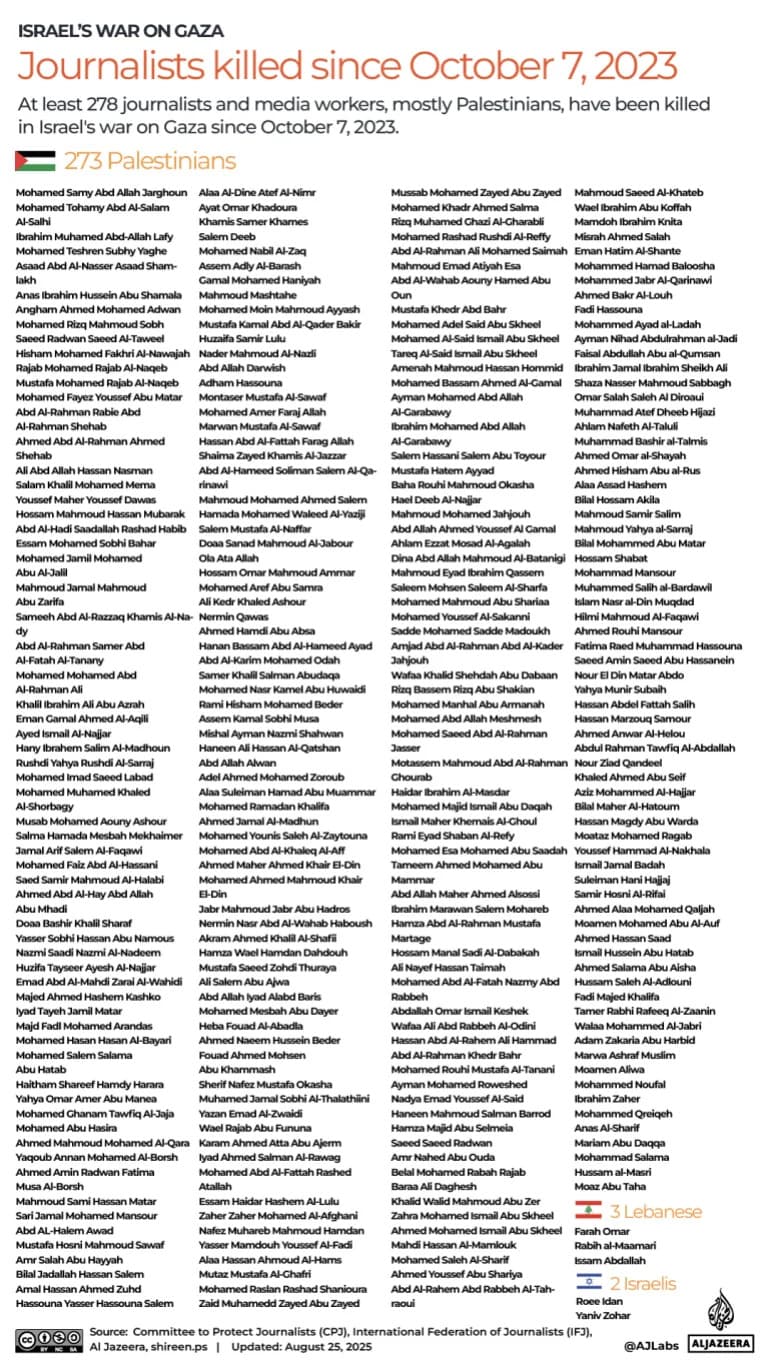
Al Jazeera’s chairman, Sheikh Hamad bin Thamer bin Mohammed Al Thani, opened the forum by saying Israel’s assault marks a turning point for the Palestinian issue. He warned that occupation policies aim to permanently alter realities in Gaza and the West Bank, displacing populations and preventing the creation of a Palestinian state. He also paid tribute to journalists killed while covering the conflict and reiterated the network’s commitment to independent reporting.
Somali President Hassan Sheikh Mohamud told the forum that the Gaza war and rising tensions in the Red Sea reflect a broader breakdown in global governance. He described the Palestinian crisis as “another level of inhumane engagement in the history of the world” and warned that failure to secure a fair, durable two‑state solution will prolong instability regionally and beyond.
“Key among the global concerns is the weakening of the established rules based on international order. That order is not intact any more,” Mohamud said, adding that post‑World War II institutions face grave threats as power increasingly replaces the rule of law.
Mohamud criticized Israel’s recognition of Somaliland as “reckless” and illegal under international law, saying the move threatens African stability, trade routes and the security of the Red Sea. He repeated earlier claims that Somaliland had discussed accepting displaced Palestinians in return for recognition, a claim Somaliland officials have denied.
Burhanettin Duran, head of Turkiye’s Directorate of Communications, said Gaza exposes a historic rupture in international politics — institutions designed to prevent atrocities are failing, he warned, and modern conflicts are fought not only on battlefields but through narratives and digital platforms.
“Genocide, in the case of Israeli genocide … has returned to the centre of international politics, not as an exception, but as a tolerated reality,” Duran said, calling for justice as the organising principle of international relations.
Duran urged greater regional ownership of crises and emphasised mediation and stabilisation efforts, stressing that ending the war in Gaza and preventing forced displacement must be priorities for regional powers.
Outlook: Forum speakers called for coordinated diplomatic and legal responses, greater accountability for attacks on civilians, and renewed international commitment to rules‑based order. They warned that without action, the conflict risks further destabilising the region and eroding global institutions meant to prevent mass atrocities.
Help us improve.