Summary: The released Epstein archive — comprising millions of documents, images and videos — shows how Jeffrey Epstein built two parallel networks: one that trafficked and abused teenage girls and another that cultivated access to wealthy and influential figures. The files document invitations, private flights and property bookings, including records tied to Little St. James, and include testimony of severe abuse. Investigations and civil claims continue, and authorities in multiple countries are pursuing leads arising from the records.
How Jeffrey Epstein Ensnared the Global Elite: Flatter, Connect, Reward, Repeat

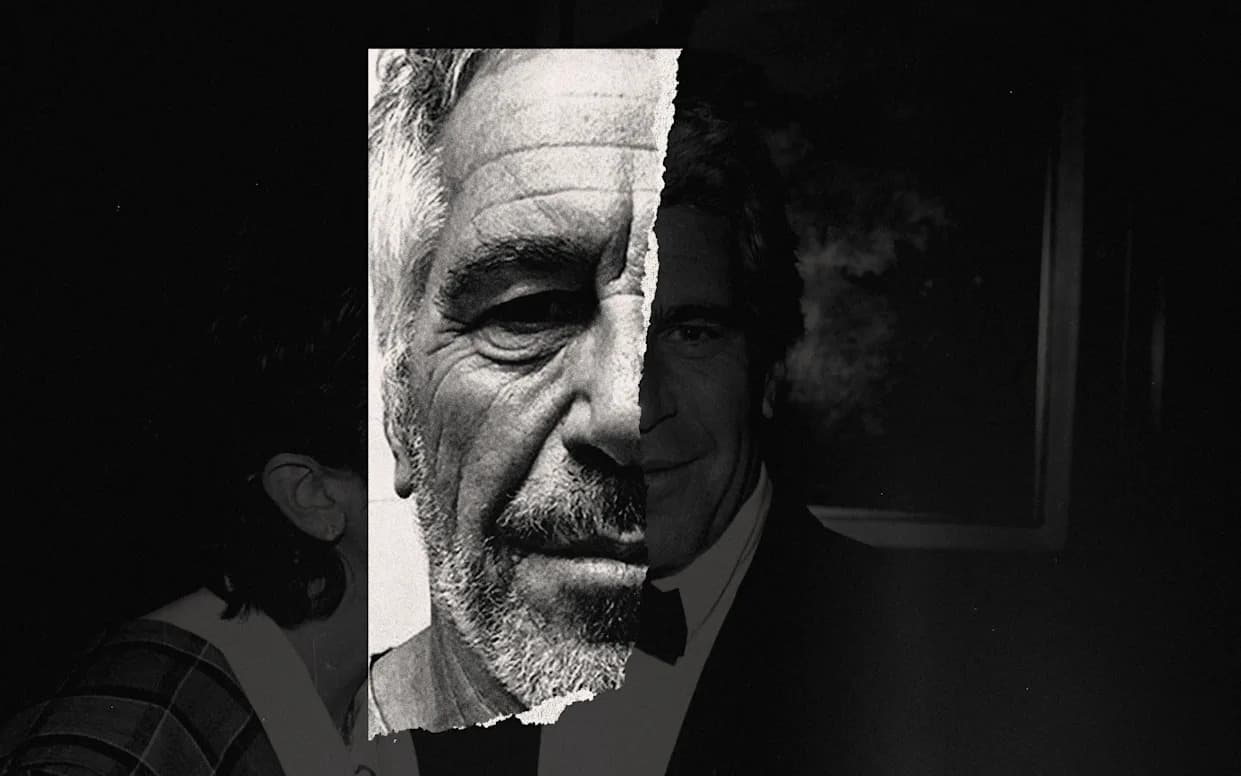
Epstein graphic
On Oct. 11, 2013, Thorbjorn Jagland stepped through the mahogany doors of the Norwegian Nobel Institute in Oslo and mounted the podium. Surrounded by television cameras, the Nobel Committee chair praised the Organisation for the Prohibition of Chemical Weapons (OPCW) and presented that year’s Peace Prize. A banquet and torchlit procession followed.
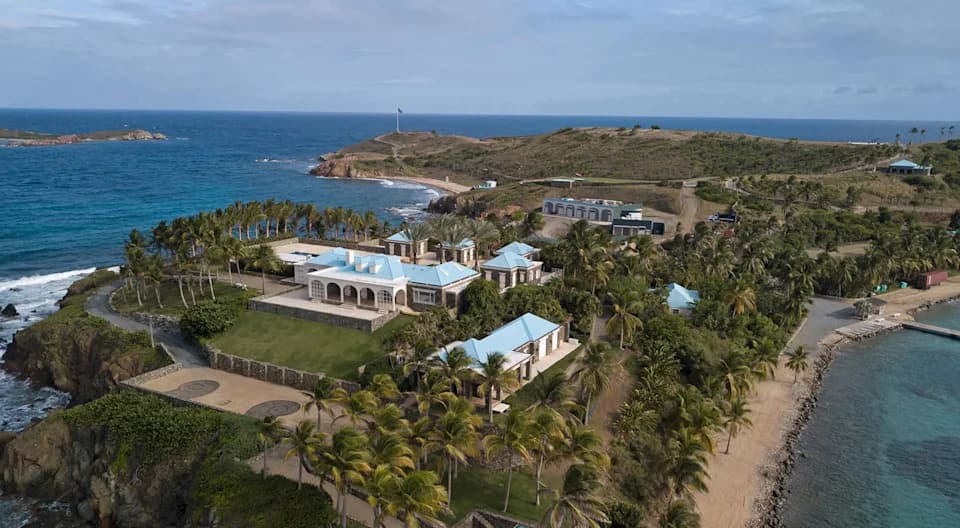
Three days later, Jagland emailed Jeffrey Epstein to ask whether he might visit Little St. James, the small Caribbean island long associated with allegations that Epstein sexually abused underage girls over many years. Epstein replied: "I can arrange tickets. Xmans [sic] present."
What the Files Reveal
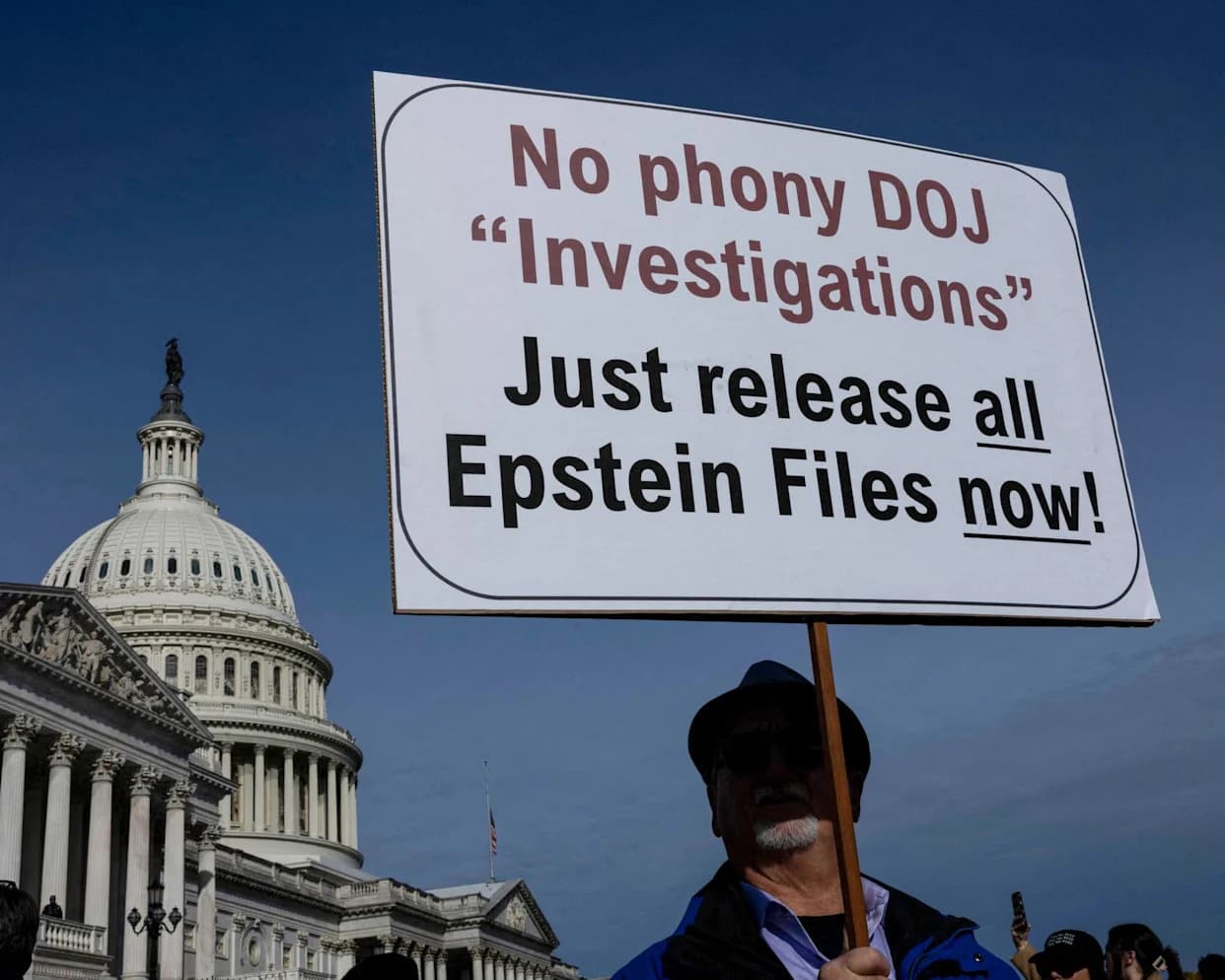
The public Epstein archive now contains millions of documents, images and videos. Many pages are heavily redacted, but the material maps how Epstein — a once‑broker and convicted sex offender who died in custody in 2019 — cultivated two overlapping networks: one that trafficked and exploited teenage girls, and another that cultivated access to the world’s wealthy and influential.
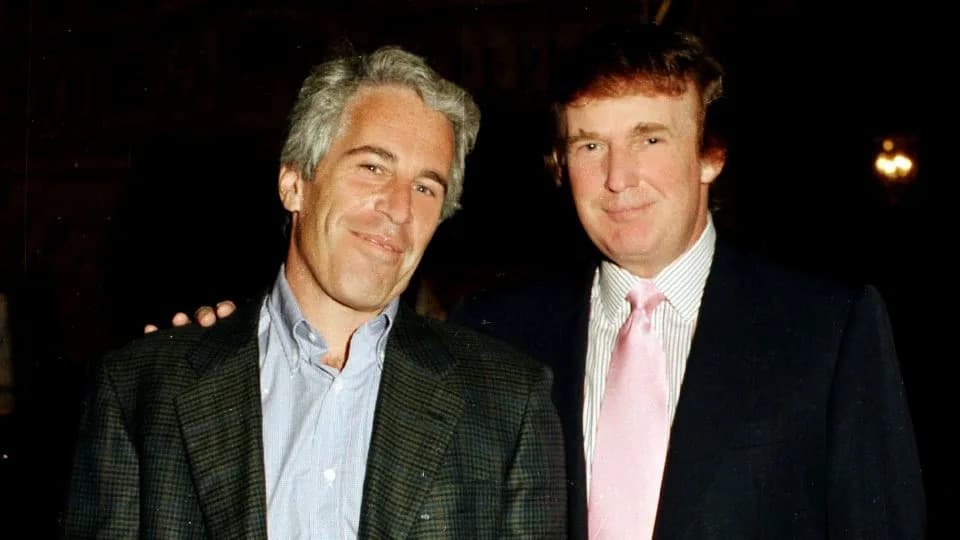
Epstein used charm, gifts and access to build those relationships. His New York townhouse, his homes in Paris and Palm Beach, and his private island near St. Thomas became venues for intellectual conversation, glamour and, according to victims’ testimony and settled claims, routine sexual abuse. High‑profile visitors named in the files include technology and finance figures, politicians, academics and celebrities — though many entries are redacted or remain unproven.
Methods: Flattery, Access, Reward
Documents and witness statements show a pattern: Epstein offered introductions, travel and exclusive experiences to prominent guests while recruiting and coercing young women and girls through recruiters and model‑scouting tactics. Victims describe confiscated passports, enforced dieting, repeated sexual assault and emotional coercion. In civil settlements and sworn testimony, survivors have described being raped daily on the island and elsewhere.
“I collect people, I own people, I can damage people,” Epstein allegedly told one former associate, according to reporting in Vanity Fair.
High‑Profile Connections And Financial Claims
Epstein cultivated relationships with wealthy patrons and advisers. He presented himself as a financial expert while extensive reporting and legal filings have described alleged fraud, misappropriation and manipulative behaviour toward clients. Two longstanding links noted in the files are to Les Wexner and Leon Black; both men have denied knowledge of Epstein’s crimes, and Black reached a multimillion‑dollar settlement in 2023 related to litigation tied to Epstein’s network.
Epstein’s correspondence also shows efforts to leverage one contact to reach another: inviting luminaries to social gatherings, arranging private flights and sometimes seeking help on legal or political matters, such as an inquiry about Karim Wade or potential access to Russian officials. In some cases, public figures named in the documents have denied wrongdoing; in others, investigations are ongoing.
The Jagland Case And Ongoing Inquiries
Emails and booking records in the archive link Thorbjorn Jagland — former Norwegian prime minister, former Council of Europe secretary‑general and former Nobel Committee chair — to Epstein. The exchanges show Jagland requesting help with speaking engagements, discussing travel and making candid remarks about women. Jagland has denied any dealings with underage girls and says he did not visit the widely discussed island; Norwegian authorities have opened a probe into possible aggravated corruption related to gifts, loans or travel.
Authorities in the U.S. Virgin Islands, the U.S. Department of Justice and other jurisdictions have pursued civil claims and criminal investigations connected to Epstein’s conduct. The U.S. Virgin Islands reached a $105 million settlement with Epstein’s estate over abuse claims. Many questions remain: who else benefited, what was known and when, and which names hidden behind redactions will surface as inquiries continue.
Why It Matters
The Epstein files highlight how influence, wealth and secrecy can enable abuse. They also illustrate the legal and ethical dilemmas posed when the powerful intersect with criminality: reputations, careers and institutions can be tested long after abuse has occurred. As investigators and journalists continue to examine the trove of documents, more revelations and potential legal consequences are likely.
Note: This article summarizes reporting and court filings. Many individuals named in the files deny involvement in criminal activity; allegations against private individuals in this article are described as reported, alleged or under investigation where appropriate.
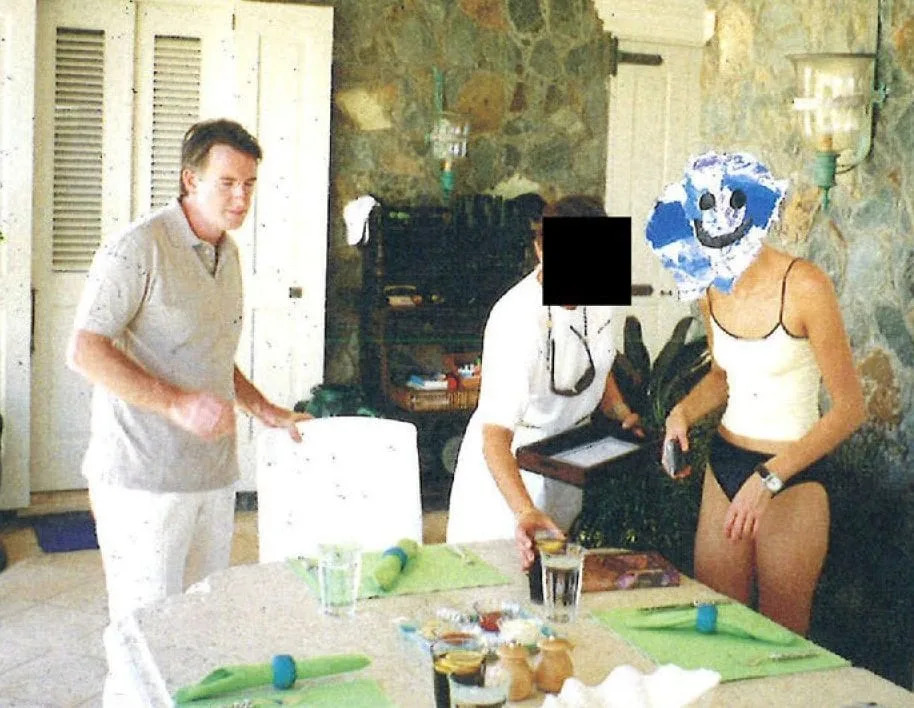
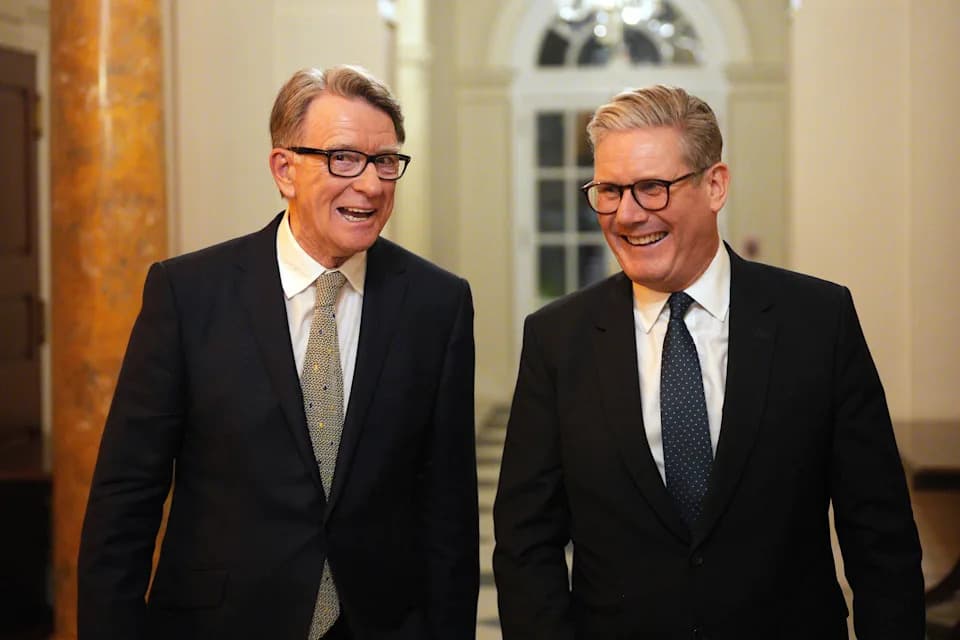
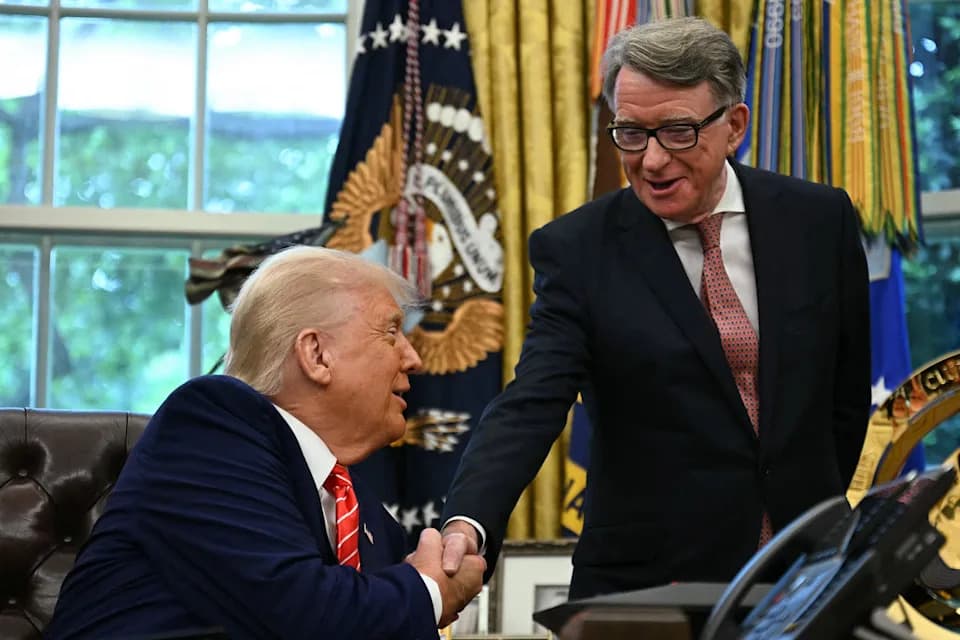
Lord Mandelson is among the big names ensnared in Epstein’s web
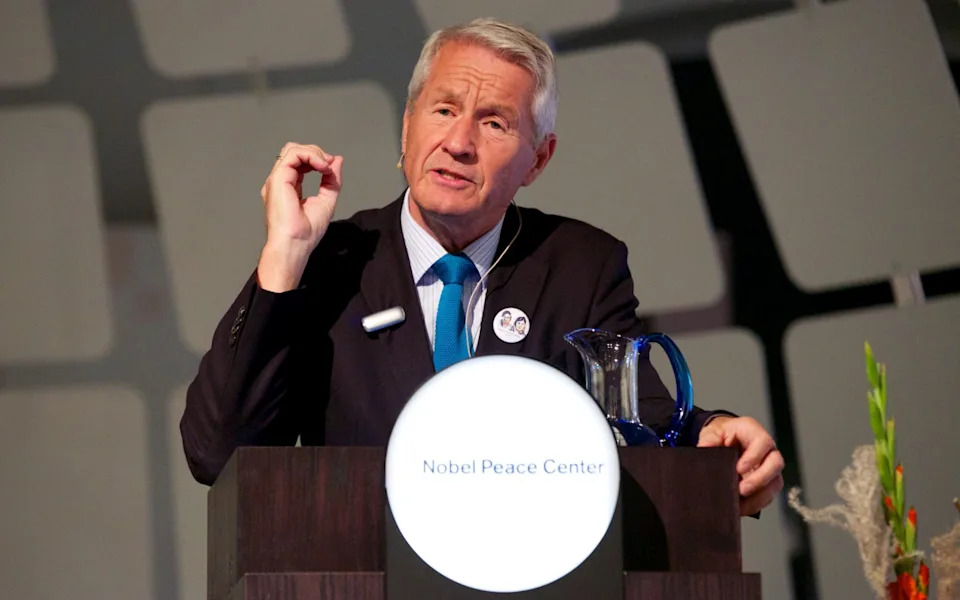
Thorbjorn Jagland is a former prime minister of Norway and chairman of the committee which appoints the Nobel Peace Prize - Ragnar Singsaas/Getty
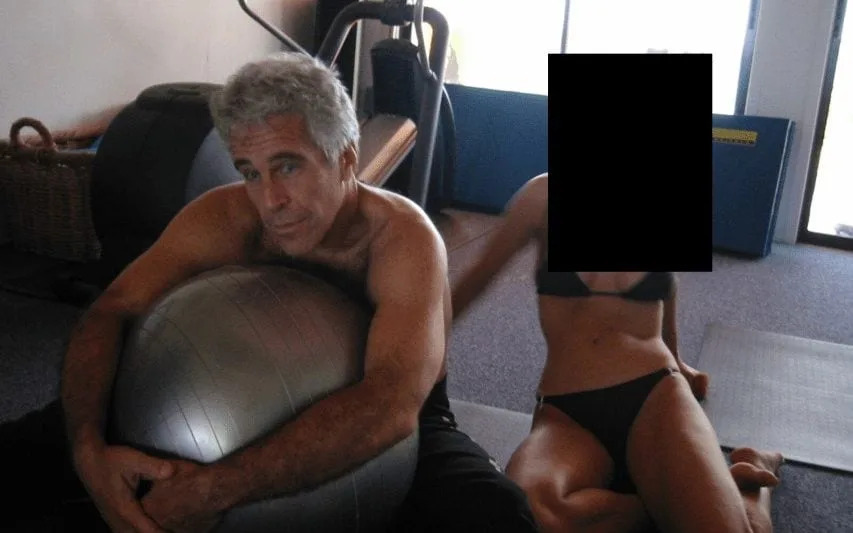
Some of Epstein’s guests are believed to have turned a blind eye to his paedophilia
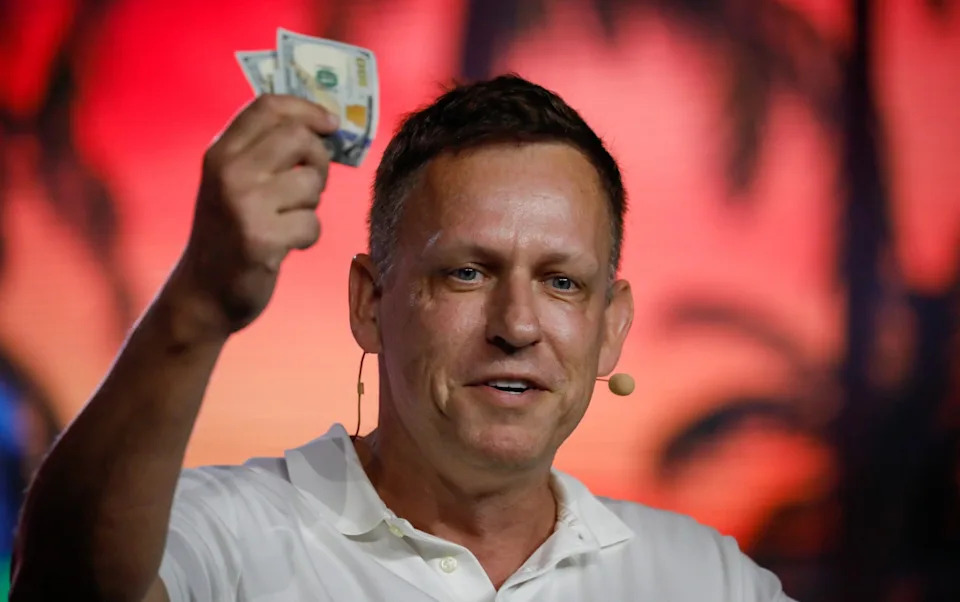
Peter Thiel, the billionaire venture capitalist, was one of Epstein’s contacts - Eva Marie Uzcategui/Bloomberg
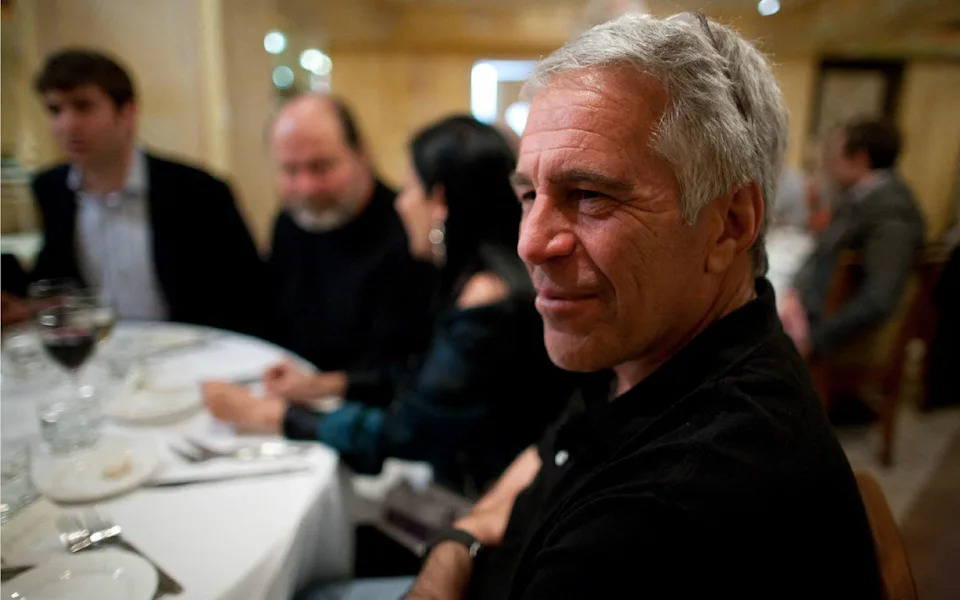
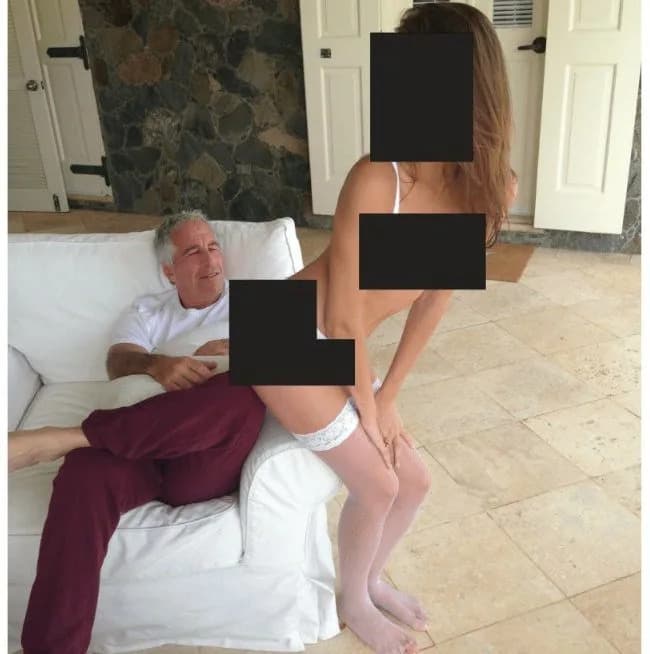
Jeffrey Epstein died in prison in 2019 - Reuters
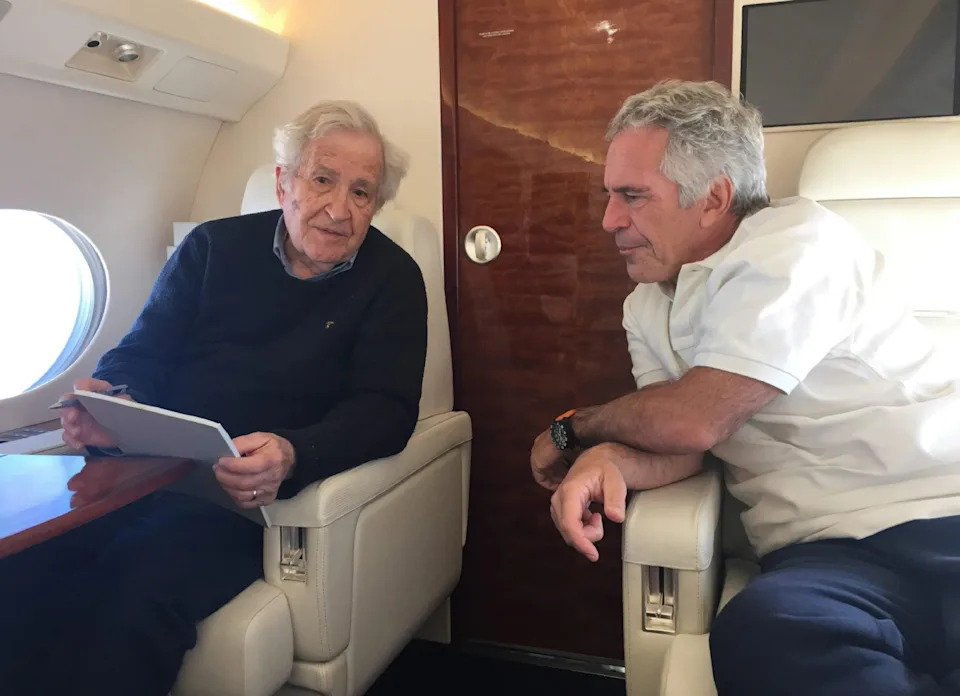
Epstein (right) with Noam Chomsky, the philosopher, to whom he suggested a dinner with Thorbjorn Jagland - AP
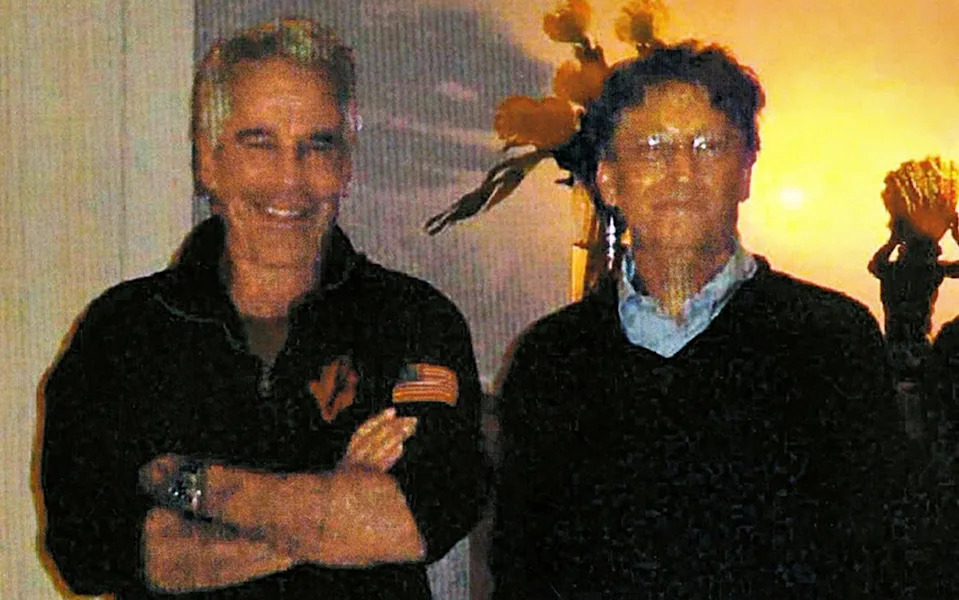
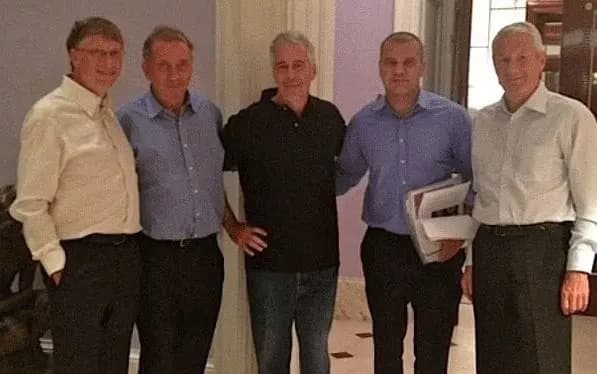
Bill Gates, the Microsoft founder, was among Jeffrey Epstein’s famous associates and was pictured in the files released by the US justice department - NYT

It has been rumoured Epstein was a Russian agent but the released files show him failing to arrange a meeting with Vladimir Putin
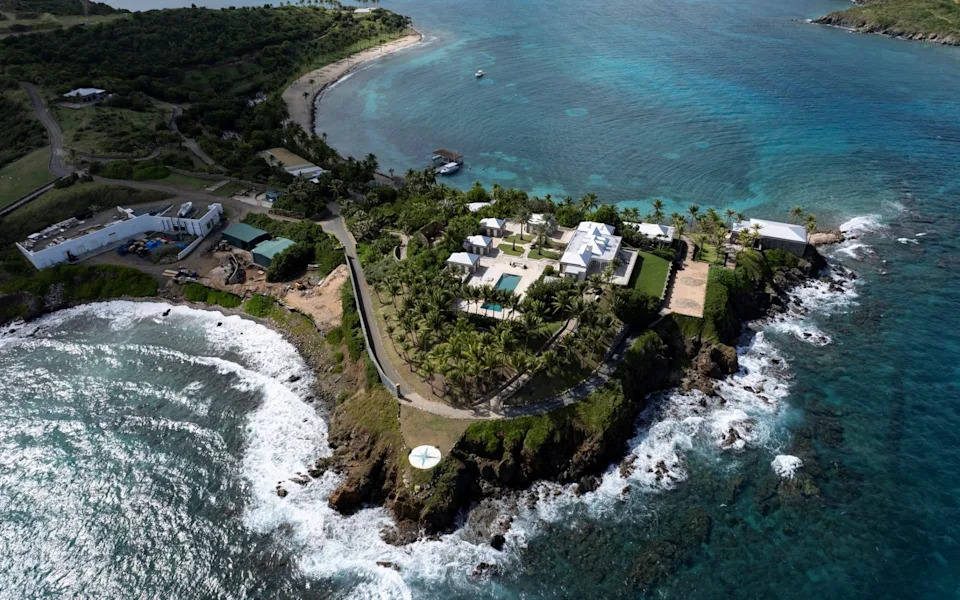
Little St James, Jeffrey Epstein’s private island, was the scene of many of his crimes against women - Marco Bello/Reuters
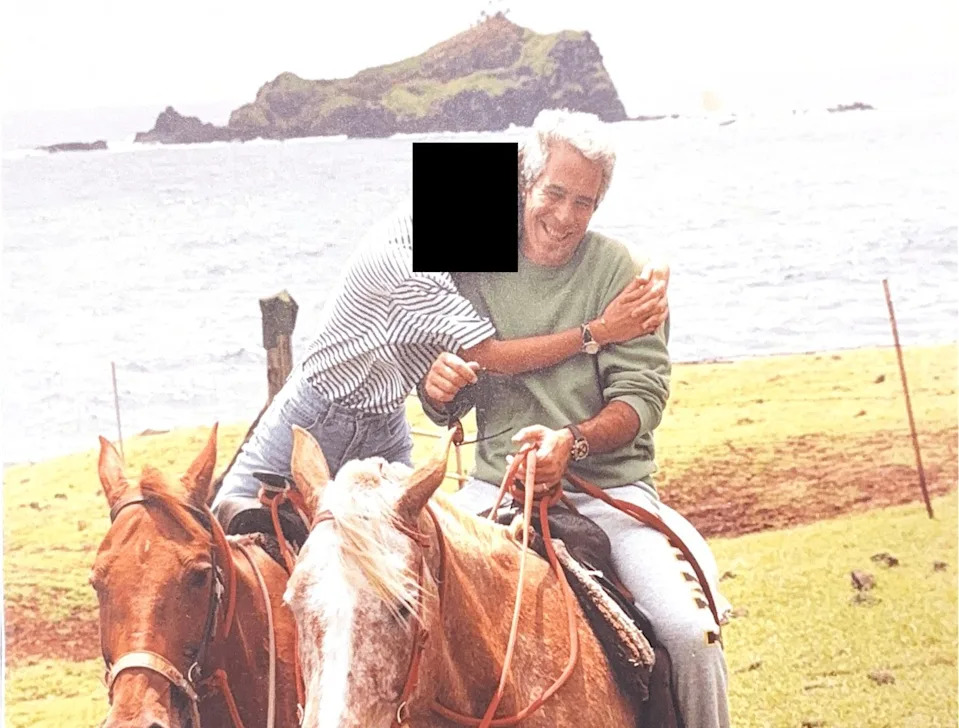
Epstein entertained guests on his private island of Little St James
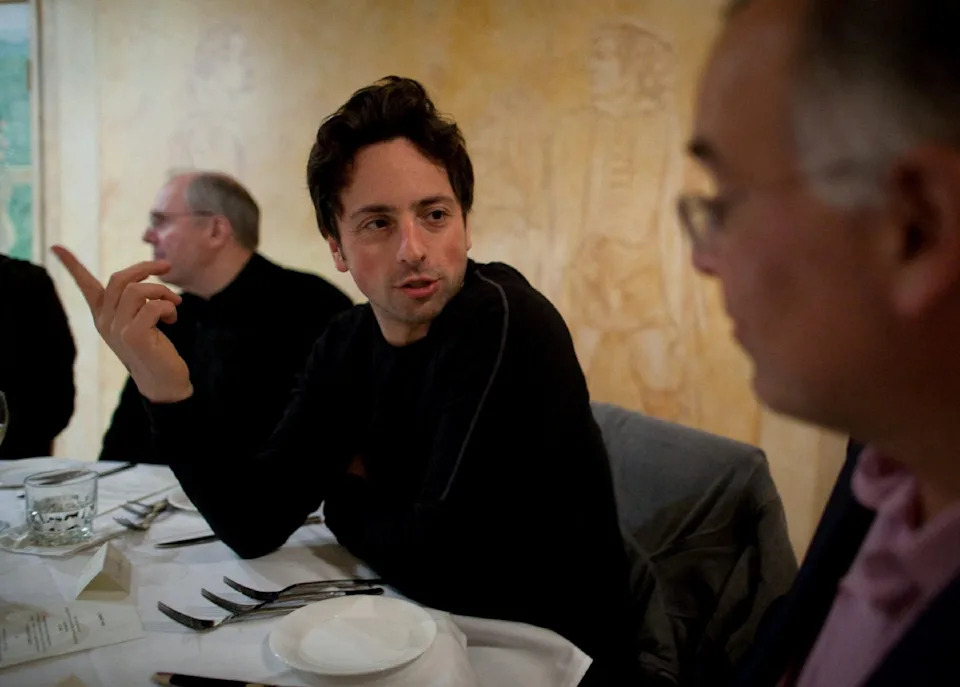
Sergey Brin, the co-founder of Google, was among those pictured in the Epstein files released by the US department of justice - Reuters
Help us improve.