The US‑funded Danish trial in Guinea‑Bissau — designed to compare hepatitis B vaccination at birth versus at six weeks in 14,000 newborns — was suspended after intense ethical and scientific criticism. Critics said delaying a WHO‑recommended birth dose for roughly 7,000 infants was unethical and pointed to methodological flaws, limited local consultation, and concerns over non‑competitive US funding. The Bandim Health Project’s leaders defended the research, but the dispute has reignited historic concerns about Western‑led trials in vulnerable communities.
Why a US-Funded Hepatitis B Vaccine Trial for Newborns in Guinea‑Bissau Sparked International Outrage

A box of hepatitis B vaccine is displayed at a pharmacy in the US [File: Rebecca Blackwell/AP]
Danish researchers, with US funding, planned a large hepatitis B vaccine trial in Guinea‑Bissau that was suspended after intense international and local criticism. The study proposed enrolling 14,000 newborns to compare health outcomes depending on whether infants received a hepatitis B vaccine at birth or at six weeks, and to follow them for five years.
What the Trial Proposed
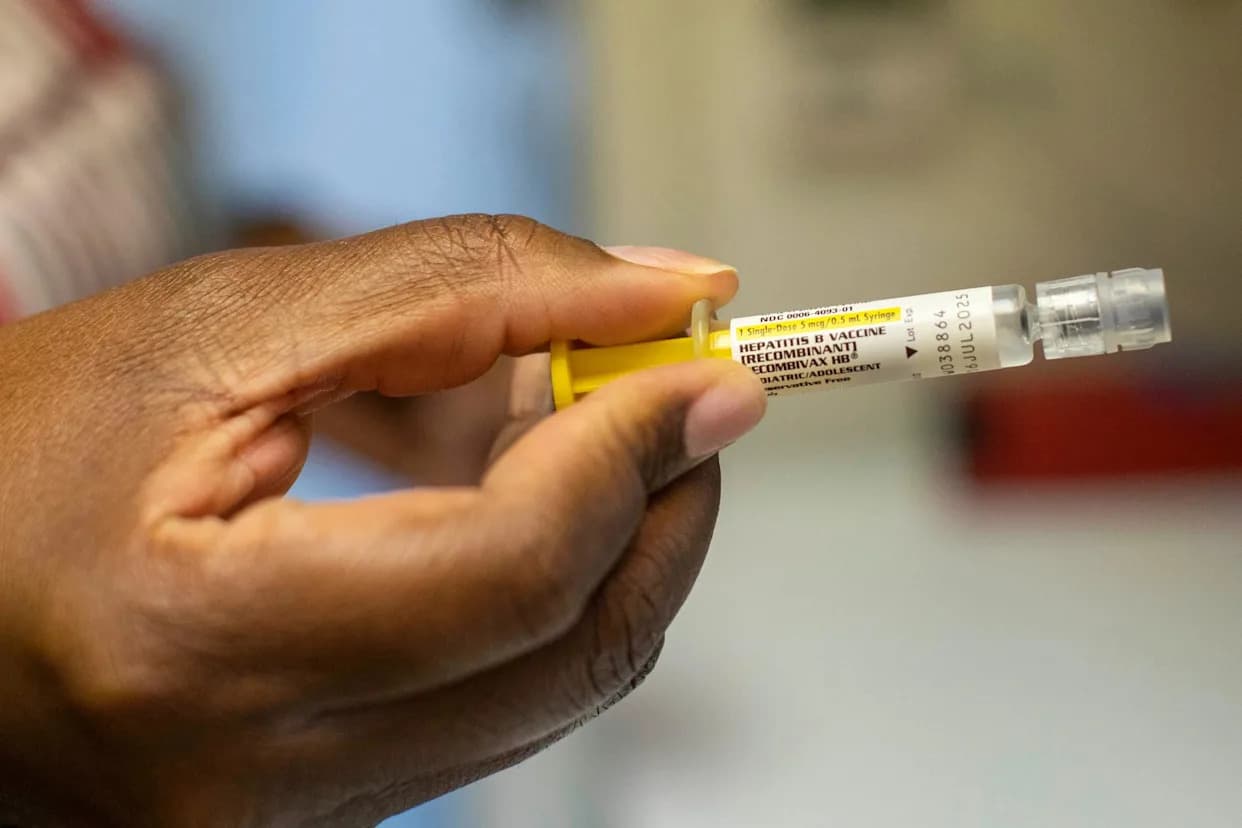
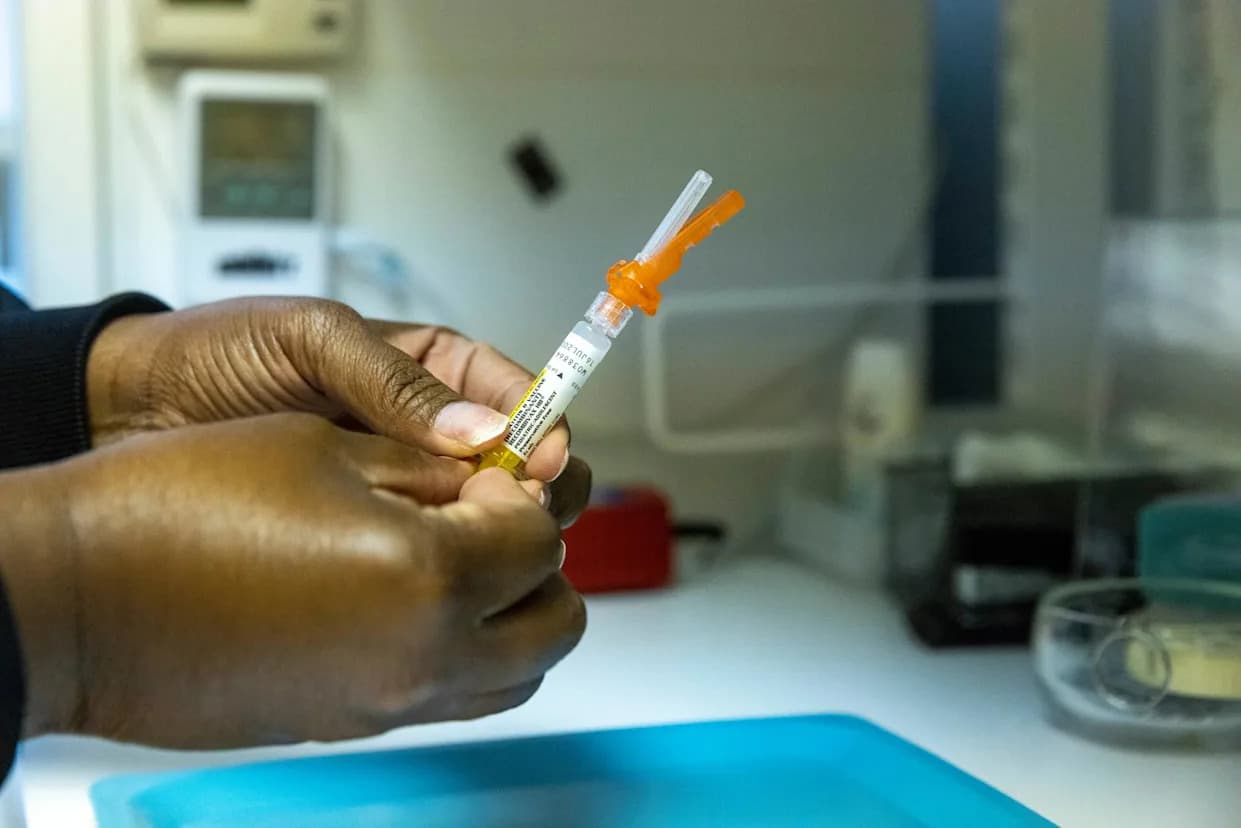
The randomized trial would have assigned roughly half the infants to get the WHO‑recommended birth dose of hepatitis B vaccine and the other half to receive their first dose at six weeks — the country’s current practice because of limited vaccine supplies. Investigators said the study aimed to assess both specific protective effects and broader, so‑called "non‑specific" effects of vaccination.
Why It Provoked Backlash
Critics — including public‑health experts, local officials and international organisations — argued the study was unethical because it intentionally delayed a proven, life‑saving intervention for about 7,000 infants at the moment they are most vulnerable to lifelong hepatitis B infection. The WHO recommends an at‑birth dose because newborns are far more likely than adults to develop chronic infection if exposed to HBV, which contributed to an estimated 1.1 million deaths worldwide in 2022.
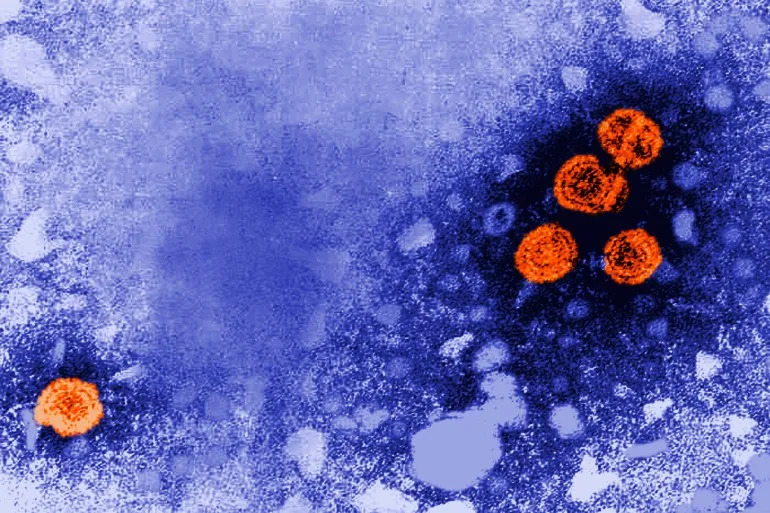
This 1981 electron microscope image made available by the US Centers for Disease Control and Prevention (CDC) shows hepatitis B virus particles, indicated in orange [File: Dr Erskine Palmer/CDC via AP]
“It is unethical to deny children an intervention that we know works,” said Magda Robalo, a former Guinea‑Bissau health minister and long‑time WHO official. “We are not a population to be used for anything that you cannot do in the Global North. We demand respect.”
Other concerns included the trial’s open‑label design (investigators would know who received which schedule), the five‑year follow‑up window that may miss HBV consequences appearing later in life, and questions about whether appropriate national authorities were fully engaged — especially after a recent military coup that changed the country’s leadership.
Questions About the Researchers and Oversight
The project was led by the Bandim Health Project, affiliated with the University of Southern Denmark and led by Christine Stabell Benn and Peter Aaby. The pair have published controversial studies over decades suggesting unexpected effects of some vaccines; critics say they have sometimes emphasized concerning hypotheses despite inconsistent or null randomized controlled trial (RCT) findings. A delayed publication of a long‑running DTP trial was cited by Danish press as one example, although institutional reviews later found no grounds for sanctions.
Separately, the trial’s US funding — a $1.6 million award from the US Centers for Disease Control and Prevention — drew scrutiny because it was reportedly awarded non‑competitively amid leadership changes at the agency under Health Secretary Robert F. Kennedy Jr. Critics said the grant bypassed normal competitive peer review and oversight expected for human subject research.
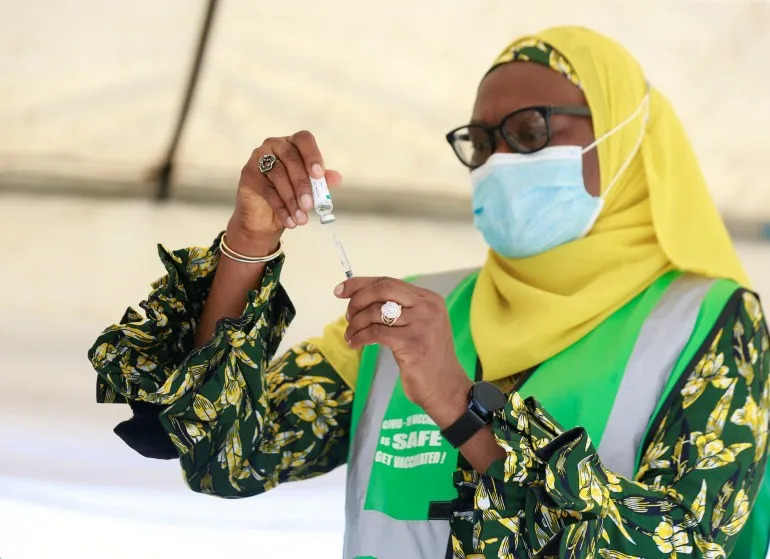
A health worker takes a dose of the coronavirus disease (COVID-19) vaccine from a vial during the rollout of mass vaccination in Abuja, Nigeria [File: Afolabi Sotunde/Reuters]
Historical Context and Local Reaction
The controversy played into deeper concerns about Western‑led research in low‑income settings and historical abuses — from Pfizer’s 1996 Trovan trial in Nigeria to the Tuskegee syphilis study in the United States — that continue to fuel mistrust. In Guinea‑Bissau, officials said only a small ethics committee in the health ministry had been notified and the national public health institute had not been properly engaged. After international scrutiny, the government suspended the trial on January 22 pending a formal review.
Scientific Issues
Experts raised several methodological questions: the ethics of withholding a recommended birth dose, the open‑label design that may introduce bias, and the limited follow‑up period for an infection whose most serious outcomes — chronic liver disease and cancer — often appear much later than five years after exposure.
The Bandim team argued the study would generate evidence about non‑specific vaccine effects and that many infants who otherwise would not have received a birth dose would obtain one through the trial. They rejected characterizations of the project as exploitative and urged critics to adopt a "curious and humble" scientific posture.
Current Status and Stakes
Guinea‑Bissau has one of the highest HBV prevalence rates in the world: about one in five people. The country generally gives the first hepatitis B dose at six weeks because supplies are limited, although budget plans aim to support birth‑dose vaccination from 2028. Former health minister Robalo and other critics say the immediate priority should be securing adequate vaccine supplies so all newborns can receive the WHO‑recommended birth dose, rather than conducting a trial that delays established protection.
The episode highlights tensions among scientific inquiry, research ethics, global funding decisions and the need for meaningful local engagement and oversight when studies are conducted in low‑resource settings.
Help us improve.