The study models how methane exhaust from lunar landers can travel ballistically across the airless Moon and accumulate in permanently shadowed polar craters, risking contamination of ancient ice and organics. Simulations based on an ESA Argonaut scenario show methane released from about 19 miles (30 km) altitude can reach the opposite pole in under two lunar days, and that nearly 54% of exhaust became trapped in polar cold traps within seven lunar days. Authors urge integrating such modeling into mission planning and adding in-situ instruments to validate models and protect scientifically valuable sites.
Lunar Landings Could Spread Lander Methane Across the Moon — Threatening Pristine Polar Ice
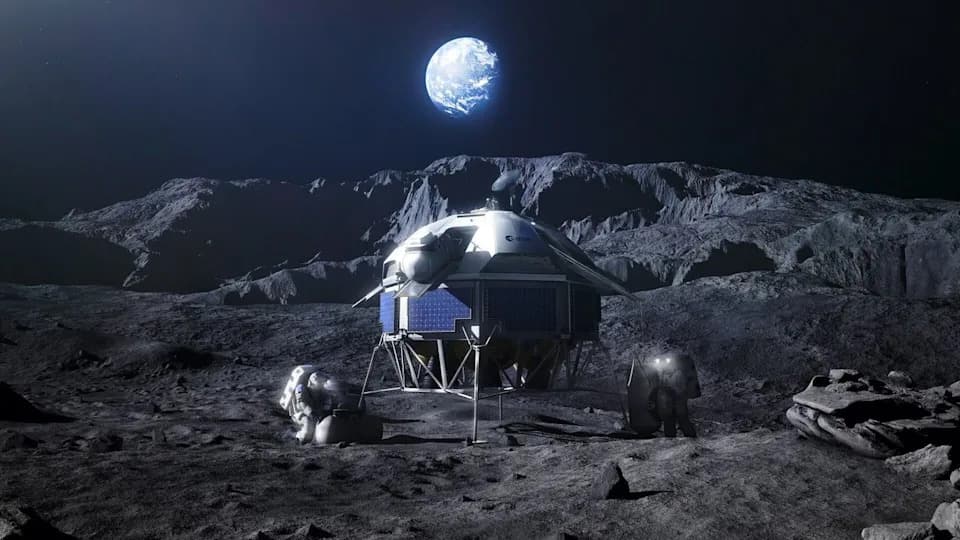
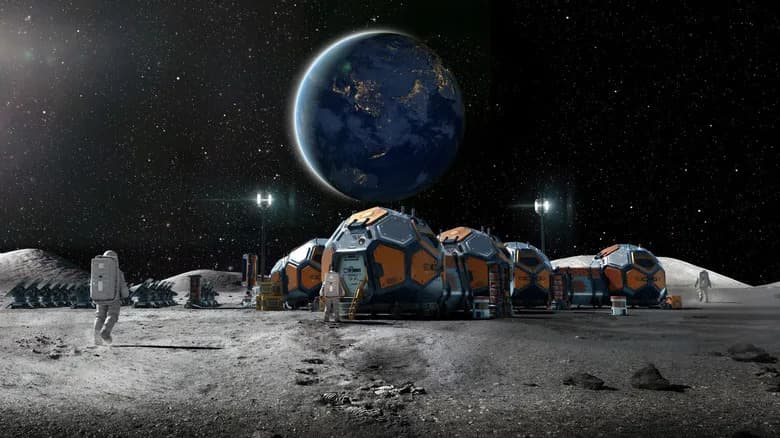
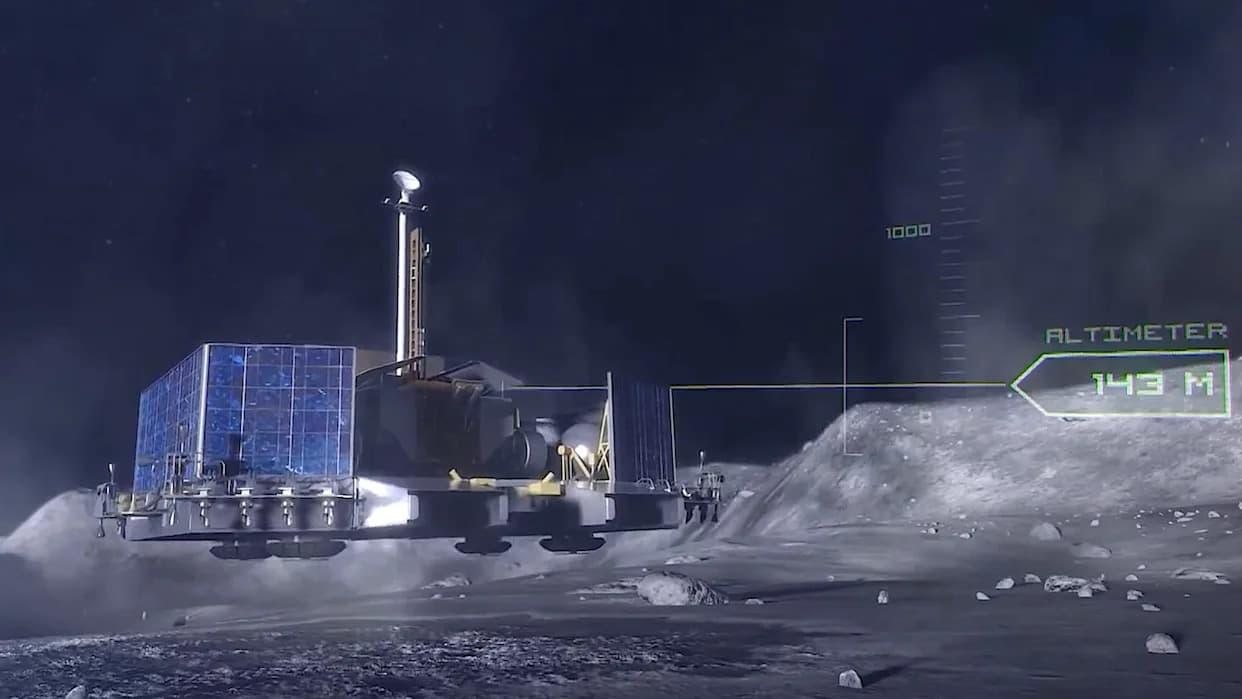
A rendering of a lunar lander of the European Space Agency’s Argonaut program, which has its first mission to the moon scheduled for 2030. Methane released from spacecraft like these could contaminate icy regions of the moon’s poles that might harbor clues about the origins of life on Earth. . | Credit: ESA
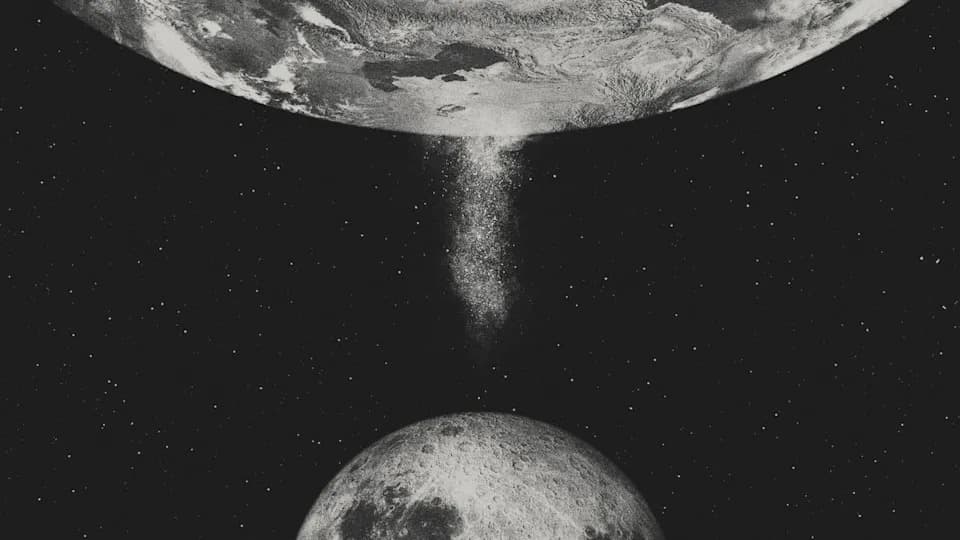
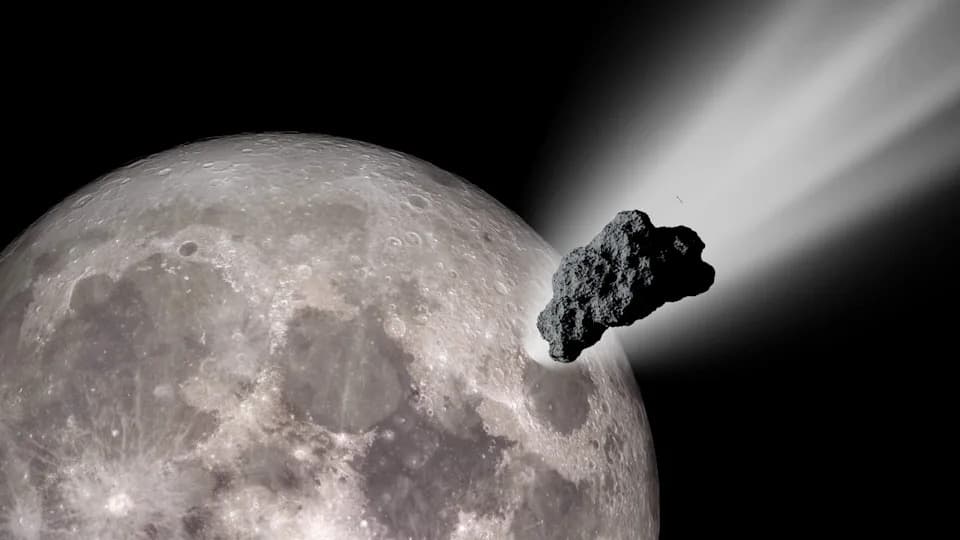
New research shows that methane exhaust from spacecraft landings can travel ballistically across the airless Moon and accumulate in permanently shadowed polar craters, potentially contaminating ancient ice deposits that scientists study for clues about the origins of life on Earth.
What the Study Found
Using a computer model published in the Journal of Geophysical Research: Planets, researchers led by Francisca Paiva simulated methane released during a descent scenario inspired by the European Space Agency's planned Argonaut lander. The modeled release began roughly 19 miles (30 kilometers) above the Moon's south pole and was tracked over seven lunar days.
Without an atmosphere to slow or mix gases, methane molecules follow ballistic trajectories: they hop across the surface and can travel long distances. In the simulations the methane reached the opposite pole in less than two lunar days (about two months by Earth time). After seven lunar days, nearly 54% of the modeled exhaust had become trapped in cold, permanently shadowed polar regions, including about 12% accumulating at the north pole far from the landing site.
Study leader Francisca Paiva and colleagues note that these polar cold traps could act as efficient sinks for modern contaminants, threatening the scientific value of ancient, well-preserved ice and organic materials.
Why It Matters
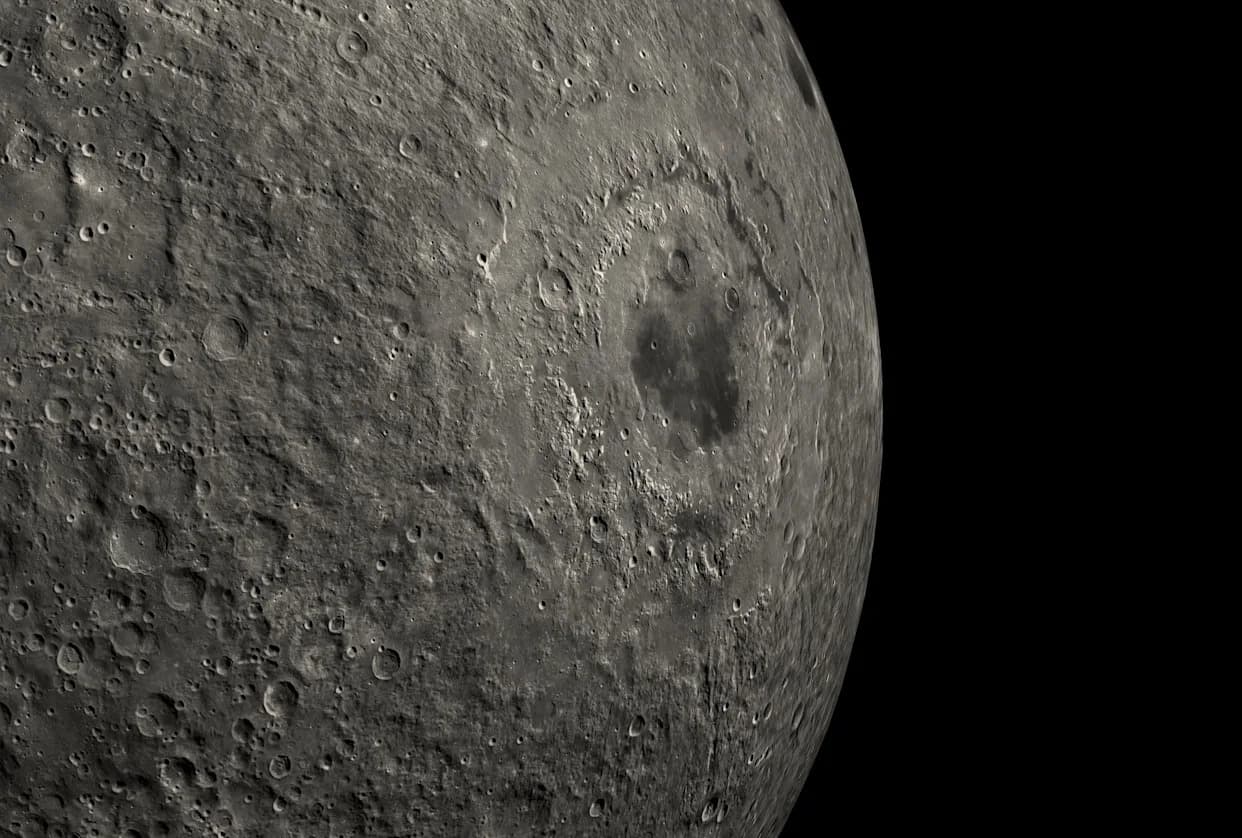
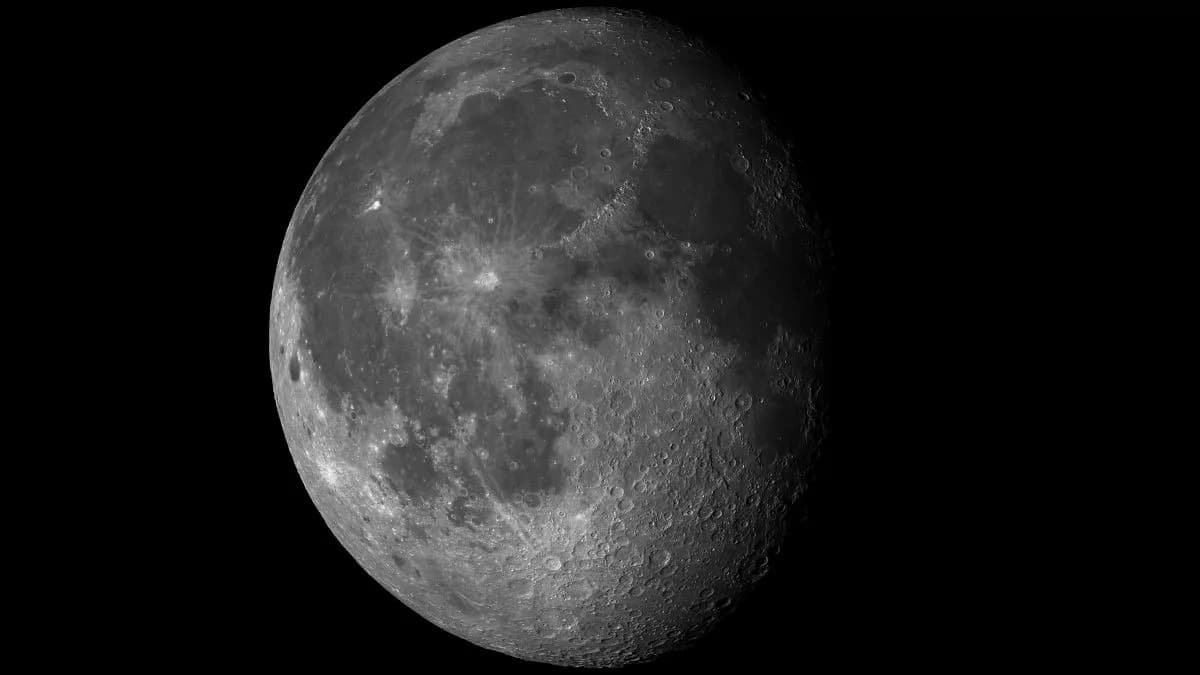
Permanently shadowed craters at the Moon's poles remain so cold that water ice and other frozen compounds can persist for billions of years. Unlike Earth, where geological processes and an active atmosphere have erased much of the earliest record, lunar polar ice may preserve ancient organics delivered by comets or asteroids and even prebiotic molecules that helped seed life on our planet. Contamination by modern spacecraft exhaust could obscure or alter those signatures.
The study was funded by ESA and co-authors emphasize that the findings should inform planetary protection planning as space agencies and private companies enter a new era of lunar exploration and long-duration missions.
Next Steps and Implications
The authors call for additional research to determine whether contaminants simply settle on surface ice or penetrate deeper layers where pristine material may remain. They also recommend integrating similar modeling into mission planning and placing instruments on future missions to validate these models in situ.
Policymakers, mission teams, and planetary protection officers may use results like these to develop guidelines aimed at protecting the Moon's most scientifically valuable regions. Potential approaches include restricting landings near sensitive polar sites, developing lower-contamination descent profiles, testing alternative propellants, and equipping missions with detectors to monitor contaminant deposition.
Silvio Sinibaldi, a planetary protection officer at ESA and co-author of the study, urged mission teams to include validation instruments on future landers so models can be checked against real measurements.
While the study is an initial step, it highlights a clear tension: enabling expanded lunar exploration while preserving pristine archives that could reveal how life first arose on Earth.
Help us improve.