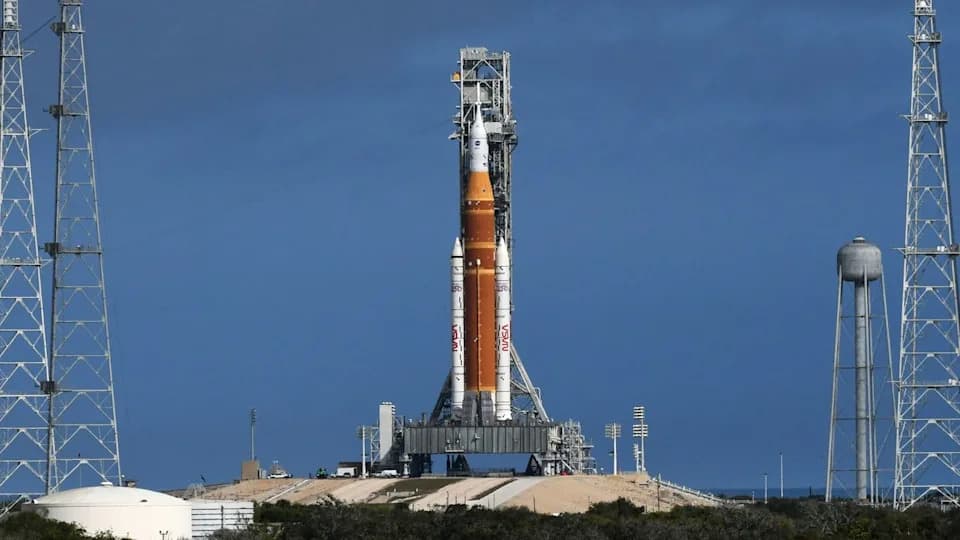
NASA's Artemis II will be the first crewed mission beyond Earth's orbit in decades and will orbit the Moon, while Artemis III is targeted to land at one of nine candidate sites. The missions aim to produce major scientific discoveries, investigate potential resources such as helium‑3, and inspire future explorers. AVATAR, a biomedical study on Artemis II, will monitor cellular stress and aging markers to inform long‑duration human missions to Mars.
Why NASA Wants Us Back on the Moon — Science, Resources, and the Next Generation of Exploration
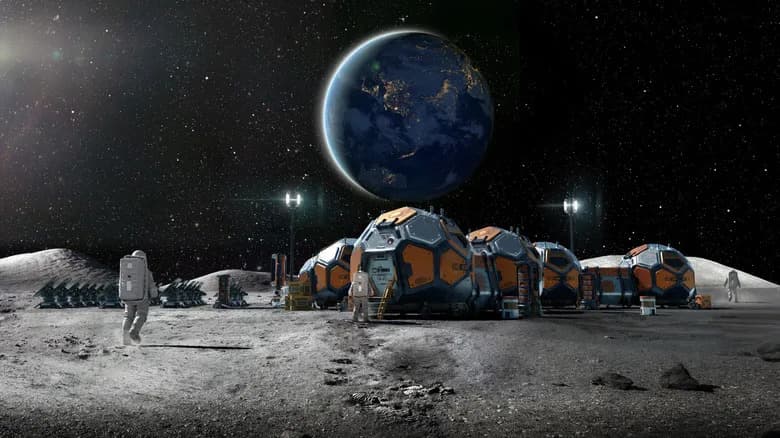
Conceptual lunar camp on the moon with Earth in the background. - Peepo/Getty Images
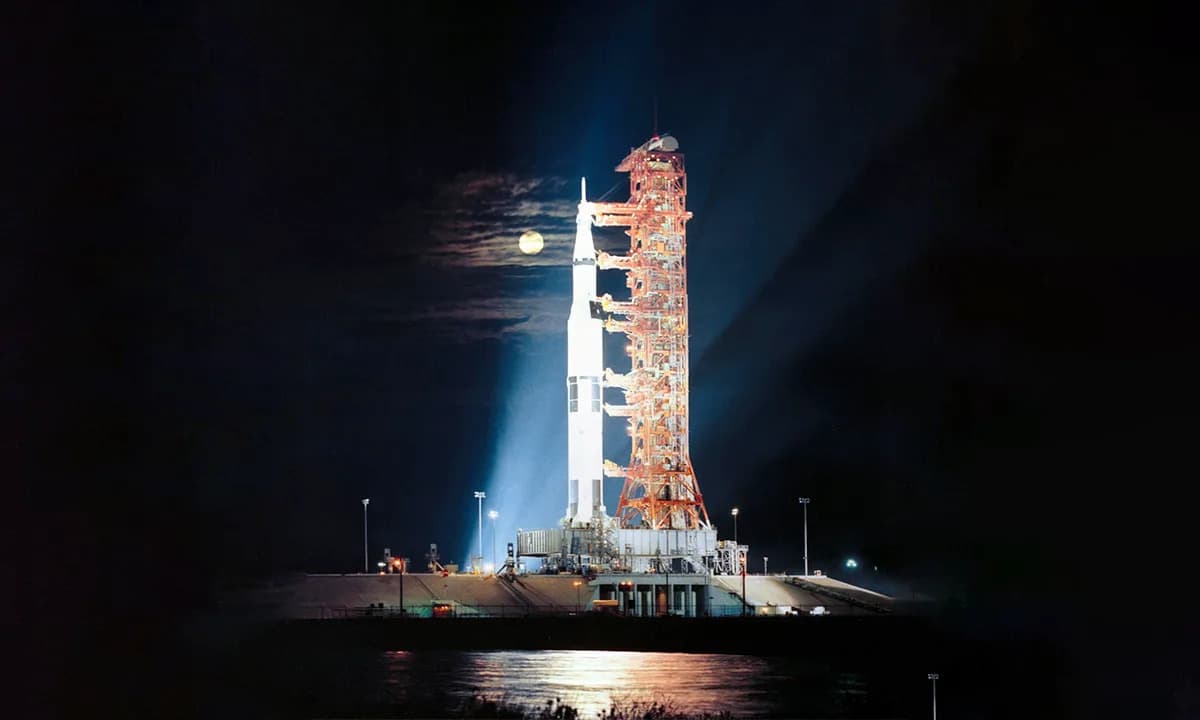
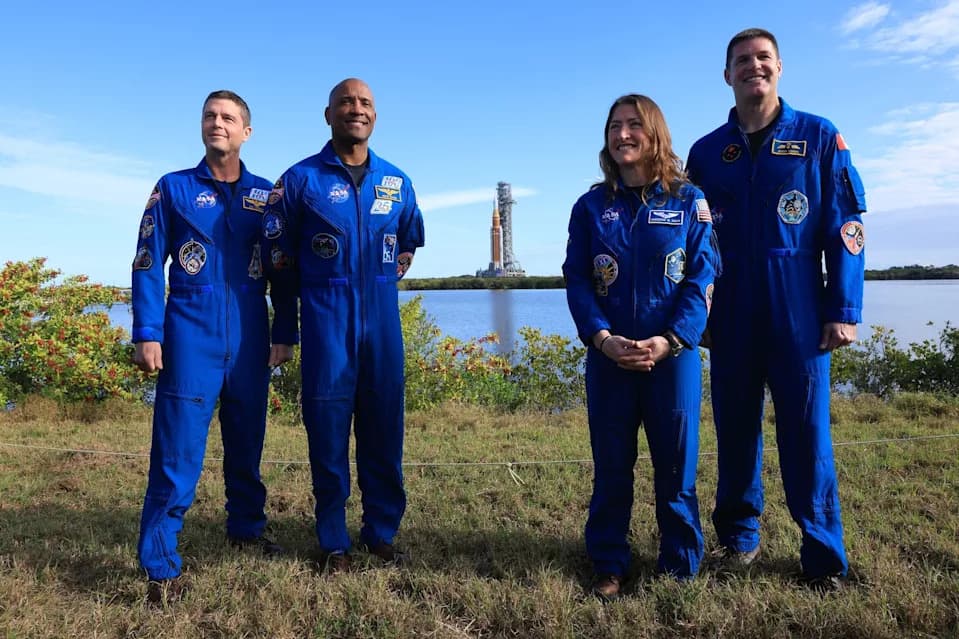
NASA's Artemis program — beginning with Artemis I and continuing through Artemis II and Artemis III — aims to return humans to the Moon and build a sustainable presence there. Artemis II, launching soon, will be the first crewed mission beyond Earth's orbit in decades and will carry astronauts around the Moon without landing. Artemis III is planned to touch down at one of nine candidate landing zones on the lunar surface.
What NASA Hopes to Achieve
Scientific discovery: New instruments, modern analysis techniques, and targeted landing sites can reveal geologic history, volatile deposits, and the Moon's role in the Earth–Moon system. Scientists expect to learn far more than was possible during the Apollo era.
Resource and economic potential: The Moon may hold materials of interest, including water ice in permanently shadowed regions and isotopes such as helium‑3 that have been proposed for future fusion research. While helium‑3 mining remains speculative and technically challenging, it is often cited as an example of potential long-term value.
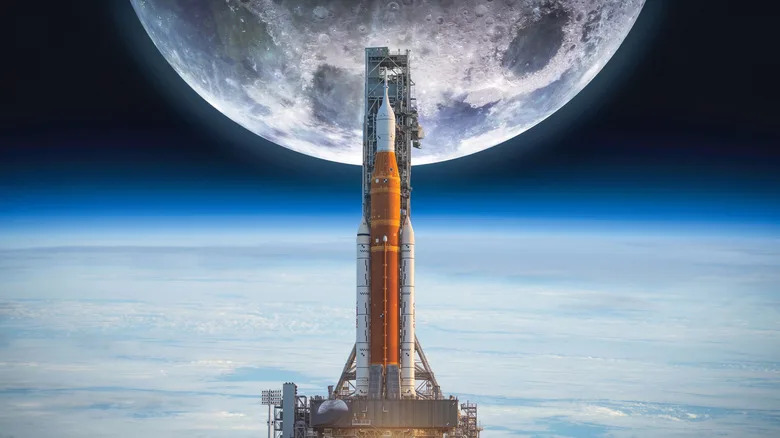
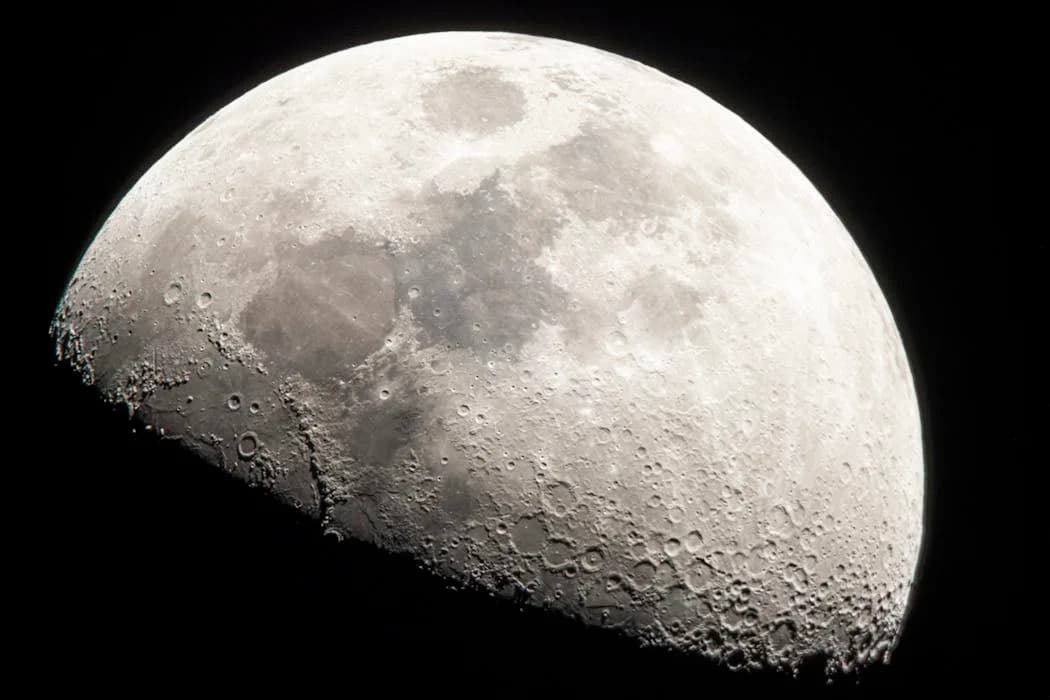
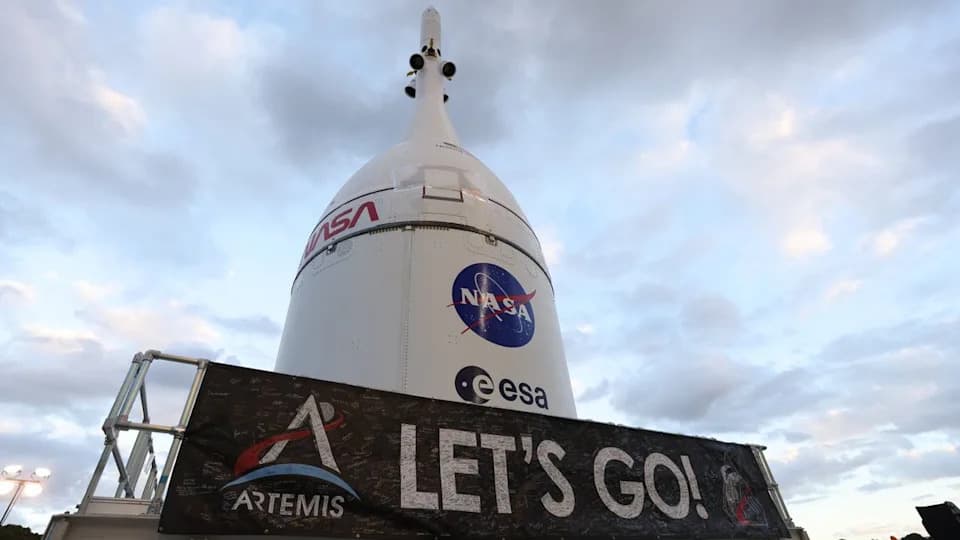
Artemis mission Orion spacecraft on landing pad with moon enlarged in background. - Dima_zel/Getty Images
Human health and long‑duration preparedness: Artemis missions will collect biomedical data to understand how deep‑space travel affects the human body. A NASA‑backed investigation called AVATAR on Artemis II will monitor cellular stress markers and other signs that could indicate accelerated aging or other physiological effects during a deep‑space journey — data that will help prepare crews for Mars and other destinations.
Why Repeat Visits Matter
“The Moon is the same as when we went in the 60s, but people and technology have changed — we can ask new questions and do new science,” said David Beaman, an engineer involved with the rockets and spacecraft for Artemis. “Returning is not just repetition; it’s deepening our understanding.”
Revisiting a previously explored place is common in science: repeated measurements with better tools often produce breakthroughs. New landing sites, longer stays, and modern instruments will let researchers test hypotheses that were out of reach during Apollo.
Voices Beyond NASA
Private-sector figures such as entrepreneur Jared Isaacman have also discussed the Moon's potential, including resource access and commercial opportunities. It is important to note that commercial interest complements — but does not replace — NASA's scientific and exploration goals. Any proposals to extract resources like helium‑3 would require major technological advances, international agreements, and careful environmental and ethical review.
What Comes Next
Artemis II will validate crew systems and gather biomedical data en route; Artemis III aims for a lunar landing and surface operations. Together, these missions are meant to advance science, test technologies for sustained presence, and inspire a new generation of explorers and engineers. Whether the near‑term gains are scientific discoveries, new economic pathways, or the human and technical preparation for Mars, Artemis is designed as a step toward a more sustained human presence beyond Earth.
Help us improve.