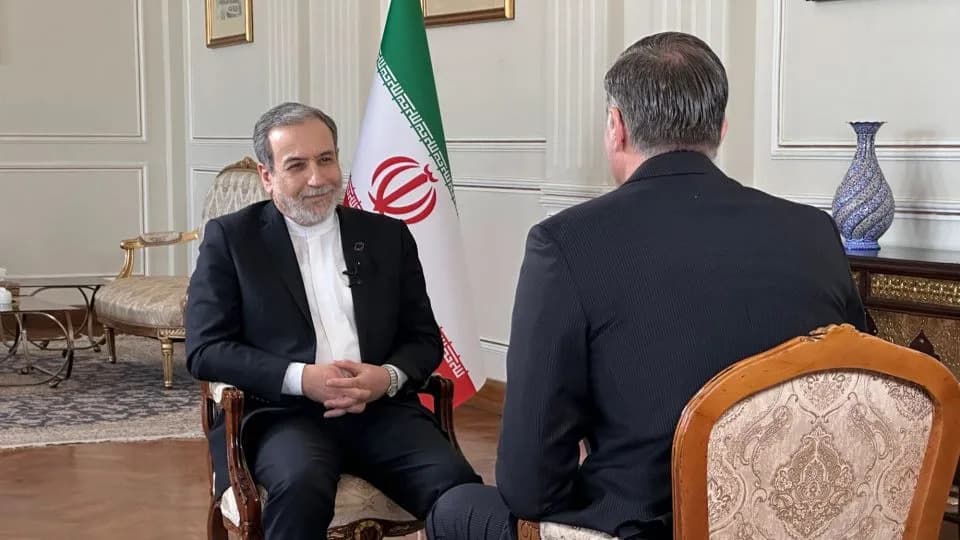
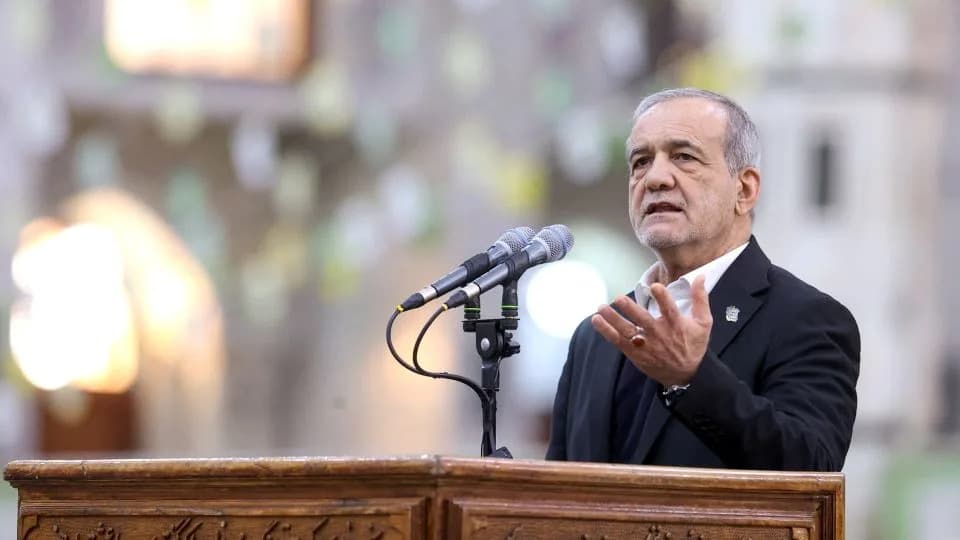
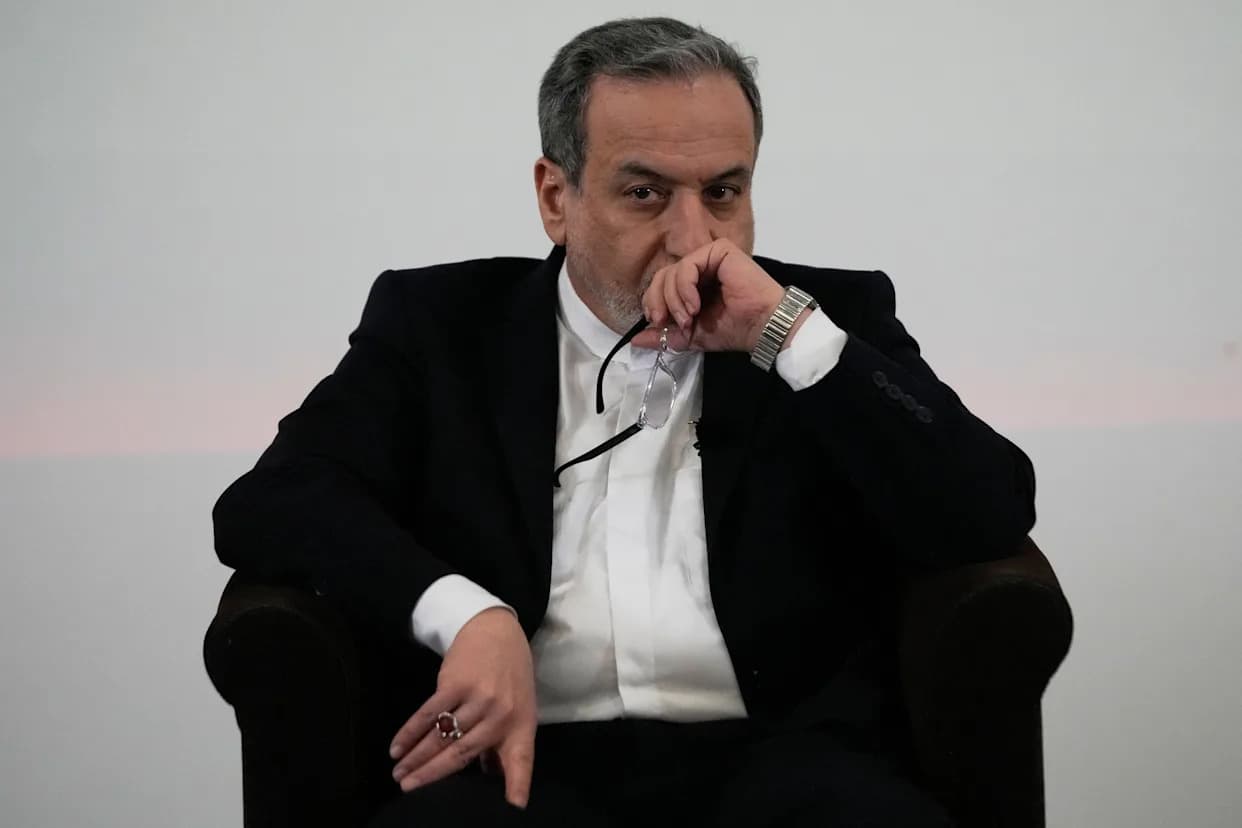
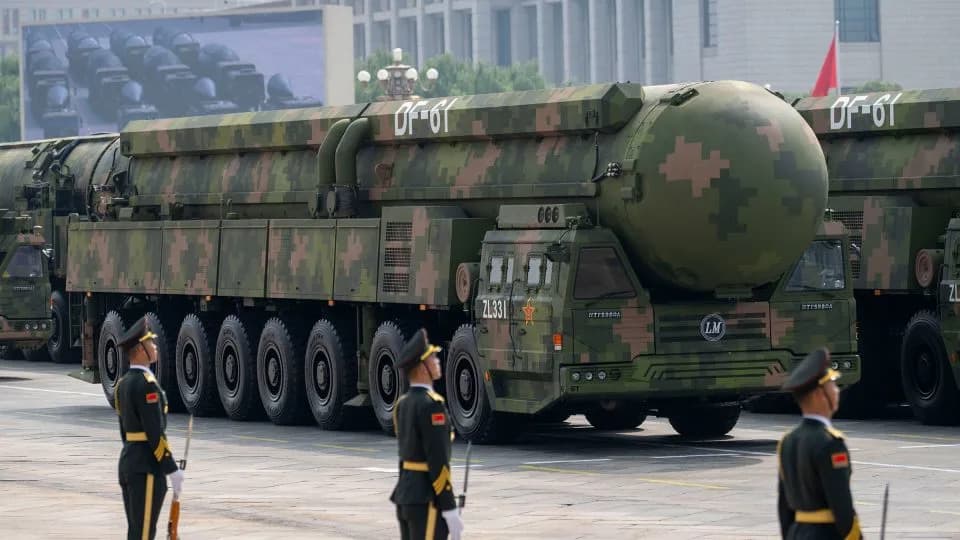
Iranian Foreign Minister Abbas Araqchi told Al Jazeera that Tehran would target U.S. military bases across the Middle East if U.S. forces in the region launched an attack, while saying host countries would not be targeted. The comments came after Tehran and Washington agreed to continue indirect nuclear talks following positive discussions in Oman. Araqchi said talks should focus solely on the nuclear file, urged an end to threats and pressure, and warned that past exchanges could be a precedent for future retaliation.
Iran Warns It Would Strike U.S. Bases Across Middle East If Attacked, Foreign Minister Says

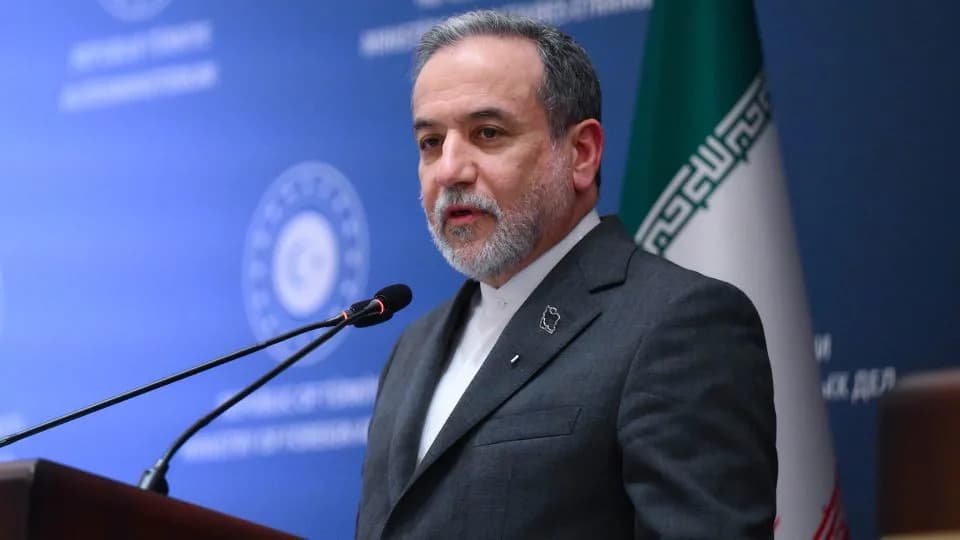
Iranian Foreign Minister Abbas Araghchi delivers the opening keynote speech during the 17th Al Jazeera Forum, themed ''The Palestinian Cause and the Regional Balance of Power in the Context of an Emerging Multipolar World,'' in Doha, Qatar, on February 7, 2026 (Photo by Noushad Thekkayil/NurPhoto via Getty Images).NurPhoto via Getty Images
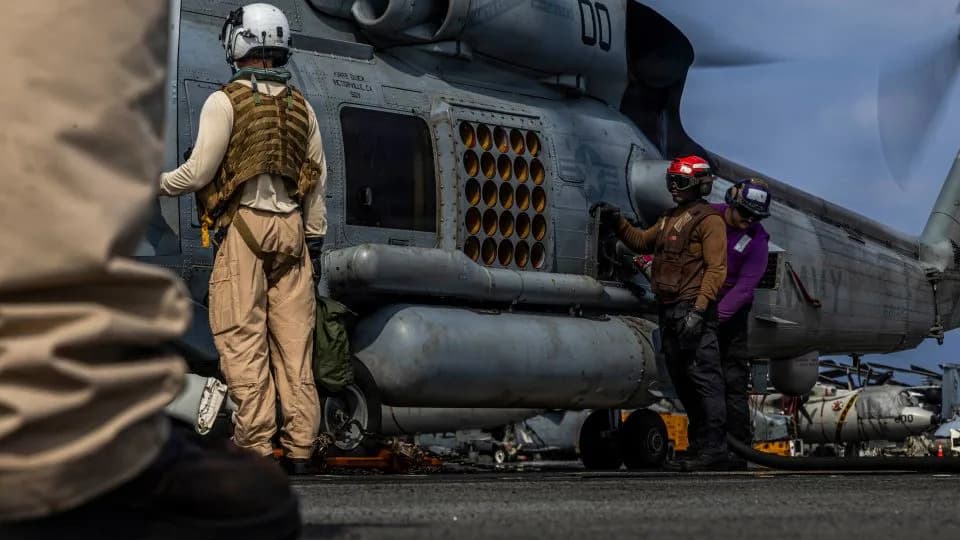
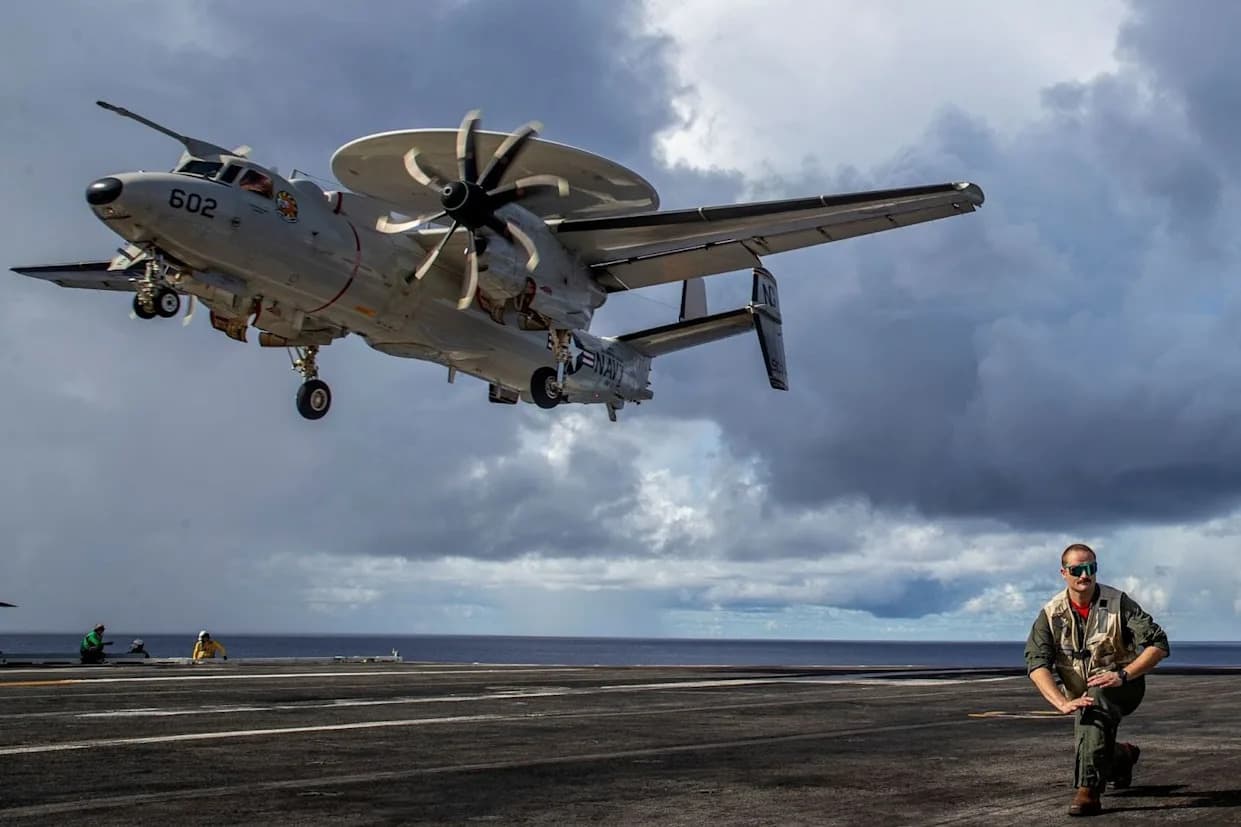
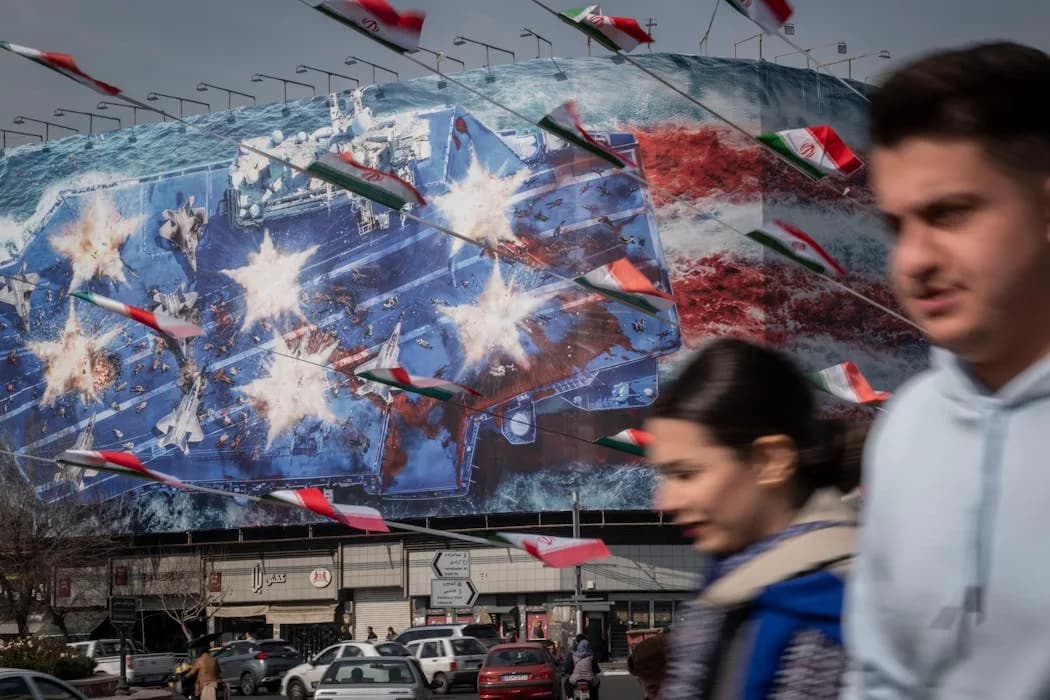
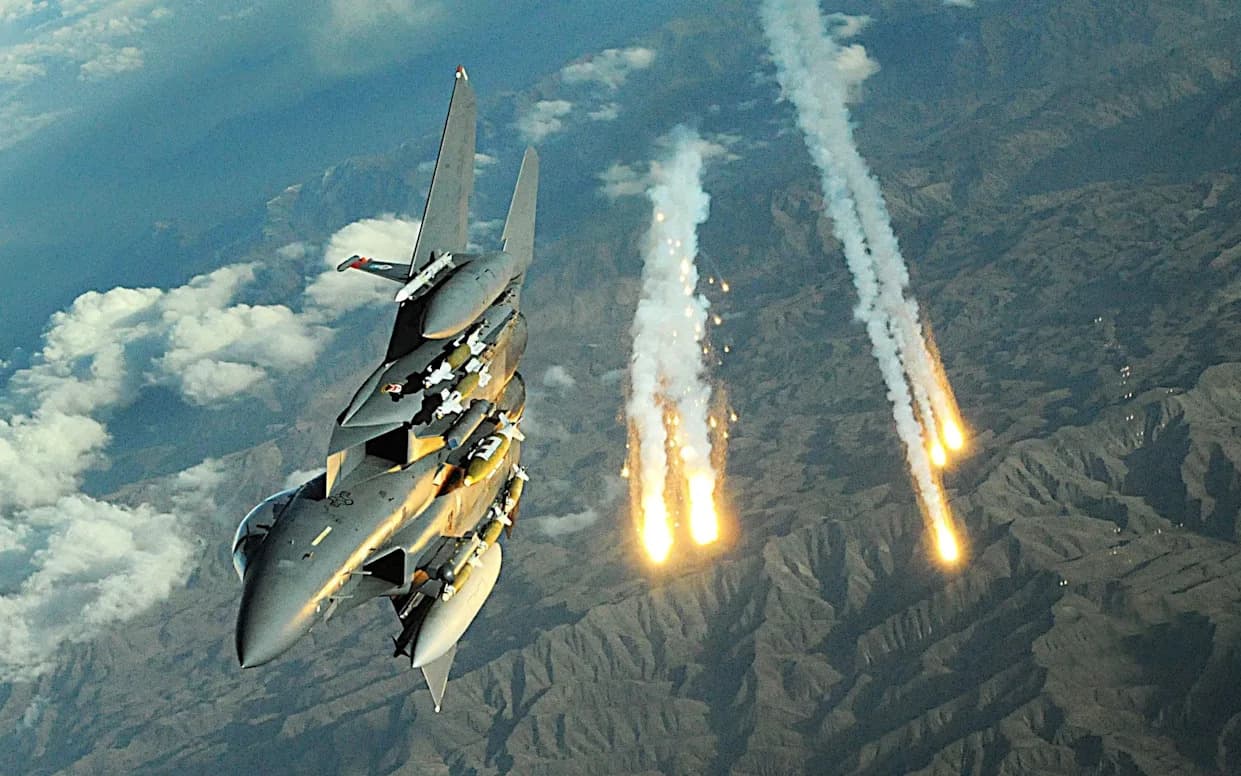
CAIRO, Feb 7 (Reuters) - Iran's foreign minister, Abbas Araqchi, warned on Saturday that Tehran would strike U.S. bases across the Middle East if U.S. forces massed in the region launched an attack. He stressed that such strikes would be directed at U.S. military installations and not at the countries hosting them.
Araqchi made the remarks in an interview with Qatar's Al Jazeera, a day after officials from Tehran and Washington said they would continue indirect nuclear talks following what both sides described as positive discussions in Oman.
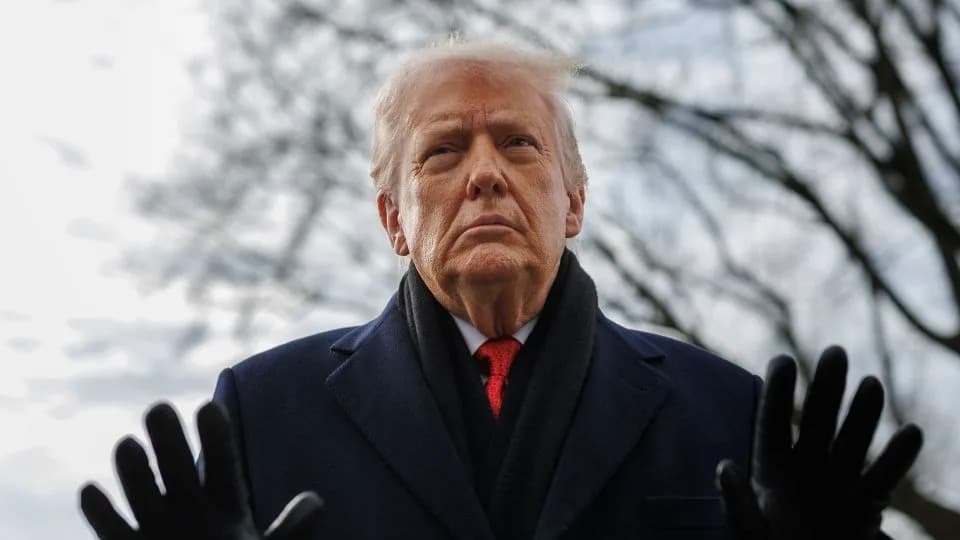
While Araqchi said no date has yet been set for the next round of negotiations, he noted that U.S. President Donald Trump had suggested talks could take place early next week. "We and Washington believe it should be held soon," Araqchi said.
Trump has demanded Iran renounce uranium enrichment — a process that can be used to produce nuclear fuel or, at higher levels, material for weapons — halt ballistic-missile development and end support for armed groups across the region. Tehran has repeatedly denied any intention to weaponize its nuclear program and insists its activities are for peaceful purposes.
Although both Tehran and Washington signalled a willingness to revive diplomacy over Iran's long-running nuclear dispute with the West, Araqchi rejected expanding the agenda beyond the nuclear file. He said dialogue must proceed without threats or pressure.
"Any dialogue requires refraining from threats and pressure. (Tehran) only discusses its nuclear issue ... We do not discuss any other issue with the U.S.," Araqchi said.
The report referenced incidents last June in which tensions escalated between Iran, Israel and the United States, and said Tehran responded to earlier strikes by carrying out a missile attack on a U.S. base in Qatar. These accounts are drawn from the reporting and statements at the time.
Araqchi warned that a renewed U.S. attack could prompt a similar Iranian response.
"It would not be possible to attack American soil, but we will target their bases in the region," he said. "We will not attack neighbouring countries; rather, we will target U.S. bases stationed in them. There is a big difference between the two."
Iran says it seeks international recognition of its right to enrich uranium for peaceful purposes and argues that placing its missile programme on the negotiating table could leave it vulnerable to external threats, including possible strikes by regional adversaries.
(Reporting by Jaidaa Taha and Enas Alashry; Editing by Kevin Liffey)
Help us improve.