DOJ Says It Owes No Additional Due Process: The Justice Department told a federal judge it will not provide additional hearings to 252 Venezuelan migrants deported to El Salvador under the 1798 Alien Enemies Act and warned it will immediately appeal any court order to the contrary. Judge James Boasberg had ordered the government to present a plan to offer due-process protections, either by returning migrants to U.S. custody or facilitating overseas hearings that meet constitutional standards. DOJ argued those options are legally or practically unworkable amid national-security concerns and the reported capture of Nicolás Maduro, while critics say claims about alleged gang ties are disputed. The dispute has already reached the Supreme Court and faces further appeals.
DOJ Says It Owes No Due Process To 252 Deported Venezuelans, Vows Immediate Appeals

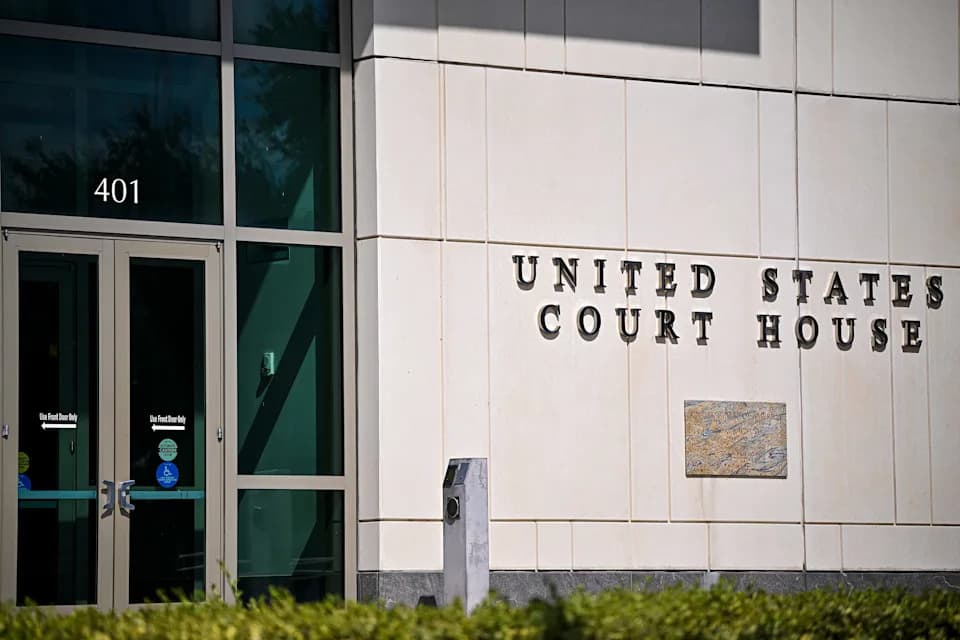
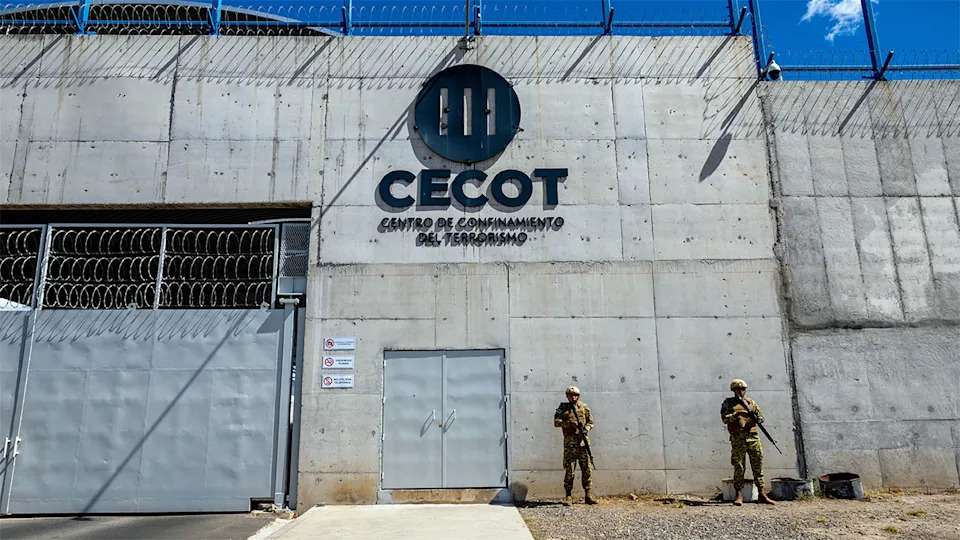
The Justice Department told a federal judge it believes it has no obligation to provide additional due process to 252 Venezuelan migrants who were deported last year to a maximum-security prison in El Salvador under the 1798 Alien Enemies Act. The filing sets up a high-stakes courtroom clash that appears likely to return to the Supreme Court.
Background
In March, the administration used the centuries-old Alien Enemies Act to remove 252 Venezuelan nationals to El Salvador. Their transfers and detention have become a central legal battle of the administration’s second term, testing how far federal courts can require the executive branch to protect the rights of people removed under a statute invoked on national-security grounds.

Judge Boasberg's Order
U.S. District Judge James Boasberg, who is presiding over the case, has sought to determine what, if any, judicially enforceable process the government must provide to the group — including an opportunity to challenge allegations that some are gang members. In December, Boasberg ordered the administration to submit a written plan explaining how it would provide hearings either by returning the migrants to U.S. custody for in-person proceedings or by facilitating hearings abroad that would "satisfy the requirements of due process."
DOJ's Position
In a filing on Monday, Justice Department lawyers reiterated that the United States cannot practically or legally return the deported migrants or meaningfully run habeas proceedings for them overseas. The DOJ argued that returning the 252 individuals would be impossible or unworkable because of national security concerns and the volatile political situation in Venezuela following the reported U.S. capture of Nicolás Maduro during a raid in Caracas last month.
DOJ: Compelling return or overseas proceedings could jeopardize "critical" diplomatic negotiations and pose "profound" national-security risks.
The department also said the U.S. lacks custody of the migrants on foreign soil and that conducting hearings at diplomatic posts or elsewhere abroad could complicate delicate U.S. efforts toward stabilization and political transition in Venezuela. DOJ lawyers cited the government's view that many in the group have alleged gang ties, a characterization that advocates and some observers have challenged.
Courtroom Stakes And Appeals
The deportations occurred despite an emergency order from Judge Boasberg and touched off an 11-month legal dispute that reached the Supreme Court in April and produced repeated fights in the lower courts. The Supreme Court has previously held that individuals removed under the Alien Enemies Act are entitled to a meaningful opportunity to contest their removal and adequate notice before they are expelled.
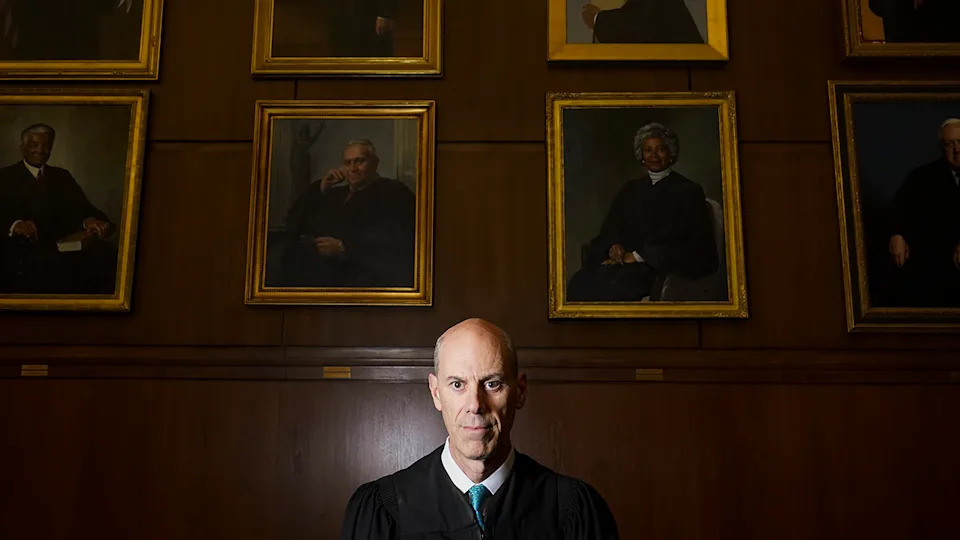
The Justice Department signaled it will fight any order requiring additional protections. "If, over defendants’ vehement legal and practical objections, the Court issues an injunction, defendants intend to immediately appeal, and will seek a stay pending appeal from this Court (and, if necessary, from the D.C. Circuit)," the filing said.
DOJ advanced similar arguments last month during an en banc hearing before a 17-judge panel of the U.S. Court of Appeals for the Fifth Circuit, which is reviewing the administration’s use of the 227-year-old statute. At that hearing, ACLU attorney Lee Gelernt argued that the Alien Enemies Act does not provide a president with an unfettered "blank check" to deploy wartime powers at will.
What Happens Next
Whatever Judge Boasberg decides next, the dispute is poised to remain a major test of the balance between executive authority, national-security claims, and judicial power. Given the administration’s stated intent to appeal immediately, the case is likely to generate further litigation and could return to the Supreme Court.
Help us improve.