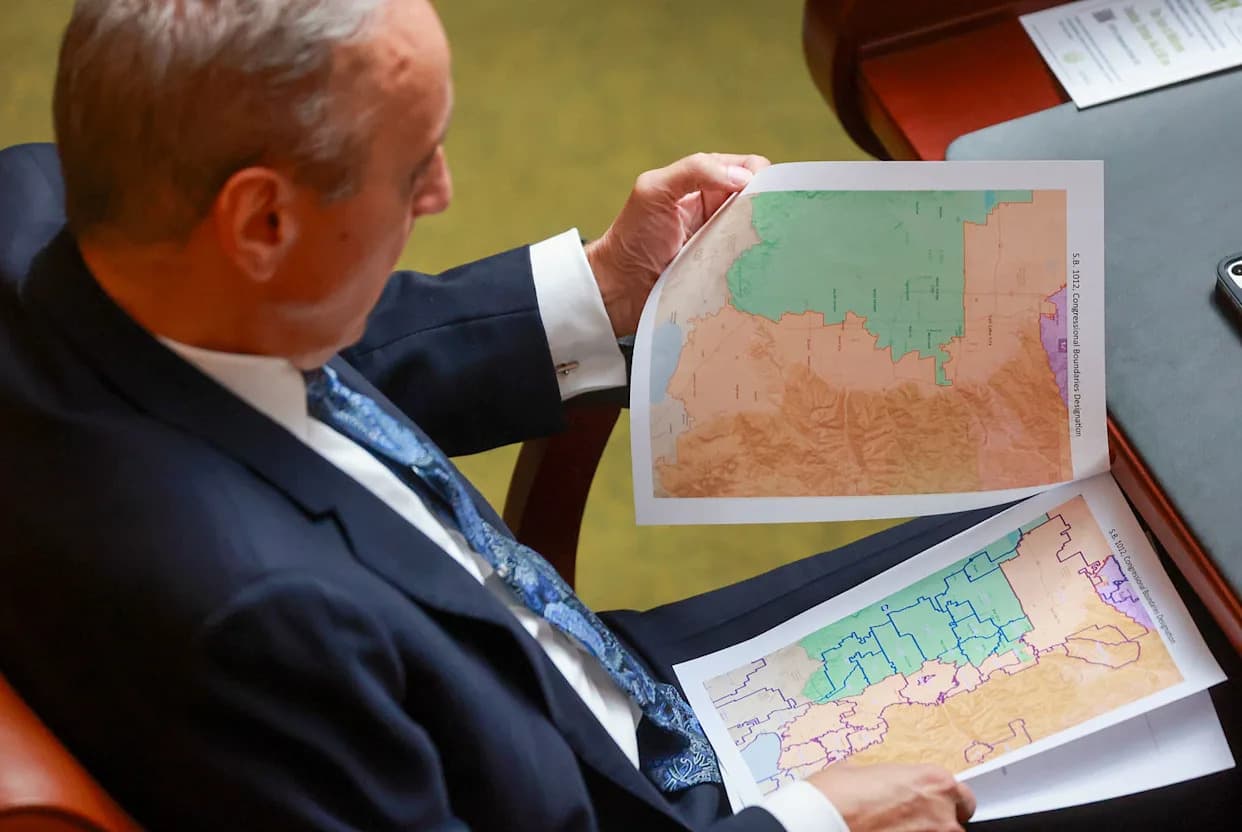
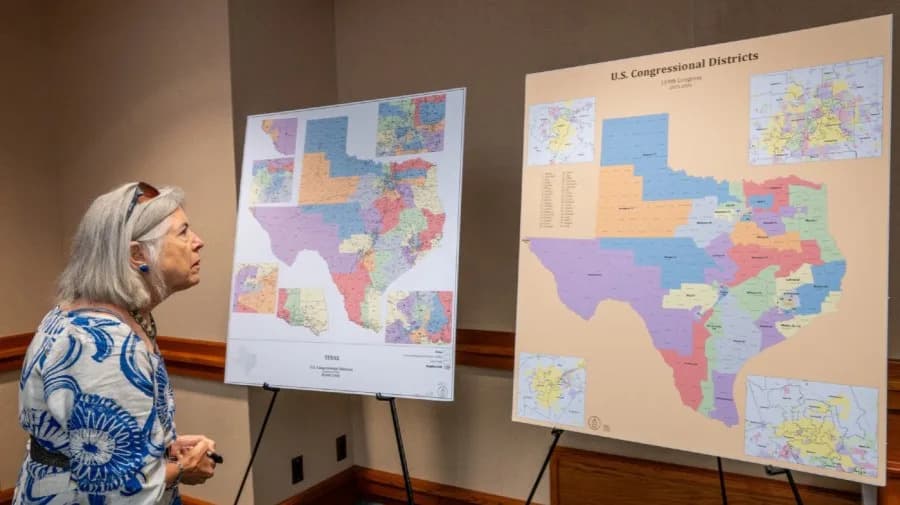
Republican leaders, backed by President Trump, are pursuing an unprecedented mid‑decade campaign to redraw congressional maps to protect a narrow House majority. Democrats have launched countermaps and legal challenges, creating a nationwide series of political and court battles. Virginia’s Democratic plan would create a 10‑1 delegation advantage but faces voter approval and a state Supreme Court review. Observers warn that potential U.S. Supreme Court changes to the Voting Rights Act could enable even more aggressive redistricting and threaten additional seats held by people of color.
Redrawing Power: How Mid‑Decade Redistricting Could Reshape Control Of The House
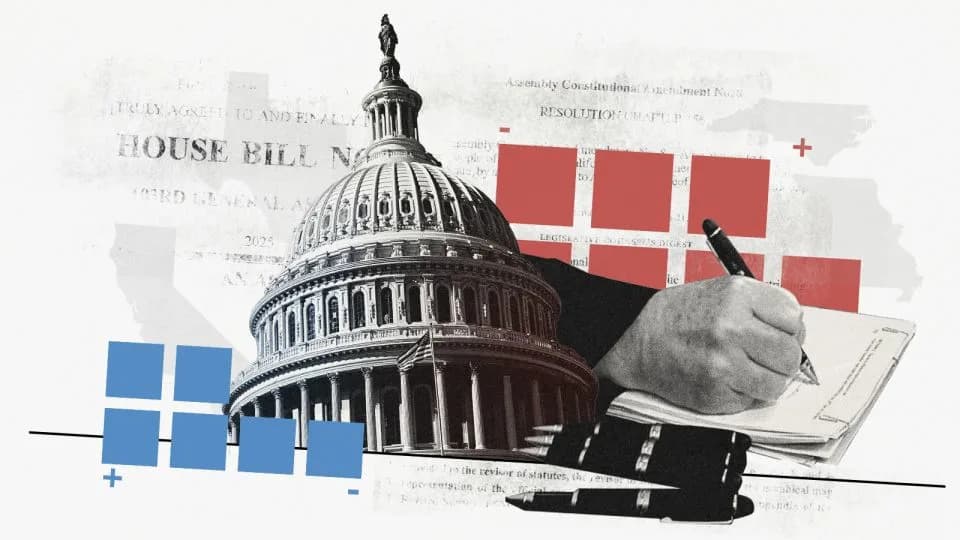
Photo Illustration by Alberto Mier/CNN
President Donald Trump and Republican leaders have launched an unprecedented mid‑decade effort to redraw congressional maps in states across the country, aiming to protect the party’s narrow majority in the U.S. House of Representatives ahead of the November midterm elections.
Democrats have mounted counter-efforts to reshape maps in their favor, touching off a wave of political and legal fights that will help determine control of Congress. These disputes are playing out in state legislatures and in courtrooms — and may ultimately reach the U.S. Supreme Court.
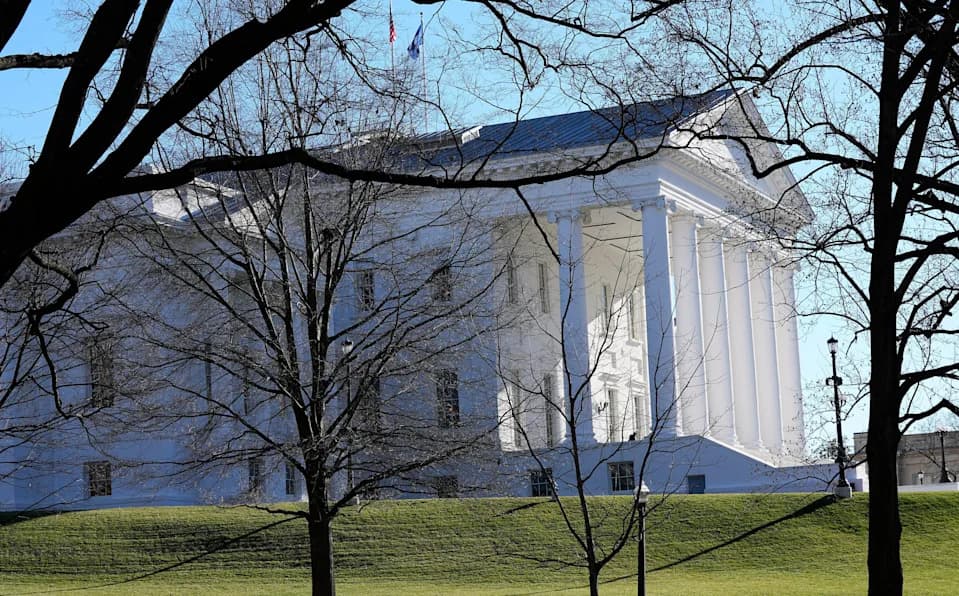
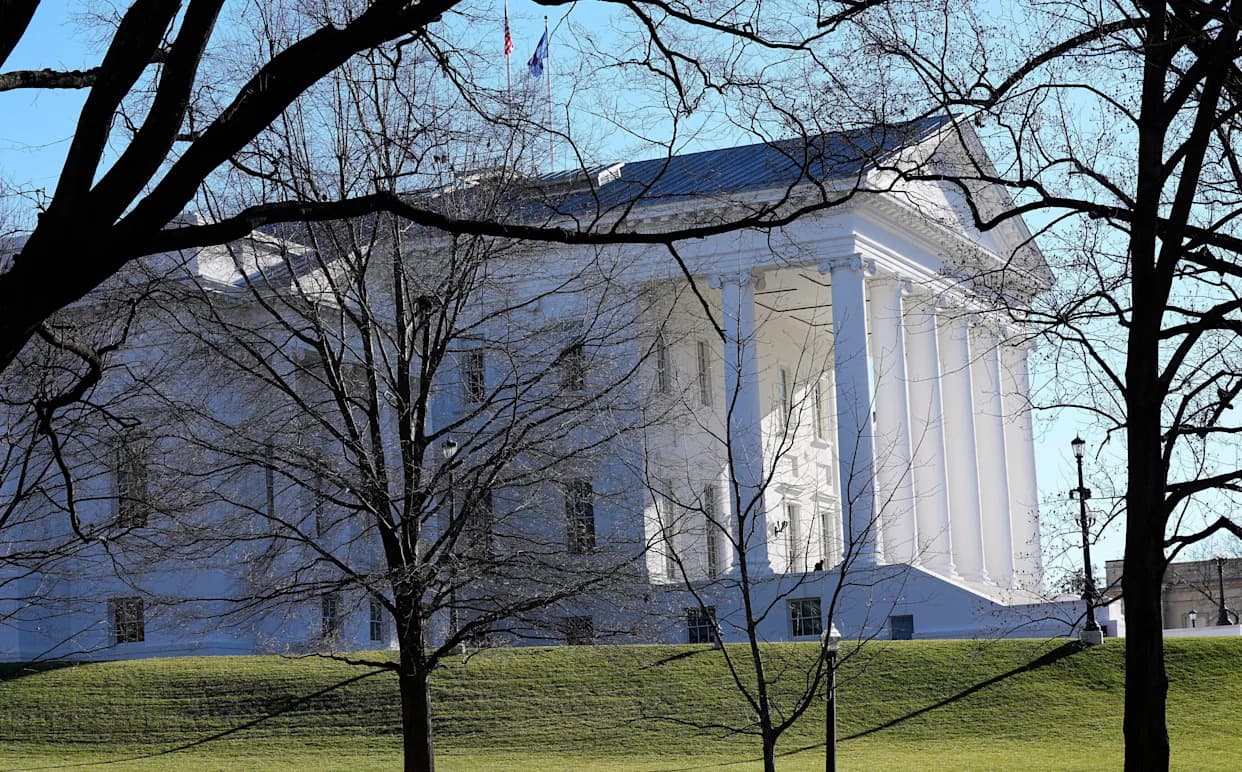
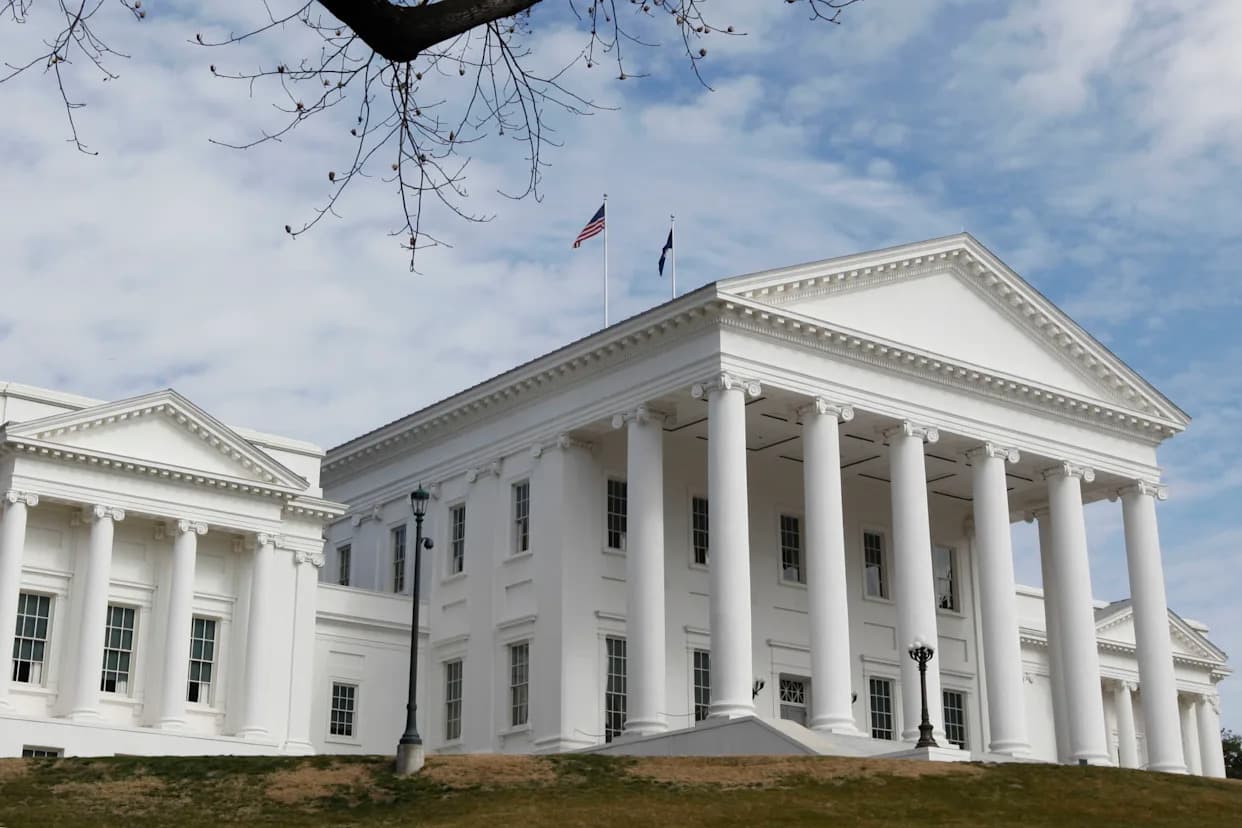
Virginia Spotlight: Virginia Democrats recently released a proposed congressional map that would target four Republican incumbents and produce a 10‑1 Democratic advantage in the state’s delegation. That proposal faces multiple hurdles: voters must decide in April on a constitutional amendment that would permit the legislature to alter the map, and the entire process is under review by the Virginia Supreme Court after a lower court found lawmakers failed to follow required procedures.
Redistricting — the process of redrawing congressional district boundaries — typically occurs once a decade after the decennial census. But a historically slim House majority has turned mapmaking into a strategic, mid‑decade tool for both parties.
The mechanics vary by state. In some states, partisan legislatures can redraw maps unilaterally if they control the process; in others, changes require constitutional amendments or independent commissions and often a public vote. Many Democratic‑run states previously shifted map‑drawing authority to independent commissions; some of those states are now attempting to reverse those reforms.
Overall, Republicans currently have more opportunities to gain seats through new maps because they control state government in a larger number of states. Several Republican‑enacted maps target incumbents of color: six of nine House members targeted nationwide by these maps are Black or Latino.
The pace of mid‑decade redistricting in 2025 is historically high. Numerous legal challenges seek to block or overturn new maps, and the U.S. Supreme Court is poised to consider cases that could limit key provisions of the Voting Rights Act. A ruling that weakens the VRA could open the door to more aggressive mapmaking and imperil additional seats held by people of color.
What To Watch: state court rulings and upcoming voter referendums (like Virginia’s April vote), ongoing federal litigation, and possible U.S. Supreme Court decisions on voting‑rights protections. CNN is tracking map changes and will continue to report state‑by‑state developments.
Editor’s Note: This story has been updated with additional information.
— Reporting contributions from Molly English, Arit John and Dianne Gallagher. Photo illustration credit: Alberto Mier/CNN; images via state legislatures and public social accounts.
For continuing coverage and newsletters, visit CNN.com.
Help us improve.