The conservative 5th U.S. Circuit Court of Appeals issued a 2-1 decision upholding a Trump-era policy that lets authorities detain undocumented immigrants in Texas, Louisiana and Mississippi without bond hearings. The ruling reverses long-standing practice that allowed many interior detainees to seek release on bond while their cases proceeded. The majority said prior administrations’ restraint did not limit current enforcement authority; a dissent warned the change could affect up to two million noncitizens and likely will prompt Supreme Court review.
Appeals Court Upholds Trump-Era Rule Allowing Detention Of Undocumented Immigrants Without Bond Hearings

A federal agent arrests a man after stopping and questioning him in the street during an Immigration Enforcement Operation in Minneapolis on January 14, 2026. - Mostafa Bassim/Anadolu/Getty Images
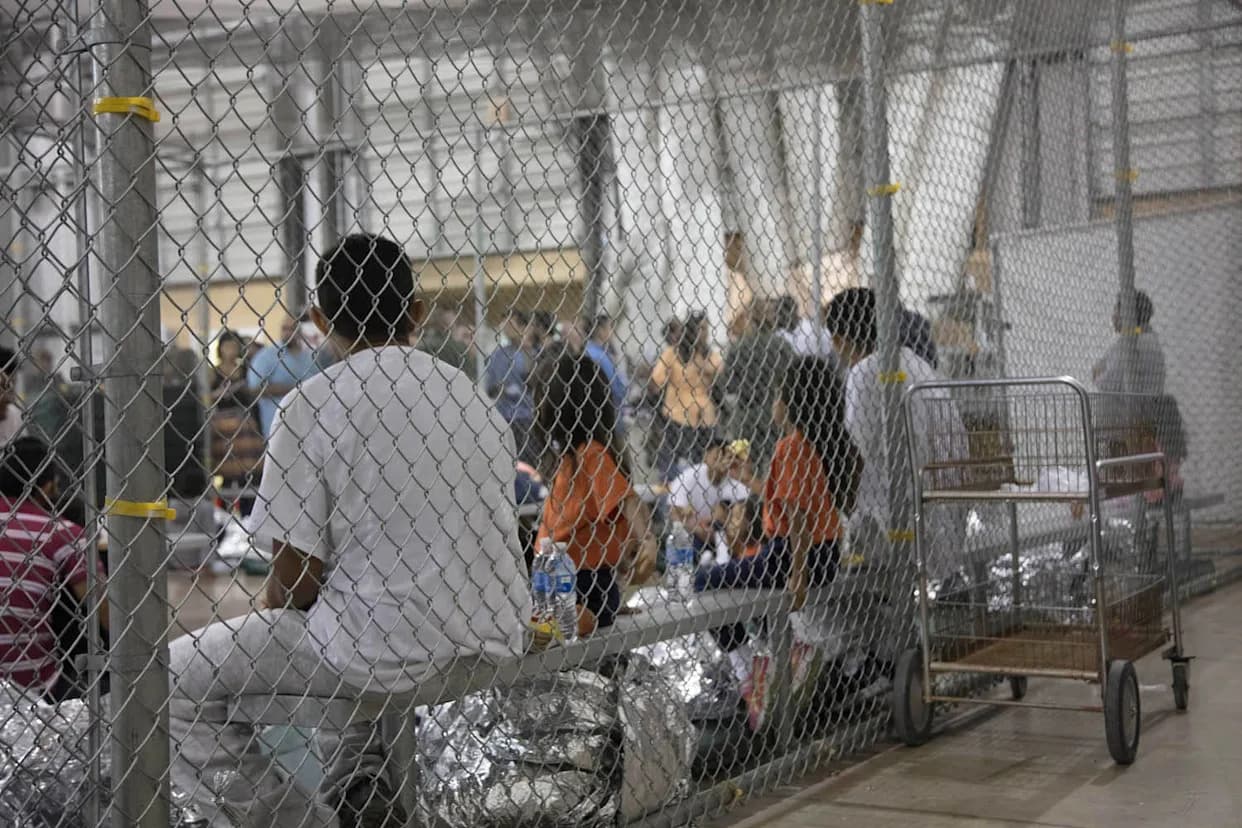
A divided federal appeals court on Friday upheld a Trump administration policy that permits authorities to detain millions of undocumented immigrants — including some who have lived in the United States for years — without granting bond hearings to seek release while their immigration cases proceed.
The conservative 5th U.S. Circuit Court of Appeals issued a 2-1 ruling that applies to people detained in Texas, Louisiana and Mississippi. The decision overturns a long-standing interior practice under prior administrations that allowed noncitizens apprehended away from the border and without criminal histories to seek release on bond as their removal cases moved through the immigration system.
Until the policy change last year, officials generally treated interior detainees differently from those placed in expedited removal at the border, who historically had limited or no access to bond hearings. Federal district courts across the country had repeatedly found the administration’s new policy unlawful in thousands of cases; Friday’s ruling is the first time an appeals court has sided with the government.
The majority opinion was drafted by Judge Edith Jones, a Ronald Reagan appointee, and joined by Judge Kyle Duncan, a Trump appointee. They concluded that prior administrations’ decision to exercise enforcement discretion more leniently did not deprive current officials of the authority to adopt stricter detention practices.
“That prior administrations decided to use less than their full enforcement authority … does not mean they lacked the authority to do more,” Judge Jones wrote.
Legal observers noted the government deliberately appealed to the Fifth Circuit, a court regarded as one of the most conservative federal appeals courts. Steve Vladeck, a CNN Supreme Court analyst and professor at Georgetown University Law Center, said the government chose a favorable forum and panel to press its first appellate challenge after losses in district courts.
Judge Dana Douglas, appointed by President Joe Biden, issued a sharp dissent warning of broad consequences. She wrote that the majority’s reasoning could allow detention without bond for up to two million noncitizens living in the interior of the United States and warned that the decision erodes a central distinction in immigration law.
“The government today asserts the authority and mandate to detain millions of noncitizens in the interior, some of them present here for decades, on the same terms as if they were apprehended at the border,” Judge Douglas wrote. She added that the change comes “without historical precedent” and effectively forces many detainees to pursue release through habeas corpus petitions instead of routine bond hearings before immigration judges.
With other circuit courts still considering challenges to the policy, the Fifth Circuit’s endorsement sets up a likely path to the Supreme Court, where the issue could determine the national scope of interior detention authority and the availability of bond hearings for noncitizens arrested away from the border.
Help us improve.