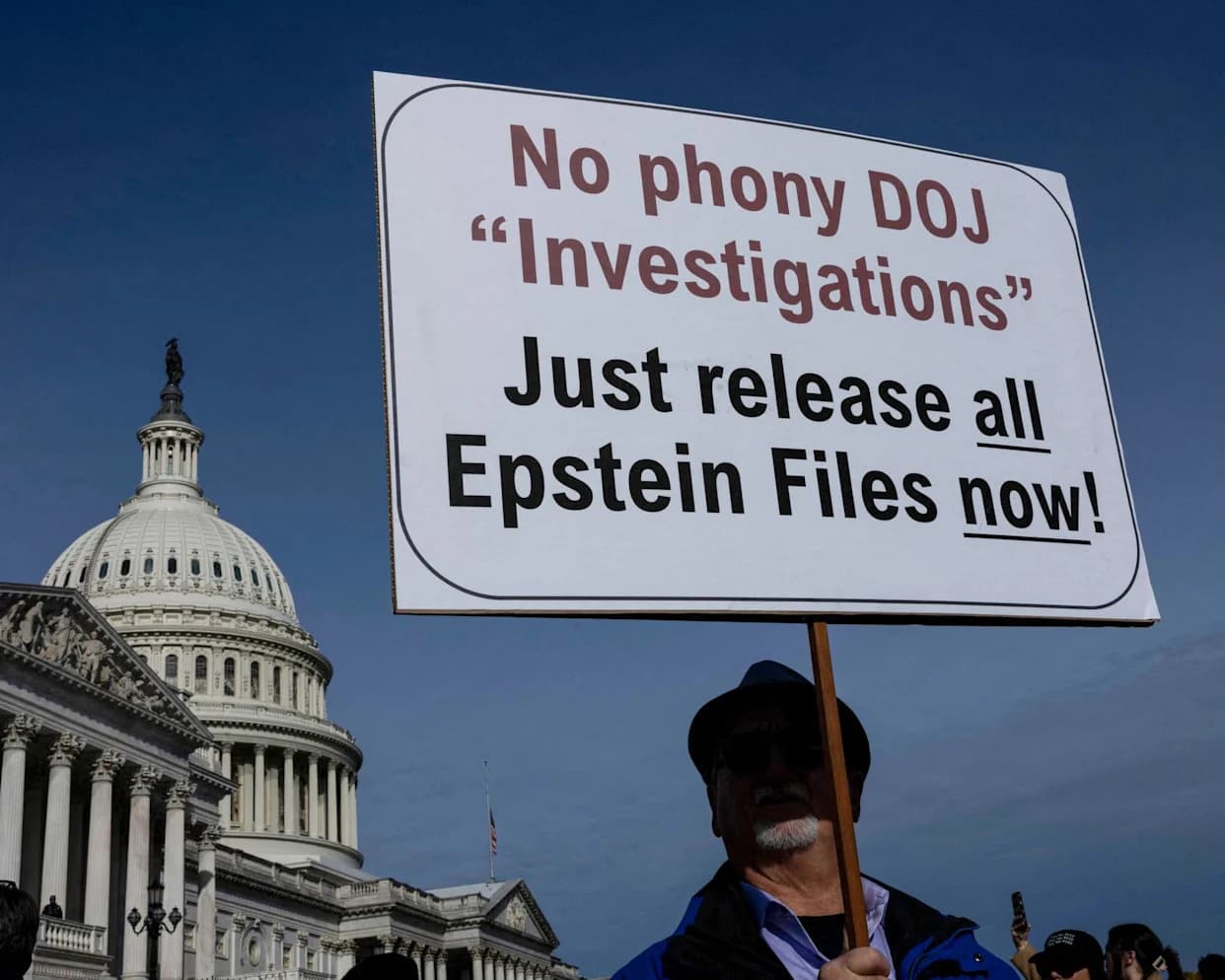
The recent DOJ release of millions of Jeffrey Epstein documents exposes a loose international network of wealthy and powerful figures connected by money, introductions and favors — not a single coordinated global conspiracy. While the records deepen ties between Epstein and politicians, tech leaders, royals and academics, appearing in the files does not prove criminal involvement. The files highlight how elite access and informal influence can shield individuals from ordinary accountability and underscore the need for continued investigation.
Epstein Files Expose A Network Of Elite Ties — Not One Grand Conspiracy

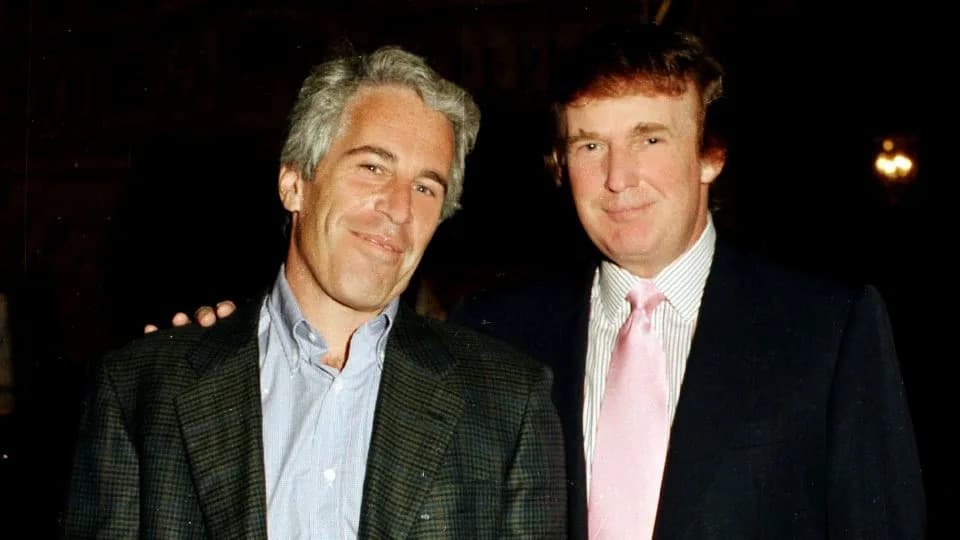
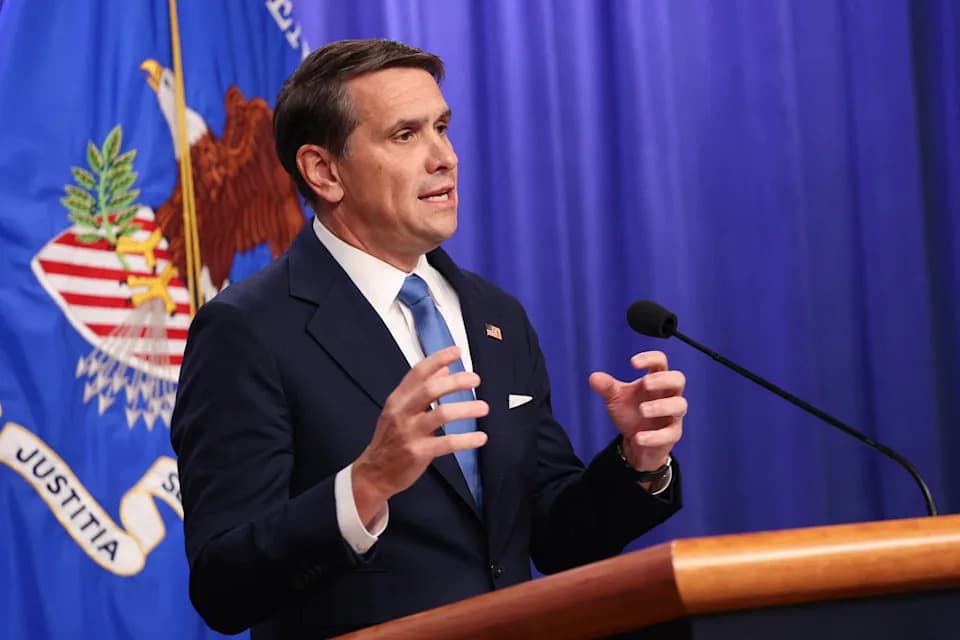
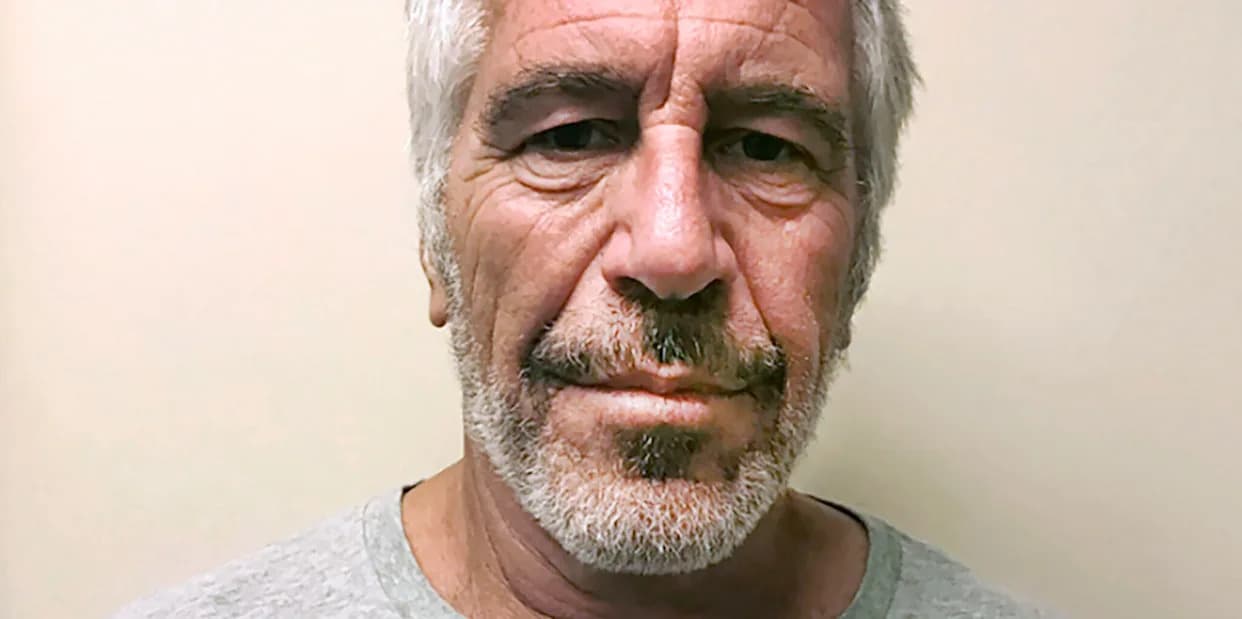
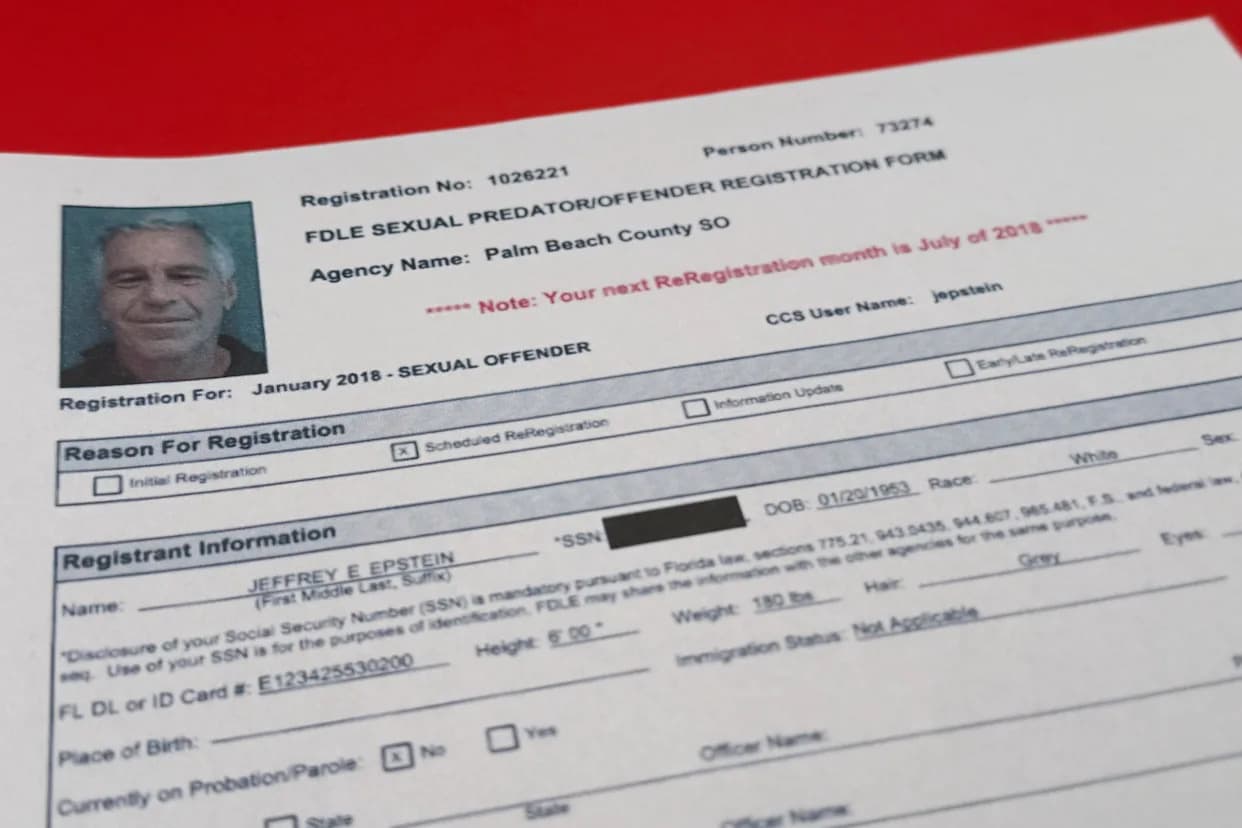
‘The files are an unflattering glimpse into the real ways that wealth is accumulated and power is brokered.’Composite: Rita Liu/The Guardian/Getty Images/United States Department of Justice(Composite: Rita Liu/The Guardian/Getty Images/United States Department of Justice)
The millions of pages of Jeffrey Epstein documents recently released by the US Department of Justice are both damning and clarifying. They provide a sprawling record of Epstein's contacts, transactions and communications with wealthy and powerful people around the world. What the files most clearly reveal is not a single coordinated global cabal, but a loose, transnational network of elites who trade access, favors and discretion.
What the Files Show
The records illuminate how Epstein cultivated ties to politicians, business leaders, royals, academics and tech entrepreneurs. He operated as an investor, fixer and social connector who used money, introductions and personal cajolery to gain entree into high circles. The documents include emails, text messages, travel logs and other materials that show repeated interactions between Epstein and a wide range of prominent figures.
Back-Channel Influence and Deal-Making
Far from functioning as an official diplomat, Epstein pursued informal influence: advising former Israeli prime minister Ehud Barak on post-office ventures; helping an Indian businessman seek access to Jared Kushner; exchanging communications with senior Kremlin officials in attempts to arrange meetings; and offering introductions and financial advice across sectors. These actions demonstrate how private actors can broker power without formal roles or oversight.
Money, Membership, And Social Trust
Epstein's membership in elite organizations like the Trilateral Commission, reportedly secured in part through donations, and his ability to place money or introductions with tech companies and banks, show how resources and intra-elite trust open doors. Investment advice, tax strategies and philanthropy were currencies that bought him access. The files also reveal that many prominent names appear in mundane contexts, which nonetheless reinforce perceptions of interconnected elite circles.
What The Files Do Not Prove
Being named in these documents is not proof of criminal conduct. Many entries are unverified allegations or routine references compiled by investigators. The files do not yet settle headline questions such as whether Epstein used systemic blackmail against powerful people, whether specific famous acquaintances participated in sex trafficking, or whether his 2019 death was anything other than the suicide authorities ruled.
Matthew Dallek, political historian at George Washington University, said the files confirm the core intuition behind many conspiracy theories: elites often receive special treatment and are shielded from rules meant to apply universally.
Notable Themes And Names
The released tranche deepens the record of Epstein's ties to an array of figures, including tech billionaires, former and current political appointees, and royalty. The documents mention — in contexts that range from transactional to social — people such as Donald Trump, Howard Lutnick, Ehud Barak, Peter Thiel, Steve Bannon and Noam Chomsky. Where the records suggest meetings or travel, those named have variously disputed the implications or denied the encounters.
Why This Matters
The most important takeaway is institutional: the files underscore how elite networks can shield members from ordinary scrutiny and how private influence operates across national borders. Whether through donations, investment relationships, or social introductions, Epstein exploited a system that often privileges wealth and proximity to power. That prosaic explanation — not secret rituals or a single, organized conspiracy — is the most convincing account of how Epstein gained and wielded influence.
Caveat: These documents represent the largest public tranche so far; the Department of Justice is reportedly withholding additional pages. As reporting continues, new details may clarify or revise current understanding.
Ultimately, the Epstein files are a call for sustained scrutiny of how access, money and informal influence shape political and economic outcomes.
Help us improve.