The beautician’s firsthand videos document the deadly security response to mass protests in Karaj on Jan. 8 and the paralyzing fear that followed. She reports seeing nearly 20 people shot and describes a climate of grief, chronic sleeplessness and isolation after a monthlong internet blackout and mass detentions. Monitoring groups estimate at least 6,854 deaths and more than 50,000 detentions, though the true toll may be higher. The AP verified the footage’s location but is withholding names for safety.
She Filmed Iran’s Jan. 8 Crackdown in Karaj — Now She’s Too Afraid to Leave Home

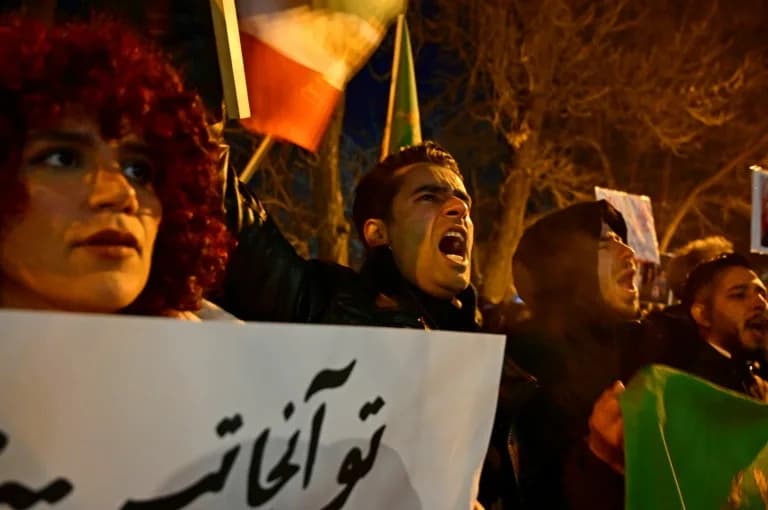
FILE - In this photo obtained by The Associated Press, Iranians attend an anti-government protest in Tehran, Iran, Friday, Jan. 9, 2026. (UGC via AP, File)(ASSOCIATED PRESS)
BEIRUT (AP) — A 37-year-old beautician in Karaj who captured gunfire and chaos during mass protests on Jan. 8 says she is now too frightened to leave her home after witnessing scenes of bloodshed and mass arrests.
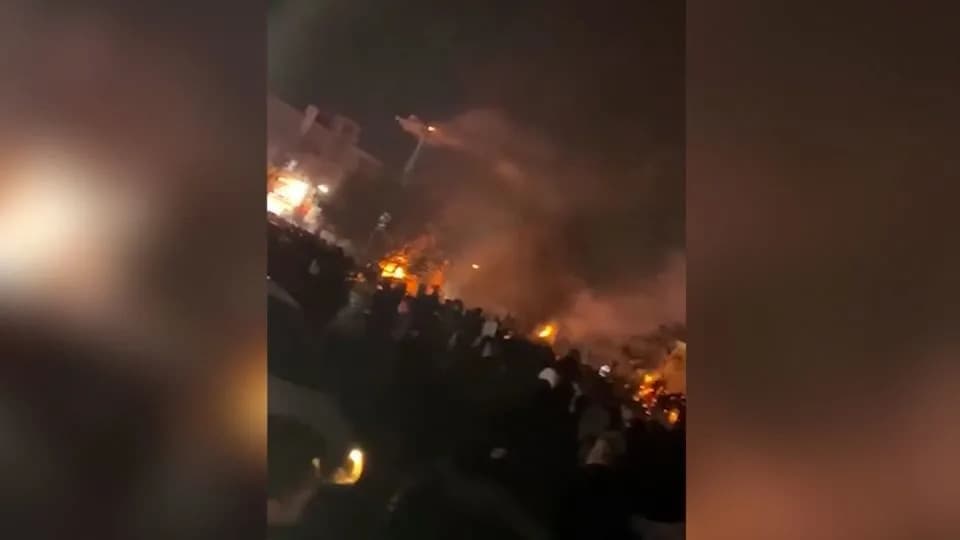
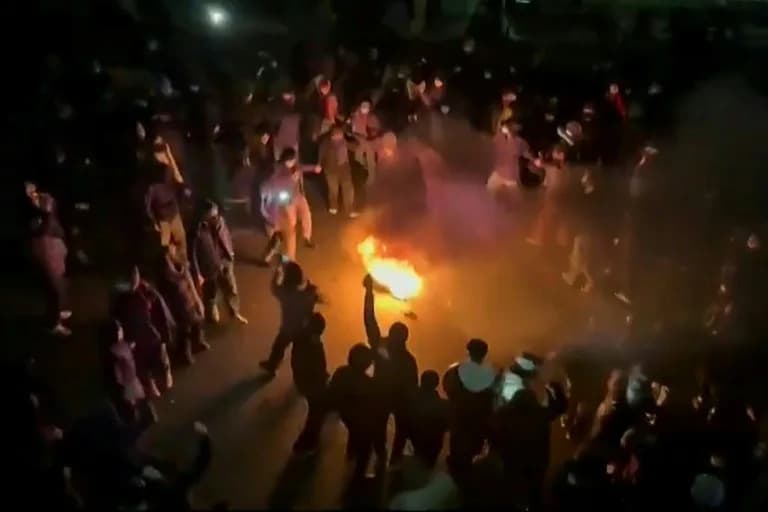
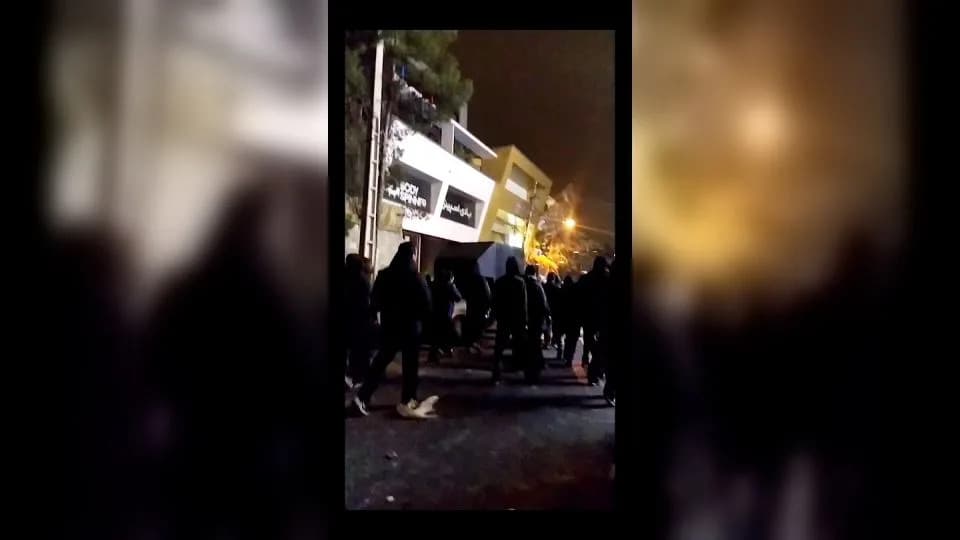
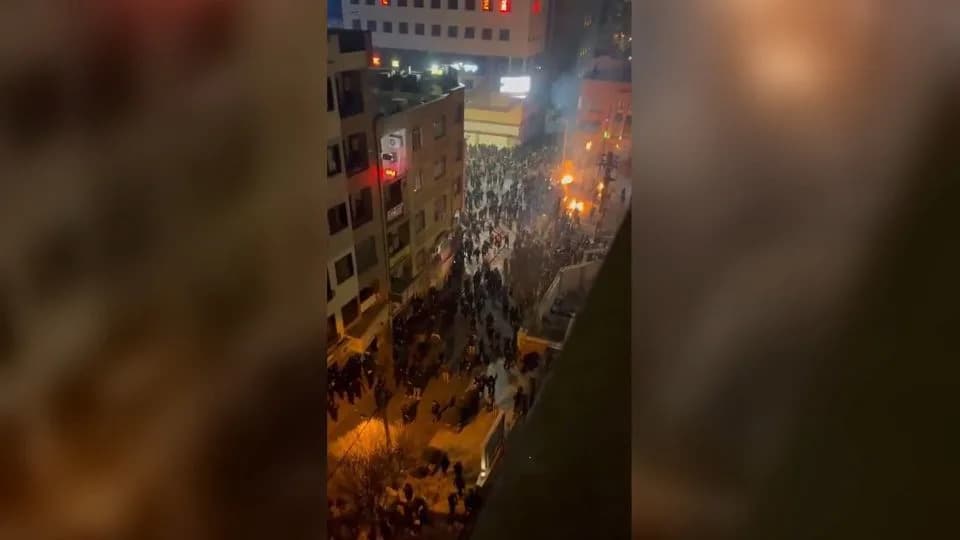
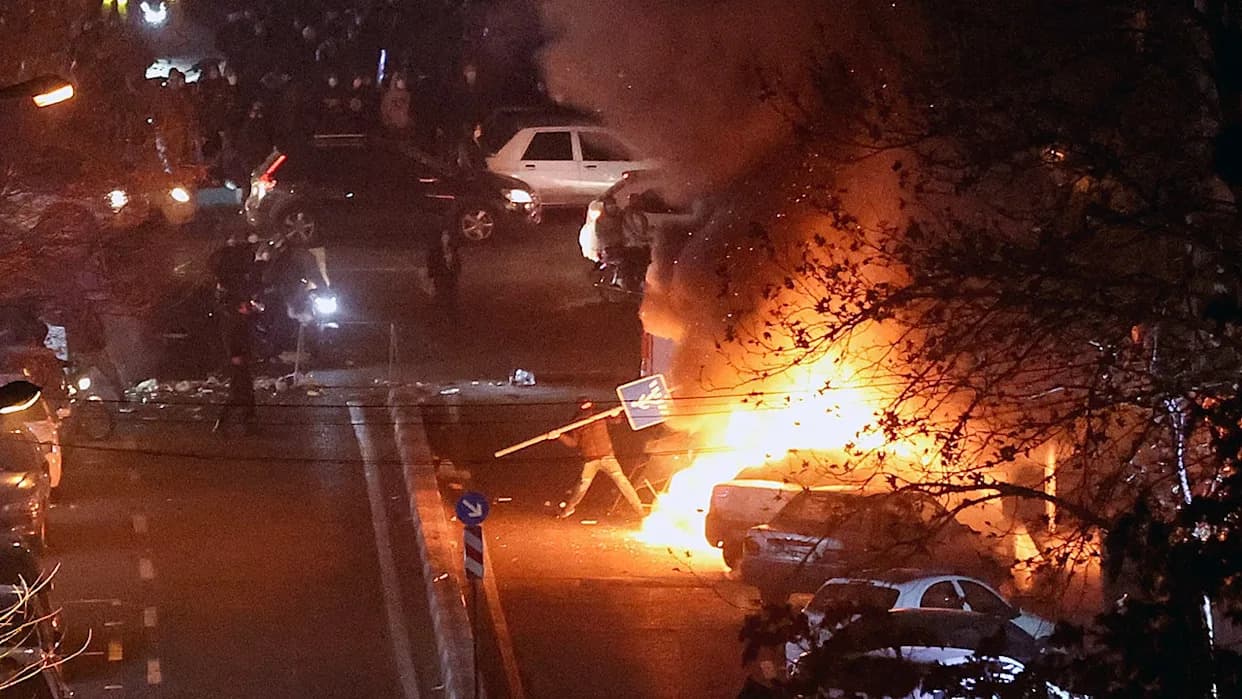
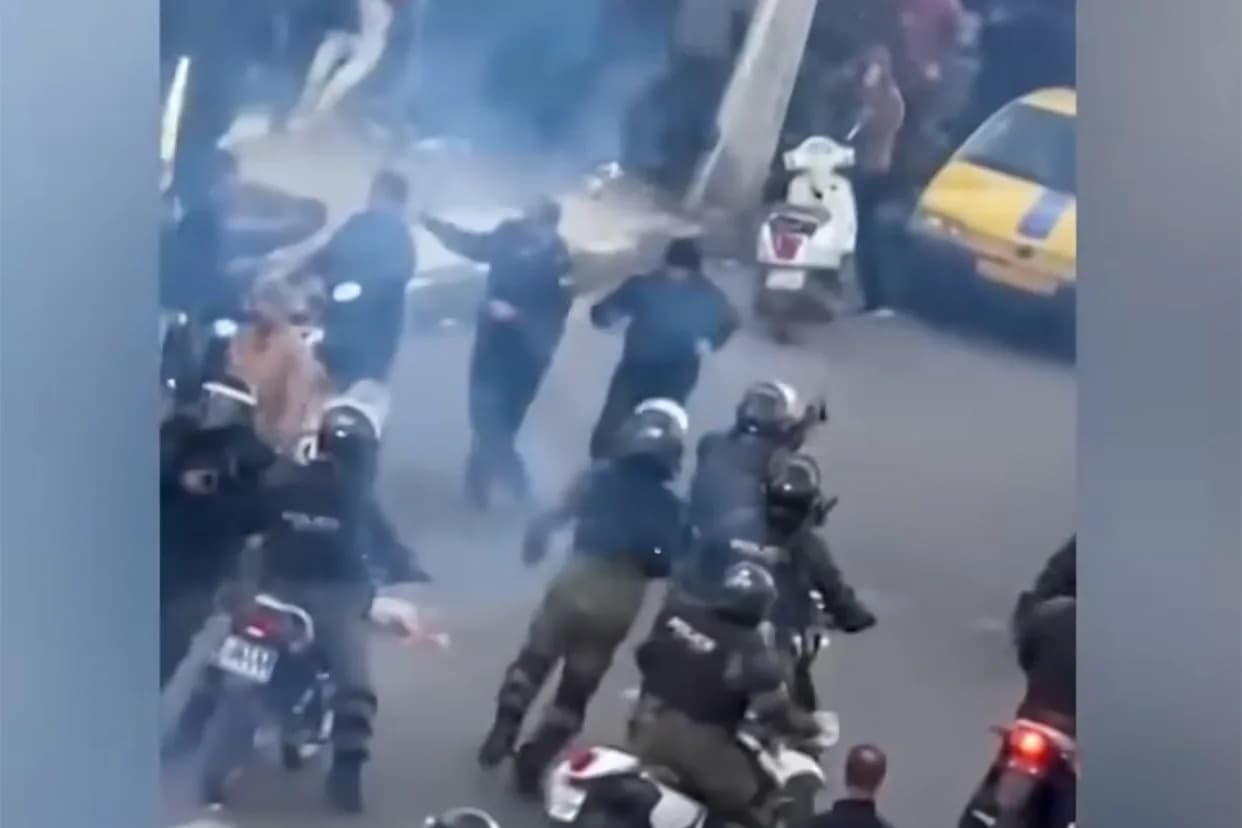
She and friends took refuge under trees and in the darkness as tear gas canisters fell around a crowded boulevard and small fires burned nearby. Gunshots are audible on the phone video she recorded. “Don’t be afraid,” she sobbed on camera as the crowd replied in a loud chorus, “Don’t be afraid. We are all together.” Alarmed, she asked, “Are they using live bullets? Shameless! Shameless!” Many in the crowd chanted “Death to the dictator!”
From Hope to Fear
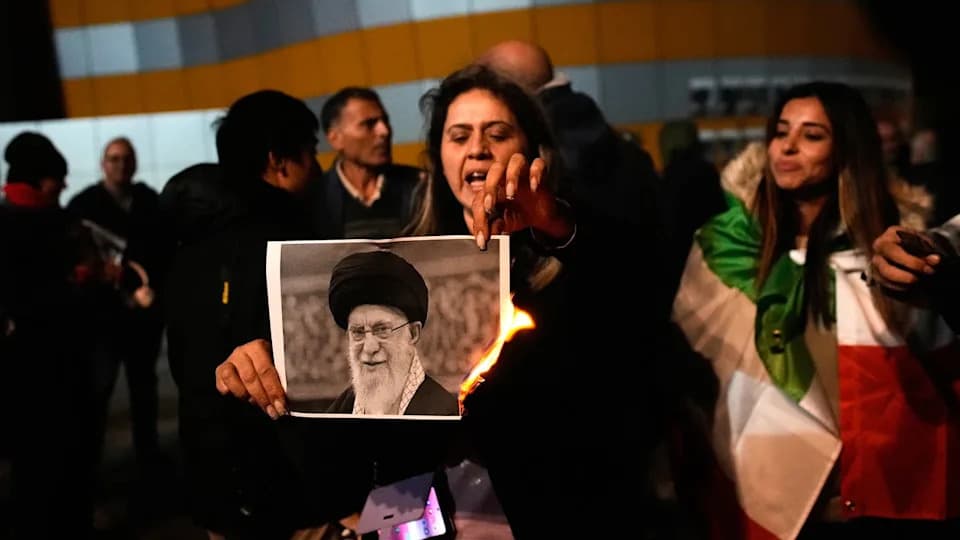
The scenes were part of what rights monitors say were nationwide rallies on Jan. 8, when demonstrations swept at least 192 cities across Iran’s 31 provinces. Protesters were driven onto the streets by a mix of economic hardship — including sharp currency decline and rising prices — and long-simmering anger over political repression.
The beautician had participated in earlier protests, including the 2022 demonstrations after the death of Mahsa Amini. Financial strain pushed her back into the streets this winter: she says her income fell to the equivalent of about $40 in December, down from a typical $300–$400 monthly range over the past year.
Violence and Its Aftermath
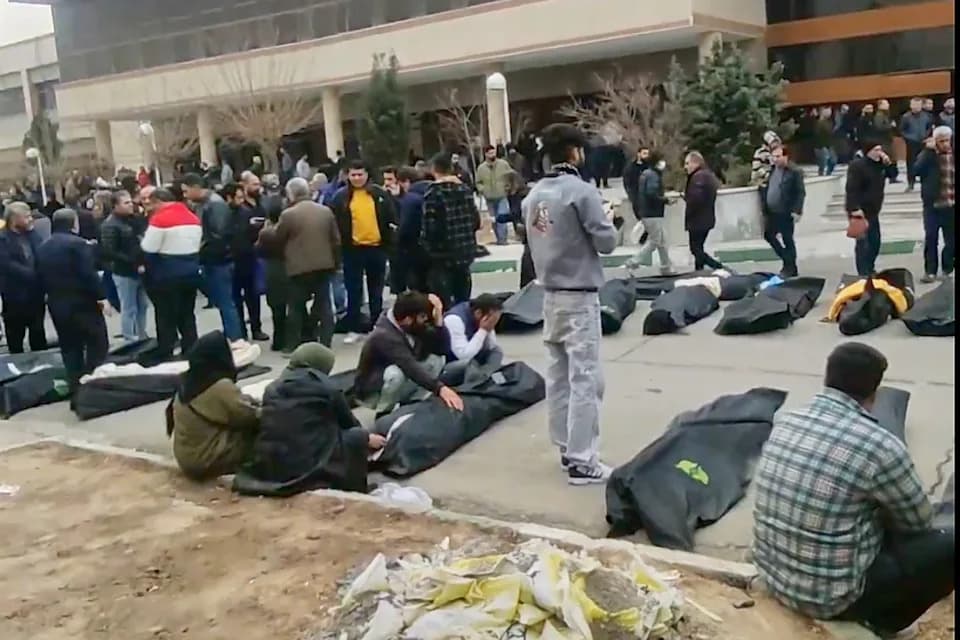
Human rights groups and monitoring organizations report heavy casualties in the crackdown. Monitoring groups estimate at least 6,854 people killed — most on Jan. 8 and 9 — and warn the true number could be much higher. More than 50,000 detentions have also been reported amid a monthlong internet blackout that obscured the full scope of events.
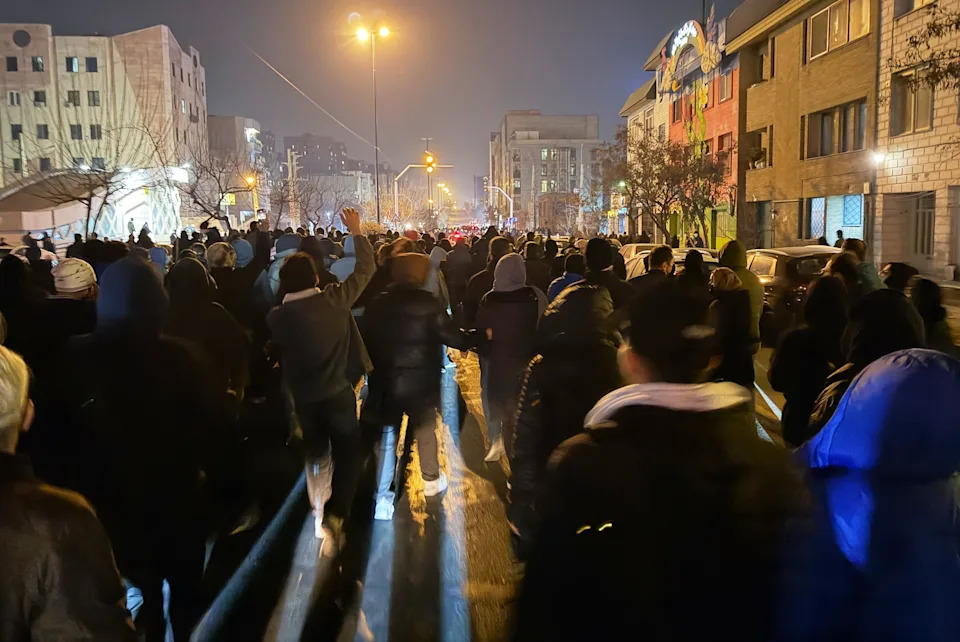
FILE - In this photo obtained by The Associated Press, Iranians attend an anti-government protest in Tehran, Iran, Thursday, Jan. 8, 2026. (UGC via AP, File)(ASSOCIATED PRESS)
The beautician’s messages and more than a dozen videos she shared with a relative during intermittent internet access were provided to The Associated Press, which verified the footage’s location by matching landmarks around Samandehi Park in Karaj. The AP is withholding names for safety. While not every detail could be independently corroborated, her account aligns with other eyewitness reports and documentation from rights groups.
She described witnessing nearly 20 people shot in her immediate area. In one account she recounted, the parents of a family friend were killed while attempting to aid a wounded person; in another, officials required a grieving daughter to pay roughly $4,500 to recover her father’s body. One video shows a group desperately trying to stop heavy bleeding from a wounded protester, their fear of seeking hospital care evident in calls of “We can’t go to the hospital.”
Life Under Siege
After that night, the beautician says she retreated into terrified isolation. She moved in with her mother, avoids going outside, and rarely films anymore. Neighbors agreed not to open their doors to anyone who rings the bell. She reports chronic sleeplessness despite taking tranquilizers and says the community is gripped by grief, anger and a pervasive sense of despair that change may not come.
“We are all in mourning, filled with anger that we no longer even dare to shout out, for fear of our lives. Because they have no mercy.”
The beautician also expressed concern that international diplomacy — including Iran-U.S. nuclear talks — may not protect protesters or produce meaningful change, fearing Iran’s leadership will become further entrenched.
Context: Authorities in Tehran have described the unrest as a coup and put the death toll from the protests at more than 3,000, a figure disputed by rights groups and monitors. The true human cost and the full sequence of events remain clouded by the communications blackout and continuing detentions.
Help us improve.