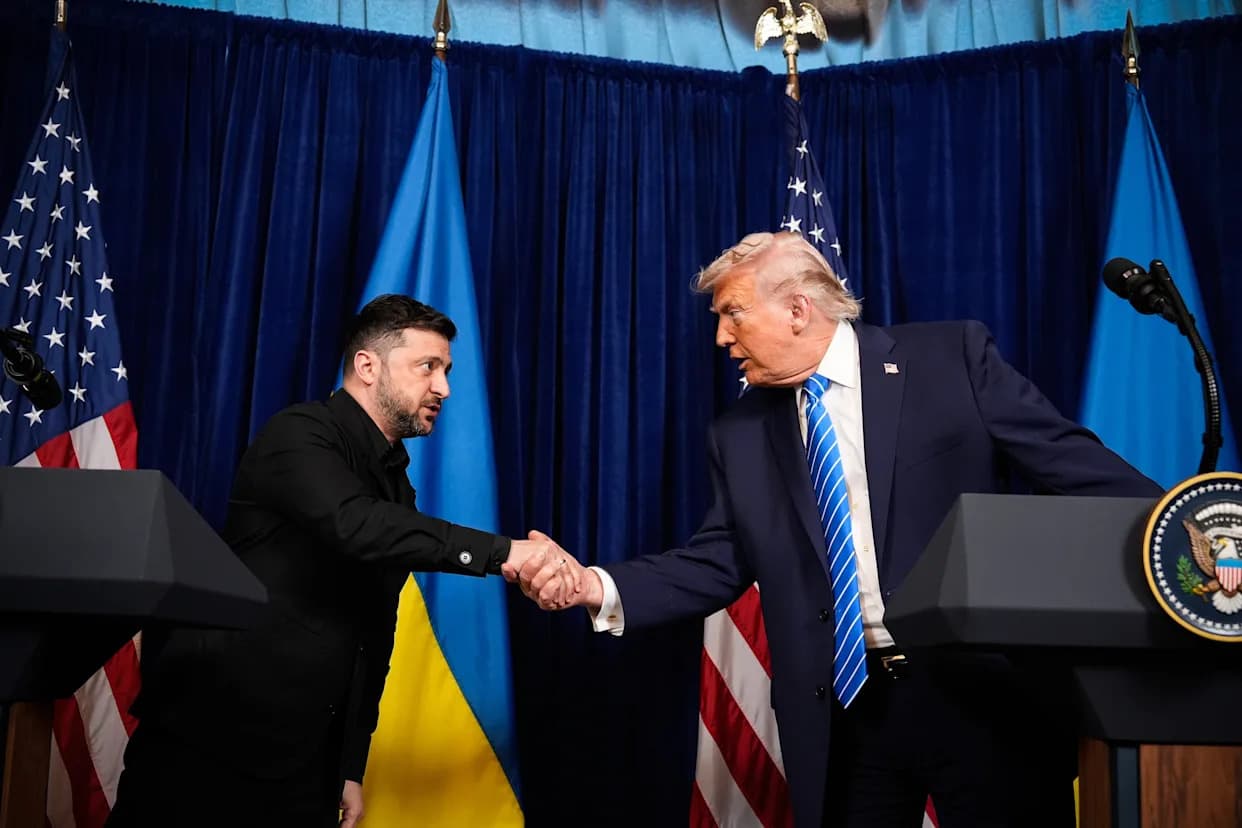
KYIV — The United States has informed Ukraine and Russia that it expects a peace agreement by June, President Volodymyr Zelenskyy said, even as renewed Russian strikes on energy infrastructure forced Ukrainian nuclear power plants to reduce generation on Saturday.
U.S. Deadline and Upcoming Trilateral Talks
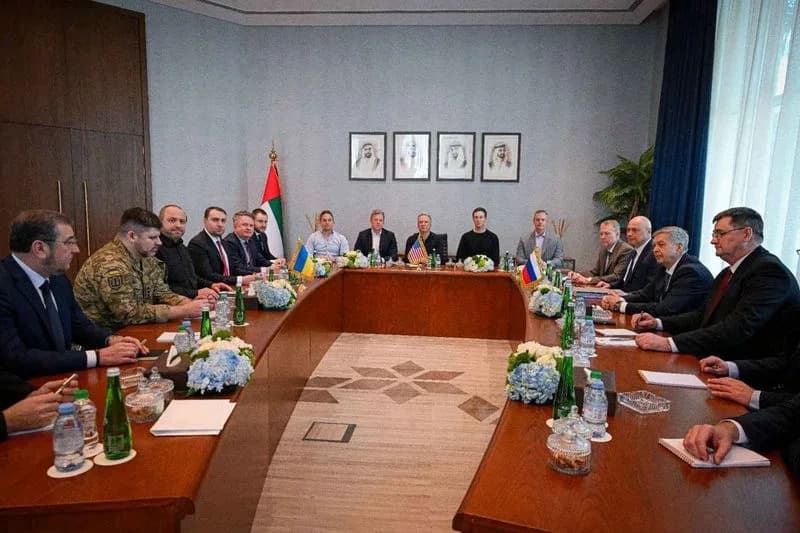
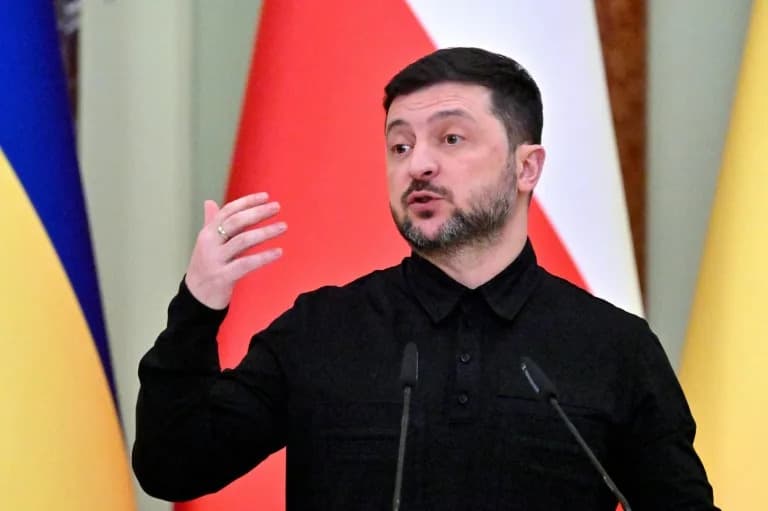
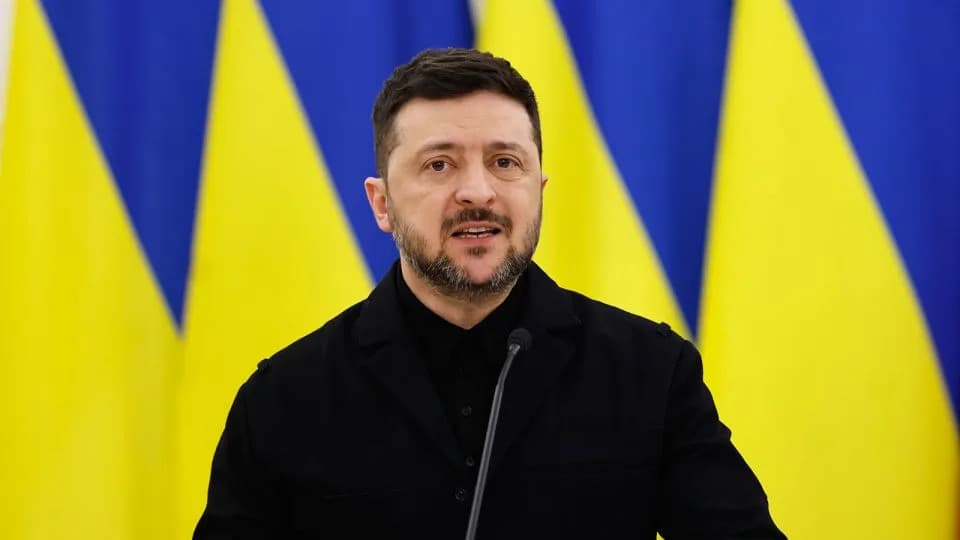
Zelenskyy told reporters that Washington has proposed a clear timetable aimed at ending the nearly four-year war "by the beginning of this summer," and that the U.S. administration is prepared to apply pressure on both sides if the deadline is missed. He said the next round of trilateral talks is likely to be held in the United States — probably Miami — and that Kyiv has confirmed its participation.
“The Americans are proposing the parties end the war by the beginning of this summer and will probably put pressure on the parties precisely according to this schedule,” Zelenskyy said.
Economic Proposals and Negotiation Sticking Points
Zelenskyy said Russia presented what it calls a $12 trillion economic offer, which he referred to as the "Dmitriev package," named after Russian envoy Kirill Dmitriev. He described bilateral economic deals with the U.S. as part of a broader negotiation framework. Negotiators remain far apart on core security issues — notably Russia's demand that Ukraine withdraw from the Donbas, a condition Kyiv says it will not accept.
Delegates also failed to reach agreement on how to manage the Russian-held Zaporizhzhia nuclear plant. Zelenskyy expressed skepticism about a U.S. suggestion to convert parts of the Donbas into a free economic zone as a potential compromise, noting parties have differing views on how that would work.
Widespread Attacks on Energy Infrastructure
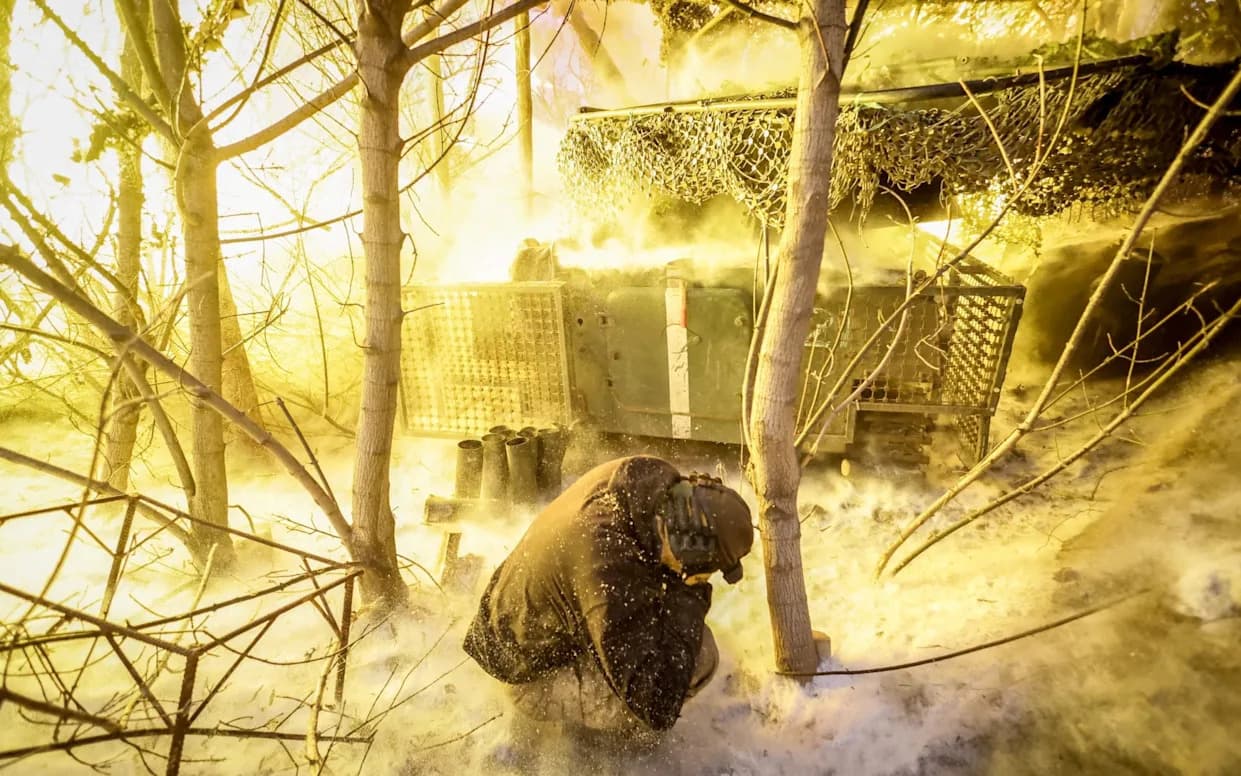
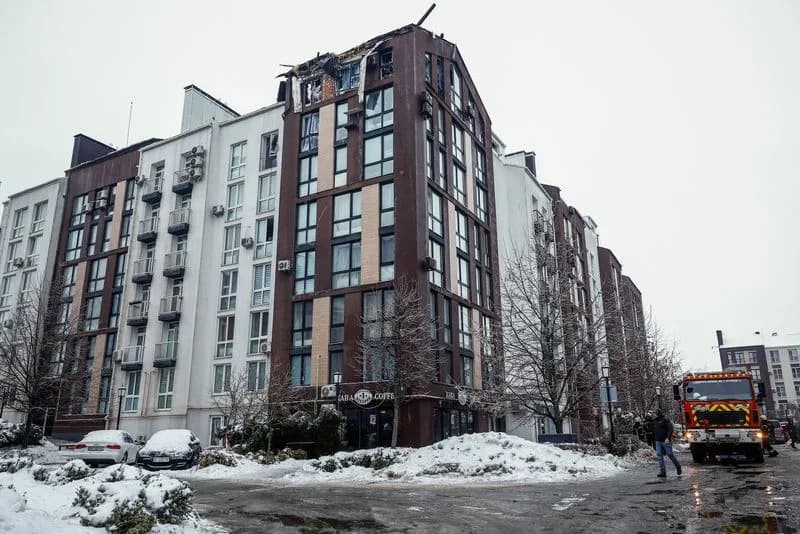
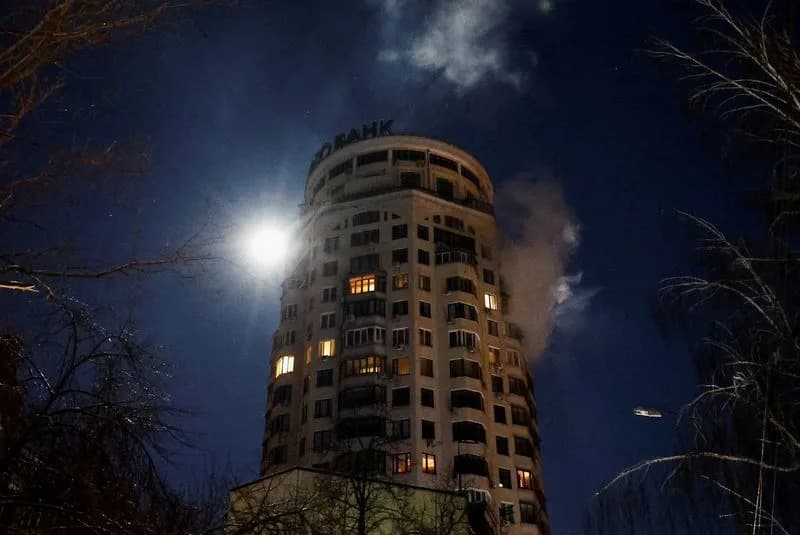
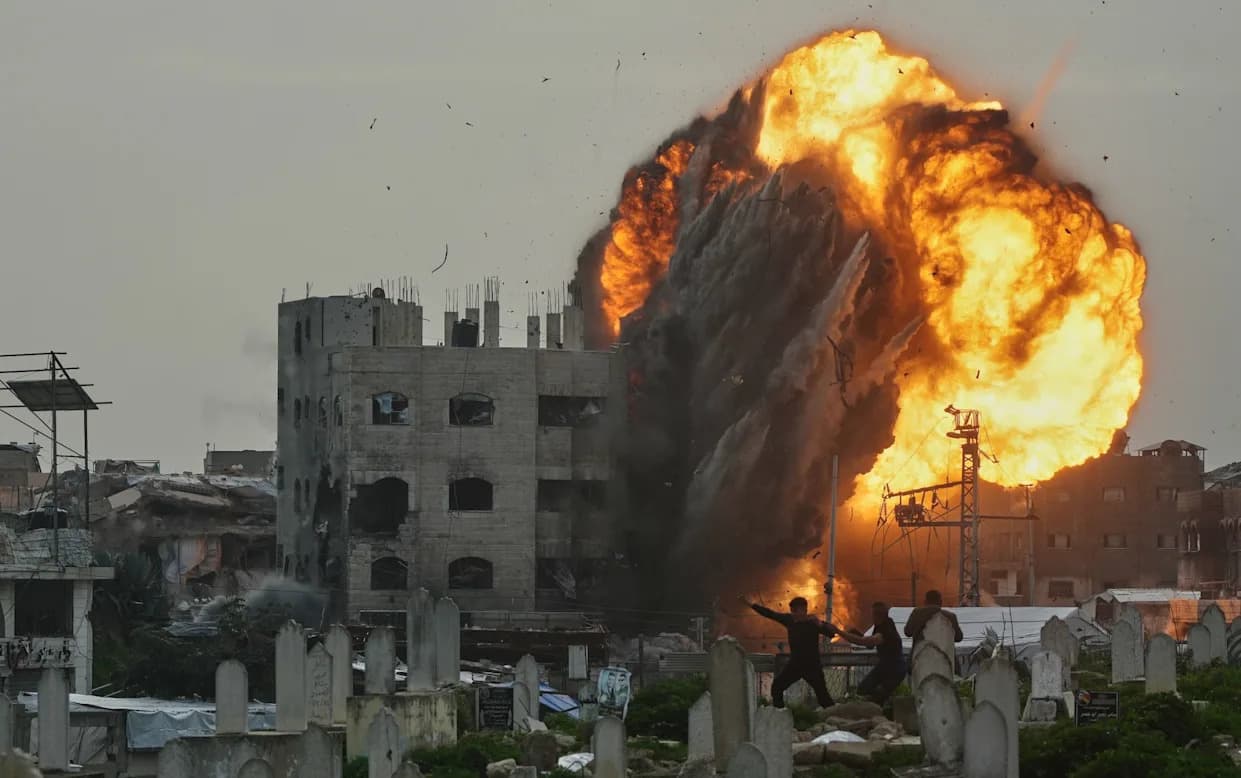
In an update on X, Zelenskyy said more than 400 Iranian-made drones and roughly 40 missiles were launched at Ukraine overnight, striking the energy grid, generation facilities and distribution networks. Ukrenergo, the state grid operator, called it the second mass attack on energy infrastructure this year and said eight facilities in eight regions were hit.
“As a result of missile strikes on key high-voltage substations that ensured the output of nuclear power units, all nuclear power plants in the territories under control were forced to reduce their load,” Ukrenergo said. The operator added that the strikes significantly increased the country's power deficit and forced an extension of hourly power outages nationwide.
Ceasefire Monitoring And Humanitarian Impact
Zelenskyy said negotiators discussed technical arrangements for monitoring any ceasefire and that the United States reaffirmed it would play a role in that process. Washington has also proposed a ceasefire that would ban strikes on energy infrastructure; Kyiv says it is ready to observe such a pause if Russia commits. He warned, however, that an earlier U.S.-suggested one-week pause was violated by Moscow after four days.
Repeated attacks on the power grid in recent months have caused blackouts and disrupted heating and water supplies during a bitter winter, compounding humanitarian stresses on civilians across Ukraine.