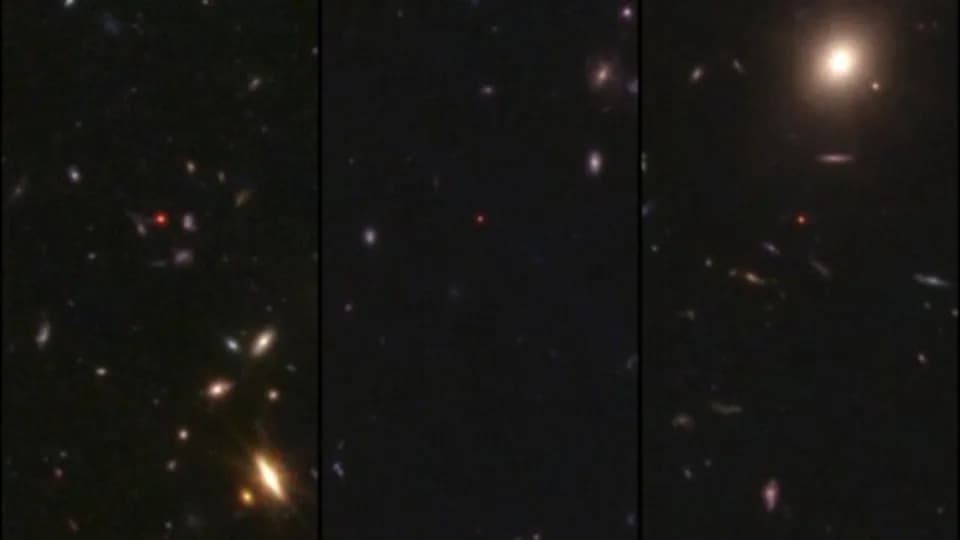
A multi‑telescope survey using JWST, Hubble and ALMA examined 18 galaxies about 12.5 billion light‑years away and found they were chemically and structurally more mature than expected less than 1 billion years after the Big Bang. The galaxies show high carbon and oxygen abundances, rotating stellar disks, and many host rapidly accreting supermassive black holes. Metal enrichment extends into the circumgalactic medium beyond 30,000 light‑years. Researchers will compare these spatially resolved observations with simulations to explain how such rapid growth and enrichment occurred.
JWST, Hubble and ALMA Reveal Young Galaxies Mature Far Faster Than Models Predicted
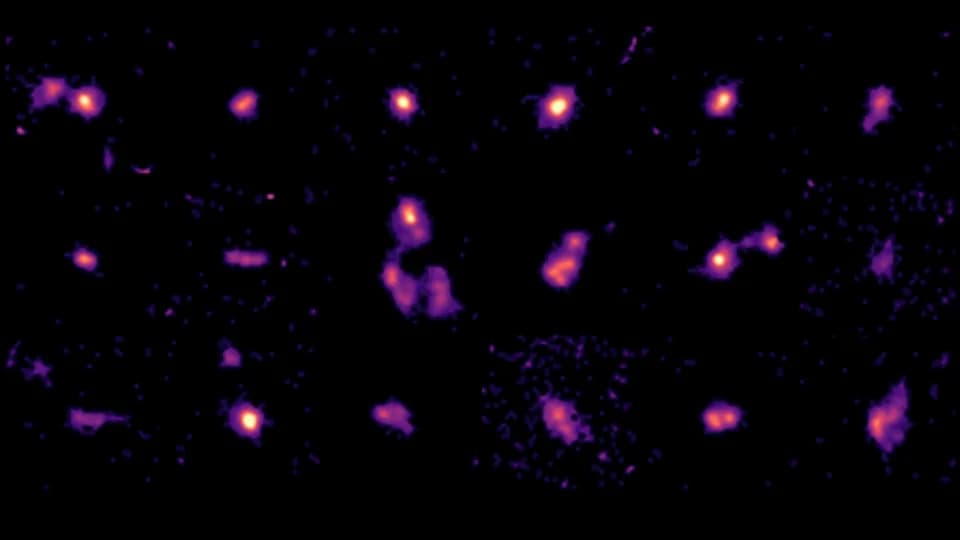
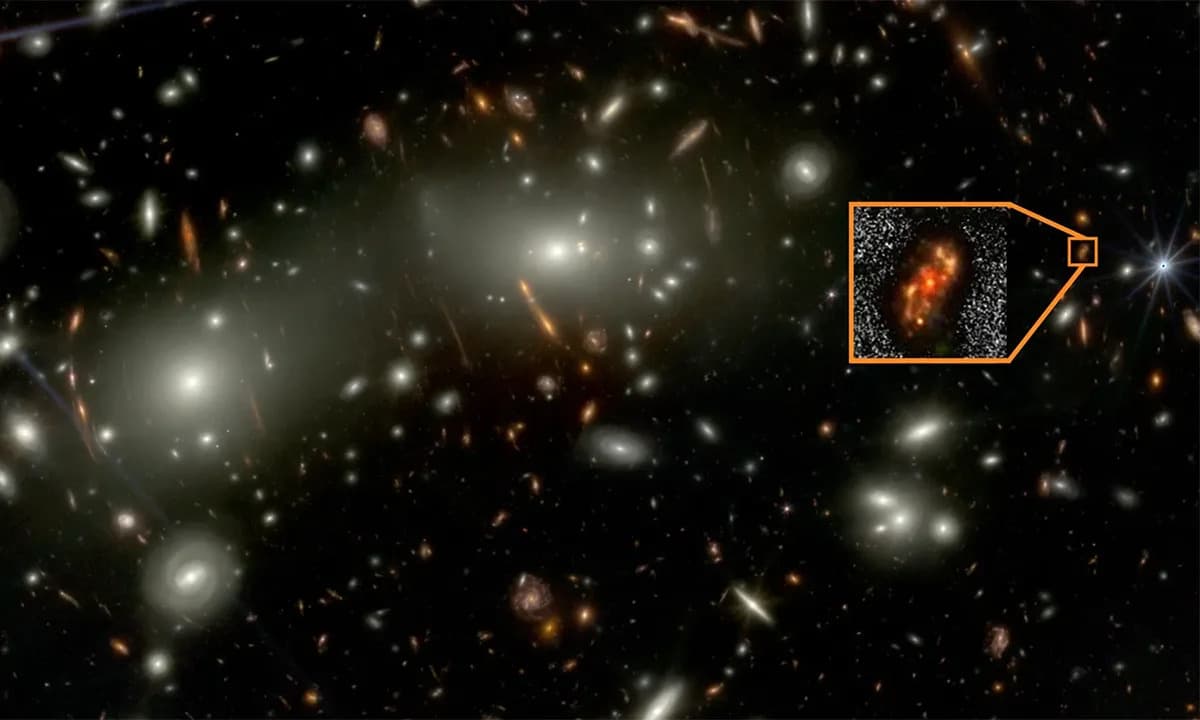
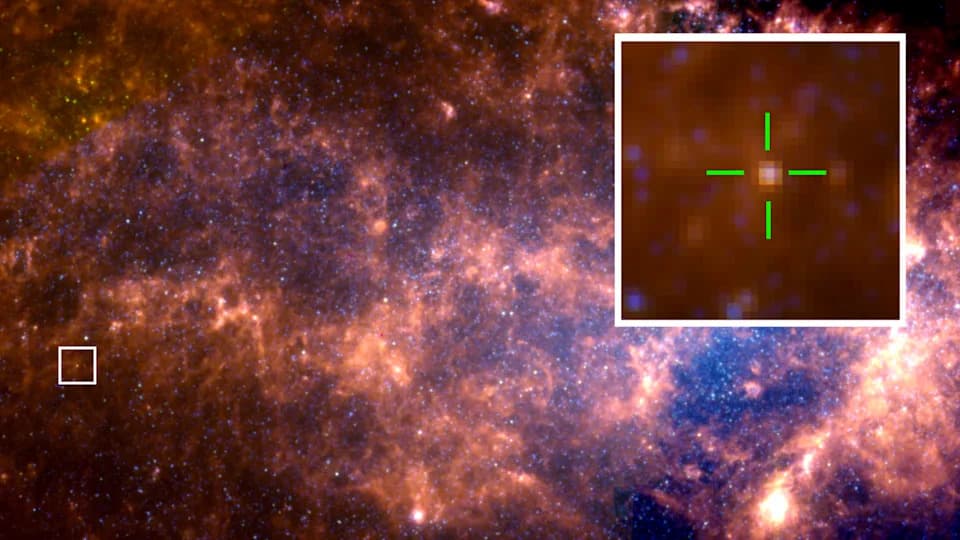
The 18 galaxies from the ALPINE-CRISTAL-JWST survey. | Credit: Andreas Faisst (Caltech) and the ALPINE-CRISTAL-JWST Survey team
A new multi‑telescope study using the James Webb Space Telescope (JWST), the Hubble Space Telescope and the Atacama Large Millimeter/submillimeter Array (ALMA) has produced the clearest, spatially resolved view yet of young galaxies in the early universe — and the picture is surprising. The team studied 18 galaxies roughly 12.5 billion light‑years away (just over 1 billion years after the Big Bang) and found that many were already chemically and structurally more mature than theoretical models had anticipated.
Key Findings
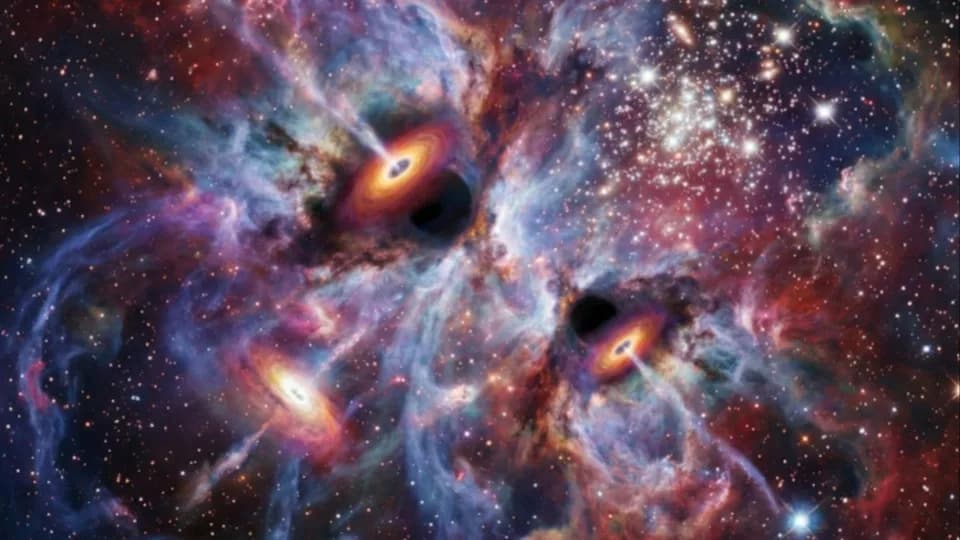
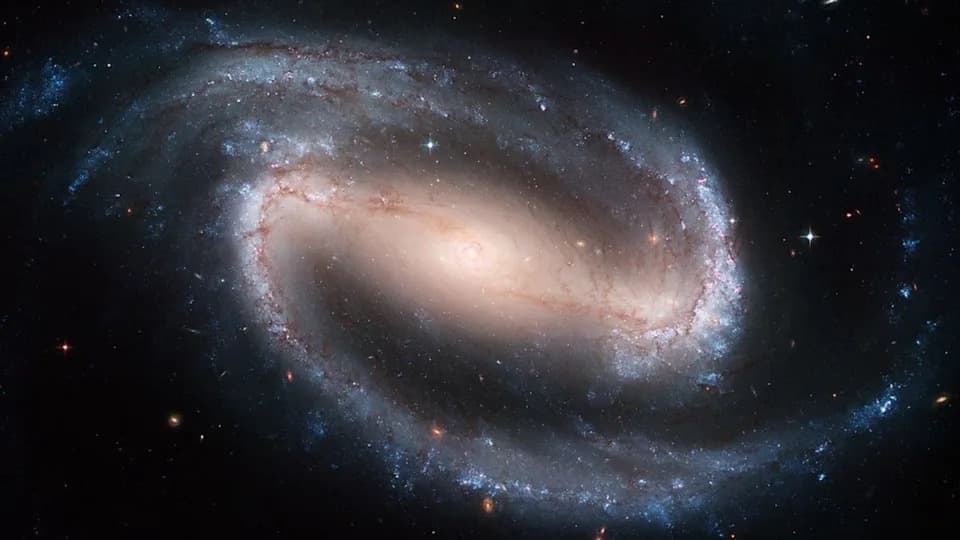
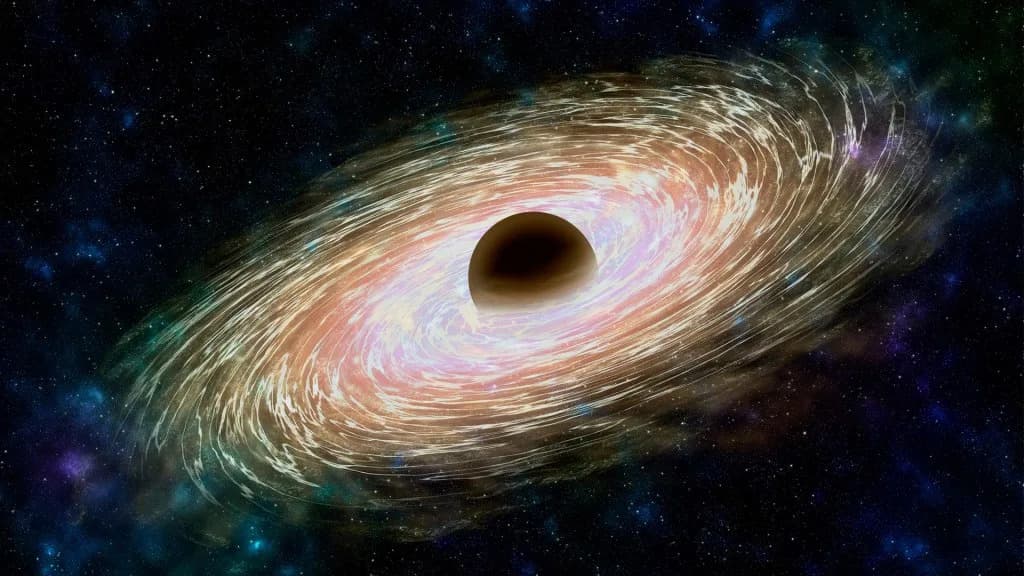
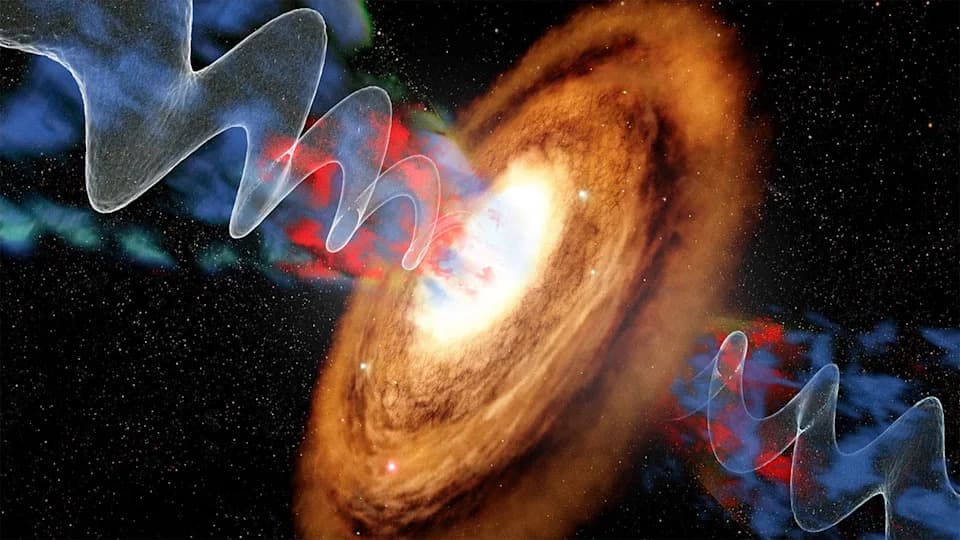
The galaxies show unexpectedly high abundances of "metals" (elements heavier than hydrogen and helium), particularly carbon and oxygen, implying rapid chemical enrichment in less than a billion years. Several galaxies display rotating stellar disks similar to those seen in more evolved systems, and many host rapidly accreting supermassive black holes — evidence that both stellar and black‑hole growth were vigorous at this early epoch. The team also found that the surrounding circumgalactic gas is metal‑rich, with very flat abundance gradients extending beyond 30,000 light‑years.
"With this sample, we are uniquely poised to study galaxy evolution during a key epoch in the universe that has been hard to image until now," said Andreas Faisst of Caltech. "Thanks to these exceptional telescopes, we have spatially resolved these galaxies and can observe the stages of star formation as they were happening and their chemical properties when our universe was less than a billion years old."
Why This Matters
In the early universe, the first stars formed from nearly pure hydrogen and helium. Heavier elements are synthesized inside stars and dispersed into their host galaxies by supernovae and stellar winds, a process expected to take many generations of stars. Finding strong metal enrichment, organized galactic rotation and active black‑hole growth so early challenges current models of how quickly star formation, metal production and structural assembly proceed.
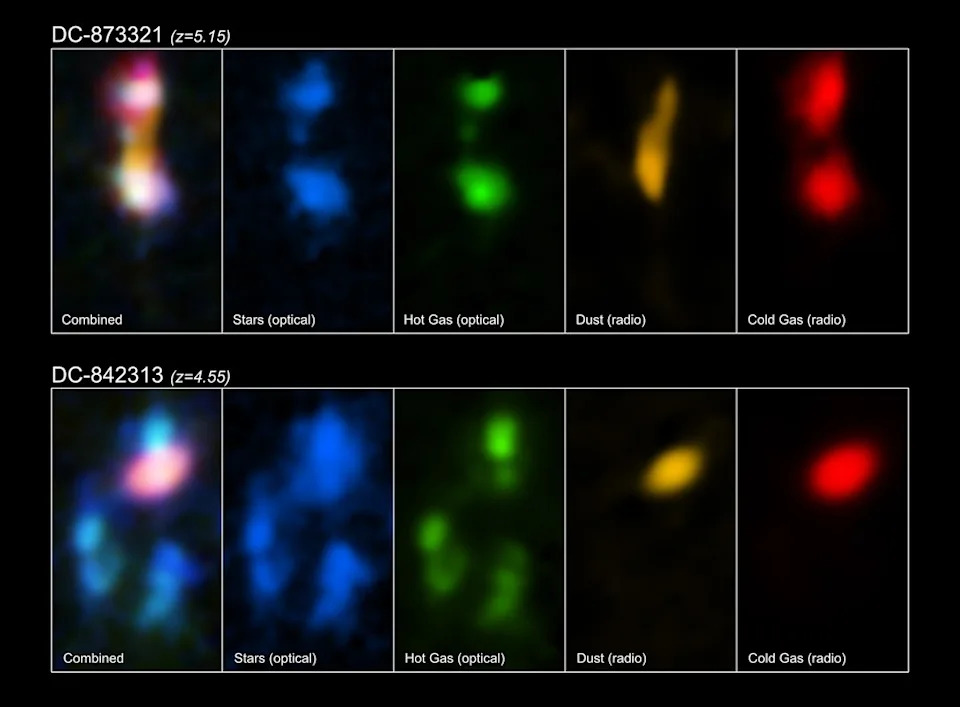
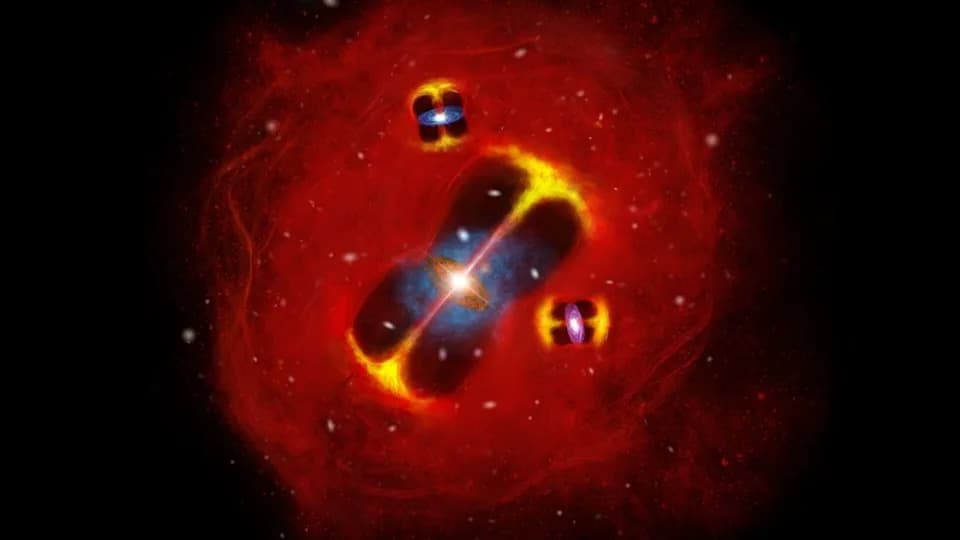
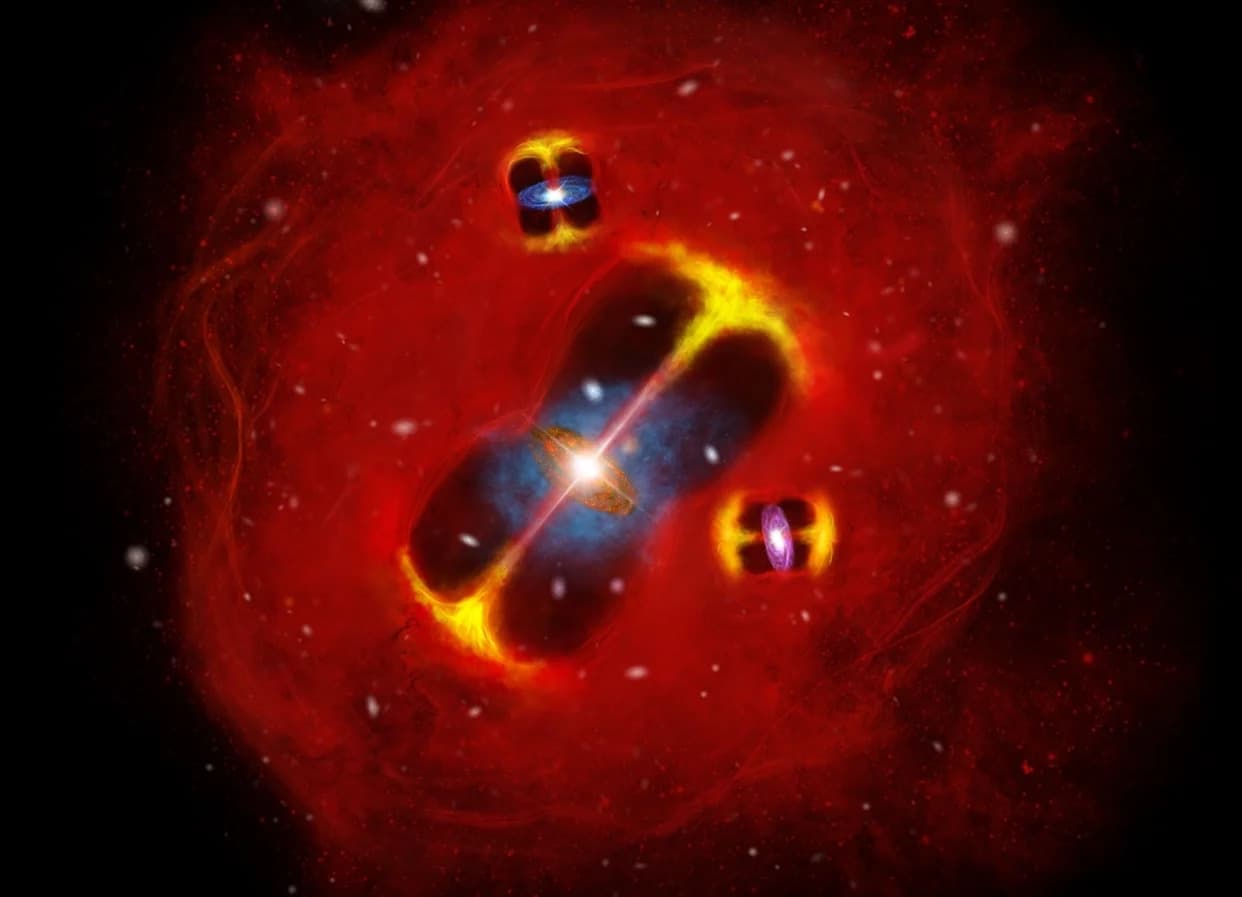
The early galaxies DC-873321 and DC-842313, part of a sample of 18 galaxies found to be chemically and structurally mature | Credit: Robert Hurt (Caltech), Andreas Faisst (Caltech) and the ALPINE-CRISTAL-JWST Survey team
Surprises and open questions: How did carbon, oxygen and other heavy elements accumulate to the observed levels in under a billion years? What role did fast, repeated bursts of star formation, efficient mixing, galaxy mergers, or inflows and outflows play in producing the flat metal gradients that reach tens of thousands of light‑years?
"It was a surprise to see such chemically mature galaxies," Faisst added. "It's like seeing 2‑year‑old children act like teenagers. How do metals form in less than 1 billion years?"
Team member Wuji Wang of Caltech's Infrared Processing & Analysis Center noted the extent of enrichment: "The galaxies show very flat gradients in their metal abundances, reaching out to more than 30,000 light‑years."
Next Steps
The researchers plan to compare their spatially resolved observations with advanced simulations of galactic growth, star formation, dust production and metal dispersal. Matching simulations to the new, high‑resolution data should clarify the timing and mechanisms that produced these early, unexpectedly mature systems and inform models for the formation of the first stars, planets and galaxies — including the eventual emergence of systems like the Milky Way.
Publication and presentation: The results were presented at the 247th meeting of the American Astronomical Society in Phoenix and published in The Astrophysical Journal Supplement.
Help us improve.