NASA's Jet Propulsion Laboratory has reanalyzed Cassini gravity data and now questions the existence of a global subsurface ocean on Titan. The new model proposes a layered interior of ice, dissipative slush and limited pockets of warm water that can reproduce the observed tidal flexing. Researchers found higher internal energy dissipation consistent with slushy regions rather than a continuous liquid layer. Localized melt pockets could still host organic-rich environments relevant to astrobiology and future exploration.
JPL Reanalysis Suggests Titan May Lack a Global Ocean — Ice, Slush and Local Water Pockets Instead

This week, scientists at NASA's Jet Propulsion Laboratory (JPL) published a reanalysis of spacecraft data that challenges the long-standing view that Saturn's largest moon, Titan, harbors a global subsurface ocean.

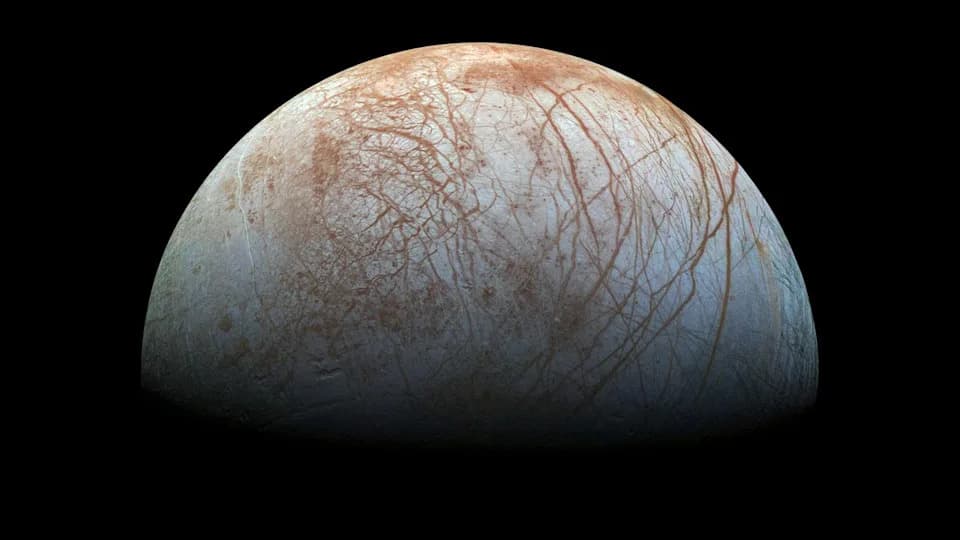
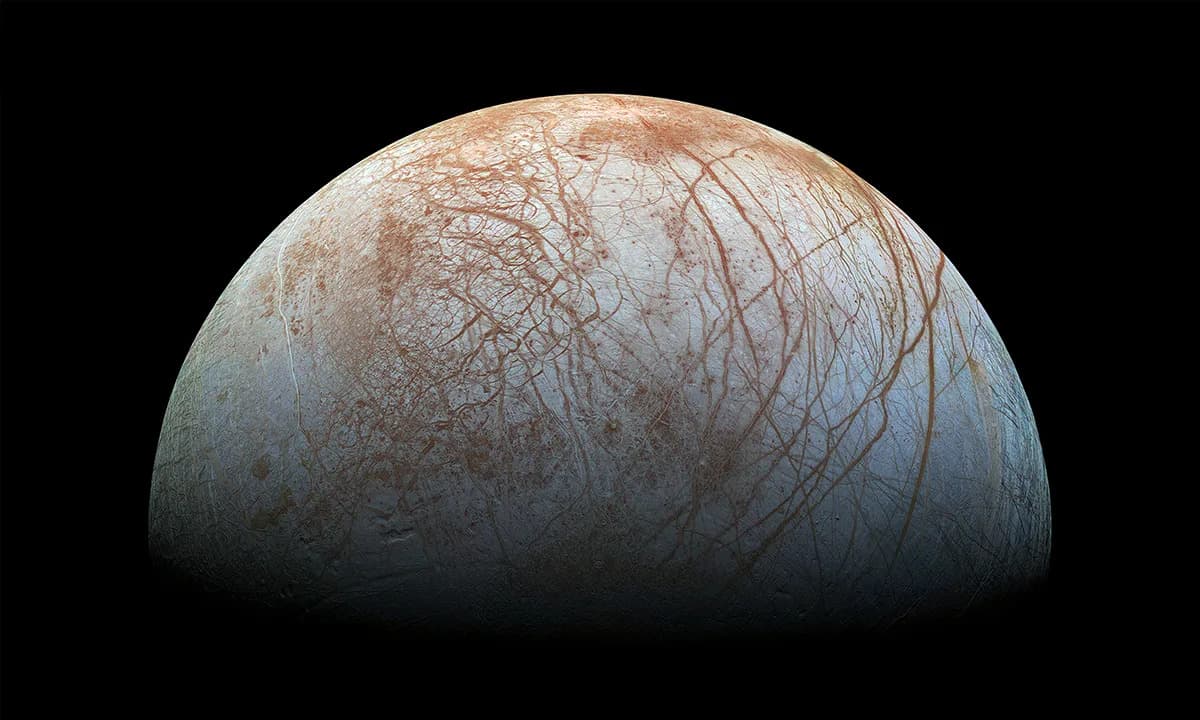
Titan-Saturn’s largest moon (Credit: NASA)
What Cassini Data Originally Indicated
Measurements collected during flybys in 2008 by the Cassini mission were originally interpreted as evidence for a continuous liquid layer beneath Titan's icy shell. Those gravity measurements, and the moon's observed tidal response to Saturn's pull, supported the global-ocean hypothesis for years.
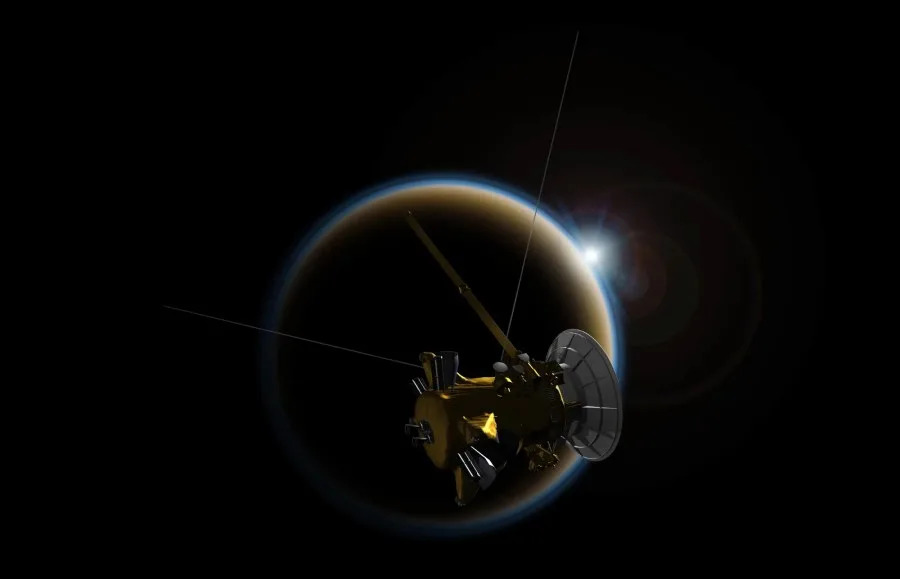
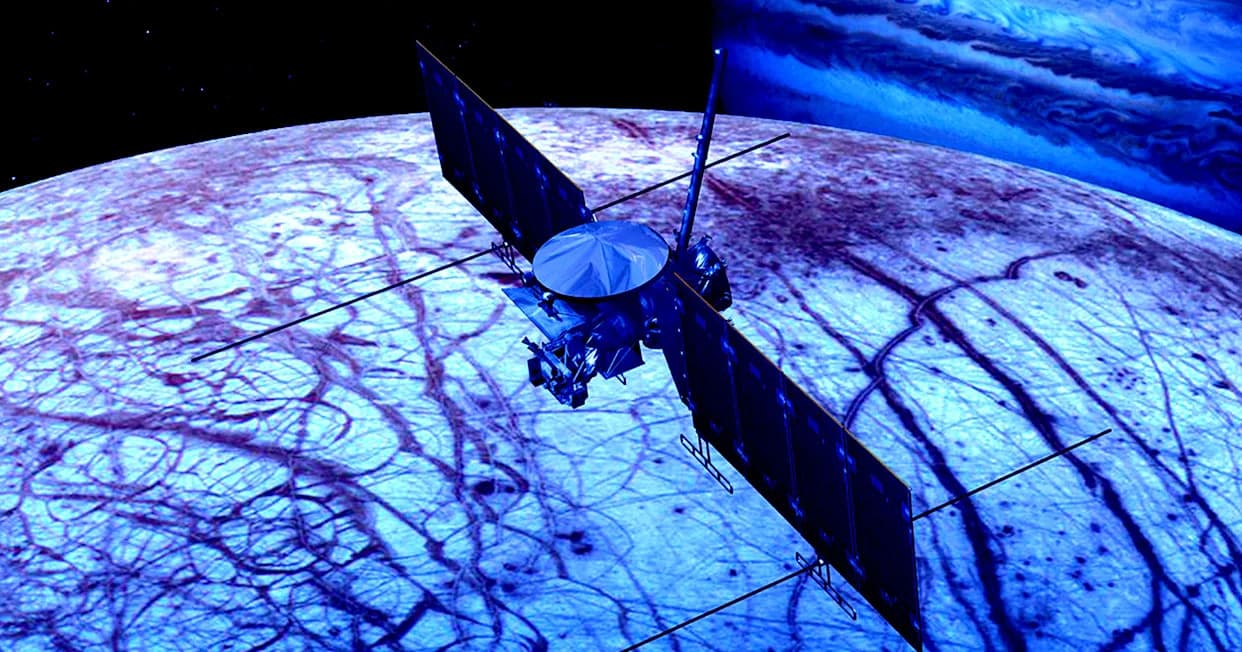
Concept image of NASA’s Cassini scacecraft near Titan in 2008 (Credit: NASA)
How Researchers Reached a New Conclusion
Scientists infer Titan's internal structure by tracking radio signals exchanged between a spacecraft and NASA's Deep Space Network on Earth. As Cassini moved through Titan's gravity field, tiny changes in the spacecraft's velocity produced Doppler shifts in the radio signals. By mapping these frequency shifts, teams reconstruct variations in Titan's gravity field and infer interior structure.
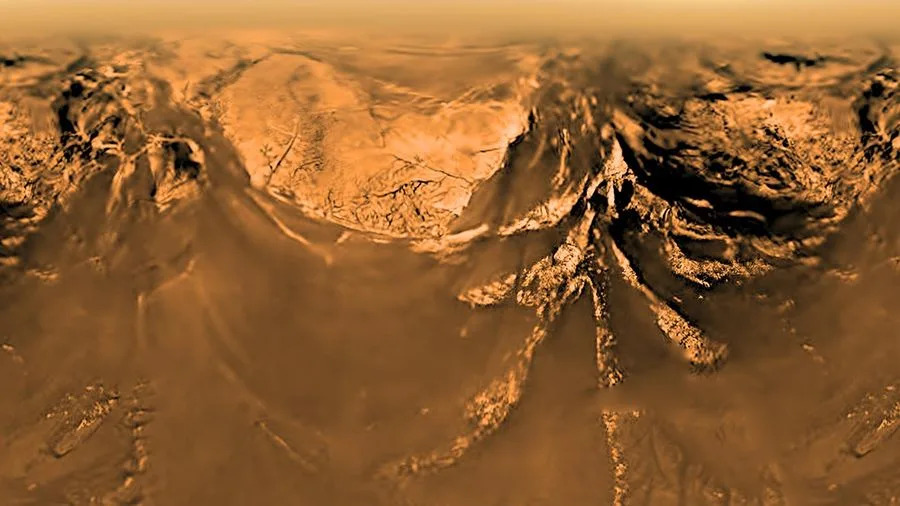
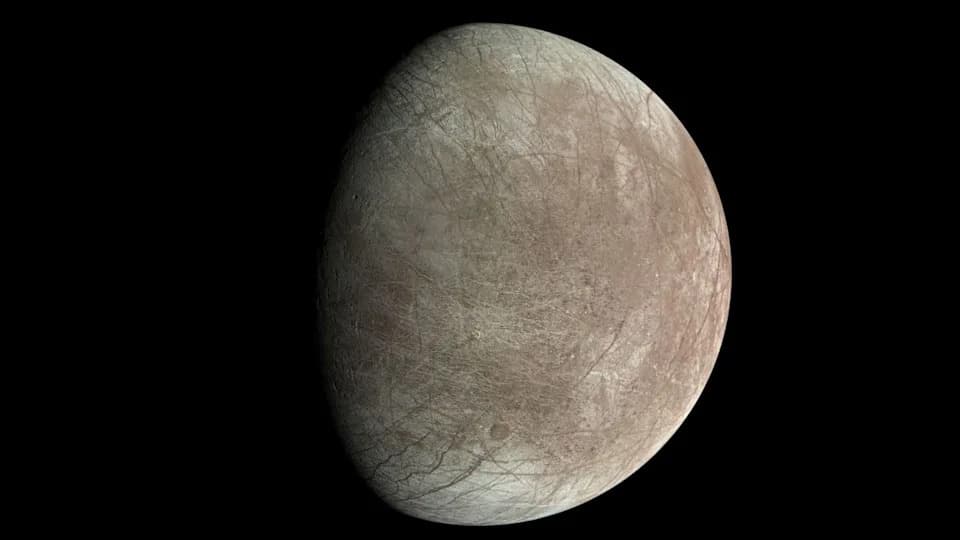
View of Titan, captured by Huygens probe in 2005 (CREDIT: NASA)
Revised Model: Layers, Slush and Pockets of Warm Water
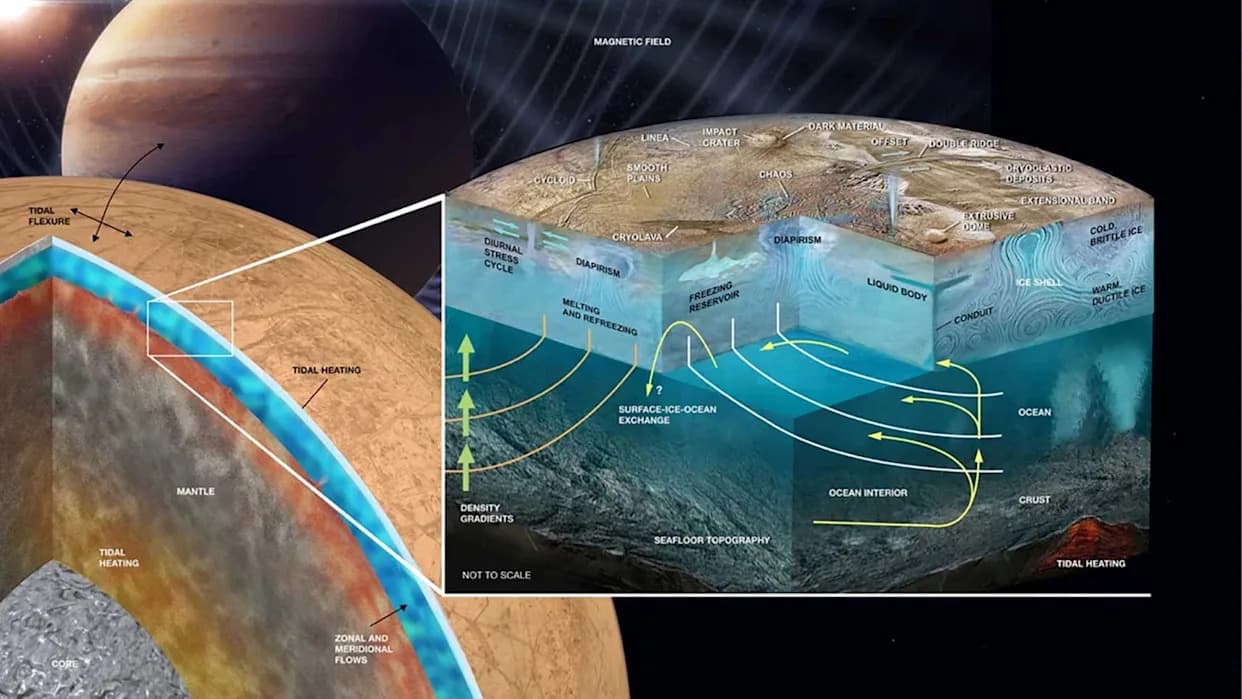
JPL's reanalysis shows the same gravity and tidal signals can be produced by a stratified interior: thick layers of ice, regions of slushy, dissipative material, and confined pockets of warm liquid near the rocky core or where ice locally melts. The study reports elevated internal energy dissipation consistent with slushy layers rather than a single, global ocean.
"Titan is likely made up of ice, with layers of slush and small pockets of warm water that form near its rocky core,"
In this revised picture, persistent liquid is limited to localized reservoirs rather than a planet-spanning sea. Those small melt pockets could still produce the thermal and mechanical signatures observed in the gravity data without requiring a continuous ocean.
Why This Matters
Although it removes the idea of a global ocean, the new model preserves exciting astrobiological possibilities: localized melt pockets could concentrate organic molecules delivered from below or via meteorite impacts, creating chemically interesting niches. The findings affect how scientists assess Titan's habitability and will inform planning for future missions to the moon.
Source: Reanalysis from NASA's Jet Propulsion Laboratory of Cassini-era gravity data, reported in media coverage of the study.
Help us improve.