Published in The Astrophysical Journal, the study models heat transport on tidally locked planets and finds that energy transfer from the day side can keep parts of the permanent night side warm enough for liquid water. It also shows that subglacial lakes could preserve liquid water on distant, cold planets. These results help explain recent James Webb Space Telescope detections of water-related gases and expand the range of exoplanets considered potentially habitable.
Tidally Locked Planets Could Harbor Liquid Water, Israeli Study Suggests — Expanding the Habitable Zone

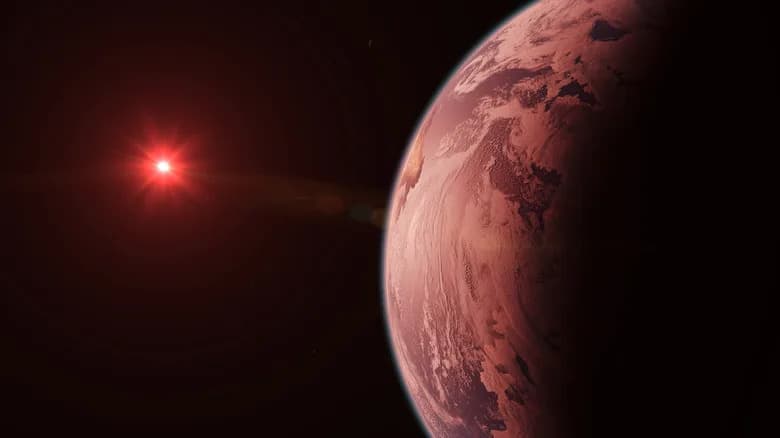
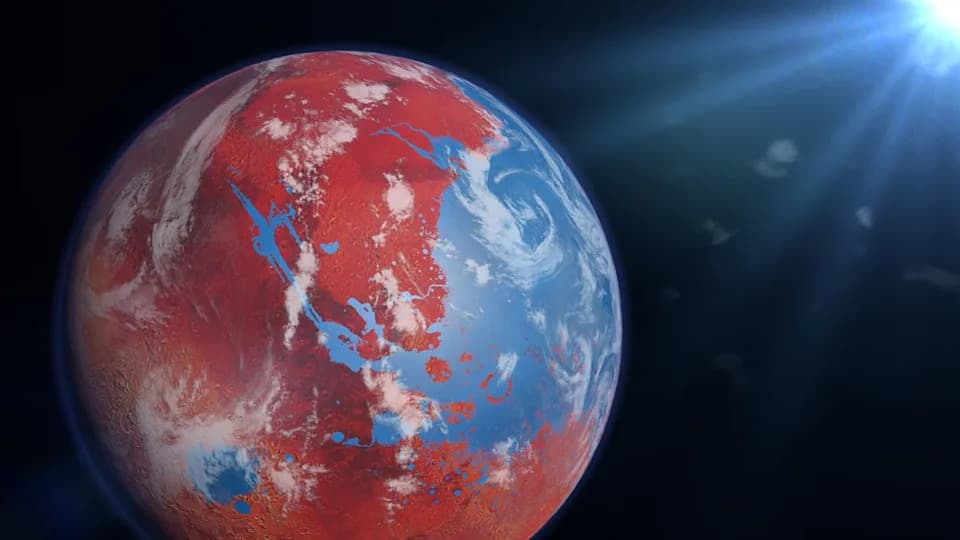
Life beyond Earth may exist in far stranger places than scientists once thought, a new study suggests. January, 22. (photo credit: SHALEV SHALOM/TPS)
A new study led by Prof. Amri Wandel of the Hebrew University, published in The Astrophysical Journal, suggests that worlds once ruled out as too hot, too cold, or perpetually dark may still support liquid water — and therefore could be more promising targets in the search for life than previously thought.
Heat Transport on Tidally Locked Worlds
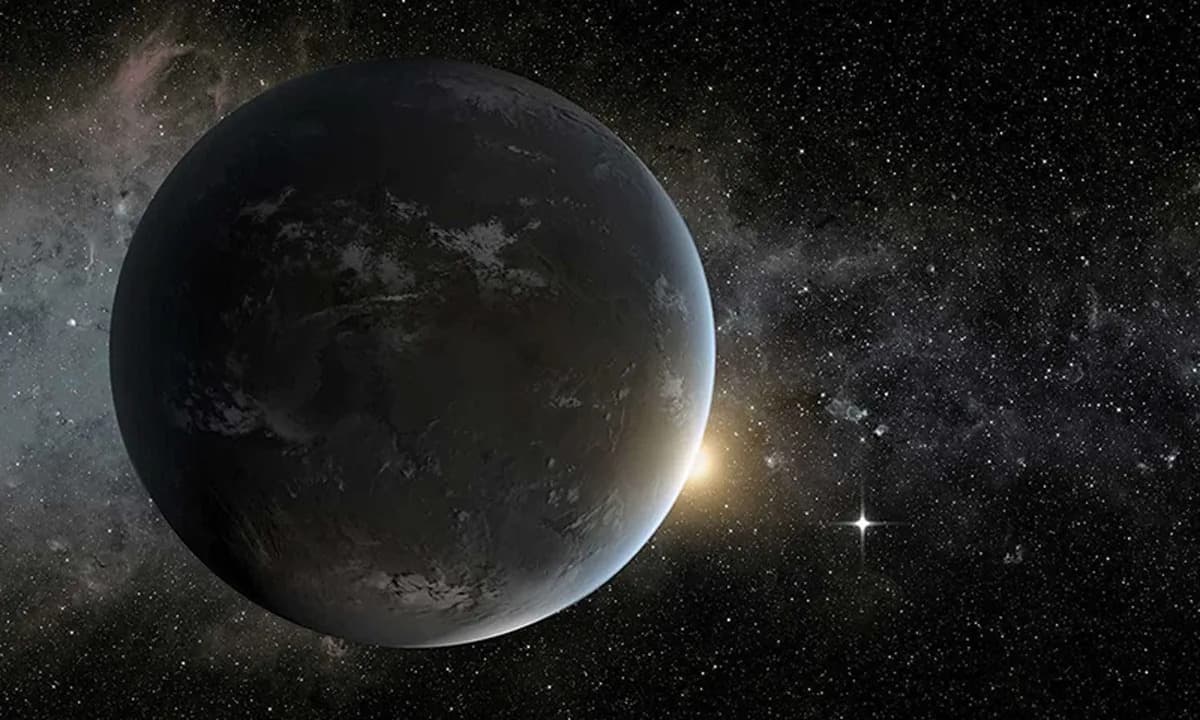
Tidally locked planets always present the same hemisphere to their star, producing a permanent day side and a permanent night side. Until now, many researchers assumed the dark hemisphere would be frigid and inhospitable. Wandel's team used a temperature-mapping model to show that atmospheric and/or oceanic heat transport can move enough energy from the day side to the night side to keep some regions warm enough for liquid water to persist.
"Our results show that liquid water can exist on the dark side of tidally locked planets," Prof. Wandel said. "This expands the environments where life-friendly conditions may exist beyond what the traditional habitable zone predicts."
Subglacial Water and an Expanded Outer Boundary
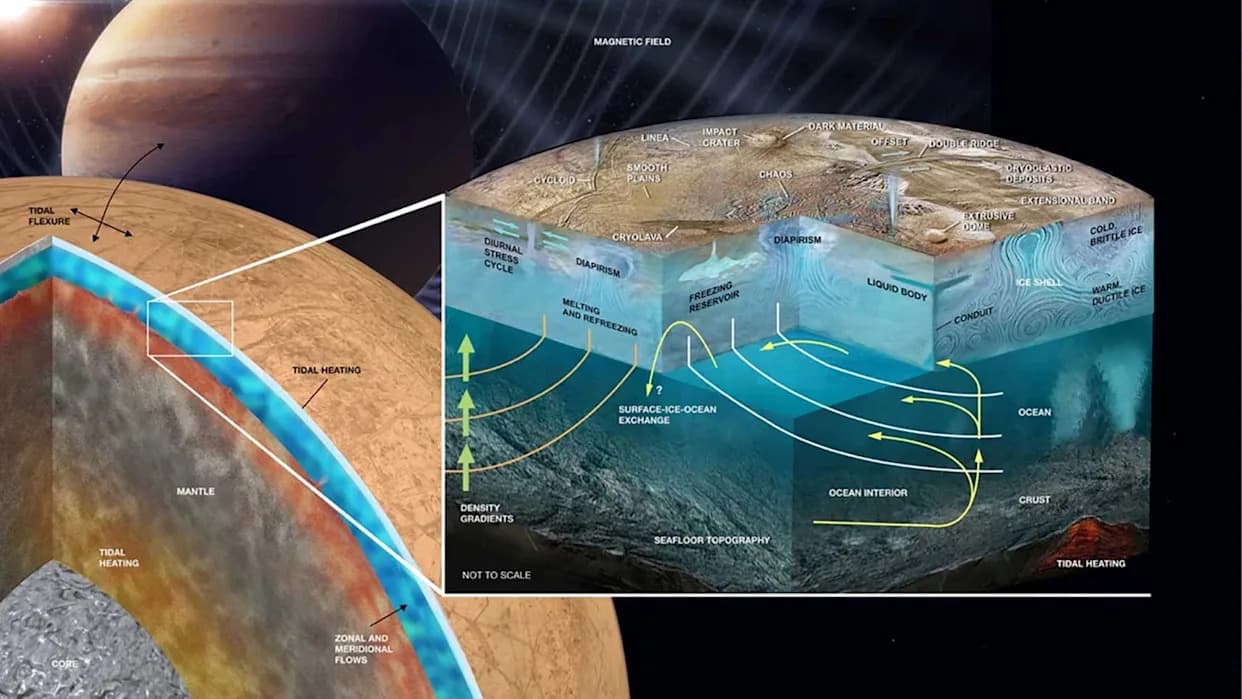
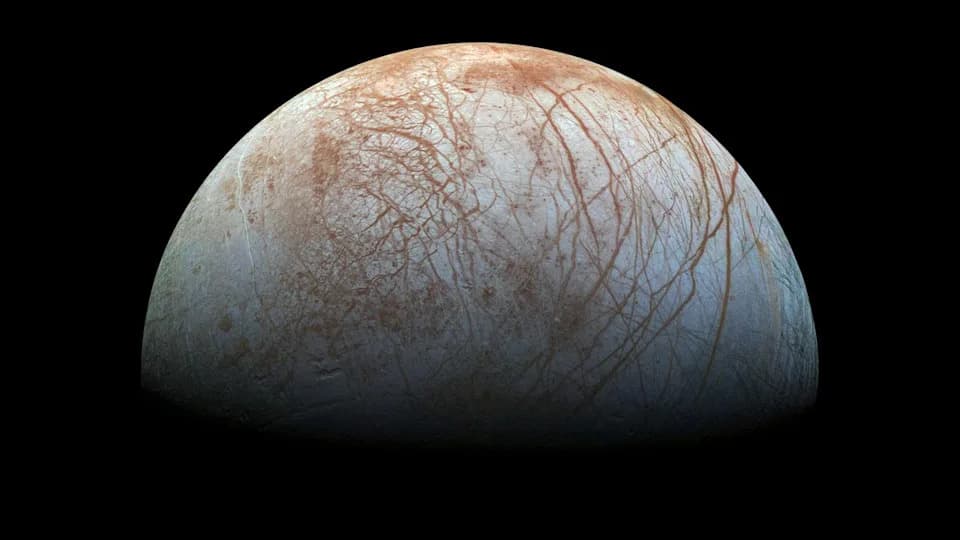
The study also examines planets orbiting farther from their stars. On very cold worlds, thick surface ice does not preclude habitability: geothermal heat or insulating ice layers can sustain subglacial or intraglacial liquid reservoirs. Such hidden lakes beneath ice sheets could provide long-lived, stable environments where life might survive.
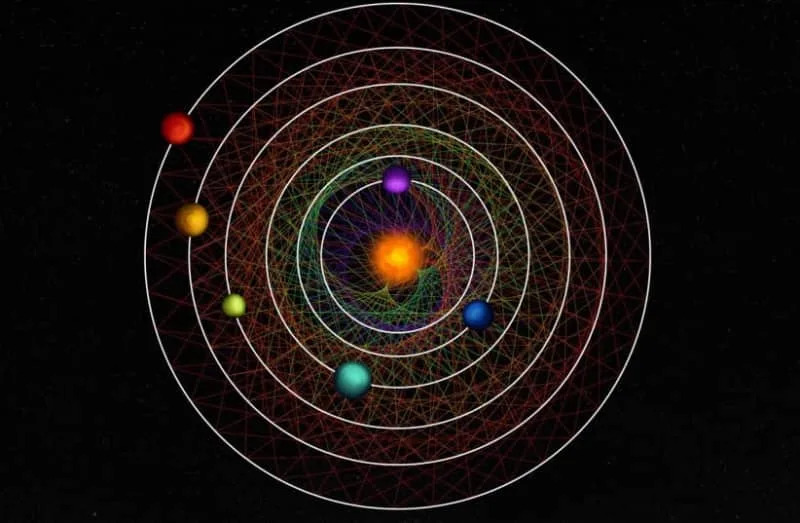
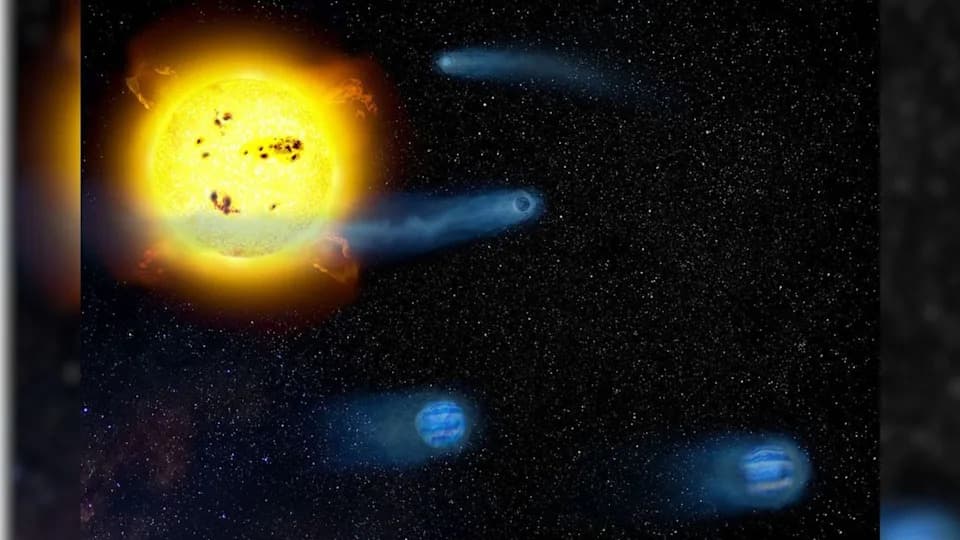
An artist's illustration of the six newly discovered planets circling their star in resonance. Image by Roger Thibaut. (credit: NCCR PlanetS)
Context and Implications
Wandel's results help interpret recent observations by the James Webb Space Telescope, which has detected water vapor and other gases in the atmospheres of warm, close-in Super-Earths orbiting M-dwarf stars — planets that were once thought unlikely to host surface water. By showing that heat redistribution and subsurface water are plausible in a wider variety of settings, the study broadens the types of exoplanets that warrant follow-up observations.
Beyond target selection for future telescopes, the research refines climate-modeling approaches for unusual planetary configurations and may offer fresh perspectives on extreme climate processes that have analogues on Earth.
What This Means For the Search For Life
Planets previously dismissed as too extreme — too hot on one side, too cold on the other, or permanently dark — may now be seen as promising candidates. The cosmic map of potentially habitable worlds could be significantly larger, motivating broader observational strategies and refined climate simulations.
Help us improve.