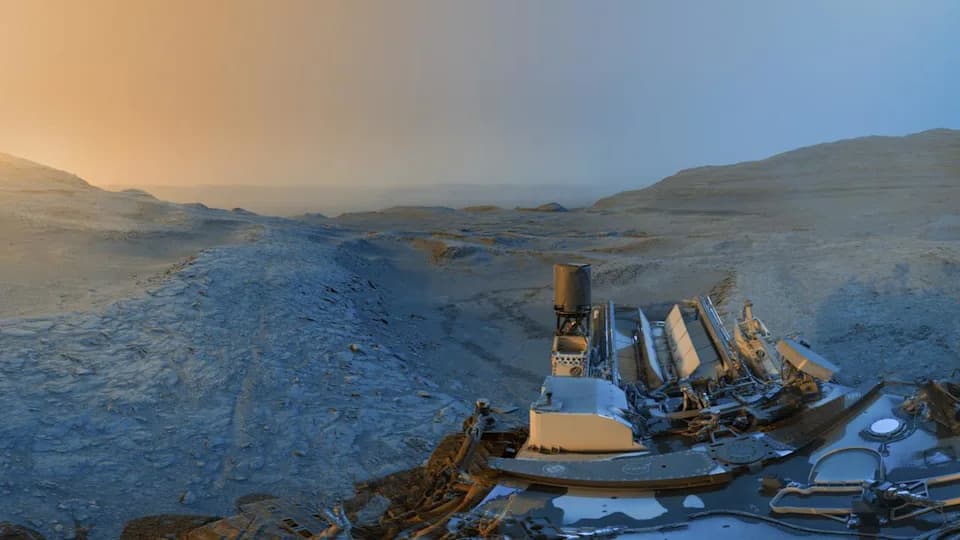
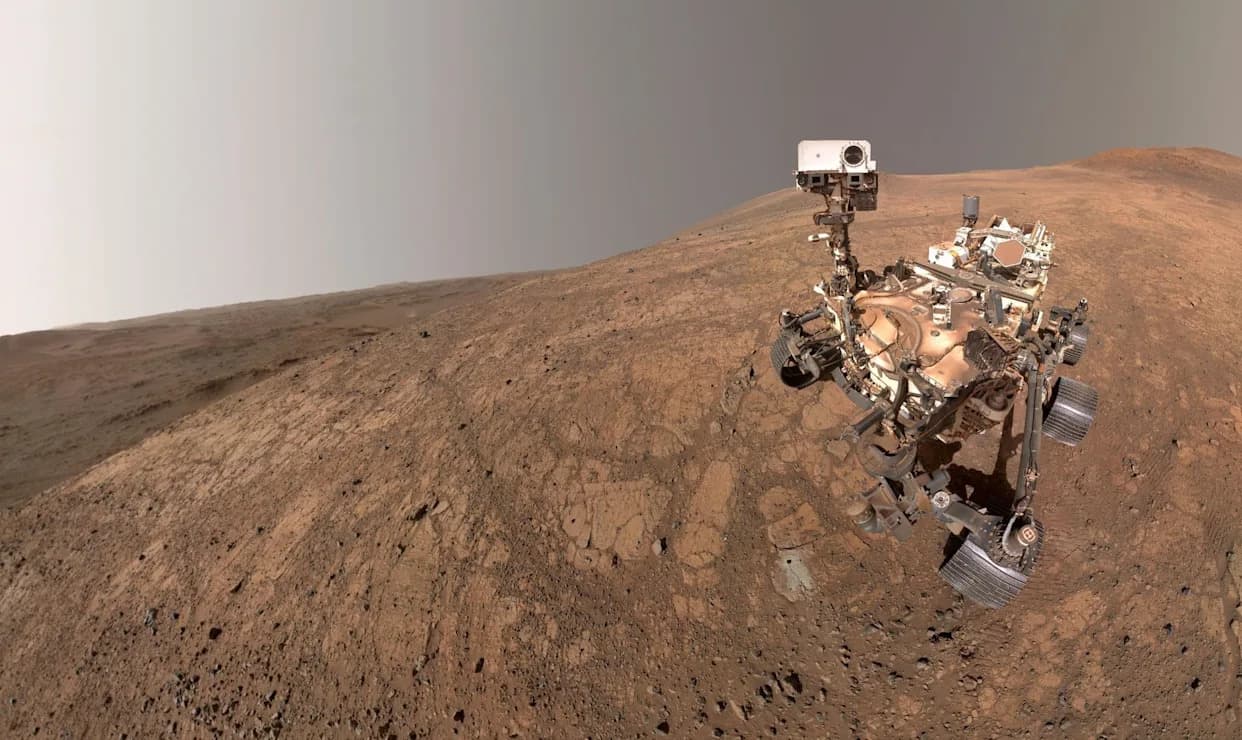
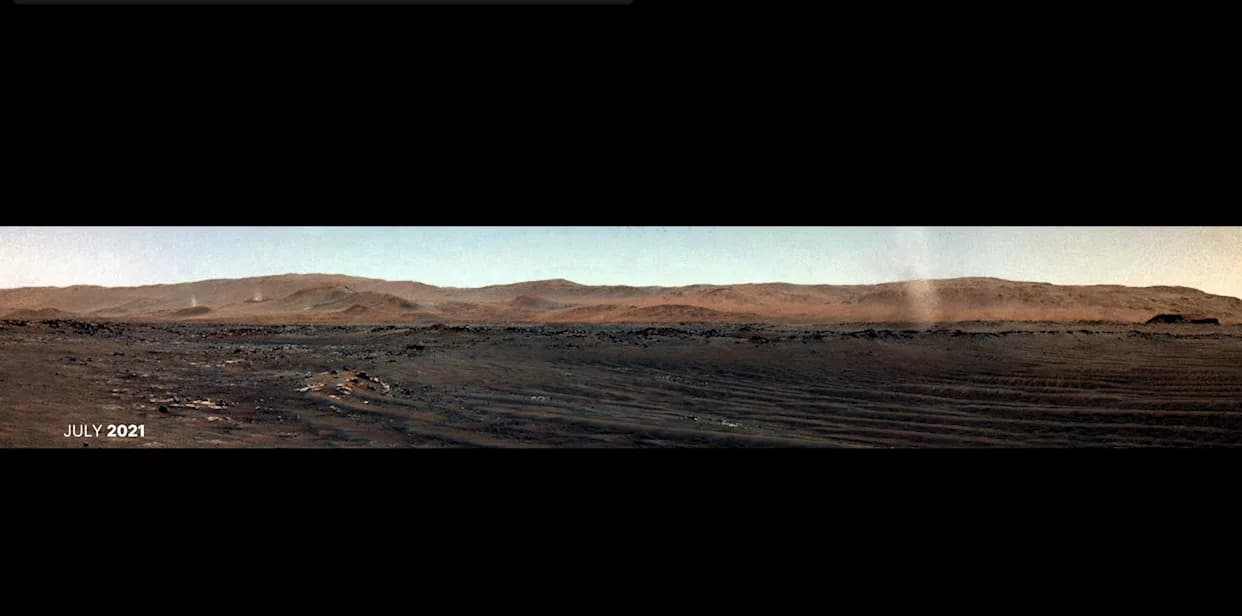
NASA’s Perseverance rover found evidence of an ancient Martian beach after nearly a year examining a crater rim, identifying wave-shaped rocks and a distinct sandy layer. Shoreline deposits are excellent targets to search for preserved signs of past life. Separate satellite research suggests a massive northern ocean—about the size of the Arctic Ocean—with huge river deltas feeding into it, reinforcing the case for a wetter ancient Mars.
NASA's Perseverance Uncovers Evidence of an Ancient Beach on Mars — A Top Target in the Search for Past Life
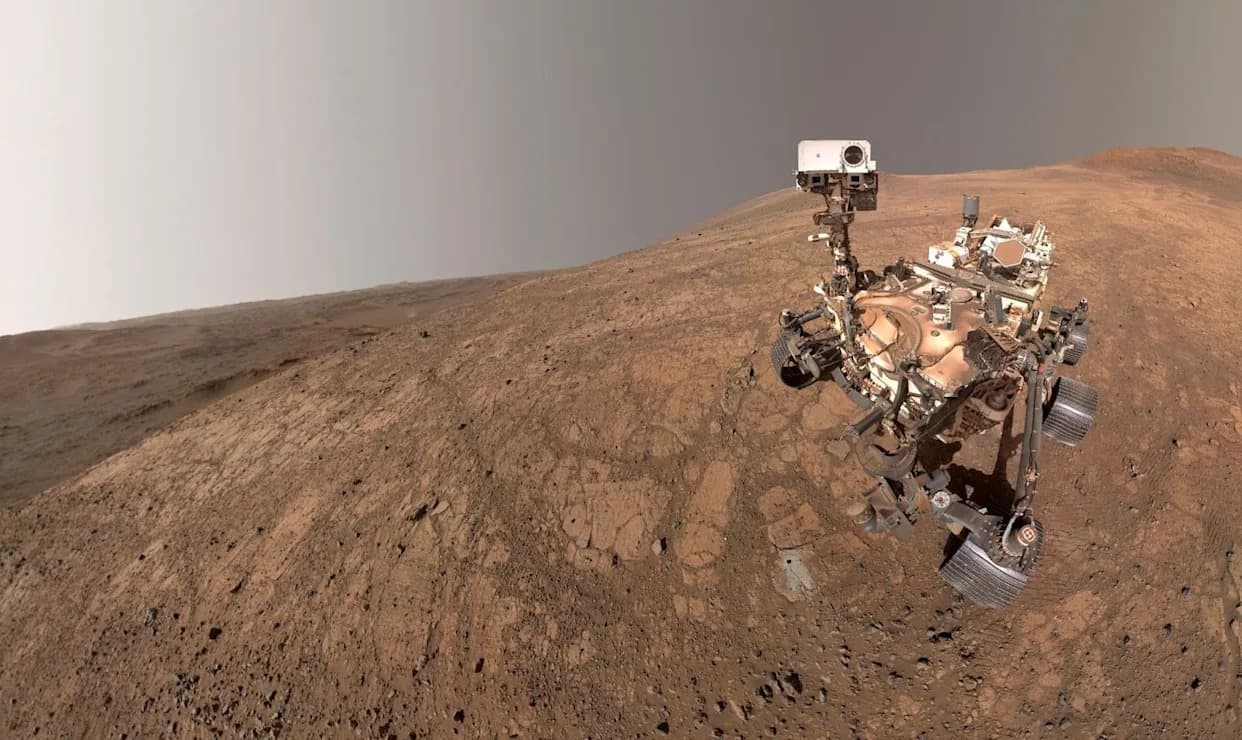
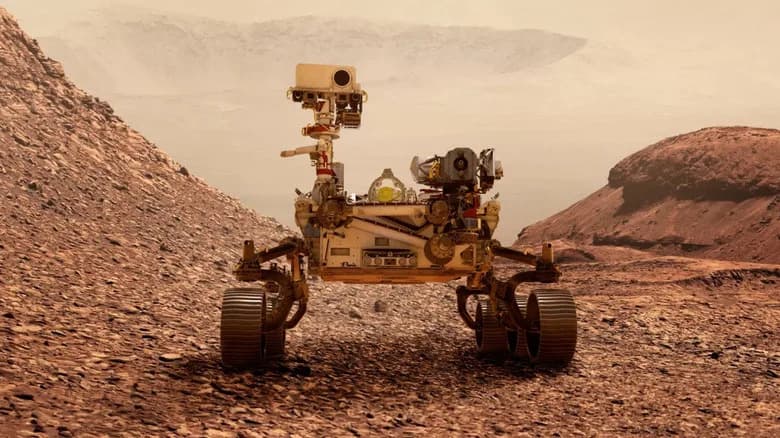
NASA’s Perseverance rover has uncovered compelling evidence of an ancient beach on Mars, revealing rock layers and sandy deposits consistent with wave action along the rim of a crater that likely once held a large lake.
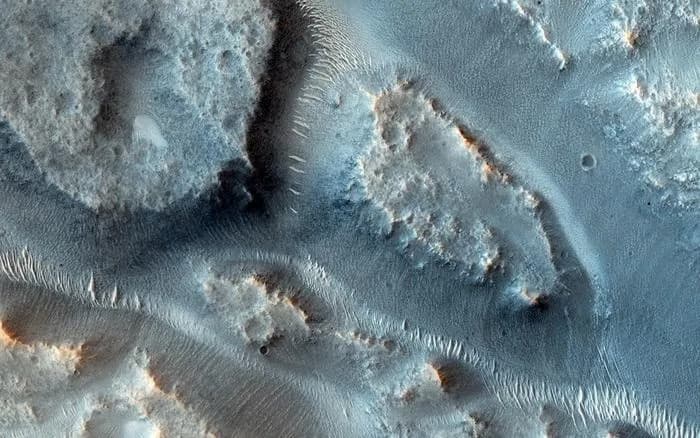
Over nearly a year of careful exploration, Perseverance examined the crater rim and found rocks that show clear signs of having been shaped and reworked by waves. Those processes left behind distinct, well-sorted sandy layers that mirror shoreline deposits on Earth.
Why This Matters
Shorelines Are Prime Places to Look for Life: On Earth, shorelines concentrate organic material and fine sediments that can preserve chemical signatures and fossils. The discovery of a Martian shoreline therefore identifies an especially promising place to search for evidence of past biology or preserved biosignatures.
Extending Mars’ Watery Past: The find also pushes back the timeframe during which liquid water persisted on the planet’s surface, supporting a wetter ancient climate than previously documented in this region.
Related Satellite Findings
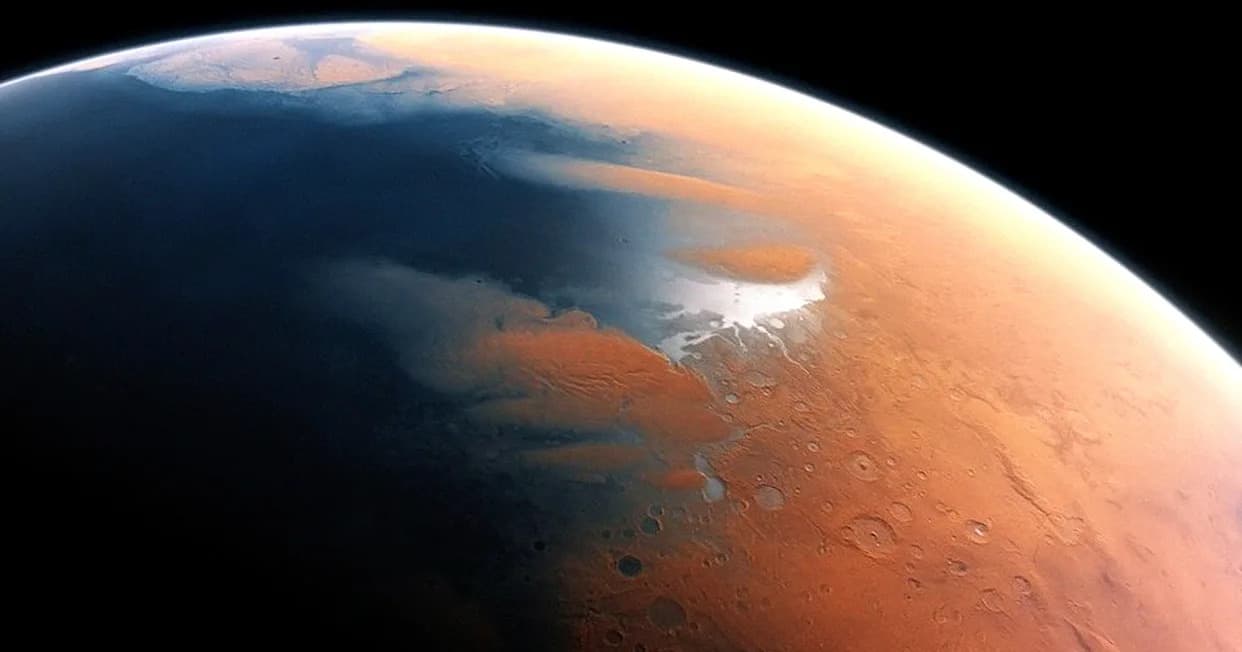
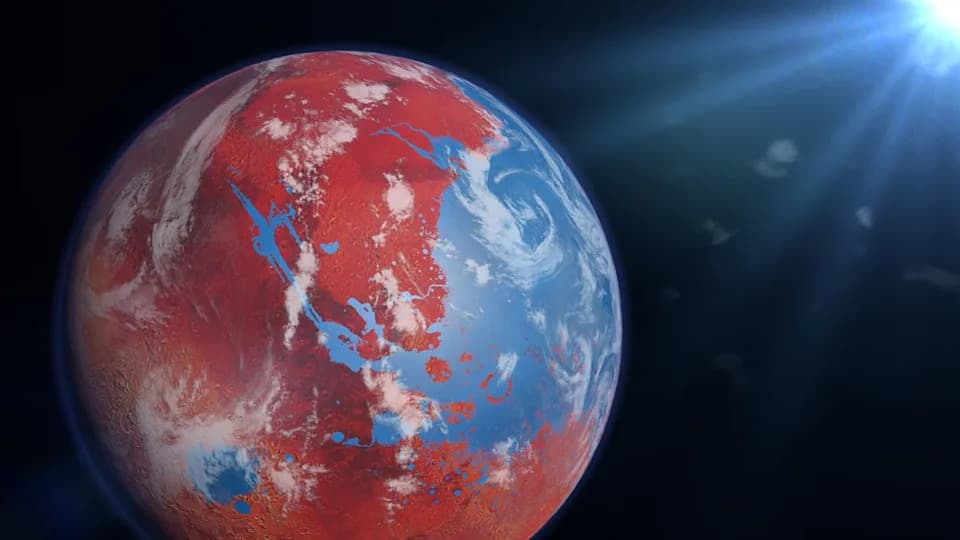
In a separate study using satellite data, researchers found that a vast northern ocean on Mars was likely larger and deeper than earlier estimates — roughly comparable in size to Earth’s Arctic Ocean. The same analysis identified enormous river deltas that appear to have drained into that ocean, reinforcing the picture of an ancient, water-rich Martian environment.
What Comes Next: These shoreline deposits are high-priority targets for ongoing analysis and sample collection because they have the best chance of preserving clues about Mars’ habitability. Scientists will continue studying the rocks with Perseverance’s instruments and comparing rover data with orbital observations to refine the planet’s hydrologic history.
Help us improve.