Researchers have identified a new genus and species of musk-ox relative, Speleotherium logani (Logan’s austral scrubox), from fossils recovered in Muskox Cave, Carlsbad Caverns National Park. Distinct horn cores on a nearly complete skull and comparisons with material from Mexico and Belize show this animal is different from the shrubox Euceratherium collinum. The species, collected in 1976–77 by Lloyd Logan and long stored at the Smithsonian, was smaller than Euceratherium — roughly 4 feet at the shoulder and 400–700 pounds — and lived during the Rancholabrean (late Pleistocene). The findings were published in the New Mexico Museum of Natural History and Science Bulletin.
Ancient Musk-Ox Relative Identified in New Mexico — New Genus Speleotherium logani
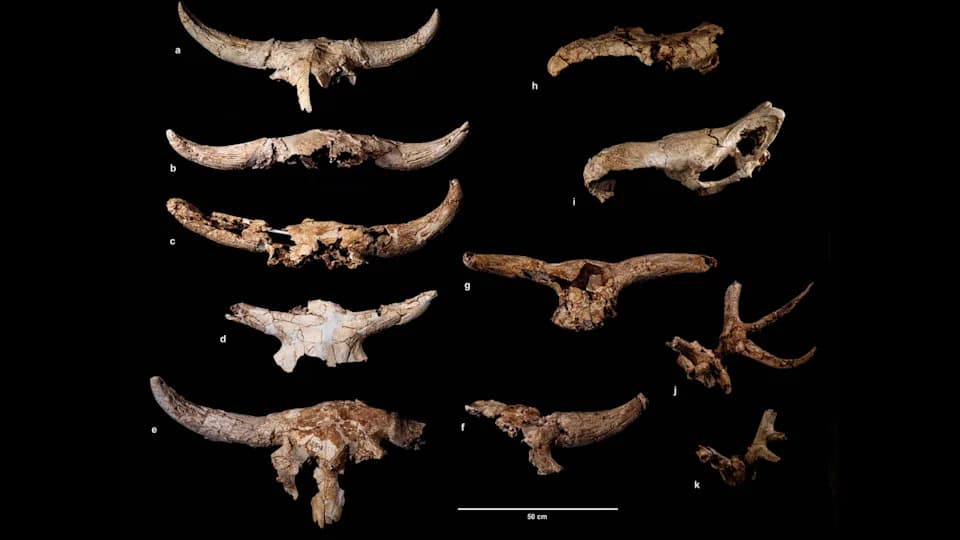
A set of late Pleistocene fossils from Muskox Cave in Carlsbad Caverns National Park has been identified as a previously unrecognized genus and species closely related to the modern musk ox. The animal, named Speleotherium logani (Logan’s austral scrubox), is distinguished chiefly by the unique horn cores preserved on a nearly complete skull recovered from the cave deposits.
Discovery And Reassessment
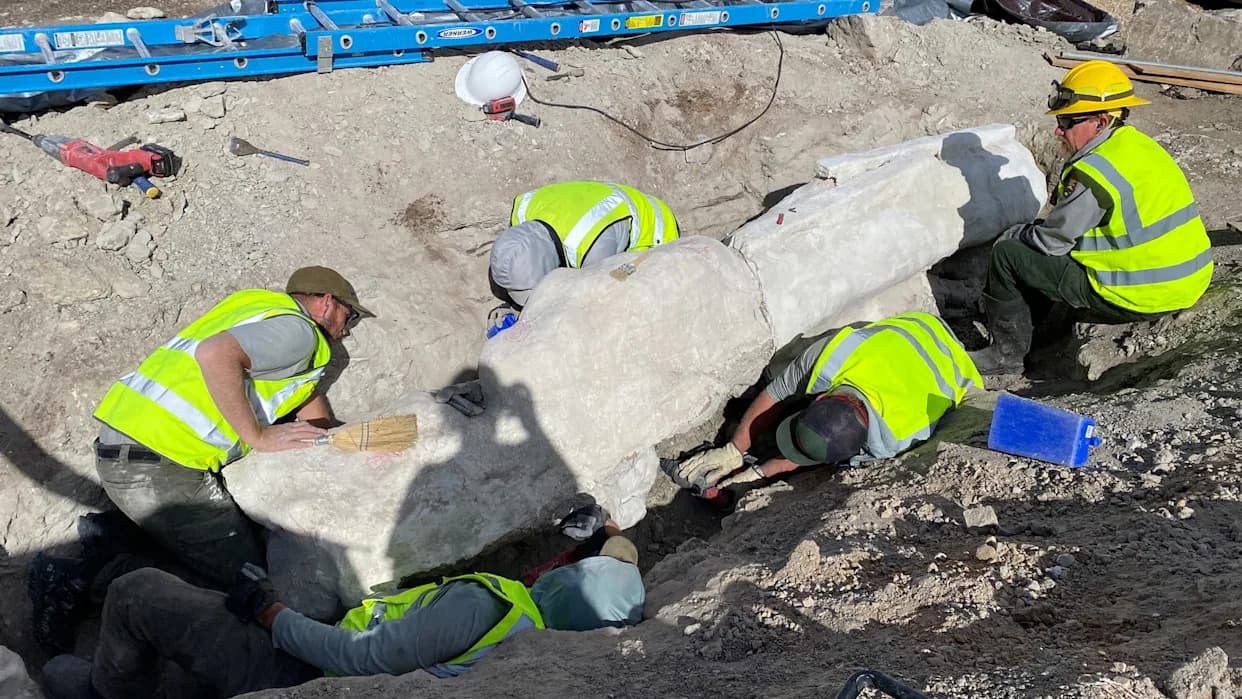
The material was originally collected in 1976–77 by paleontologist Lloyd Logan, who recovered remains representing roughly 50 species of Pleistocene mammals. Much of that collection was later catalogued and stored at the Smithsonian National Museum of Natural History and had been misidentified as the shrubox Euceratherium collinum.
A recent inventory of Carlsbad Caverns fossils prompted Gary Morgan of the New Mexico Museum of Natural History and Science and colleagues Richard White and Jim Mead to reexamine the Muskox Cave specimens. After a week of study at the Smithsonian and subsequent comparative work in South Dakota and Albuquerque, the team concluded the New Mexico material represents a distinct lineage.
What Sets Speleotherium logani Apart
The skull’s horn cores and proportions differ markedly from those of Euceratherium. The new taxon was smaller than the shrubox: it likely stood about 4 feet at the shoulder and weighed an estimated 400–700 pounds. Comparative material from fossils reported in Mexico and Belize helped confirm that the New Mexico specimen is part of the same, previously unrecognized group.
“We didn’t expect to find a new animal,” said Gary Morgan. “We were looking at a late Pleistocene cave and assumed everything there had already been described.”
Context And Significance
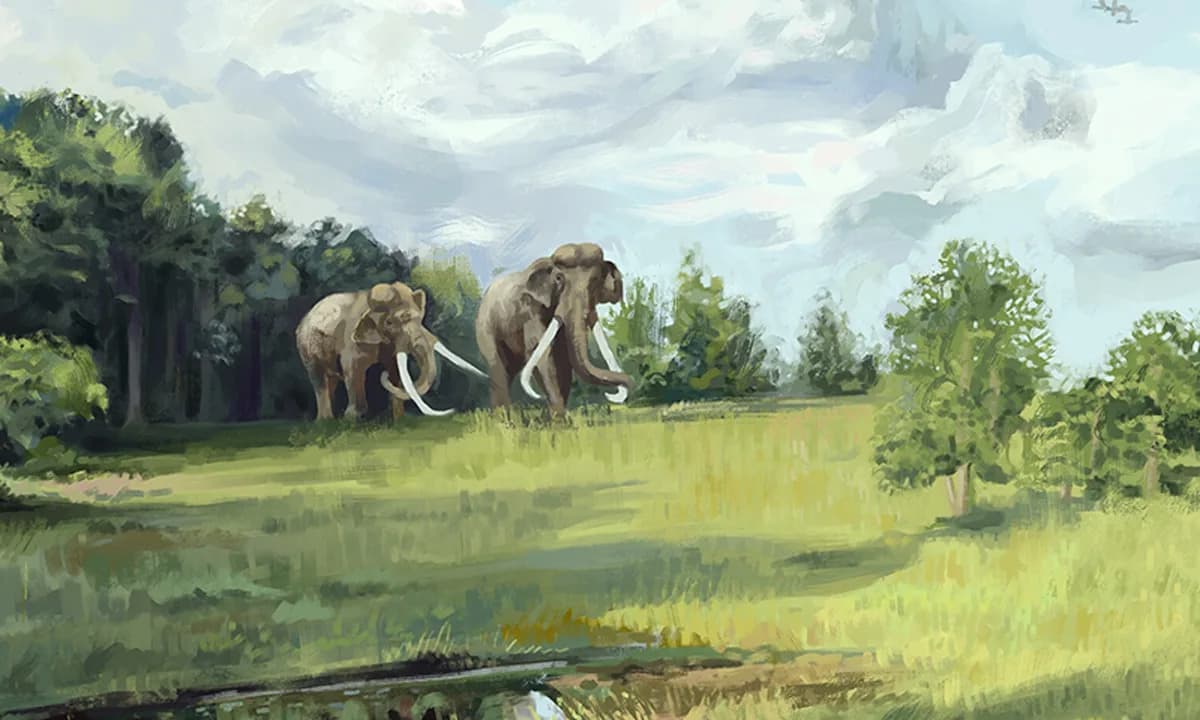
Speleotherium logani lived during the Rancholabrean North American Land Mammal Age — the late Pleistocene interval that included megafauna such as mammoths, sabertooth cats and giant ground sloths. The discovery, described by White, Mead and Morgan in the New Mexico Museum of Natural History and Science Bulletin, highlights how reexamining long-neglected collections can reveal new species and refine our understanding of Pleistocene biodiversity and biogeography.
Accessing the original Muskox Cave deposits required technical caving — rappelling roughly 100 feet into the site — which underscores the effort Logan put into the original fieldwork. In recognition of his work, the species honors him: Speleotherium logani.
Help us improve.