More than 50,000 fossils from Huayuan County reveal 90 species new to science that lived in deep-water refuges about 513 million years ago. Exceptional Burgess Shale-style preservation captures soft tissues and neural structures, allowing detailed study. Researchers analyzed 8,681 catalogued specimens across 16 animal groups and identified 153 species overall. The work links Huayuan fauna to distant Burgess Shale deposits and suggests deep shelves sheltered life and later reseeded shallow seas.
90 Strange New Species Discovered in a 513-Million-Year-Old Deep-Sea Refuge — A Cambrian Comeback
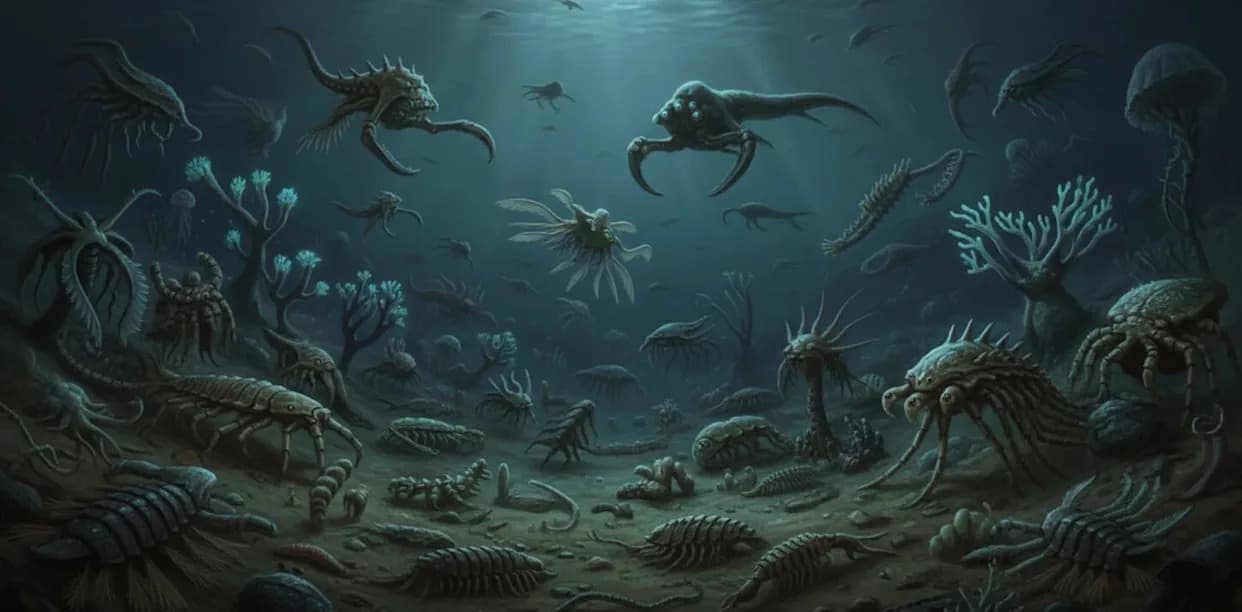
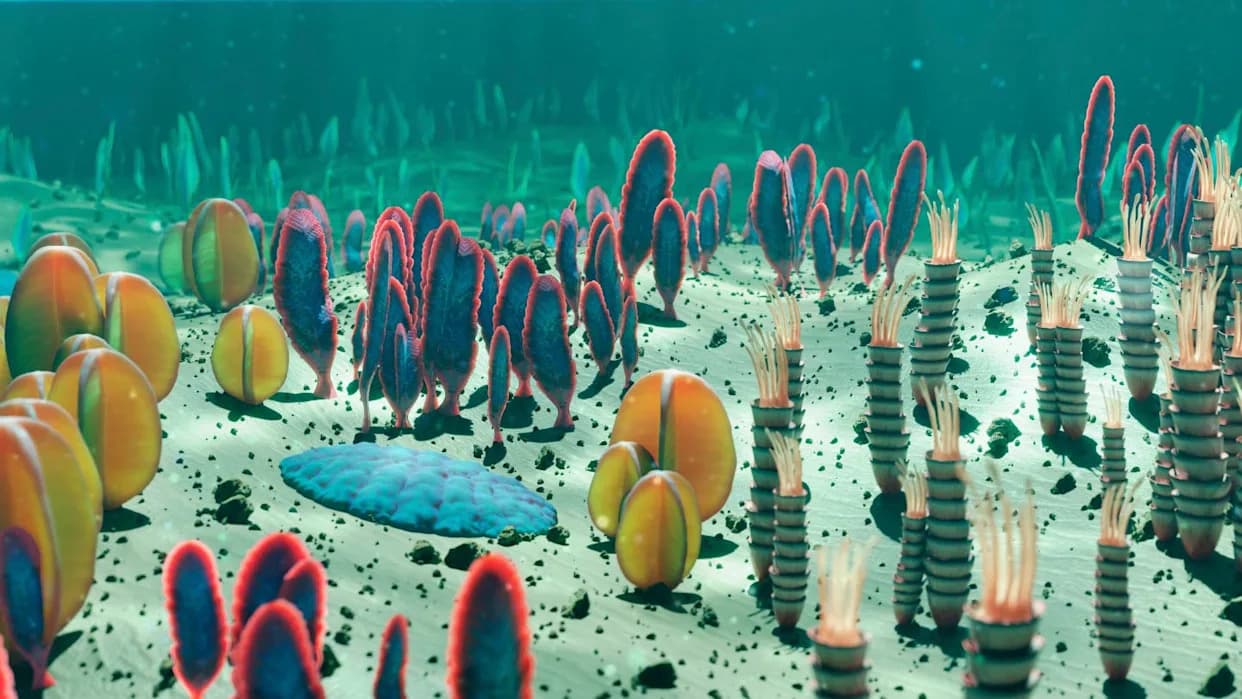
Image: Foro 3D
Researchers have uncovered a dramatic chapter in Earths recovery after an ancient mass extinction: more than 50,000 fossils from a quarry in Huayuan County document 90 species new to science that lived in deep-water refuges about 513 million years ago. The finds reveal how complex marine life persisted and rebounded after an event that wiped out nearly half of marine species.
Exceptional Preservation Reveals Soft Anatomy
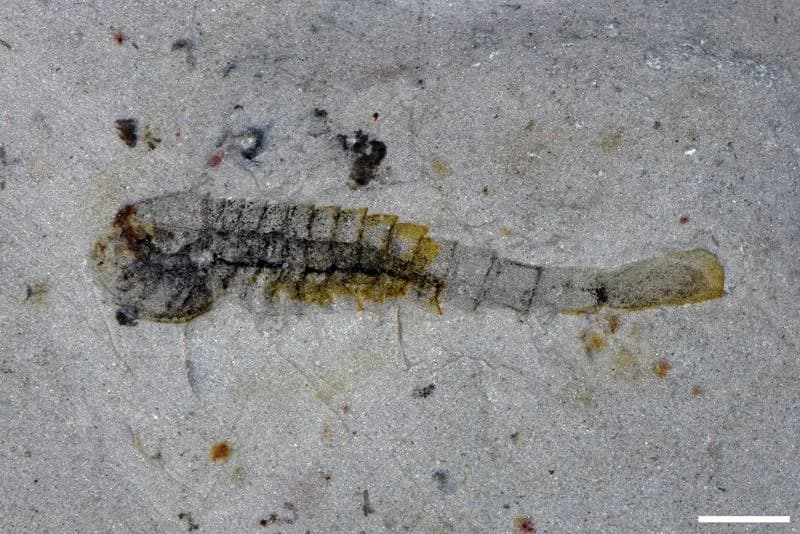
The Huayuan biota displays Burgess Shale-style preservation: not just shells and armor, but soft tissues, guts and even neural structures preserved in fine detail. That exceptional fossilization lets scientists study internal anatomy and ecology of animals that survived one of Earths earliest major extinction events.
Deep Shelves As Refuges
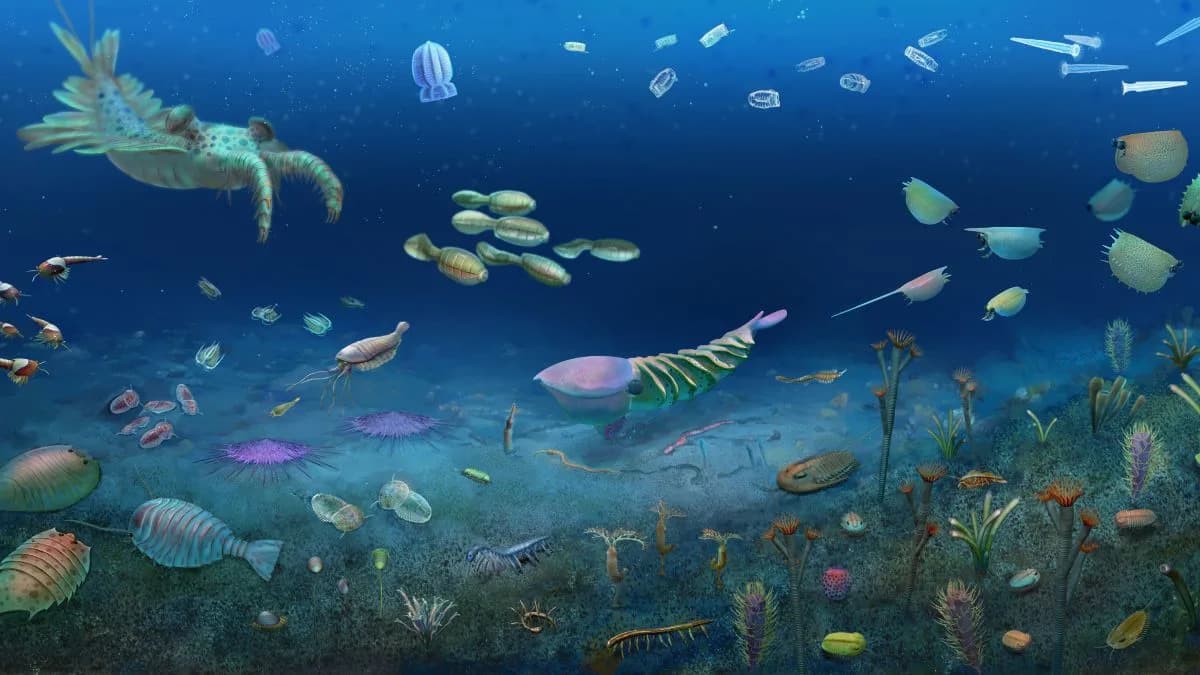
Evidence suggests the deep continental shelf around Huayuan acted as an environmental buffer against widespread ocean deoxygenation during the Sinsk event. Researchers from the Chinese Academy of Sciences examined 8,681 catalogued specimens representing 16 major animal groups. From these they identified 153 species overall, including 90 previously unknown species. The resulting assemblage is unusually diverse, comparable in complexity to a modern reef and including apex predators called radiodonts with raptorial appendages.
A Menagerie Of Novel Forms
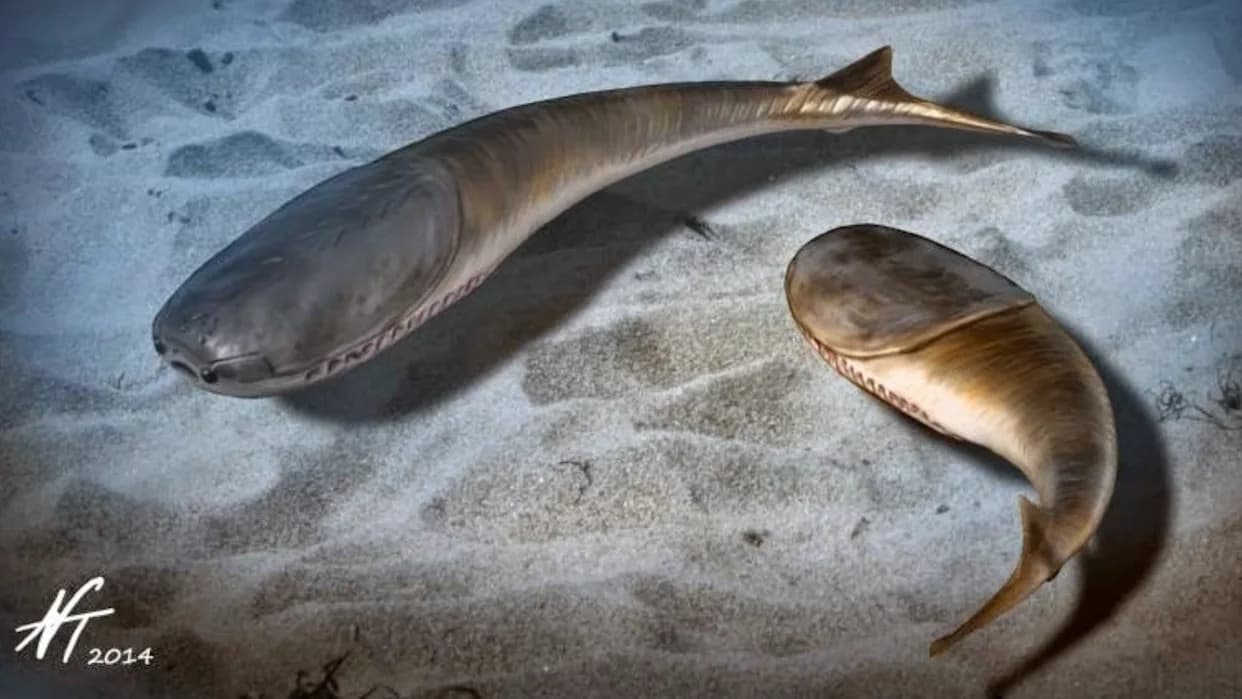
Evolution produced a striking variety of body plans in the aftermath of near-collapse: spiny, cactus-like forms assigned to Allonnia; primitive sponges preserving organic tissues; and entirely new arthropod types related to fuxianhuiids. These are not merely evolutionary curiosities but ecologically successful forms that occupied a full range of niches, from swimmers in the water column to seafloor scavengers.
'The Huayuan biota provides the first insights into the impact of the Sinsk event on deeper-water faunas,' says senior author Maoyan Zhu of the Nanjing Institute of Geology and Palaeontology.
Global Connections And Recovery
Some Huayuan species also appear in distant deposits, demonstrating broad post-extinction dispersal. Notably, taxa such as Helmetia and the arthropod Surusicaris have records in both Huayuan and Canadas Burgess Shale deposits, despite separation by millions of years and thousands of miles. The researchers propose these animals dispersed across ancient oceans, likely aided by sea-level changes and current-driven transport.
'The new fossils from China demonstrate that the Sinsk event affected shallow-water forms most severely,' notes Michael Lee of South Australias Museum, highlighting how extinction intensity varied with depth.
Why This Matters Today
The Huayuan discovery fills a crucial gap between older pre-extinction sites such as Chengjiang and younger recovery faunas exemplified by the Burgess Shale. It shows that deep-water refuges could preserve biodiversity through catastrophic change and later help reseed devastated shallow ecosystems. That ancient lesson carries contemporary resonance: as modern oceans face warming, deoxygenation and habitat loss, deep habitats may again act as important reservoirs of biodiversity.
Study: Published in Nature in January. Fieldwork and specimen analysis were led by researchers at the Chinese Academy of Sciences and collaborators worldwide.
Help us improve.