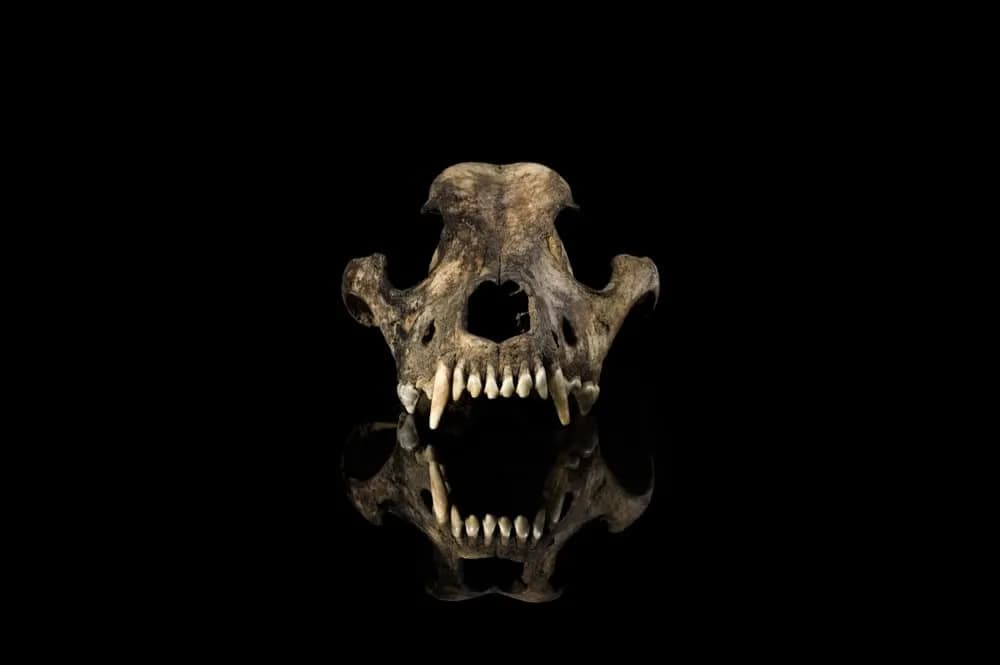
The preserved "Tumat puppy" found in Siberia contained well-preserved woolly rhino meat, enabling researchers to sequence the rhino’s genome from its stomach contents. Published in Genome Biology and Evolution, the analysis shows woolly rhino genomes remained surprisingly stable up to about 14,000 years ago, with little evidence of severe inbreeding. The results suggest rapid climate change at the end of the last Ice Age — rather than a long-term genetic decline — was the likely primary driver of extinction. These findings echo a mammoth study indicating populations can look stable and still be wiped out abruptly by sudden environmental shocks.
14,000-Year-Old Wolf Pup Reveals Woolly Rhino Genome — New Clues to an Ice Age Extinction
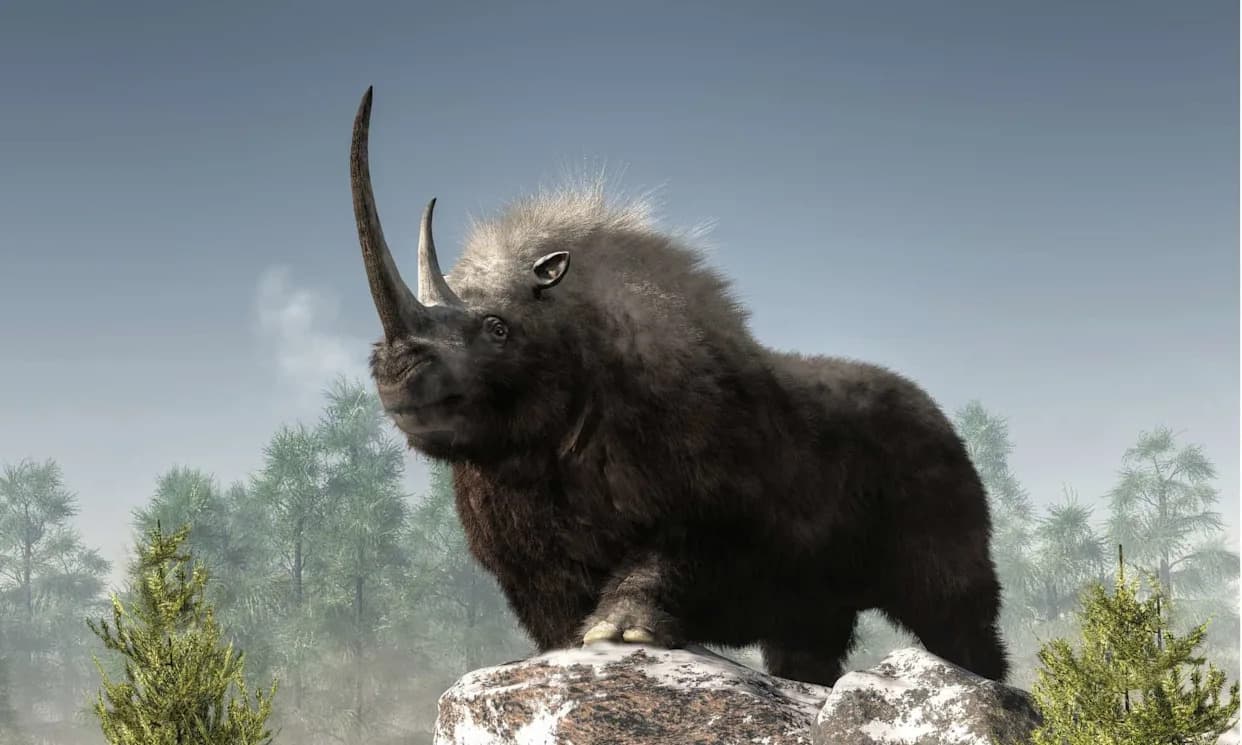
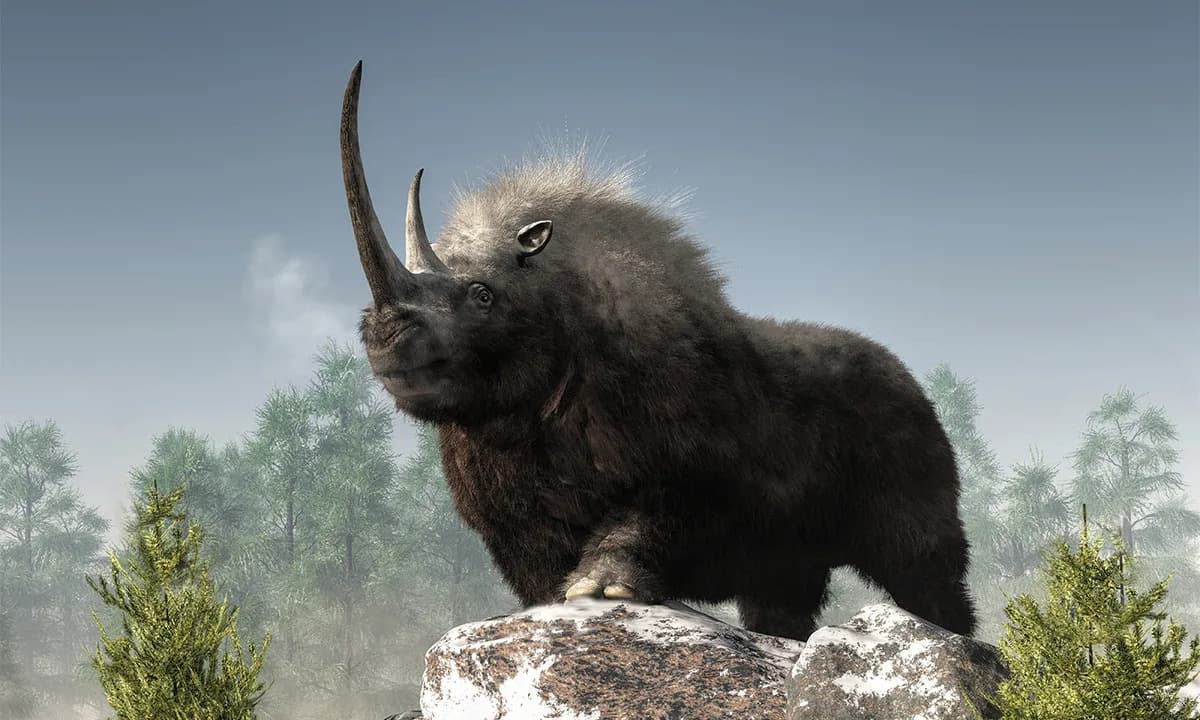
Woolly Rhinoceros© Daniel Eskridge/Shutterstock.com
A mummified wolf pup discovered in Siberia preserved an unexpected time capsule: chunks of woolly rhinoceros meat in its stomach. A decade-long effort to extract and sequence DNA from those tissues has produced the first whole genome of a Pleistocene animal recovered from stomach contents, shedding new light on the final millennia of the woolly rhinoceros.
Discovery: The Tumat Puppies
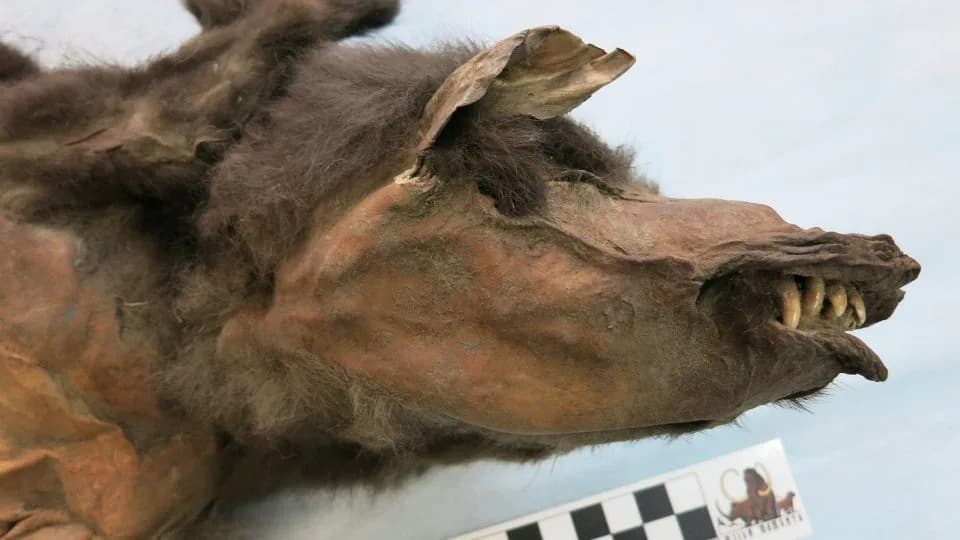
In 2011, mammoth ivory hunters near the village of Tumat in northeastern Siberia uncovered remarkably preserved remains of two wolf pups, now known as the "Tumat puppies." A collapsed den or landslide buried the pups in permafrost shortly after their deaths, preserving soft tissues, stomach contents and fur. Investigators later found bird feathers, parts of a dung beetle, plant fragments — and several chunks of furry gray meat that appeared exceptionally intact.

A group of mammoth hunters found the preserved remains of a wolf pup in Siberia from over 14,000 years ago.©Starover Sibiriak/Shutterstock.com(Starover Sibiriak/Shutterstock.com)
Genomic Analysis From Stomach Remains
Researchers at the Centre for Palaeogenetics in Stockholm spent years extracting and sequencing DNA from the pup’s stomach contents. To confirm the origin of the material they first compared sequences with living relatives such as the Sumatran rhino, and also sequenced the wolf DNA to rule out contamination from the predator. Those steps confirmed the meat fragments belonged to the woolly rhinoceros.
“The tissue was so intact, it looked like the wolf had just swallowed it before it died,” said evolutionary geneticist Camilo Chacón-Duque.
What the Genome Revealed
The study, published in Genome Biology and Evolution, compared the newly recovered genome with older Siberian woolly rhino specimens dated roughly 49,000 to 18,000 years ago. Contrary to expectations for a species nearing extinction, the genomes showed remarkable stability across thousands of years and little evidence of severe inbreeding or a long-term genetic bottleneck in the centuries before disappearance.
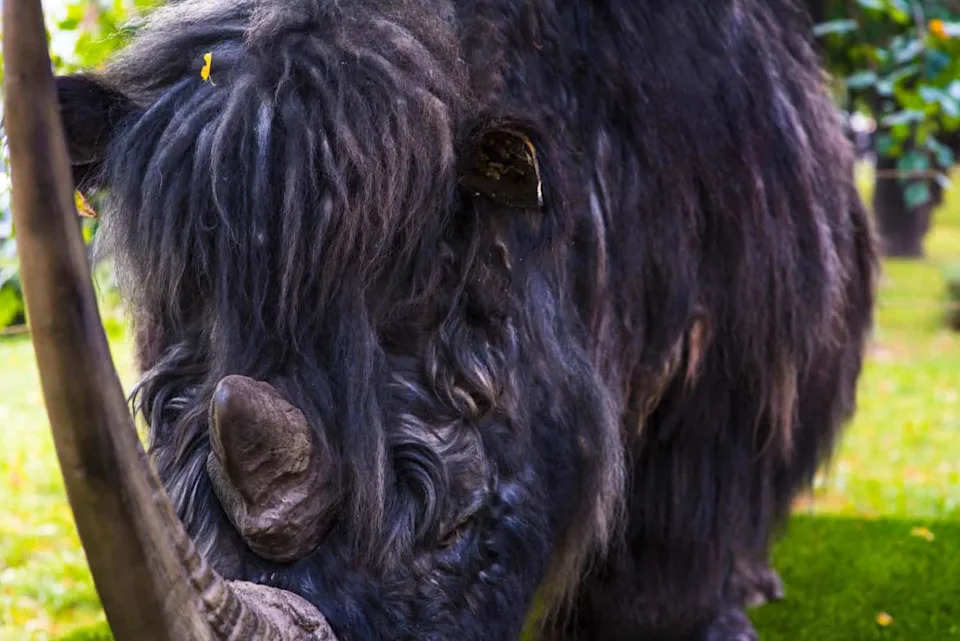
One woolly rhino horn found in Siberia remains the largest horn found on any known animal.©Denis Starostin/Shutterstock.com(Denis Starostin/Shutterstock.com)
That pattern suggests the woolly rhino’s disappearance around 14,000 years ago was driven primarily by rapid environmental change at the end of the last Ice Age rather than a long, steady genetic decline. As vertebrate paleontologist Advait Jukar notes, warming likely pushed rhinos into marginal habitats, increasing their vulnerability to environmental stressors or sporadic human hunting.
Context: Mammoths and Sudden Extinction
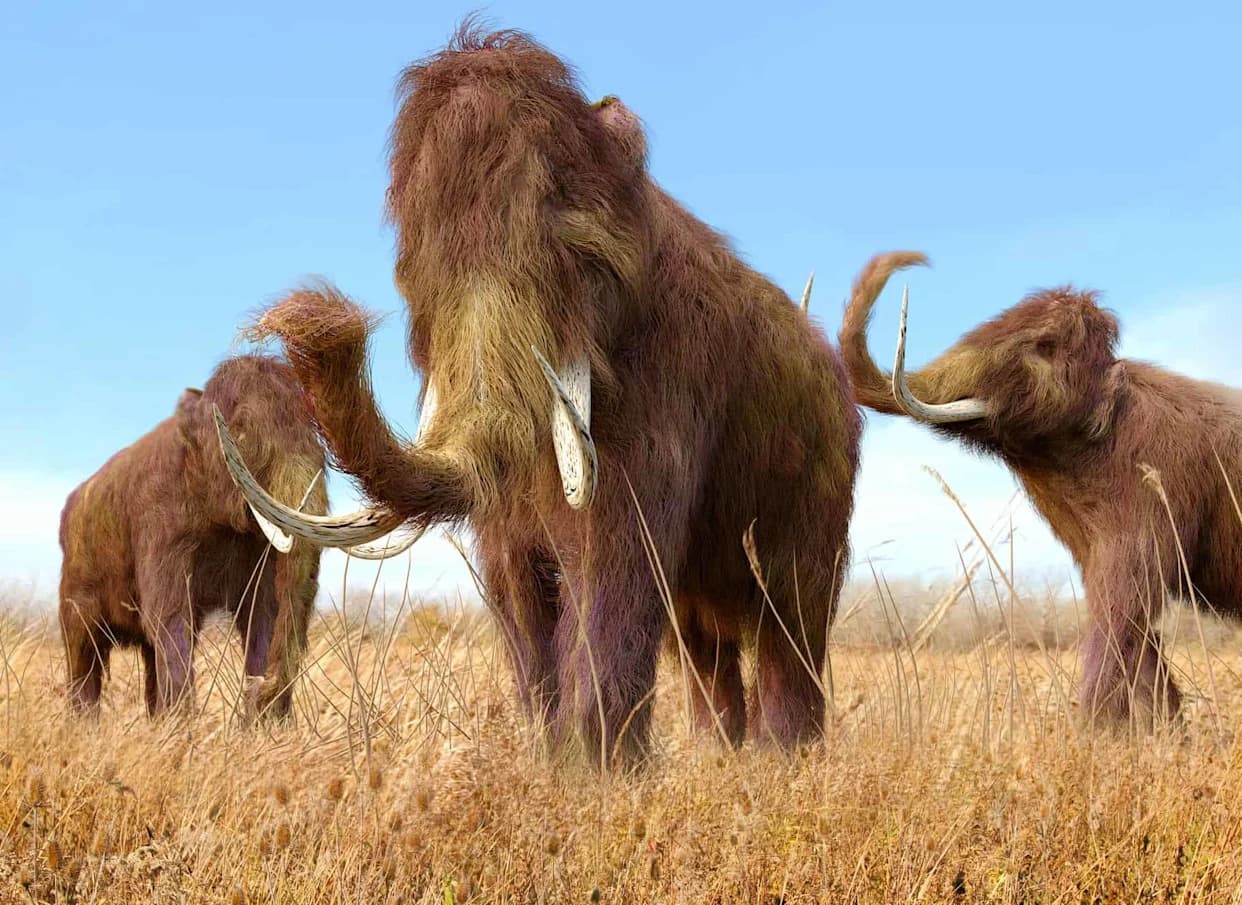
The authors draw a parallel to a 2024 study of late-surviving woolly mammoths by the same research group. Those mammoths showed signs of inbreeding yet persisted for millennia before an abrupt extinction event—possibly tundra fire, disease, or another rapid shock—ended the population. The woolly rhino results reinforce the idea that populations can appear genetically healthy and still collapse quickly when hit by sudden environmental crises.

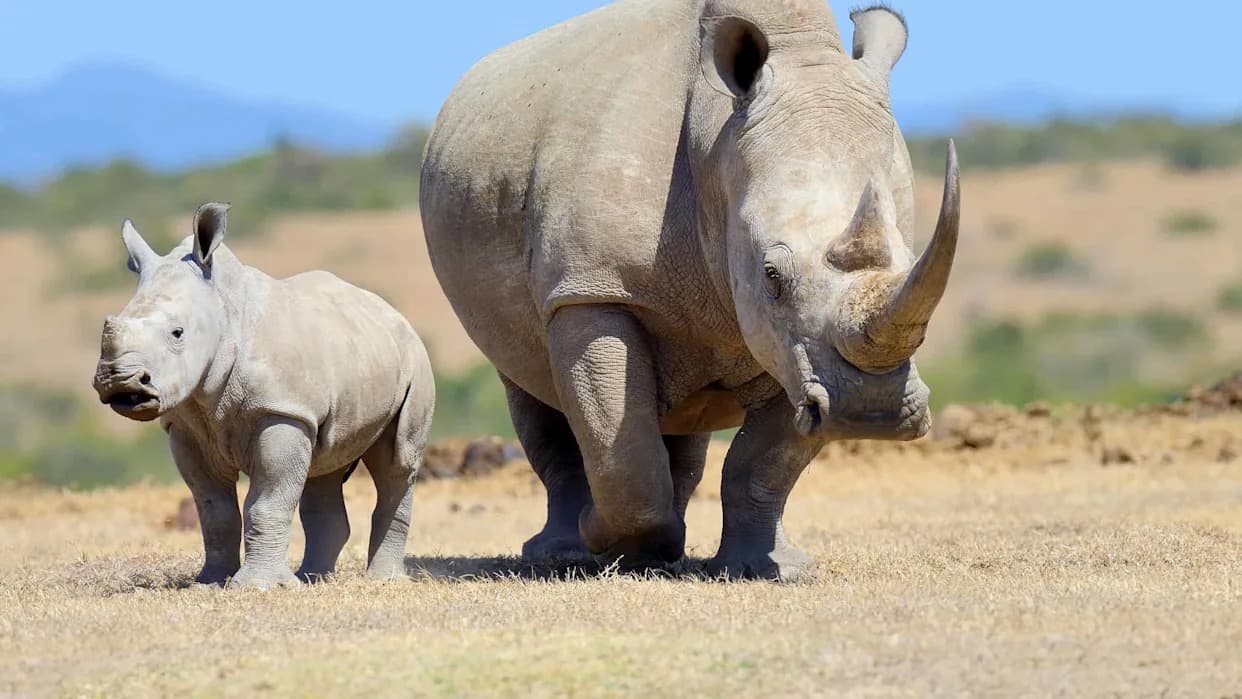
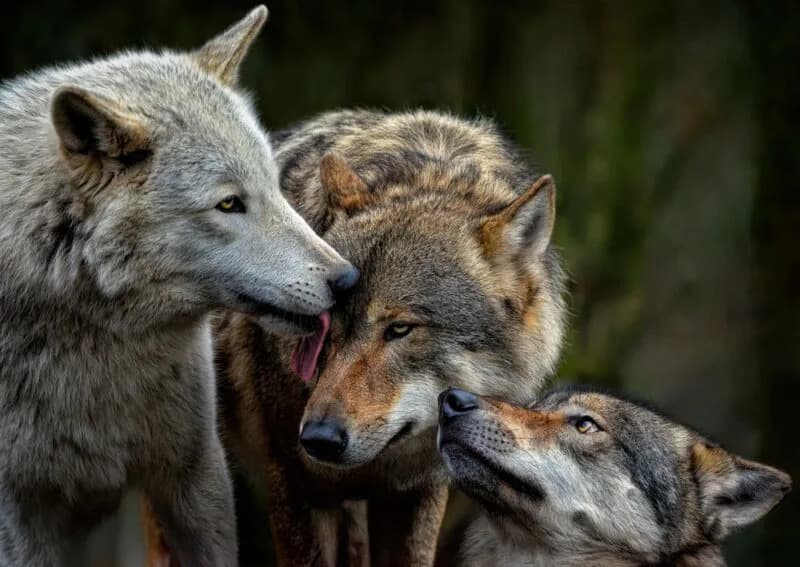
Genetic sequencing suggests that woolly rhinos were not inbred, even in the centuries right before their extinction.©gopixa/Shutterstock.com(gopixa/Shutterstock.com)
Extraordinary Details
Woolly rhinoceroses once ranged across northern Eurasia. They were similar in body size to modern rhinos but sometimes bore much larger horns: a horn recovered in Siberia measured five feet, five inches long, one of the largest known horns of any animal. Siberia seems to have been one of their last refuges before their fossil record ends around 14,000 years ago.
Why This Matters
Sequencing a genome from stomach contents opens a novel window into predator–prey relationships and the final chapters of Ice Age megafauna. The findings improve our understanding of how rapid climate-driven changes — sometimes combined with local human impacts — can tip populations toward sudden extinction even if genetic indicators appear stable beforehand.
Study Source: Genome Biology and Evolution; Centre for Palaeogenetics, Stockholm.
Help us improve.