2025 was a major year for astronomy, driven by JWST, ALMA, NASA missions, and global teams. Highlights include a dramatic new image of the Butterfly Nebula, a candidate observation of Population III stars, and a tentative gamma-ray signal that some interpret as evidence for dark matter. Other notable results: a forming planetary system at HOPS-315, a carbon-rich moon-forming disk around CT Cha b, Martian rock textures that could hint at past microbes, and new methods for testing exoplanet atmospheres.
15 Breakthrough Space Discoveries of 2025 — From JWST Marvels to a Possible Dark Matter Signal

2025 has been a landmark year for space science. International teams and powerful observatories—especially the James Webb Space Telescope (JWST), ALMA, and NASA’s planetary missions—produced a string of discoveries that deepen our view of stellar evolution, planet formation, the early Universe, and even the ongoing search for dark matter.
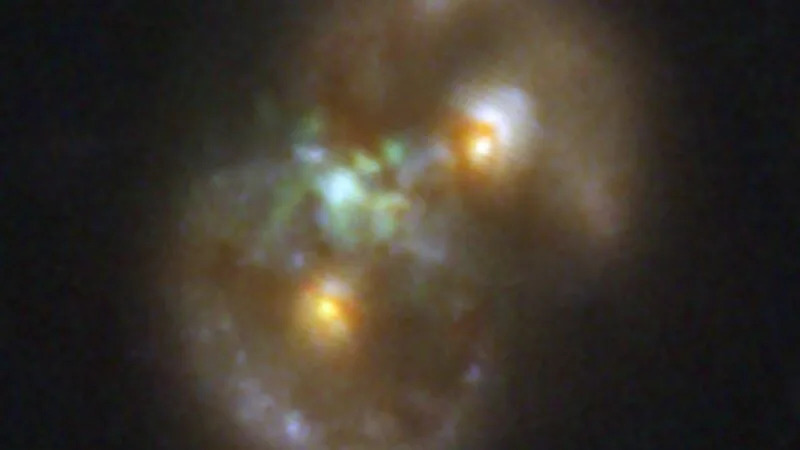
Key Discoveries
Butterfly Nebula (NGC 6302) — Nov 26, 2025: JWST released a striking new image of this bipolar planetary nebula in Scorpius, about 3,400 light-years away. The nebula’s central star is among the hottest known, with a temperature around 220,000 K, and the image showcases the two broad, energetic wings of expelled gas produced as the star died.
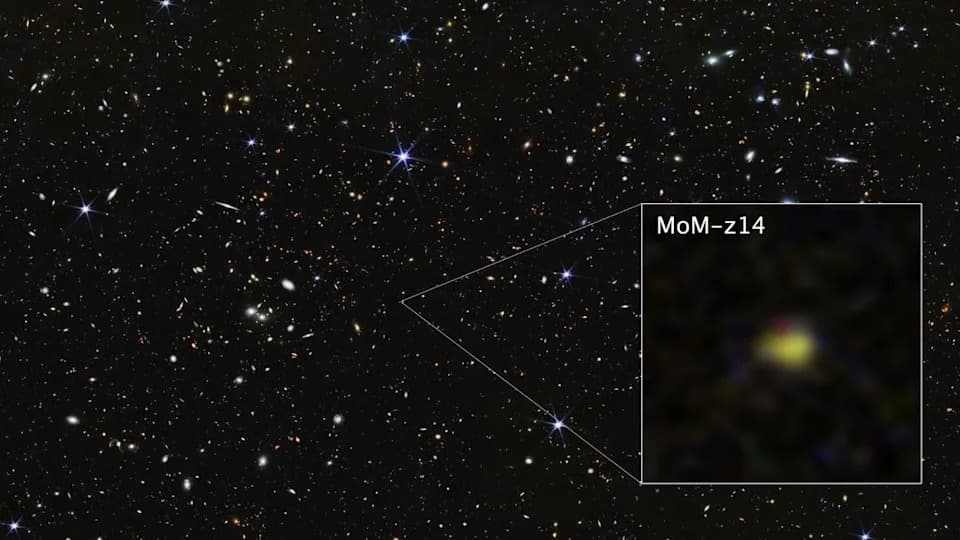
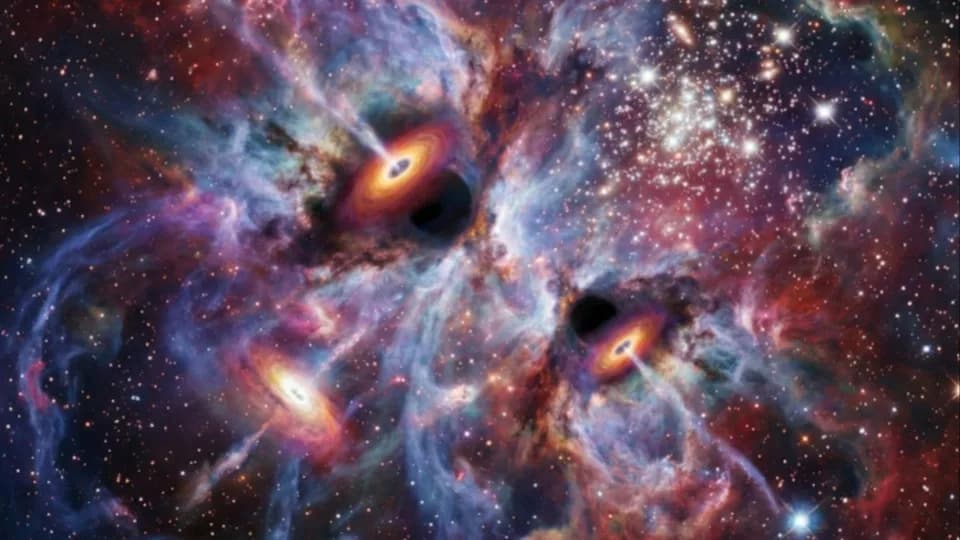
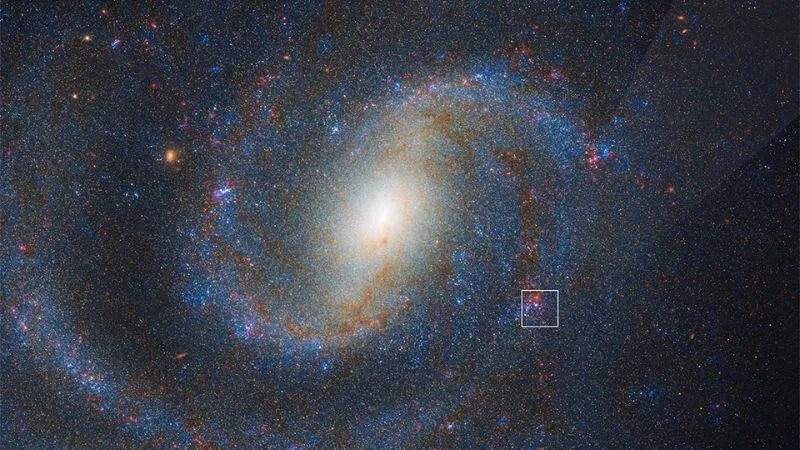
Candidate Birth of a Supermassive Black Hole — COSMOS-Web: JWST COSMOS-Web survey images, analyzed by teams including Yale and the University of Copenhagen, revealed a galaxy likely formed from the merger of two disk galaxies. Astronomers say it may offer the first direct view of a supermassive black hole in the process of being born.
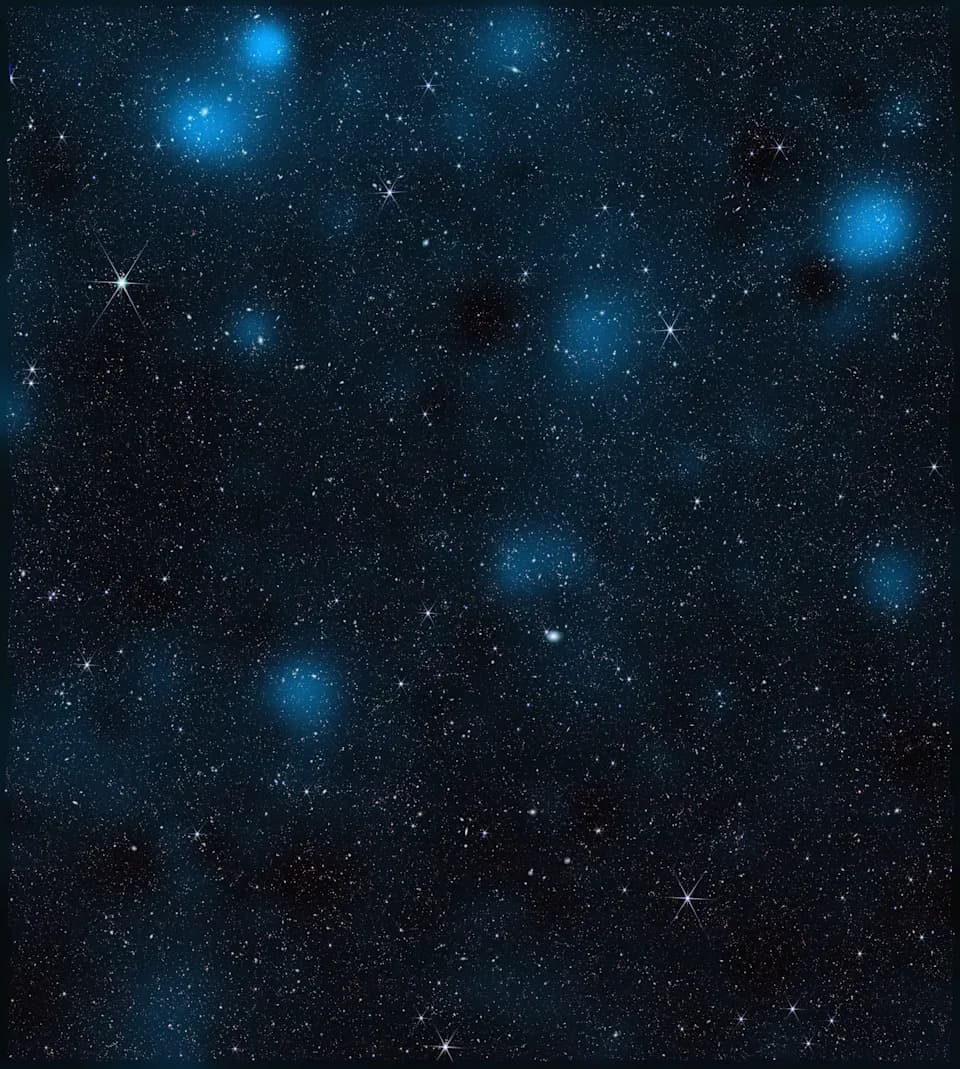
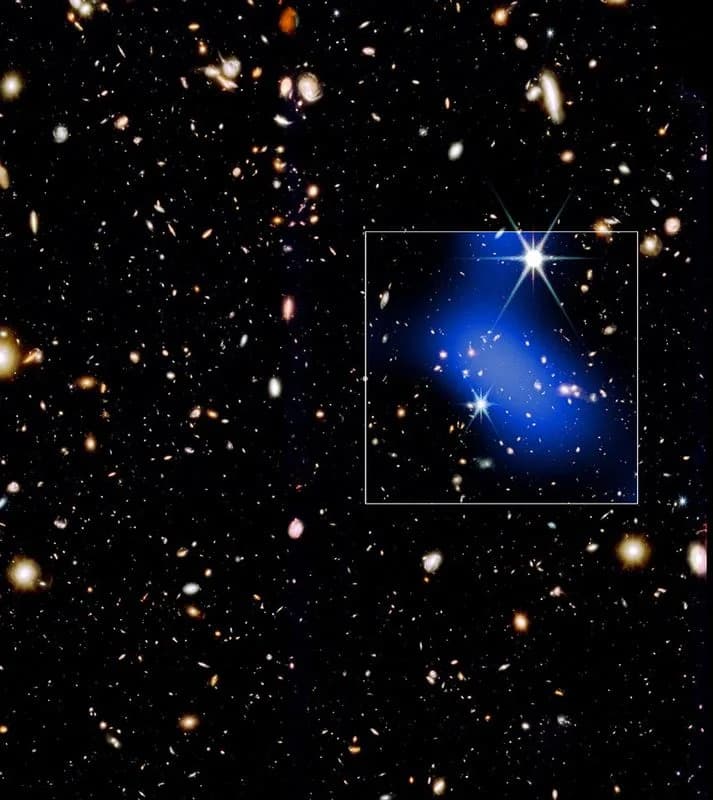
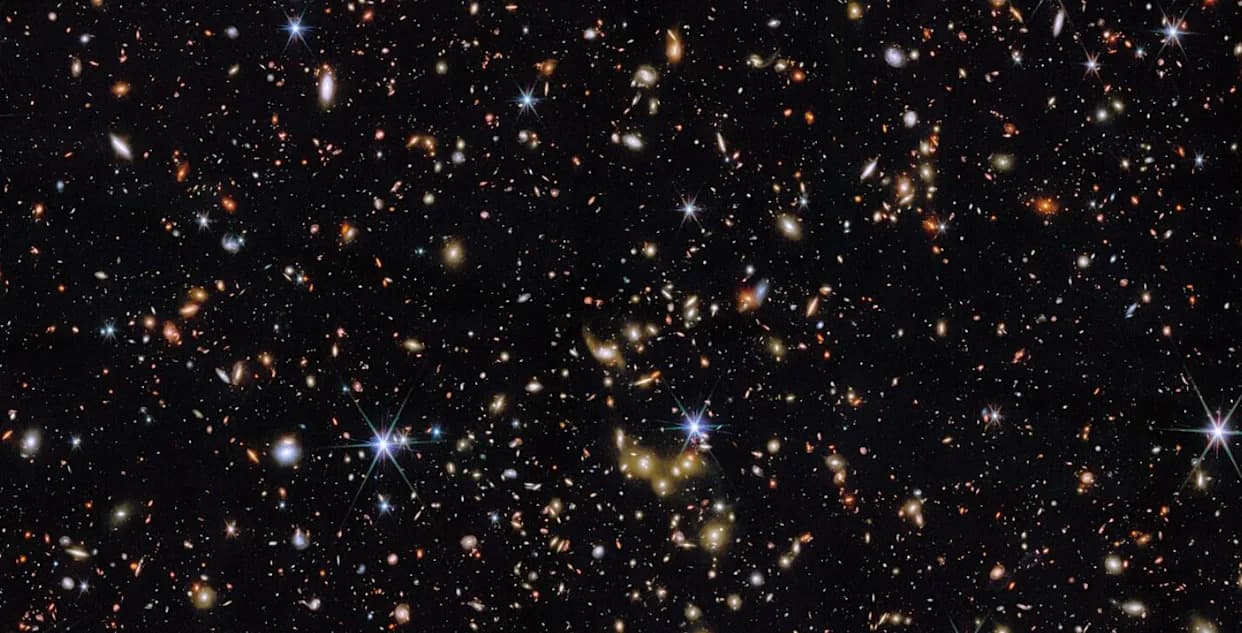
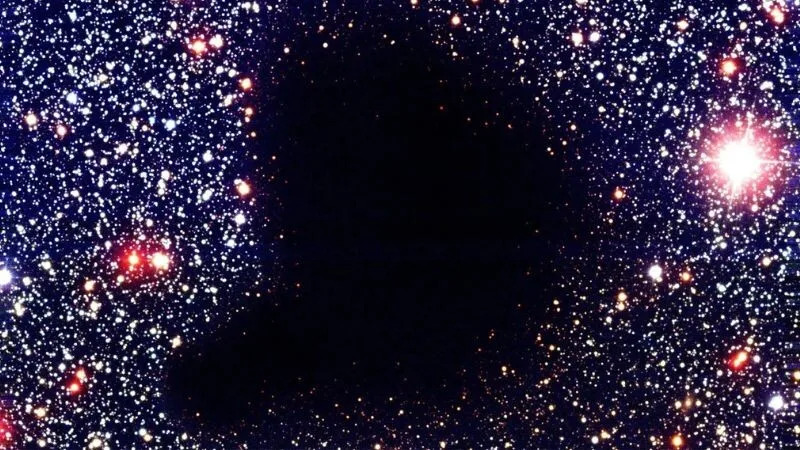
"The Great Nothing" Void — Updated Views: The vast apparent void nicknamed the Great Nothing spans nearly 330 million light-years (≈0.27% of the observable Universe’s diameter). First reported in 1981 by Robert Kirshner’s team, new higher-quality imagery has prompted fresh theoretical ideas about its nature.

Possible Dark Matter Signature — Nov 29, 2025: A study of an unusual gamma-ray emission from the Milky Way’s center has led some researchers to suggest they may have seen indirect evidence of dark matter for the first time. The claim is tentative and will require independent confirmation and follow-up observations.

SN2025pht Supernova — June 29, 2025: JWST observations of SN2025pht enabled detailed infrared analysis. Charlie Kilpatrick (Northwestern) said the data let researchers precisely identify the type of red supergiant that exploded and probe its immediate environment with unprecedented clarity.
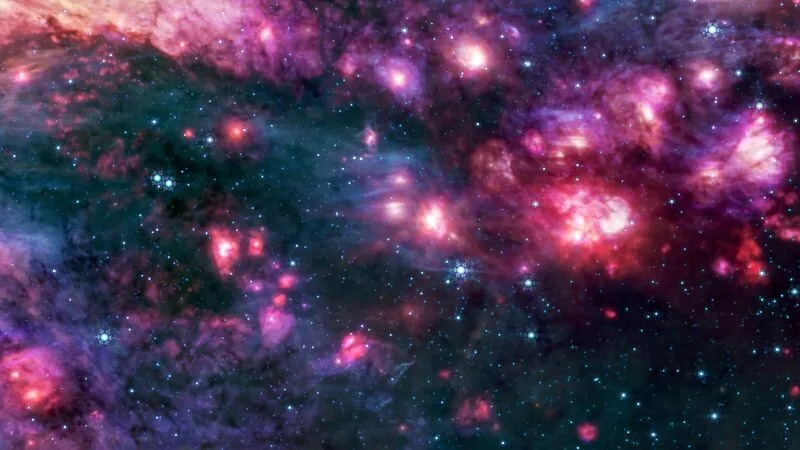
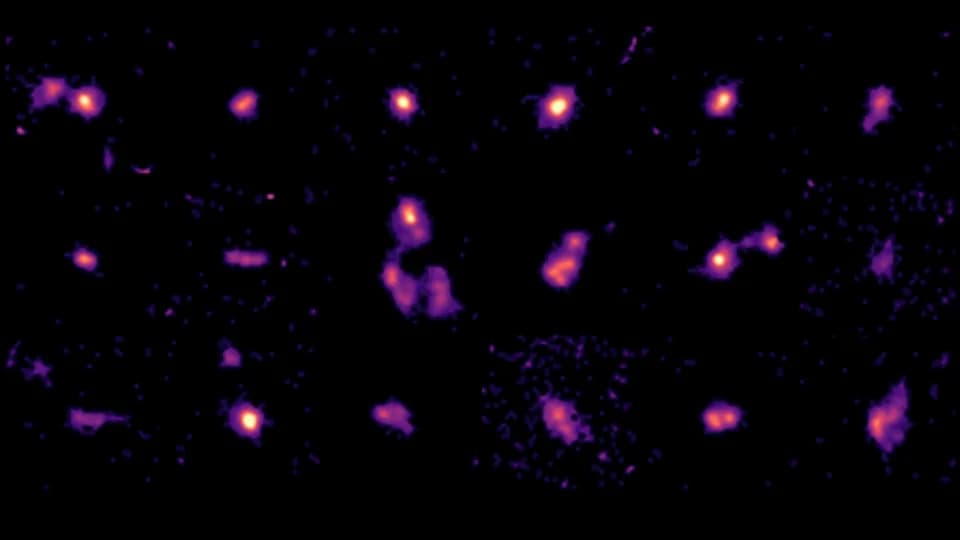
HOPS-315 — A Forming Planetary System (July 2025): Combined JWST and ALMA observations imaged a young star, HOPS-315 (~1,300 light-years away), showing disk structure and early steps of planet formation—offering a real-time look at processes analogous to the early solar system.
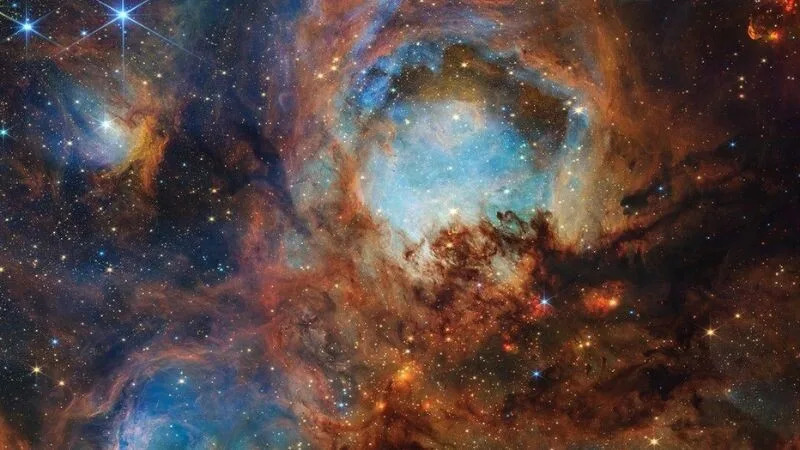
Candidate Population III Star Cluster — Oct 27, 2025: A paper in The Astrophysical Journal Letters reports a cluster that researchers argue meets theoretical predictions for Population III stars, the Universe’s first generation formed shortly after the Big Bang. The claim is significant but will be scrutinized and tested with additional data.
Mars Rover Finds Compelling Rock Textures — Sept 2025: NASA’s Perseverance rover examined a Martian rock with patterns called “leopard spots” and “poppy seeds.” These textures could be consistent with ancient microbial activity, but scientists emphasize they are suggestive rather than definitive and require returned-sample laboratory analysis.
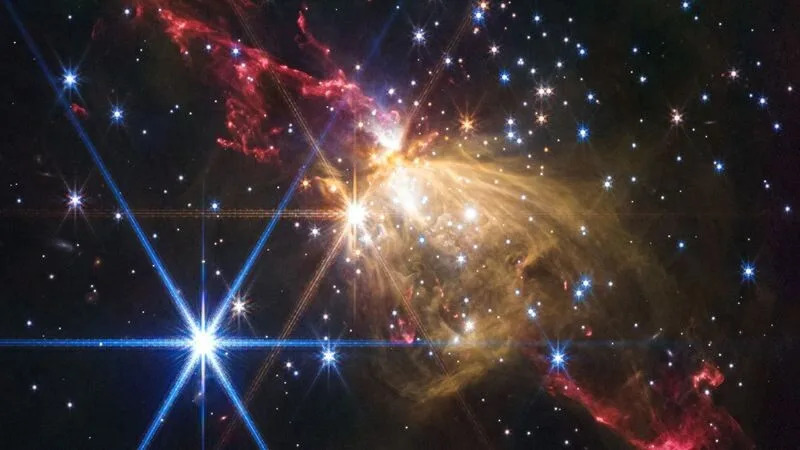
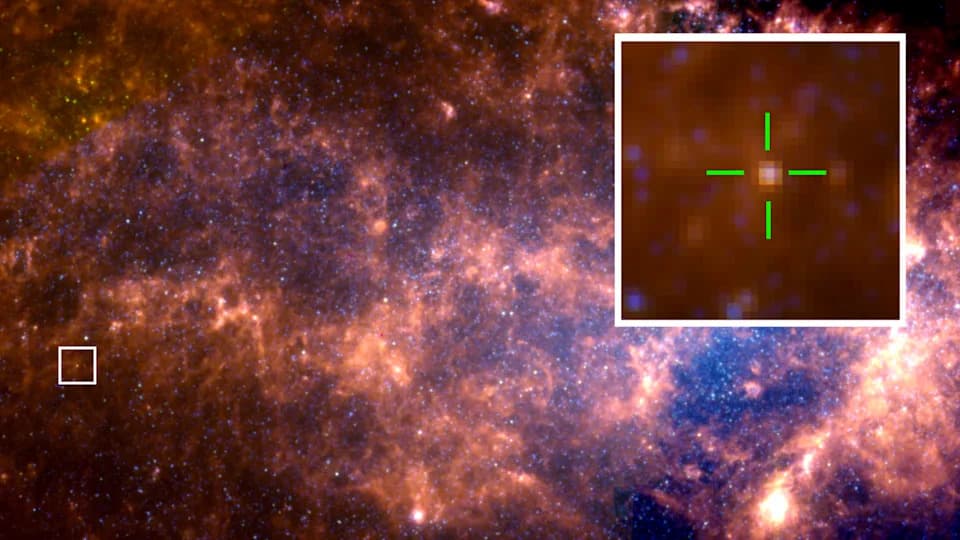
Sgr B2 Star-Forming Region — Sept 24, 2025: JWST captured glowing cosmic dust warmed by very young, massive stars in Sgr B2, the Milky Way’s most massive and active star-forming complex, located a few hundred light-years from our galaxy’s central supermassive black hole.
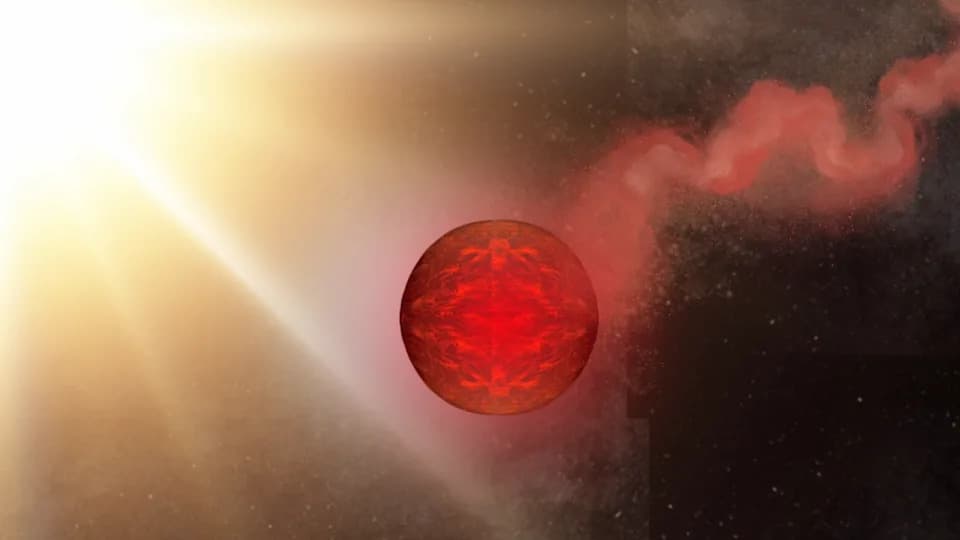
CT Cha b Carbon-Rich Disk — Sept 29, 2025: JWST detected a carbon-rich disk around the substellar object CT Cha b (~625 light-years away). Researchers describe it as a potential moon-forming disk—a construction zone where satellite formation could occur.
Compact Structures in a Scorpius Nebula: JWST revealed a group of compact mini-structures—composed of gas, dust, and young stars—in a nebula roughly 4,000 light-years away in Scorpius, offering new detail beyond earlier Hubble and Spitzer images.
Detecting Atmospheres on Tidally Locked Planets — Sept 30, 2025: Researchers demonstrated a technique to infer whether a tidally locked rocky exoplanet has an atmosphere by comparing its observed temperature profile to detailed computer models, a method that will help prioritize atmospheric targets for future observations.
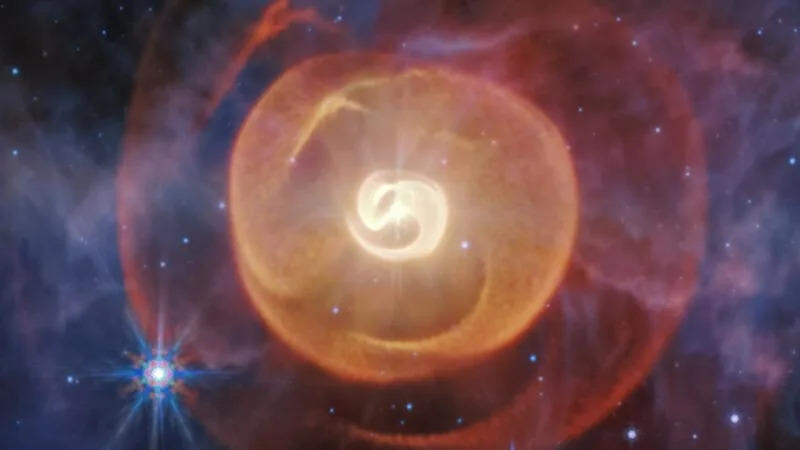
Apep System — Four Dust Spirals Identified: JWST’s data revealed four concentric dust spirals in the Apep system and confirmed that three stars are gravitationally bound. The spirals (or shells) were thrown off over the last ~700 years by two aging Wolf–Rayet stars.
TRAPPIST-1 System — Seven Earth-Sized Worlds (Sept 2025): Continued observations confirm seven Earth-sized planets orbit the red dwarf TRAPPIST-1. Planet e remains a high-priority target because it orbits in a zone where surface liquid water could be possible if the planet retains an atmosphere.
Giant Protostellar Jet in Sh2-284: Astronomers identified a protostellar jet roughly 8 light-years long on the outskirts of the Milky Way (Sh2-284). For scale, one light-year equals about 5.88 trillion miles.
What This Means
Collectively, these discoveries showcase the power of modern telescopes and international collaboration: from detailed imaging of dying stars and planet-forming disks to possible glimpses of the Universe’s first stars and tentative signals tied to dark matter. Many claims remain provisional and will be followed by more observations and analyses, but 2025 has clearly been a milestone year for astronomical discovery.
Help us improve.