Researchers analyzed nine exceptionally preserved Anchiornis huxleyi fossils from eastern China and found evidence of chaotic, asymmetric feather molting. That molting pattern resembles flightless birds, suggesting Anchiornis likely could not sustain powered flight. The findings, published in Communications Biology, imply pennaraptoran flight ability was complex and may have been gained and lost multiple times. Further biomechanical modeling could clarify the functional role of these feathers.
Feathered but Flightless? Fossils Reveal Anchiornis Likely Couldn’t Fly

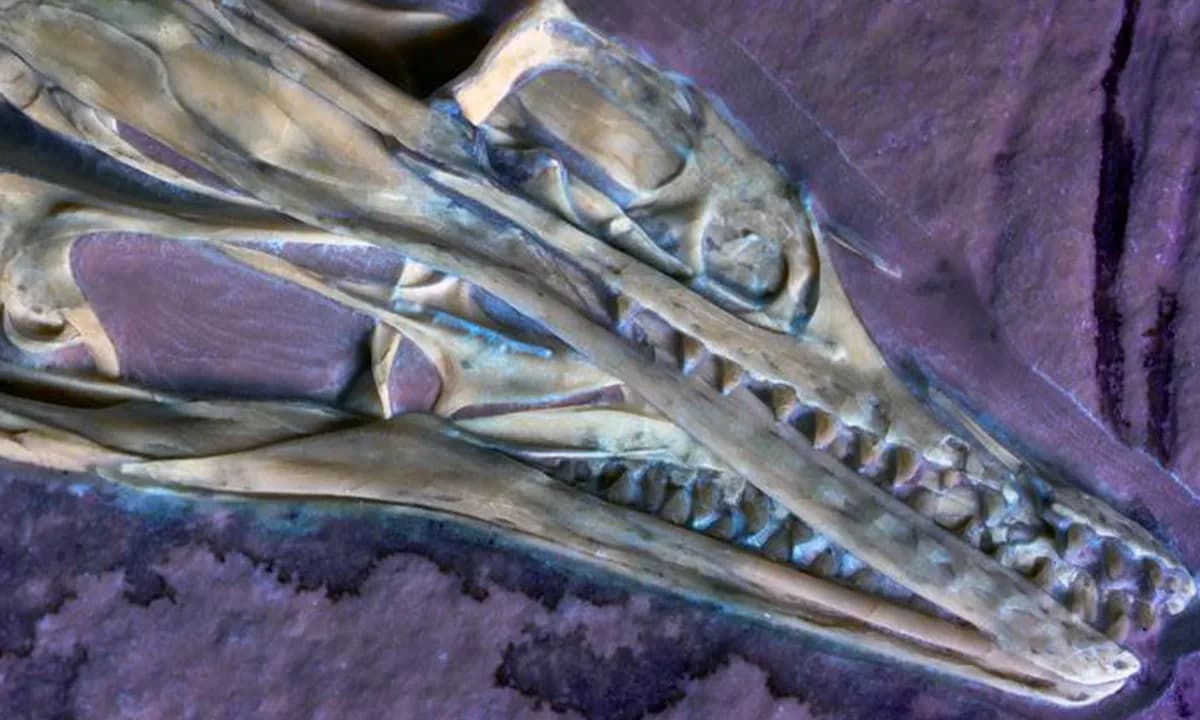
160-million-year-old Anchiornis fossils. Credit: From Kiat, Y., et al. Communications Biology (2025).
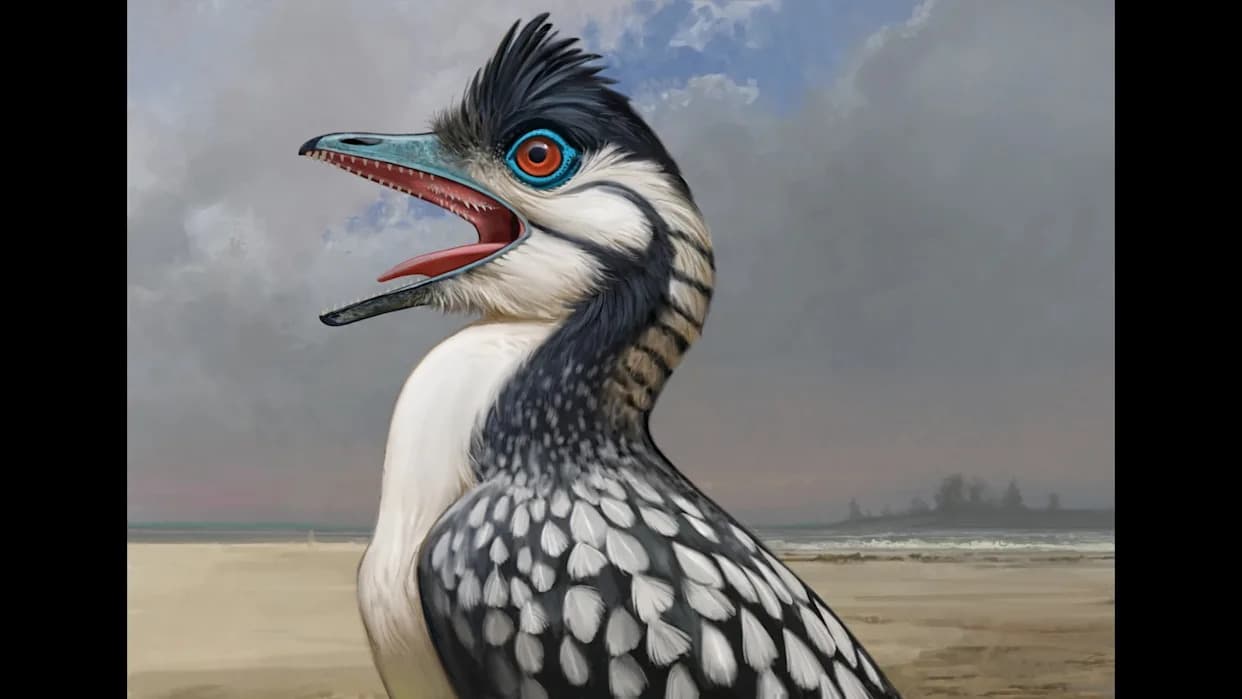
Ostriches, kiwis and penguins are familiar examples of modern birds that cannot fly. Now, new research suggests that the small feathered dinosaur Anchiornis huxleyi — a pennaraptoran dating back about 160 million years — was also unlikely to sustain powered flight.
Examining Exceptional Fossils
An international team studied nine exceptionally preserved Anchiornis specimens from deposits in what is now eastern China. These fossils retain original feather structures and enabled researchers to reconstruct molting patterns — the sequence and timing by which feathers are shed and replaced.
Molting Offers a Clue
In today's birds, species that depend on flight typically replace flight feathers in a regular, symmetrical sequence that preserves wing balance and allows continued flight during molt. By contrast, flightless birds tend to molt irregularly and asymmetrically.
"Molting may seem like a small technical detail, but when preserved in fossils it can reshape our ideas about how flight originated," said lead author Yosef Kiat, an ornithologist and feather specialist at Tel Aviv University.
The team found evidence of chaotic, asymmetric molting in the Anchiornis specimens: uneven feather coloration and wear patterns indicate an irregular replacement of wing feathers without a consistent, symmetric sequence between the two wings. The authors report these findings in Communications Biology.
What This Means For Flight Evolution
Chaotic molting does not prove absolute incapacity for any aerial behavior, but it is characteristic of species that do not rely on powered flight. The retained feathers may have served alternative functions such as display, insulation, brooding or short glides rather than sustained flapping flight.
The new evidence supports the idea that flight ability within pennaraptorans was complex: some lineages may have gained, lost or modified aerodynamic capabilities multiple times during their evolution. That complexity makes it difficult to conclude whether flight evolved once or repeatedly among these feathered theropods.
Next Steps
Researchers say biomechanical modeling and further fossil discoveries could clarify how Anchiornis’ wings functioned and whether they ever supported meaningful aerial locomotion. Detailed soft-tissue and molting data preserved in fossils offer a fresh behavioral window into the deep history of feathers and wing evolution.
Study: Kiat et al., Communications Biology (2025). Lead specimens recovered from eastern China; nine individuals examined.
Help us improve.