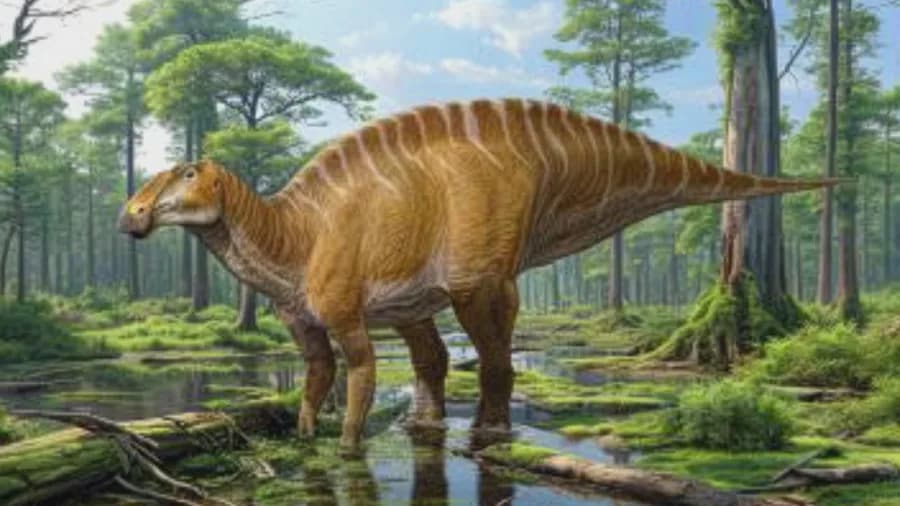
A UCL-led reconstruction of a Late Jurassic food web shows that infant and juvenile sauropods were an abundant and vulnerable prey resource for large predators. Using isotopes, tooth-wear and fossilized stomach contents from Dry Mesa Quarry, researchers identified at least six sauropod types—including Diplodocus, Brachiosaurus and Apatosaurus—and mapped extensive predator links to juveniles. The study argues sauropod life history and limited parental care made hatchlings easy targets, a dynamic that diminished by the time T. rex evolved tens of millions of years later.
Baby Sauropods Fueled Jurassic Predators: New Food-Web Study Reconstructs 150-Million-Year-Old Ecosystem
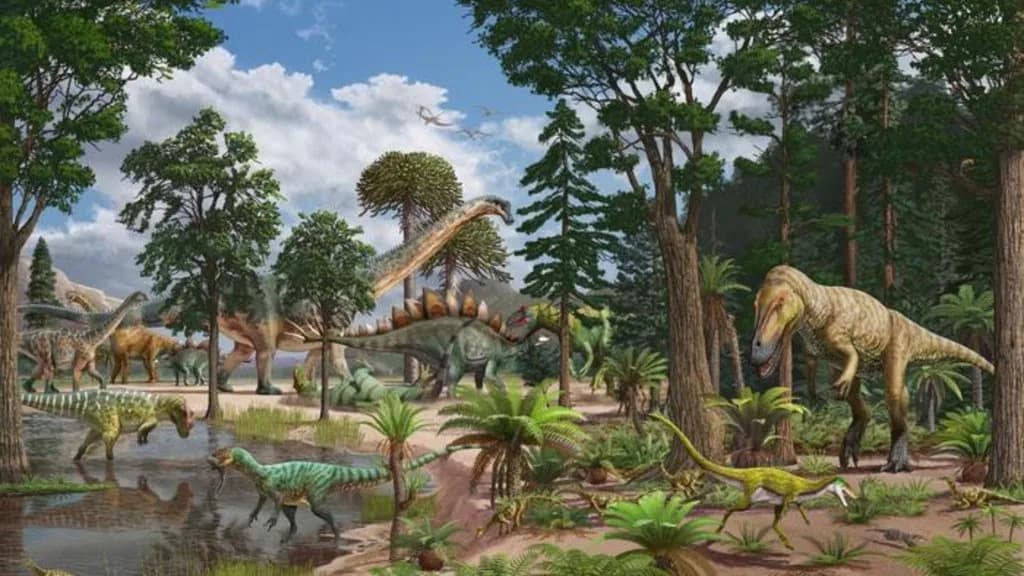
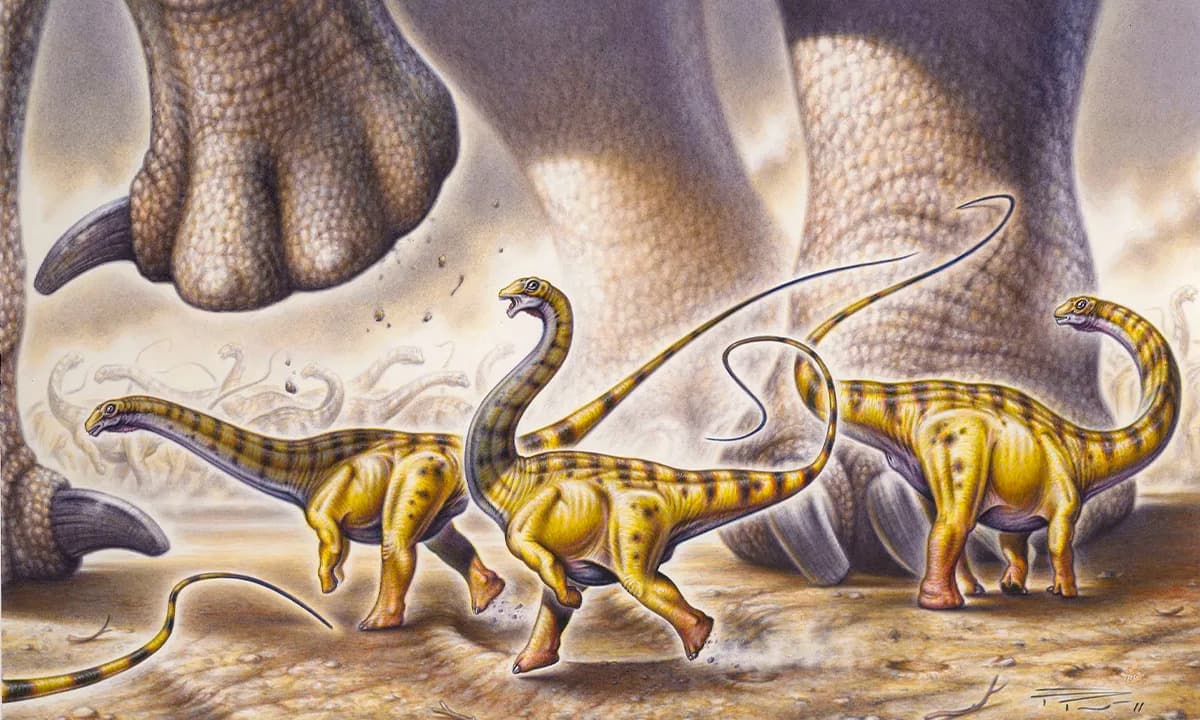
Infant and juvenile sauropods—long before they grew into the iconic, long-necked giants—were a key and vulnerable food source for large predators in the Late Jurassic, according to a University College London (UCL) study reconstructing a high-resolution ancient food web.
Study and Methods
The UCL-led team examined roughly 150-million-year-old fossils from the Morrison Formation, focusing on material from the Dry Mesa Dinosaur Quarry in Colorado. Their reconstruction combined multiple lines of evidence—bone isotope chemistry, tooth-wear patterns and fossilized stomach contents—to map feeding links and build a detailed picture of who ate whom in that ecosystem.
Key Findings
At least six sauropod types were identified at the quarry, with well-known genera such as Diplodocus, Brachiosaurus and Apatosaurus among the assemblage. The reconstructed food web indicates that infant and juvenile sauropods had many more predator connections than other herbivores in the community, making them a reliable and abundant resource for apex predators—most notably large theropods like Allosaurus (around 145 million years ago).
“Life was cheap in this ecosystem and the lives of predators such as the Allosaurus were likely fuelled by the consumption of these baby sauropods,” said Dr Cassius Morrison, the study’s lead author.
Why Juveniles Were So Vulnerable
The researchers emphasize sauropod life history traits that made hatchlings easy prey: eggs roughly a foot wide, long juvenile growth periods and enormous adult body size. The authors argue that sheer size likely prevented effective parental care—an adult 30-ton Apatosaurus attempting to tend nests risked crushing eggs or hatchlings—so young sauropods probably resembled modern turtles in receiving little or no parental protection.
Ecological Implications
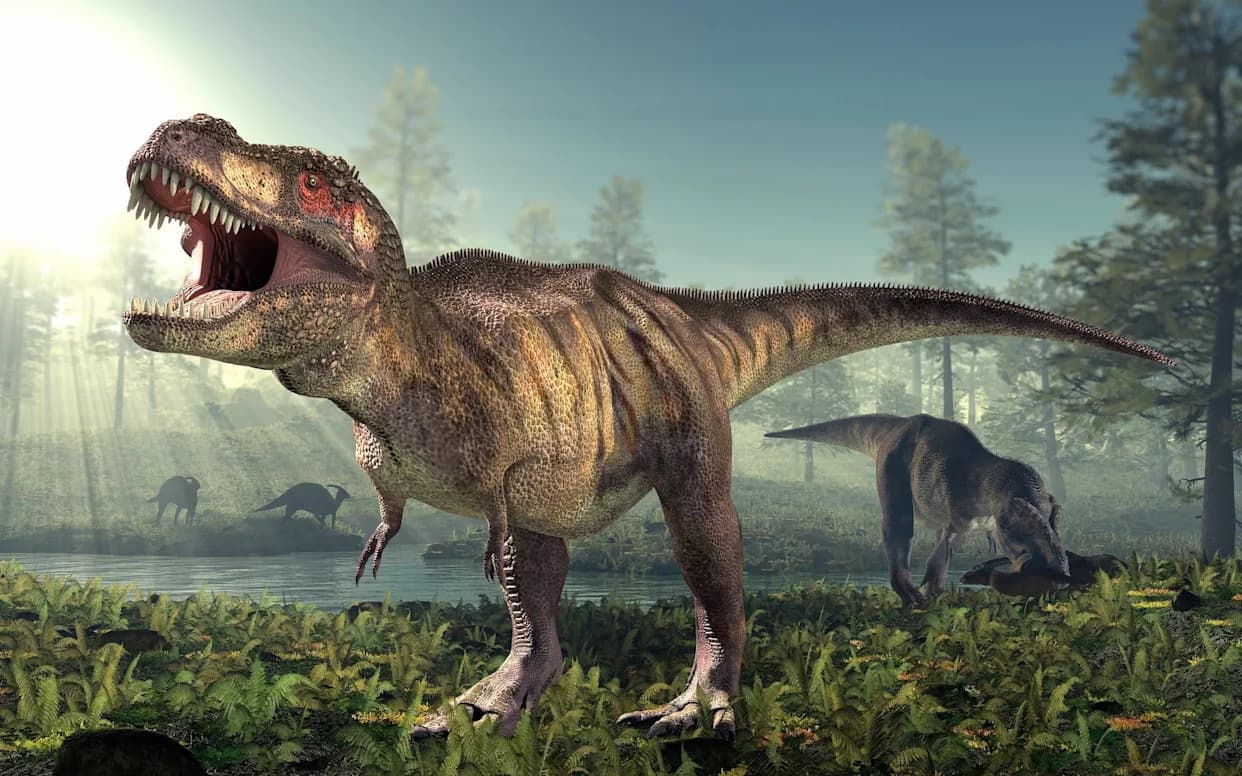
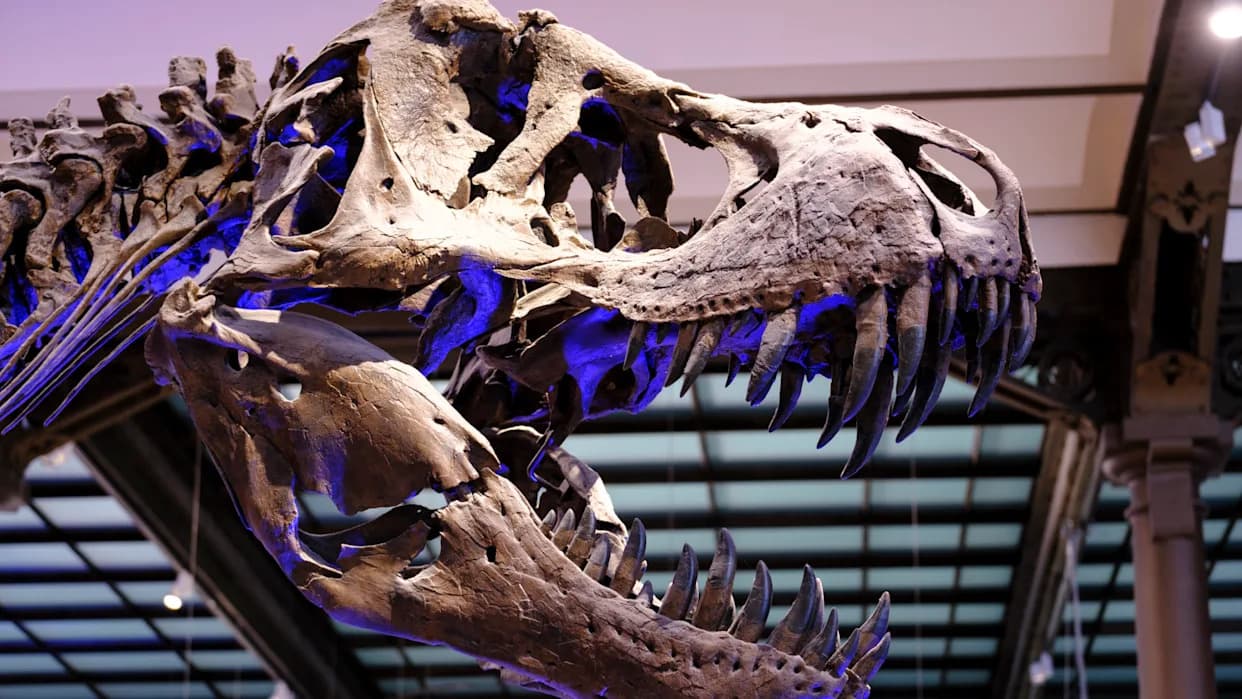
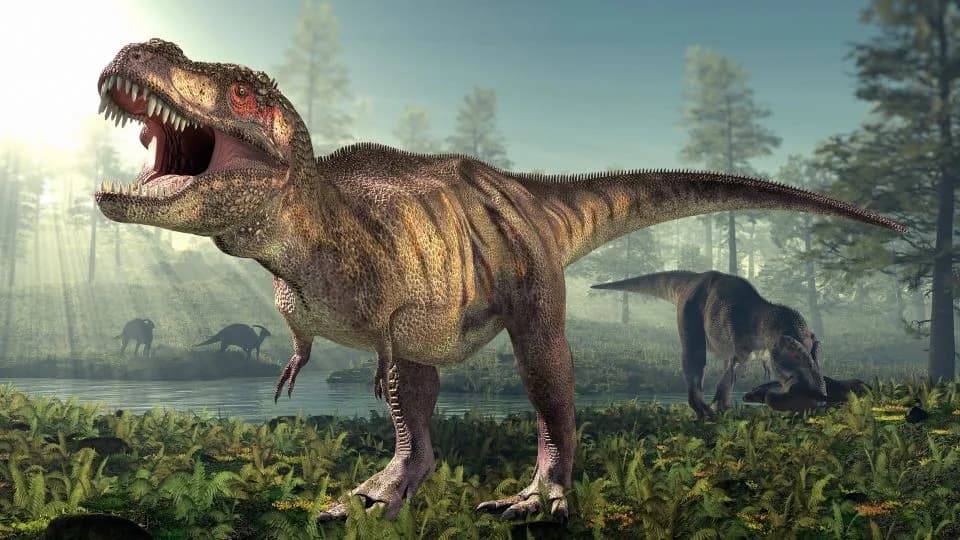
This steady supply of defenseless young may have supported populations of large predators such as Allosaurus. The study also suggests changing ecosystems over time altered prey availability: by the Late Cretaceous, when Tyrannosaurus rex appeared roughly 70 million years later, easily accessible juvenile sauropod prey had declined. That scarcity could have been one of several pressures driving theropods like T. rex toward stronger, bone-crushing bites and sharper sensory adaptations needed to tackle heavily defended prey such as Triceratops.
Collaboration and Publication
The research involved an international team from the UK, United States, Canada and the Netherlands. The results were published in the New Mexico Museum of Natural History and Science Bulletin on January 30.
Help us improve.