An AI developed by researchers in Edinburgh and Berlin assessed nearly 2,000 fossil footprints (plus millions of simulated variations) and identified eight key footprint features to tell bird prints from dinosaur tracks. The model flagged several trackways in Lesotho and the Culpeper Basin — more than 200 million years old — as likely avian, which could push back the origin of flight by about 60 million years. Results are intriguing but not conclusive; the findings are published in PNAS and the tool is available as the Dino‑Tracker app.
AI Suggests Some 200‑Million‑Year‑Old Tracks May Be Bird Footprints — Could Push Origin Of Flight Back 60 Million Years
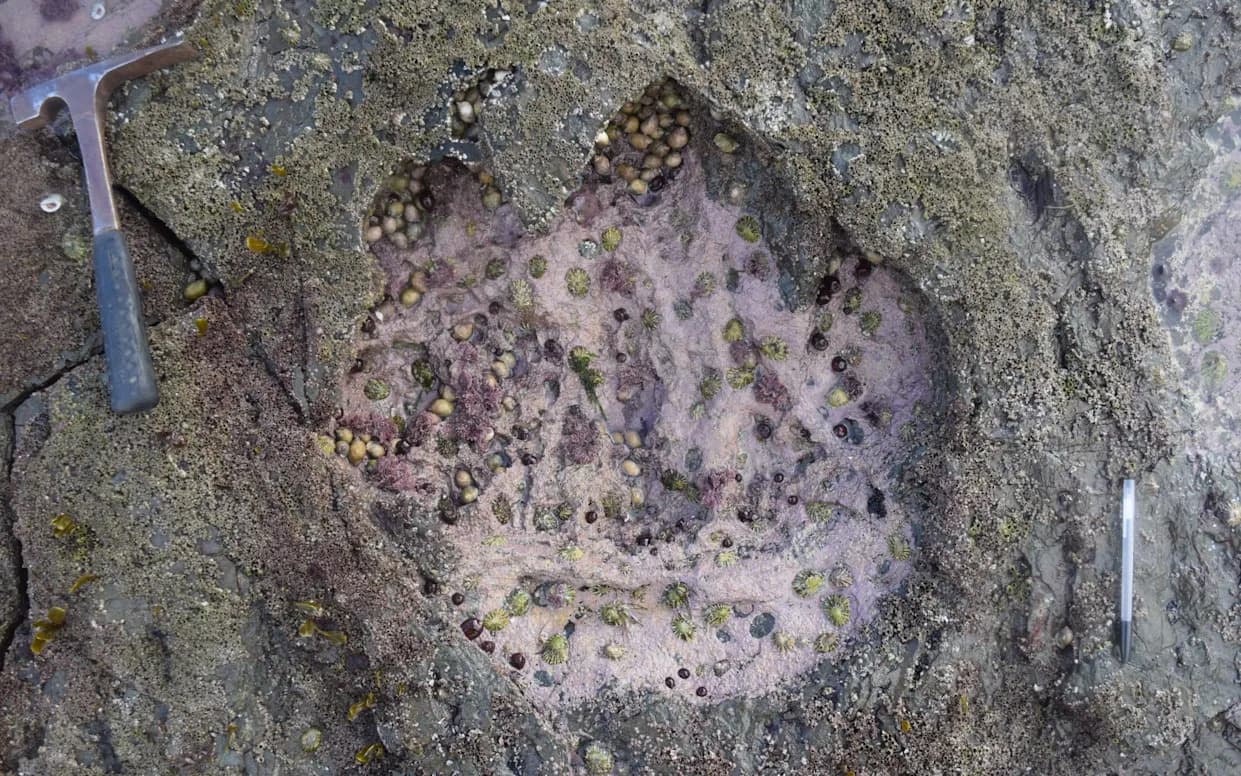
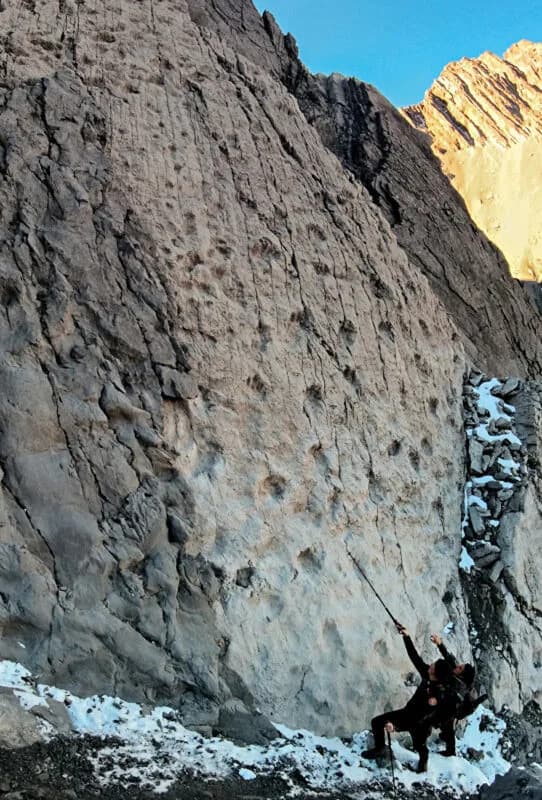
Researchers at Edinburgh are studying footprints such as from this sauropod dinosaur on the Isle of Skye - Paige dePolo/University of Edinburgh/PA Wire
New research using artificial intelligence suggests that some fossil footprints long attributed to small, running dinosaurs may instead have been made by birds — potentially moving the origin of powered flight back by roughly 60 million years.
Birds first appear in the body‑fossil record around 150 million years ago, with iconic early forms such as Archaeopteryx widely considered transitional between small theropod dinosaurs and modern birds. However, paleontologists have for decades noted that a number of much older trackways resemble bird prints more than conventional dinosaur footprints.
AI Trained On Footprints, Gait And Weight Distribution
A team from the University of Edinburgh and the Helmholtz‑Zentrum in Berlin developed an AI model trained to distinguish dinosaur and avian tracks. The model learned from nearly 2,000 fossil footprints and was augmented with millions of simulated variations to represent likely deformation, preservation and gait differences.
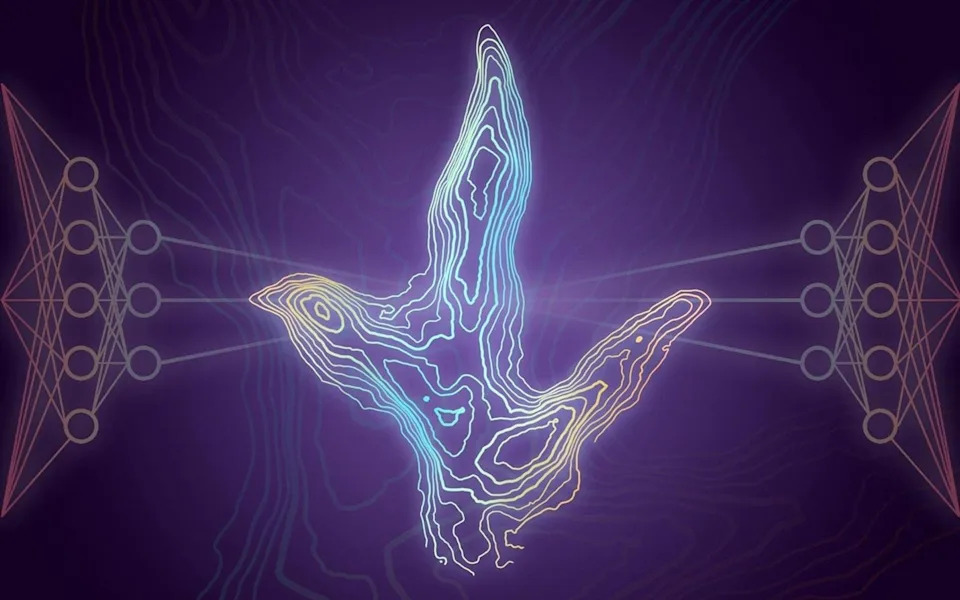
A dinosaur footprint from the Isle of Skye, displayed in software - Tone Blakesley
“There are a set of dinosaur tracks from the Late Triassic that look a lot like the tracks of birds, and they have been described as putative birds, but nobody really believes it because they are about 60 million years older than the oldest fossil bird skeletons,” said Prof. Steve Brusatte, a paleontologist at the University of Edinburgh. “Yet, the AI model shows that these tracks are very much like the tracks of true birds — the AI basically identifies them as birds.”
The algorithm learned eight principal features of footprint variation — including the contact area on ground strike, toe spread, heel position and how weight was borne across the foot — and used those features to compare unknown tracks with prints made by known dinosaurs and birds. The system agreed with human expert classifications about 90% of the time, including in disputed cases.
Key Finds And Cautions
The AI flagged several Triassic trackways in Lesotho and prints from the Culpeper Basin (Maryland and Virginia) dated to more than 200 million years ago as likely avian. It also suggested that enigmatic prints from the Isle of Skye, preserved on a lagoon shore about 170 million years ago, may have been made by early relatives of duck‑billed (hadrosaur) lineages.
Researchers emphasize that AI classification is not definitive proof of avian makers; tracks can be ambiguous, and some early dinosaurs may have walked in ways very similar to birds. The finding is nonetheless intriguing because it opens new avenues for studying how early birdlike animals moved, when major bird groups may have originated, and how walking styles evolved across dinosaur and early avian lineages.
The study appears in the journal PNAS, and the team has released its tool as an app called Dino‑Tracker to enable broader testing and crowd‑sourced classification of fossil footprints.
Help us improve.