A North Island cave in New Zealand yielded fossils dated between about 1.55 million and 1 million years ago, including at least 12 bird species and four frog species—several new to science. The discovery, reported in Alcheringa, includes a newly identified parrot (Strigops insulaborealis) related to the modern kākāpō and ancestral forms of the takahe and an extinct bronzewing-like pigeon. Researchers estimate 33–50% of species on the island went extinct during the million years before humans arrived, likely driven by rapid climate change and massive volcanic eruptions. The find fills a major gap in New Zealand’s fossil record and reshapes understanding of pre-human extinctions.
Island Cave Yields 1-Million-Year-Old Fossils That Reveal a Lost New Zealand Forest
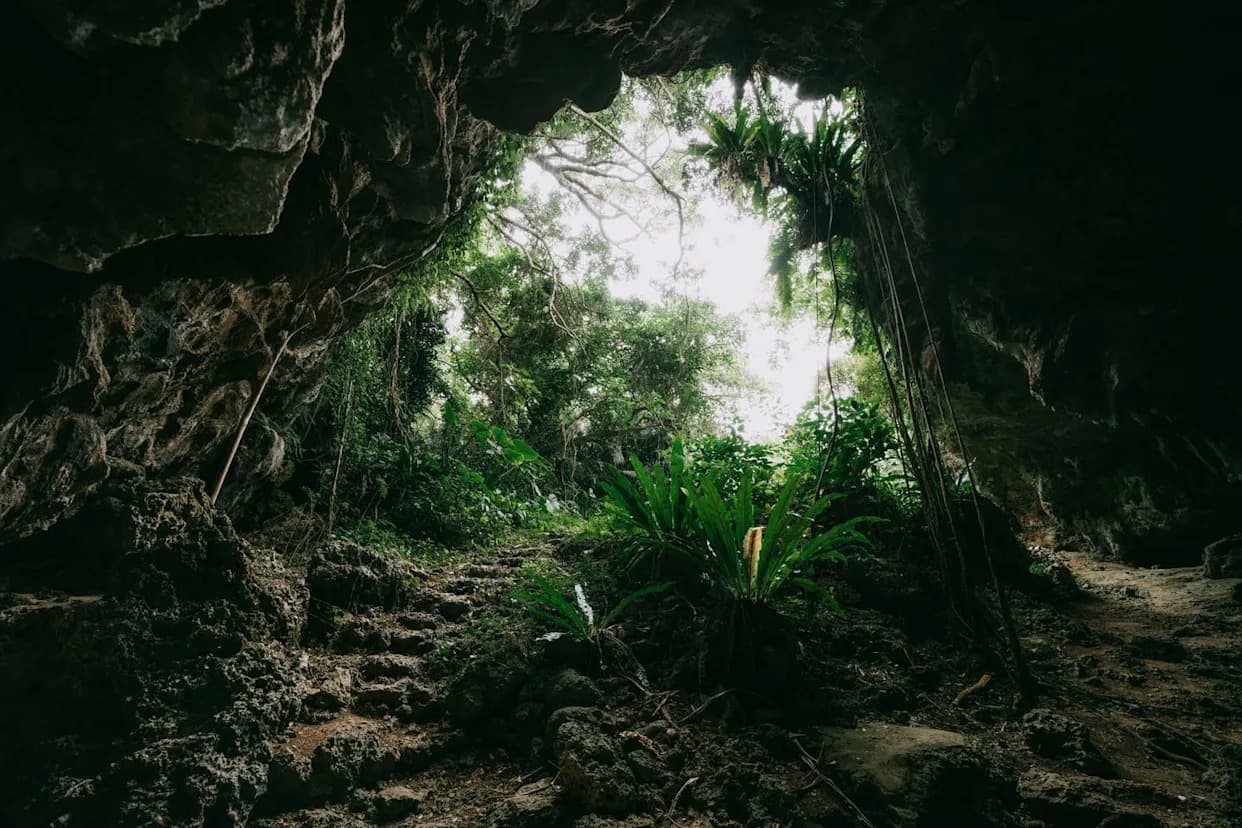
This Cave Is Full of Million-Year-Old FossilsIppei Naoi - Getty Images
A cave on New Zealand’s North Island has produced a remarkable assemblage of fossils more than a million years old, giving scientists an unprecedented window into an ancient forest ecosystem that no longer exists. The remains—recovered from deposits preserved between two volcanic-ash layers—include at least 12 bird species and four frog species, several of them previously unknown to science.
Where and When the Fossils Were Found
Researchers recovered the fossils from cave deposits sandwiched between two distinct volcanic-ash layers tied to major eruptions: one roughly 1.55 million years old and the other about 1 million years old. That volcanic context allowed scientists to place the fauna securely within a million-year time window and to compare it with younger faunas encountered by humans after they arrived in Aotearoa about 750 years ago.
New Species and Surprising Ancestors
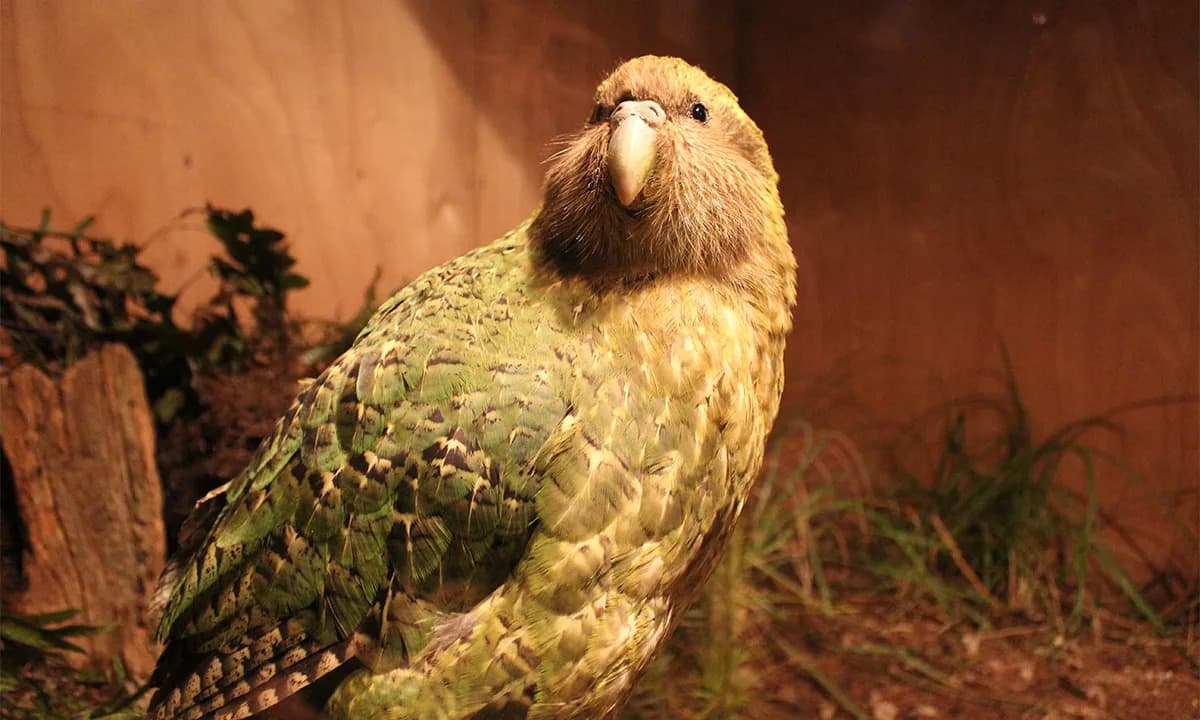
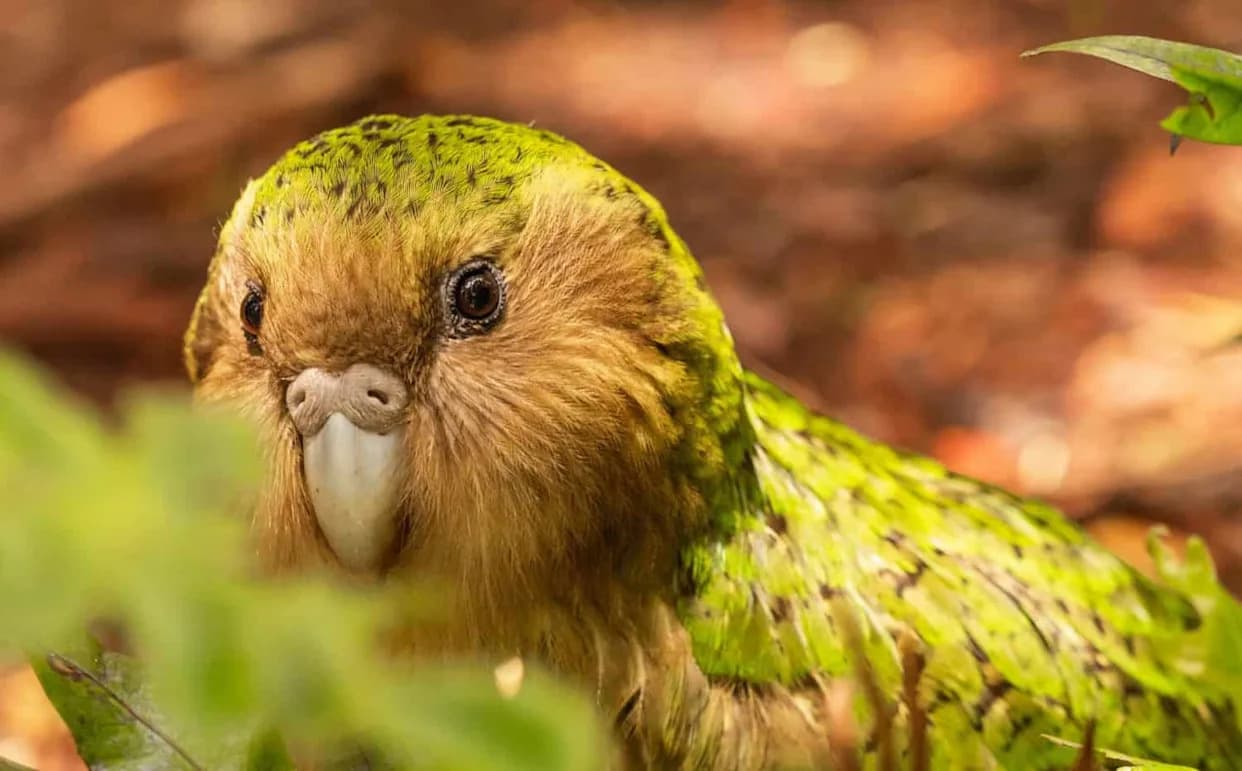
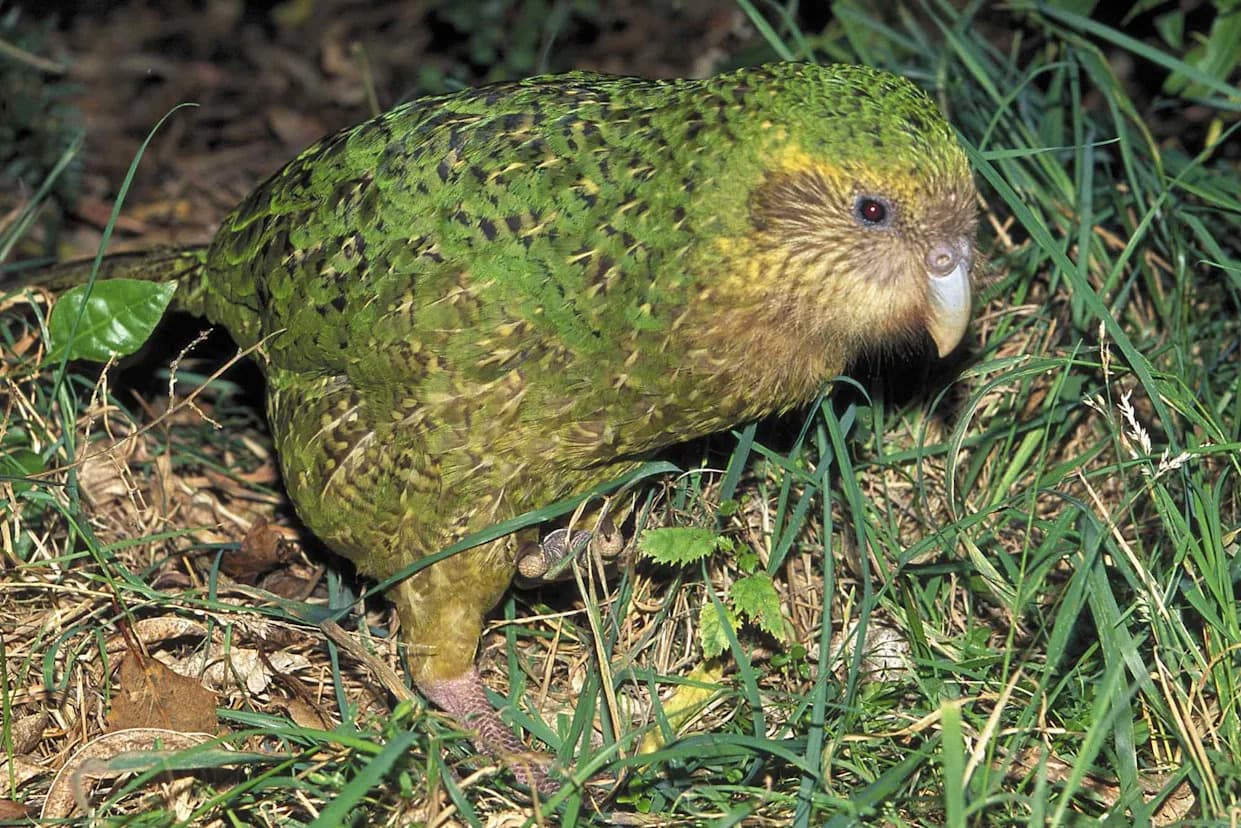
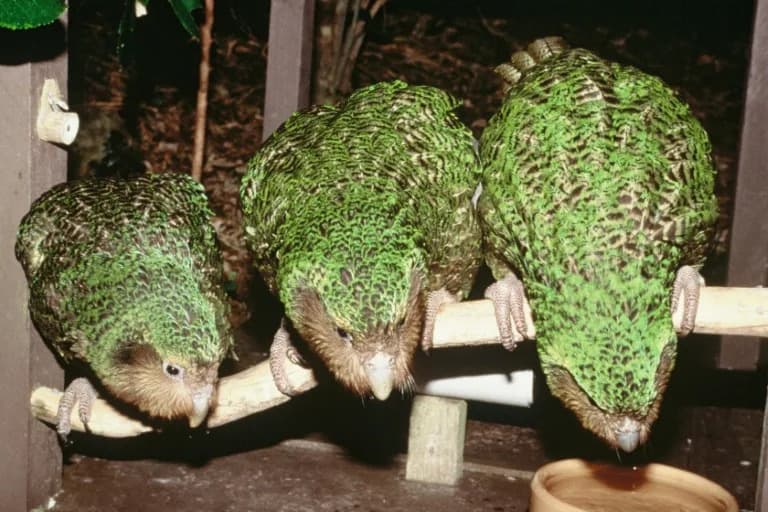
The study, published in Alcheringa: An Australasian Journal of Palaeontology and led by Trevor Worthy (Flinders University) with co-author Paul Scofield (Canterbury Museum), describes several notable finds. Among them is a newly named parrot, Strigops insulaborealis, interpreted as an ancient relative of the modern kākāpō. Skeletal features—including relatively weaker legs—suggest this ancestor may have had different locomotion and perhaps some retained flight capability, although further research is required to confirm that possibility.
Excavators also identified an ancestral form of the modern takahe and fossils of an extinct pigeon closely related to Australian bronzewing pigeons. In addition to the bird discoveries, the assemblage contains remains of four frog species, underscoring the broader ecological differences between the ancient forest and today’s landscapes.
Extinction Patterns Before Humans
By comparing the cave assemblage with other records, the research team estimated that roughly 33–50% of species on the North Island went extinct during the million years before human settlement. The authors point to rapid climate shifts and cataclysmic volcanic eruptions as the most likely drivers of these pre-human faunal turnovers.
“This is a newly recognized avifauna for New Zealand, one that was replaced by the one humans encountered a million years later,” said Trevor Worthy, lead author and associate professor at Flinders University. “It suggests ancient forests once supported a diverse group of birds that did not survive into the era of human habitation.”
“The shifting forest and shrubland habitats forced a reset of the bird populations,” said Paul Scofield, senior curator of natural history at Canterbury Museum. “We believe these habitat shifts were a major driver of evolutionary diversification on the North Island.”
Why This Matters
The discovery fills a key gap in New Zealand’s fossil record and shows that natural forces were already reshaping the islands’ unique ecosystems long before humans arrived. Earlier fossil work documented fauna from much older periods (for example, ~20–16 million years ago), leaving a long interval with little evidence; this new assemblage helps bridge that gap by providing concrete data for faunas close to the Pleistocene.
Beyond its scientific importance, the find changes how researchers understand the timing and causes of extinctions in Aotearoa and highlights how dynamic and fragile island ecosystems can be when faced with rapid environmental change.
Help us improve.