Researchers led by Trevor Worthy reanalyzed fossils from Moa Eggshell Cave and show the assemblage dates to about one million years ago. The Early Pleistocene deposit contains four frog species and 12 bird species, with at least four (possibly six) birds absent by the Late Pleistocene—implying a 33–50% turnover before humans arrived. The team attributes these losses to intensified glacial–interglacial cycles and a catastrophic volcanic eruption that blanketed the region and likely disrupted habitats.
A Million-Year Reset: Volcanoes and Ice Reshaped New Zealand’s Bird Fauna
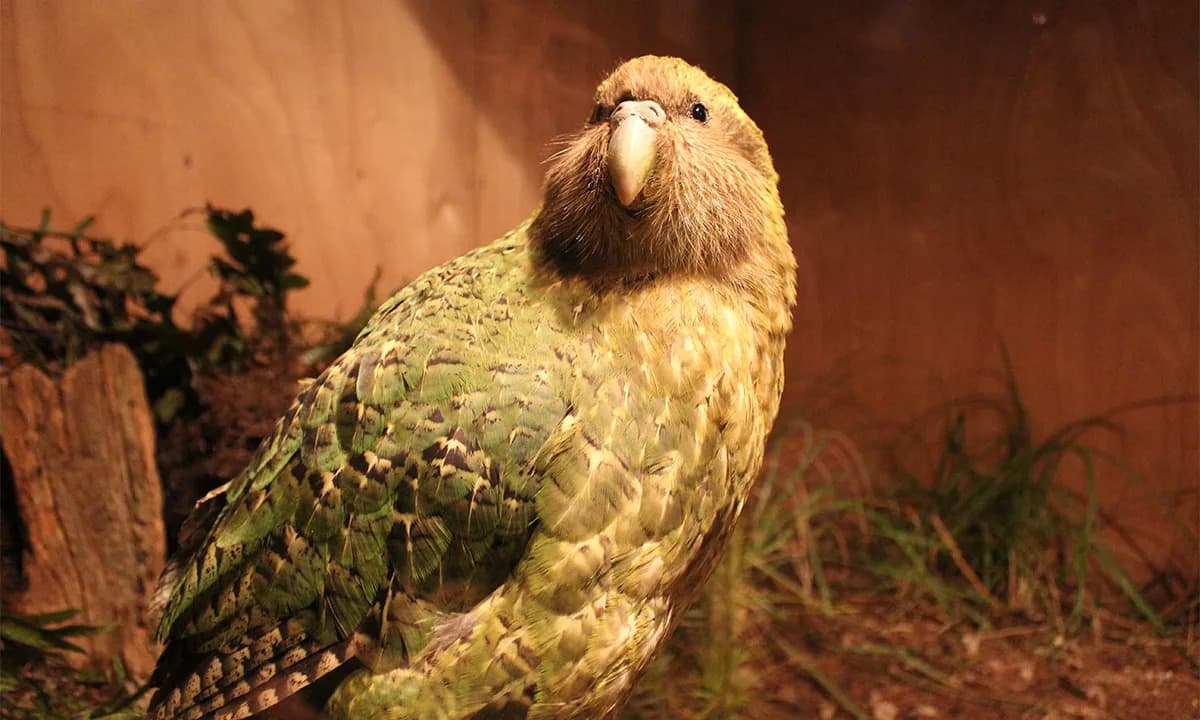
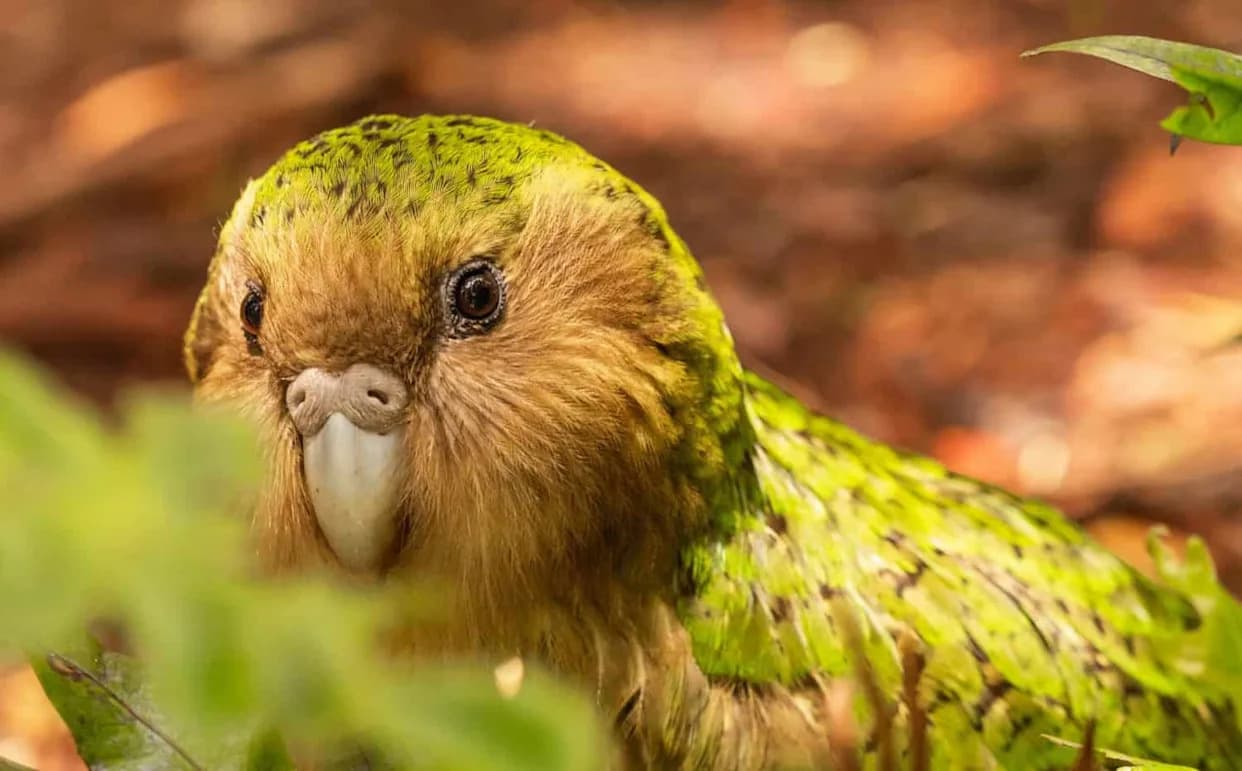
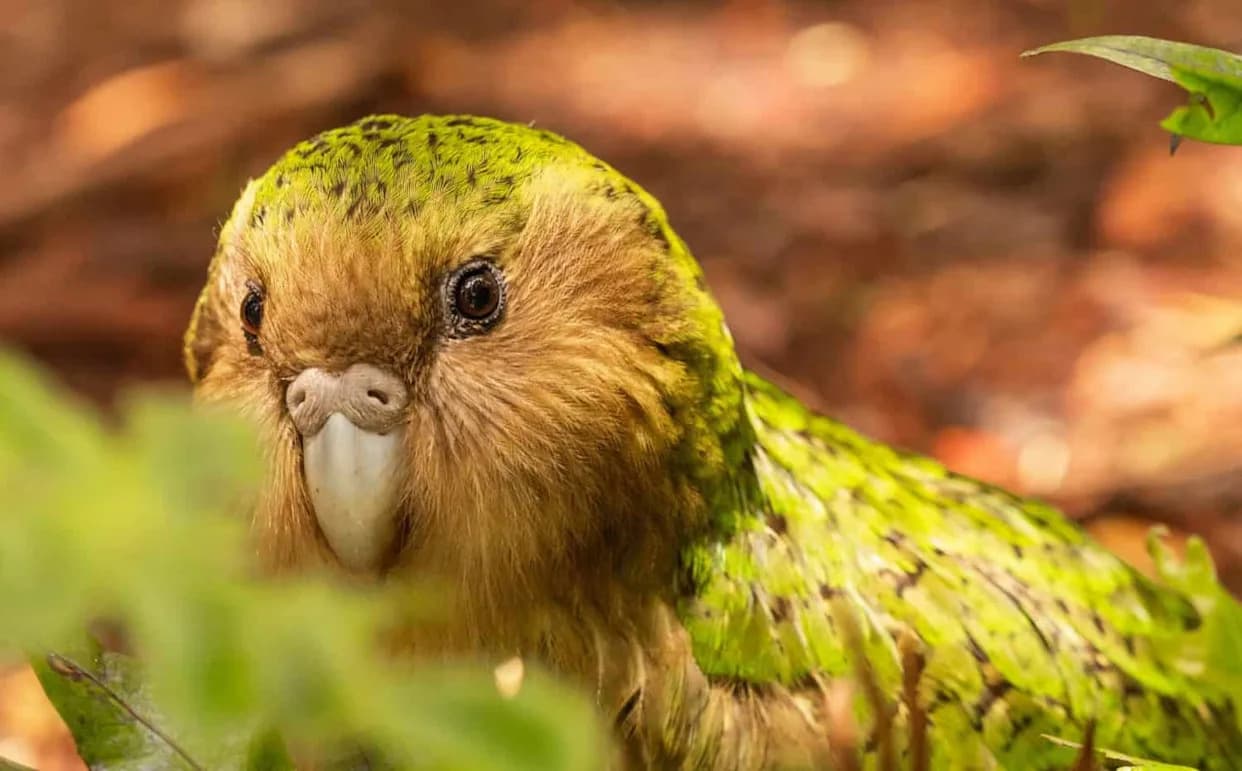
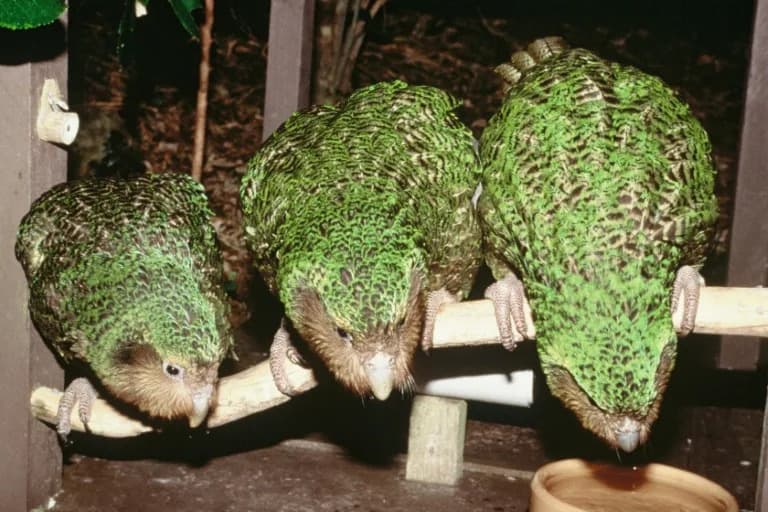
Lead image: Imogen Warren / Shutterstock(Kakapo Parrot Endemic to New Zealand. Credit: Imogen Warren / Shutterstock.)
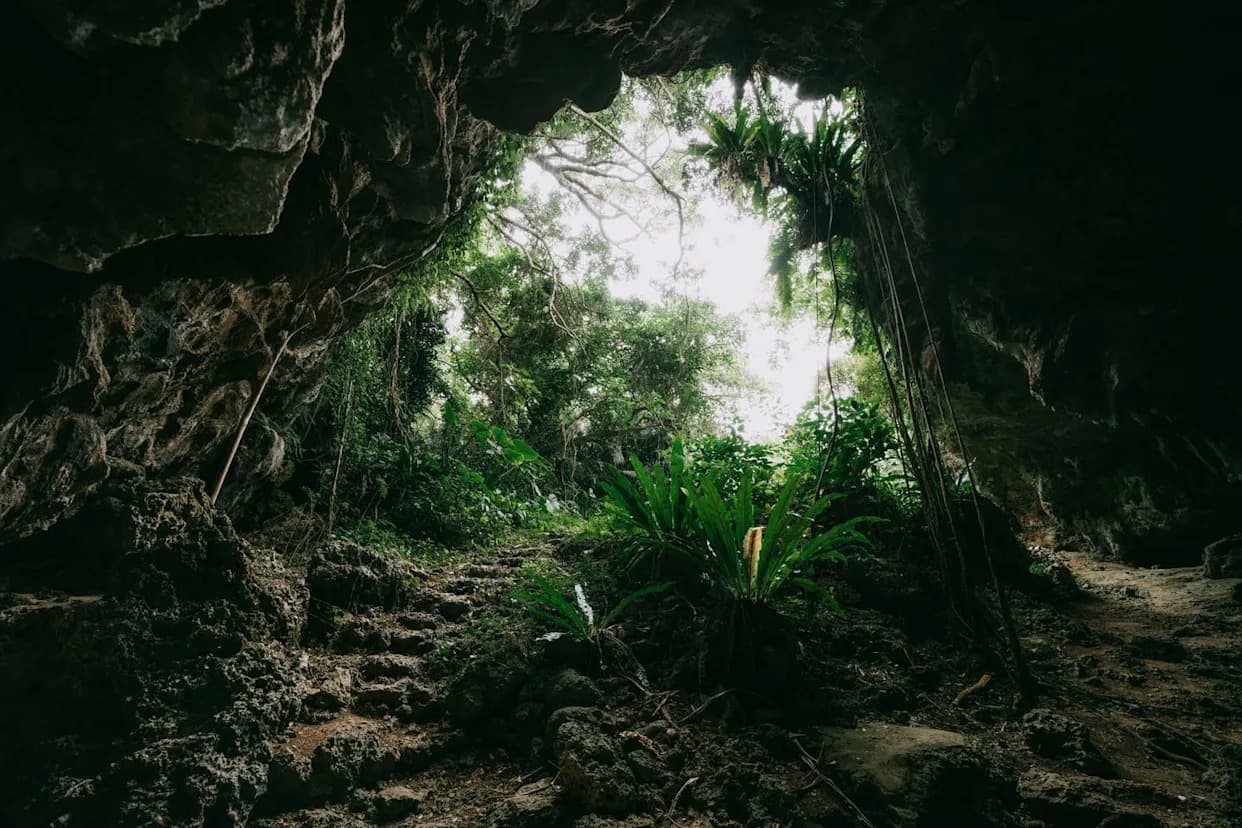
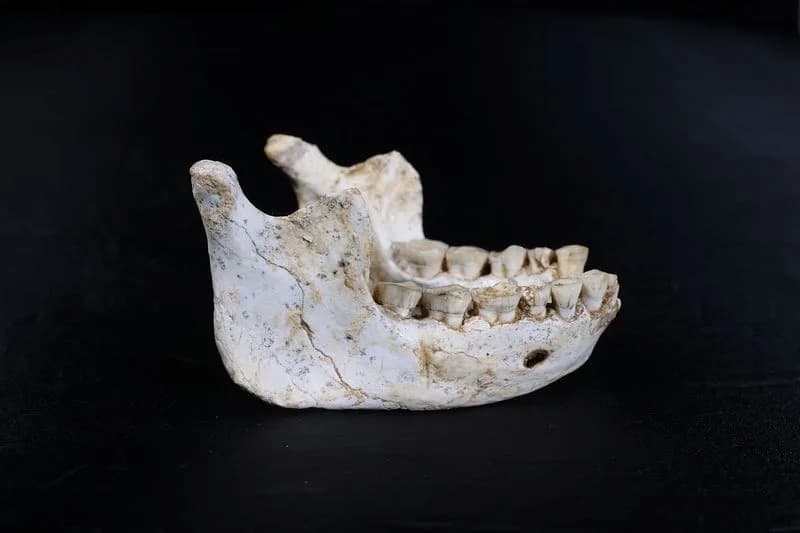
Since discovering a fossilized parrot mandible in 1983, Flinders University paleontologist Trevor Worthy has pursued the story behind a rich set of bones recovered from Moa Eggshell Cave on New Zealand’s North Island. The new study synthesizes that original find with 15 additional specimens collected from the same deposit and shows that dramatic natural events roughly one million years ago reshaped the islands’ bird communities long before humans arrived.
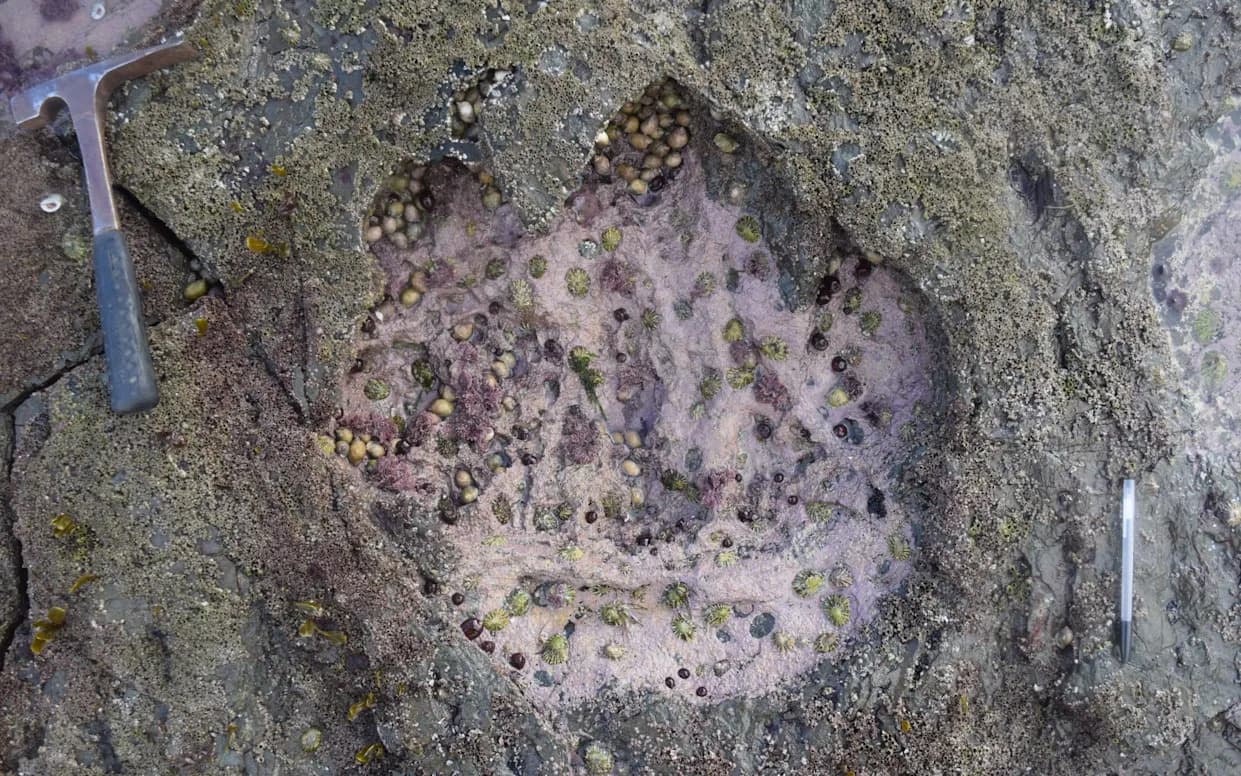
Published in Alcheringa, the paper combines careful field methods and geochronology to place the fossils in the Early Pleistocene. To protect the excavation from roaming goats, the team fenced the site and sieved its fine sediments to recover small, fragile bones. The fossil layer sits between two volcanic ash horizons dated at about 1.55 and 1.00 million years ago, constraining the assemblage to roughly one million years old.
What the Fossils Reveal
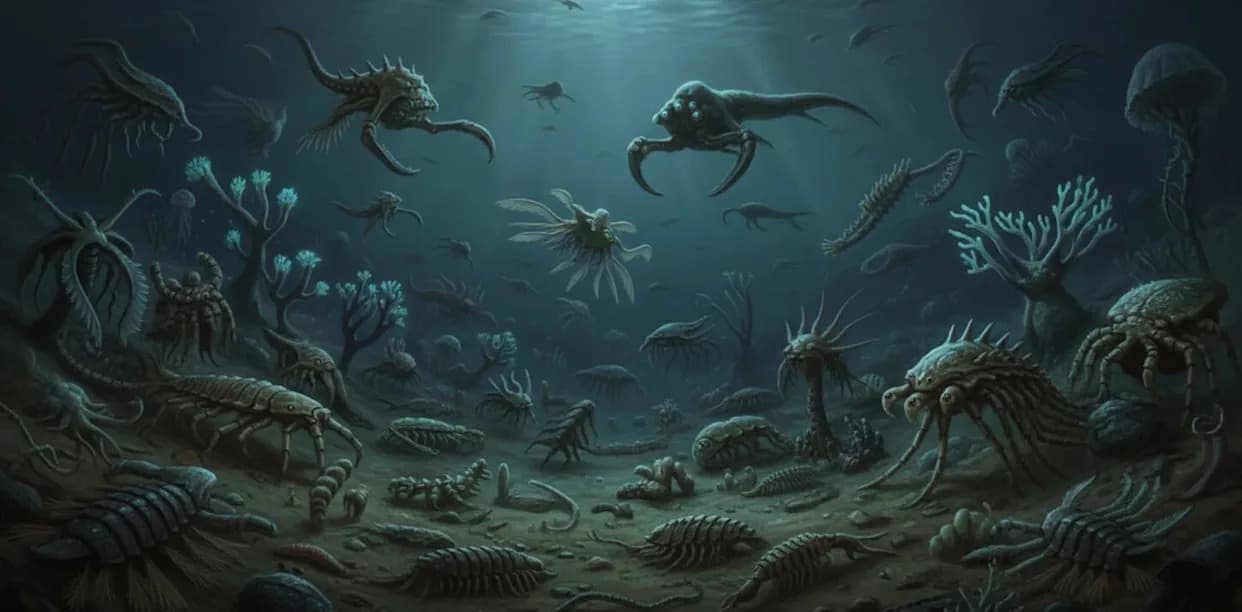
The Moa Eggshell Cave assemblage includes four frog species and 12 bird species. Of the birds, at least four—and possibly six—were no longer found in New Zealand by the Late Pleistocene. In other words, the island avifauna experienced an estimated turnover of about 33–50% in the million years before humans reached New Zealand.
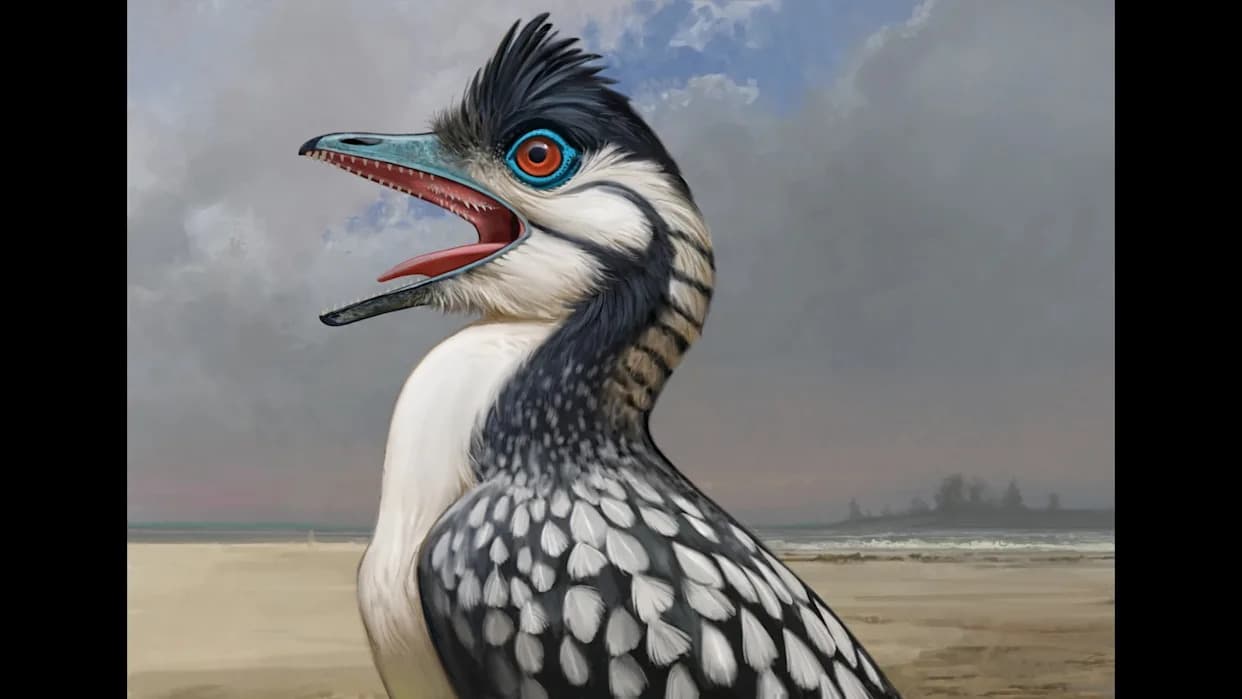
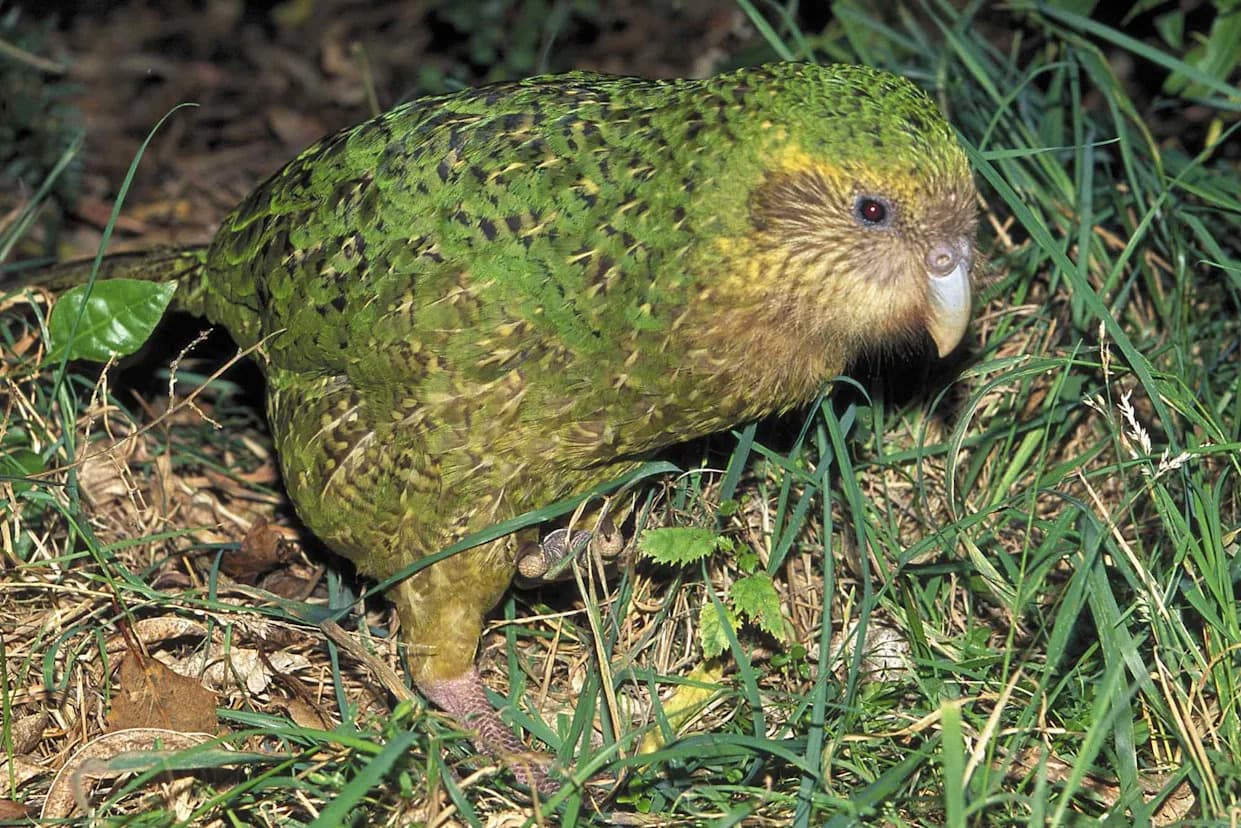
Notable fossils include the newly described parrot Strigops insulaborealis, interpreted as an ancestral form related to the modern Kākāpō, and an extinct pigeon that appears allied to Australian bronzewing pigeons (Phaps elegans). These discoveries reveal a previously unrecognized Early Pleistocene avifauna that was later replaced by the communities encountered by humans roughly 750 years ago.
Causes: Climate Swings and Catastrophic Volcanism
The authors argue that enhanced glacial–interglacial cycles during the Early Pleistocene could have repeatedly shifted forests and shrublands, fragmenting and “resetting” bird populations. In addition, a major volcanic eruption that deposited ash across the region and blanketed the cave around one million years ago likely caused abrupt, local ecological disruption.
“For decades the extinction of New Zealand’s birds was viewed primarily through the lens of human arrival 750 years ago,” Worthy said. “This study shows that natural forces such as super‑volcanic eruptions and dramatic climate shifts had already been shaping New Zealand’s unique wildlife for more than a million years.”
Together, the findings underscore that New Zealand’s faunal history reflects a long interplay of natural environmental upheavals as well as the well‑documented, later impacts of human colonization. The study expands the deep-time baseline researchers can use to understand how resilient—or vulnerable—island species are to rapid change.
Help us improve.