New study of the Field Museum's Archaeopteryx, prepared after its 2022 arrival, reveals mouth structures shared with modern birds. Researchers report the first fossil evidence of oral papillae, a tiny tongue-supporting bone fragment, and nerve-rich tissue in the beak consistent with a bill-tip organ. Published on February 2 in The Innovation, the findings suggest feeding adaptations evolved early to meet the energetic demands of flight and help distinguish true birds from other feathered dinosaurs.
Weird Bird Mouth Features Trace Back to Archaeopteryx — The First True Bird
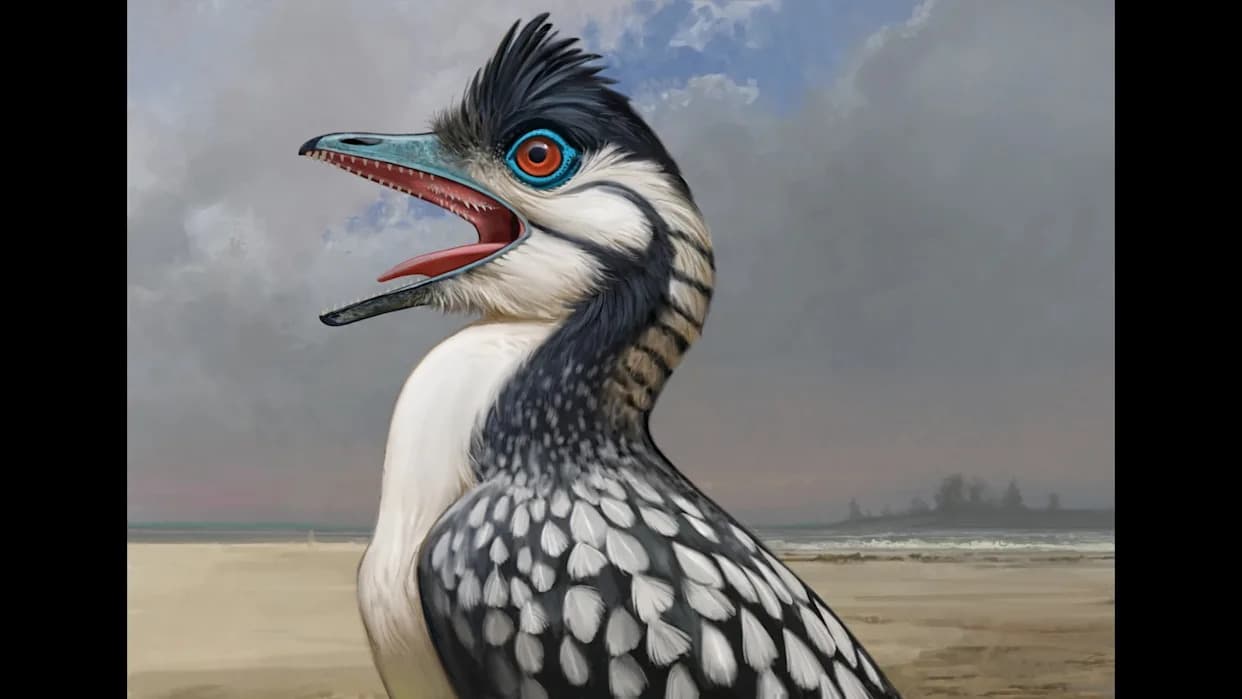
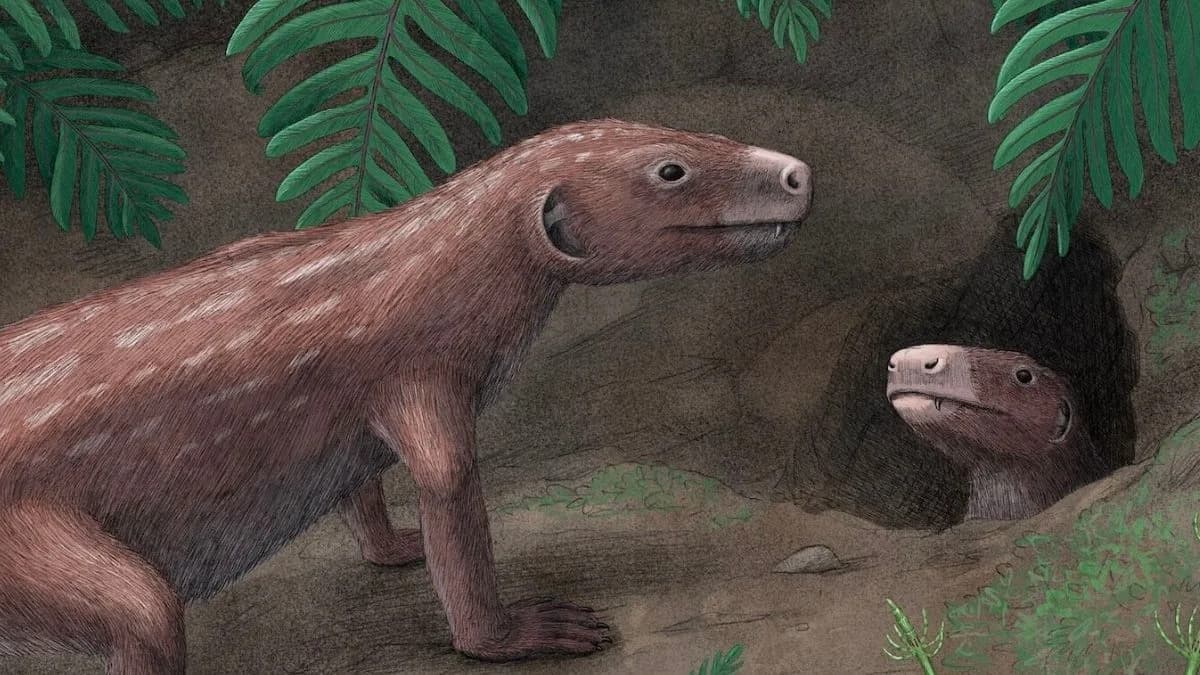
A life reconstruction of Archaeopteryx, including the oral papillae on the roof of its mouth, a bill-tip organ at the end of its beak, and a flexible-yet-sturdy tongue made possible by an extra tongue bone.
New analysis of the Field Museum's Archaeopteryx specimen reveals that several unusual mouth features seen in modern birds first evolved in the earliest known avian dinosaur. The raven-sized, 150-million-year-old Archaeopteryx lived in the Jurassic Period and has long been a key but sometimes puzzling example of the transition from nonavian feathered dinosaurs to birds.
Careful Preparation Reveals Tiny Details
After the specimen arrived at the Field Museum in 2022, chief fossil preparator Akiko Shinya and the museum team spent more than a year removing thin layers of limestone while continuously inspecting exposed structures. In certain rocks, fossilized soft tissues and small details fluoresce under ultraviolet light, allowing preparators to detect and preserve minute features that would otherwise be overlooked.
What the Researchers Found
Using microscopy and CT scans, Jingmai O'Connor and colleagues identified several birdlike anatomical traits in the fossil. Most striking were microscopic, conical projections on the roof of the mouth that closely resemble oral papillae—small, fleshy structures in modern birds that help guide food away from the windpipe and toward the throat. The team argues these are the first documented oral papillae in the fossil record.
They also found what appears to be a tiny fragment of a tongue-supporting bone (a hyoid element), implying a highly mobile tongue similar to those of many living birds. CT scans further revealed nerve-rich tissue at the tip of the beak consistent with a bill-tip organ, a sensory specialization many modern birds use to probe for food.
"These weird little features in the mouth of Archaeopteryx, that are also found in living birds, are giving us new criteria that we can use to tell whether a dinosaur fossil is a bird or not," said Jingmai O'Connor, Associate Curator of Fossil Reptiles at Chicago's Field Museum.
Why This Matters
Flight places heavy energetic demands on animals, and birds evolved highly efficient feeding and digestive adaptations to meet those needs. The presence of oral papillae, a mobile tongue, and a bill-tip sensory organ in Archaeopteryx suggests that feeding specializations appeared early in avian evolution to support the caloric cost of flight. These traits provide new, testable criteria for distinguishing true birds from other coexisting feathered dinosaurs.
The research was published on February 2 in the journal The Innovation, and it strengthens the view that many subtle anatomical reorganizations associated with feeding were already underway at the origin of birds.
Help us improve.