New analysis of a 2022 Field Museum Archaeopteryx specimen found oral papillae, a tiny tongue bone, and nerve-bearing canals in the beak—features also seen in modern birds. These traits suggest a mobile tongue and a sensitive bill, indicating an integrated mouth adapted for efficient feeding. Researchers link these adaptations to the high energy demands of flight and say the discoveries offer new anatomical markers to identify early, bird-line dinosaurs.
Inside the Mouth of the Earliest Bird: Archaeopteryx Shows Modern Birdlike Feeding Features
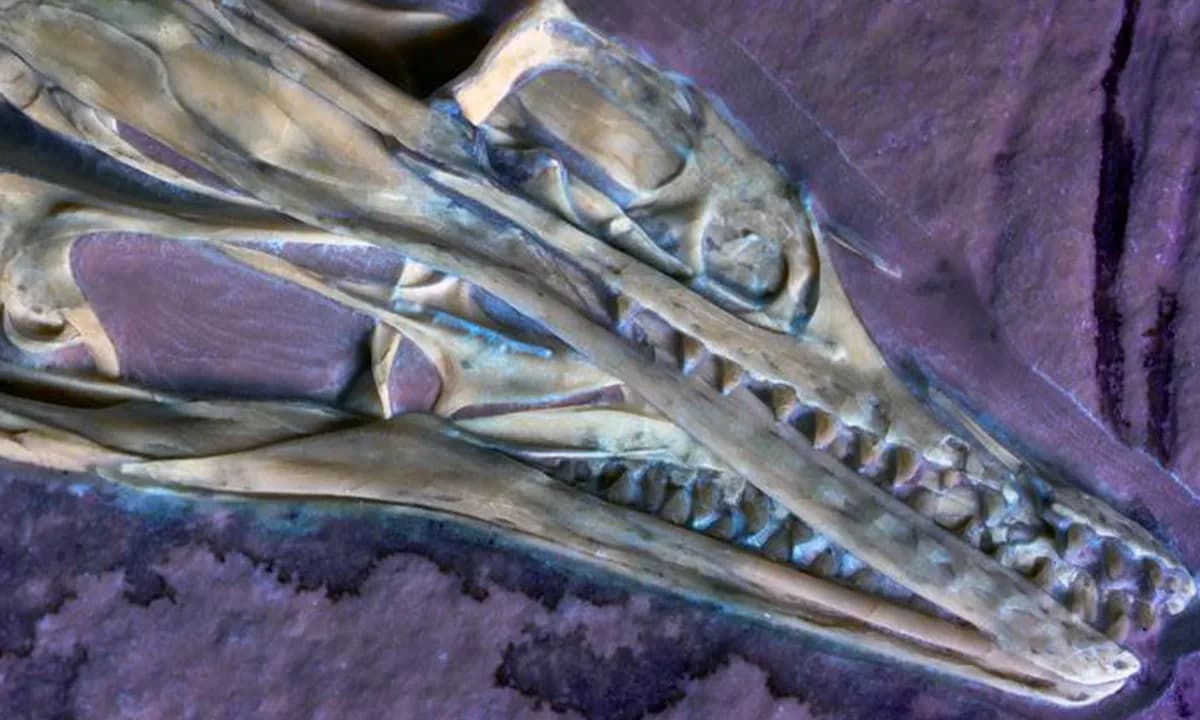
Close-up of Chicago Archaeopteryx skull under UV light to illuminate soft tissues. Credit: Photographer Delaney Drummond, (c) Field Museum(Close-up of Chicago Archaeopteryx skull under UV light to illuminate soft tissues. Credit: Photographer Delaney Drummond, (c) Field Museum)
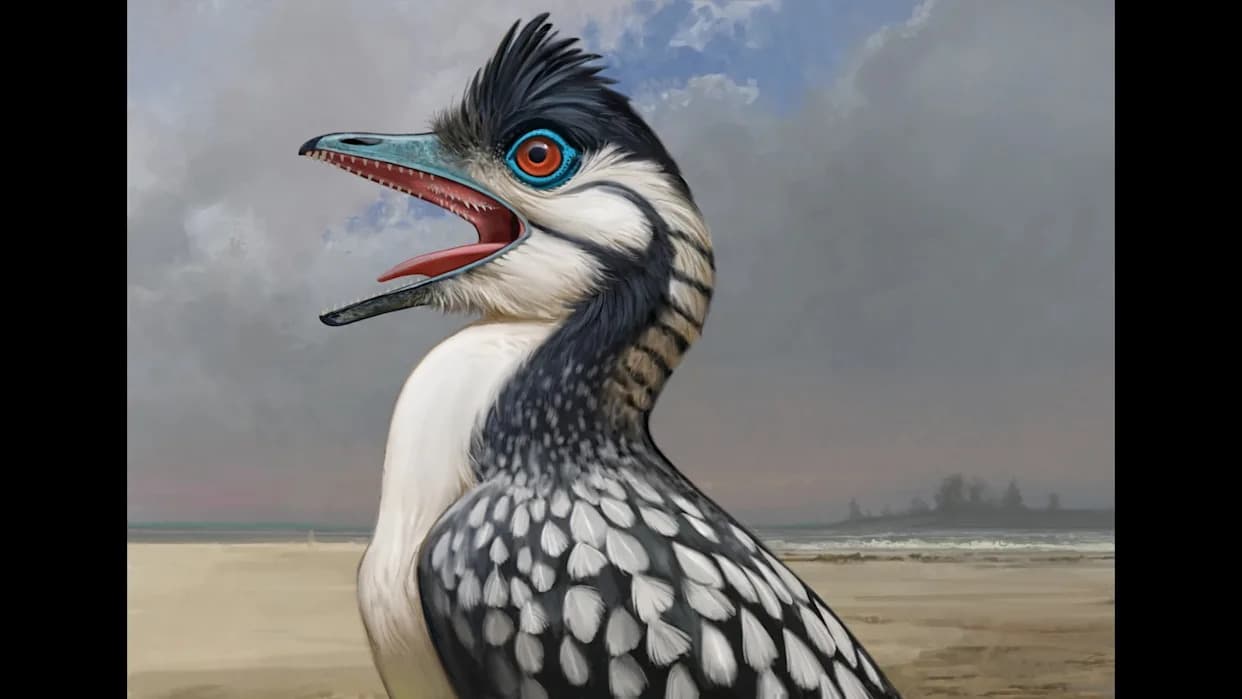
New research published in The Innovation reveals that many key features of modern birds' mouths were already present in Archaeopteryx, one of the earliest birdlike dinosaurs. The specimen arrived at the Field Museum in Chicago in 2022, where chief preparator Akiko Shinya painstakingly removed the surrounding limestone matrix to expose the fossil.
To protect fragile soft tissues, Shinya worked under ultraviolet (UV) light, which makes fossilized soft tissues fluoresce. Under UV, tiny glowing dots appeared across the roof of the mouth—an unexpected discovery. "I remember them calling me over and saying, 'Jingmai, we found something strange, come look at it,'" Jingmai O'Connor recalled. After comparing the pattern with modern bird anatomy, the team identified the dots as oral papillae: rows of small, fleshy cones that help guide food toward the throat while steering it away from the windpipe.
The researchers also documented a minute sliver of bone within the tongue consistent with elements of the hyoid/entoglossal apparatus. "This teeny-tiny bone is one of the smallest bones in the body, and it indicates that Archaeopteryx had a highly mobile tongue, like many birds today," said O'Connor. A mobile tongue aids manipulation and processing of food prior to swallowing.
Computed tomography (CT) scans of the skull revealed small canals in the beak that likely housed nerves and blood vessels—evidence of a sensitive, well-innervated bill. Taken together, the articulated tongue element, the oral papillae, and the neurovascular canals in the beak point to an integrated mouth adapted for precise, efficient feeding.
An Evolutionary Link Between Feeding and Flight
The team argues these oral specializations reflect an evolutionary shift driven by the energetic demands of flight. Flying requires high caloric intake, and selection appears to have favored adaptations that improve how food is acquired, manipulated, and processed—beginning with changes in the mouth.
Because modern birds are theropod dinosaurs, these shared mouth features give paleontologists new anatomical criteria for distinguishing bird-line dinosaurs from other dinosaurs. The finding expands our understanding of how feeding anatomy and flight-related adaptations evolved together early in avian history.
Lead image: Photographer Delaney Drummond, (c) Field Museum
Help us improve.