Nature photographer Elio Della Ferrera found an estimated 20,000 dinosaur footprints on Sept. 14 in Stelvio National Park, northern Italy. The impressions—dated to about 210 million years ago, at the end of the Triassic—span roughly three miles of steep dolomite walls between Livigno and Bormio. Researchers say the tracks were likely made by large, long-necked bipedal herbivores and documented the inaccessible site using drones and remote sensing. MNHM called it the largest Triassic trace fossil site in the Alps and one of the richest globally; further study and careful conservation are planned.
About 20,000 Dinosaur Footprints Discovered in the Italian Alps Near 2026 Olympic Venues

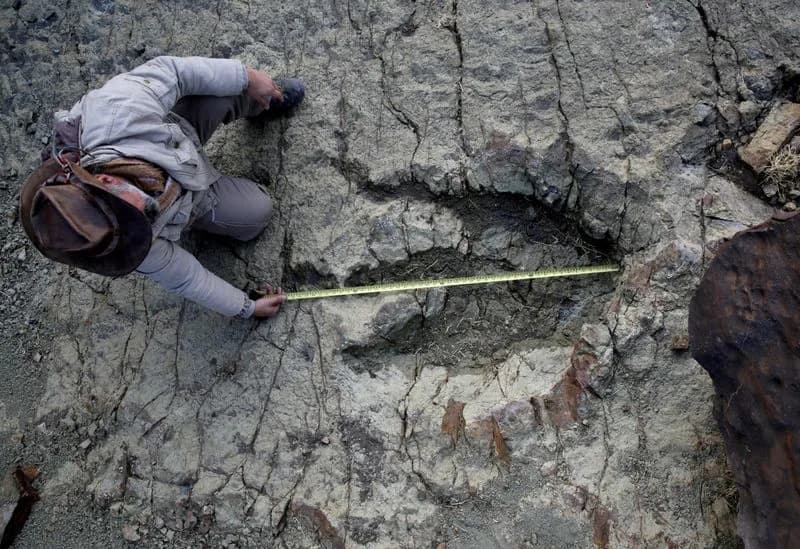
Elio Della Ferrera/Soprintendenza archeologiaDinosaur footprints found near 2026 Winter Olympics venue in Italy
Nature photographer Elio Della Ferrera discovered an extraordinary concentration of dinosaur footprints on Sept. 14 in Stelvio National Park in the central Alps of northern Italy, the Milan Natural History Museum (MNHM) announced on Dec. 16. The impressions are estimated to be about 210 million years old, dating to the end of the Triassic period.
What Scientists Found
MNHM says the site contains roughly 20,000 individual footprints etched across nearly three miles of steep dolomite rock faces in the Fraele Valley, between the towns of Livigno and Bormio. The tracks are exceptionally well preserved for the altitude and preserve details such as toe and claw marks that were impressed on tidal flats at the close of the Triassic.
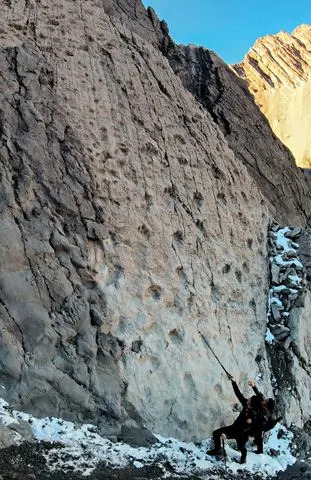
Elio Della Ferrera/Soprintendenza archeologiaDinosaur footprints found in the central Alps, near 2026 Winter Olympics venue in Italy
Who Made the Tracks
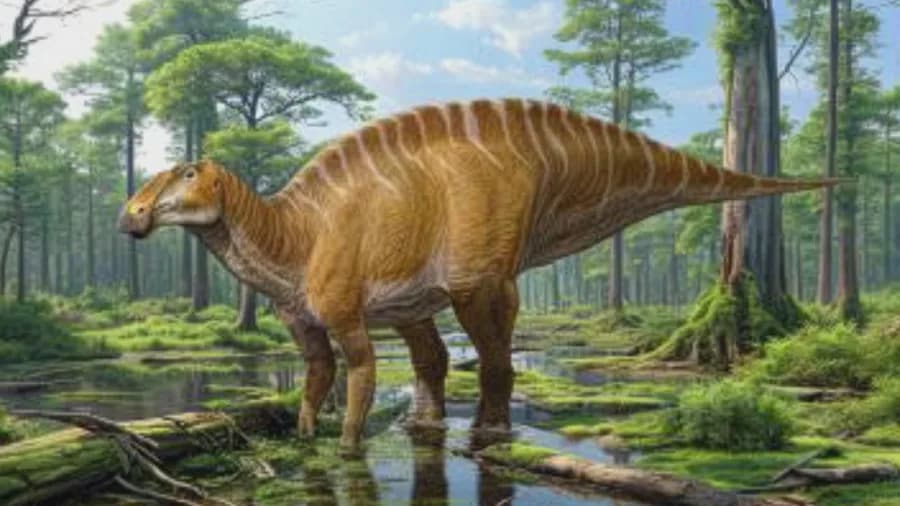
Researchers attribute the prints to large, long-necked, bipedal herbivores. Estimates based on track size suggest animals up to about 33 feet (10 meters) long and weighing as much as four tons may have made some of the impressions. Observers note patterns of slow, rhythmic walking rather than running, indicating calm movement across the landscape at the time the prints were made.
How the Site Was Documented
The outcrops are largely inaccessible by trails, so scientists relied on drones and remote-sensing technology to map and record the site. The MNHM and regional conservation authorities collected geo-paleontological photos, videos, and other data to support ongoing analysis.
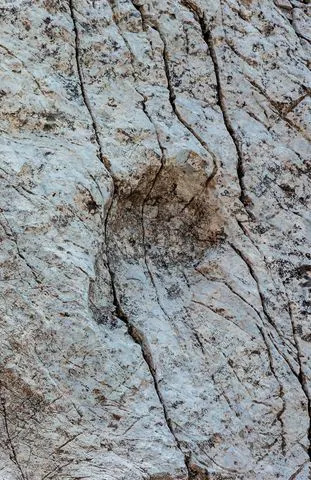
Elio Della Ferrera/Soprintendenza archeologiaDinosaur footprints found near 2026 Winter Olympics venue in Italy
Significance: MNHM described the discovery as one of the most important deposits of Triassic trace fossils in the world and called it the largest site of its kind in the Alps. Experts expect the site to occupy geologists and paleontologists for decades.
Location and Public Access
The footprints were found about a mile from the town of Bormio, which will host men's alpine skiing events for the 2026 Winter Olympics. Lombardy regional governor Attilio Fontana called the find a gift of the Olympics and indicated regional plans could eventually make the remote site accessible to visitors, though ongoing study and conservation will shape any future access.
The Milan Natural History Museum and the Superintendence of Archaeology, Fine Arts and Landscape for the provinces of Como, Lecco, Sondrio and Varese, together with Stelvio National Park, are coordinating further fieldwork and analysis to determine species identities, behaviors, and the full scientific value of the site.
Help us improve.