After a search was suspended following adverse weather, drones and AI helped rescuers locate 66-year-old Nicola Ivaldo in the Cottian Alps in July 2025. Pilots used months of downtime to practise and map inaccessible terrain; drones captured thousands of images that AI sifted to flag likely areas of interest. A red helmet identified in the imagery led teams to Ivaldo's body. Experts stress AI speeds searches but raises legal, technical and environmental concerns and still requires human verification.
How AI and Drones Helped Locate a Missing Climber in the Italian Alps — and What It Means for Future Rescues
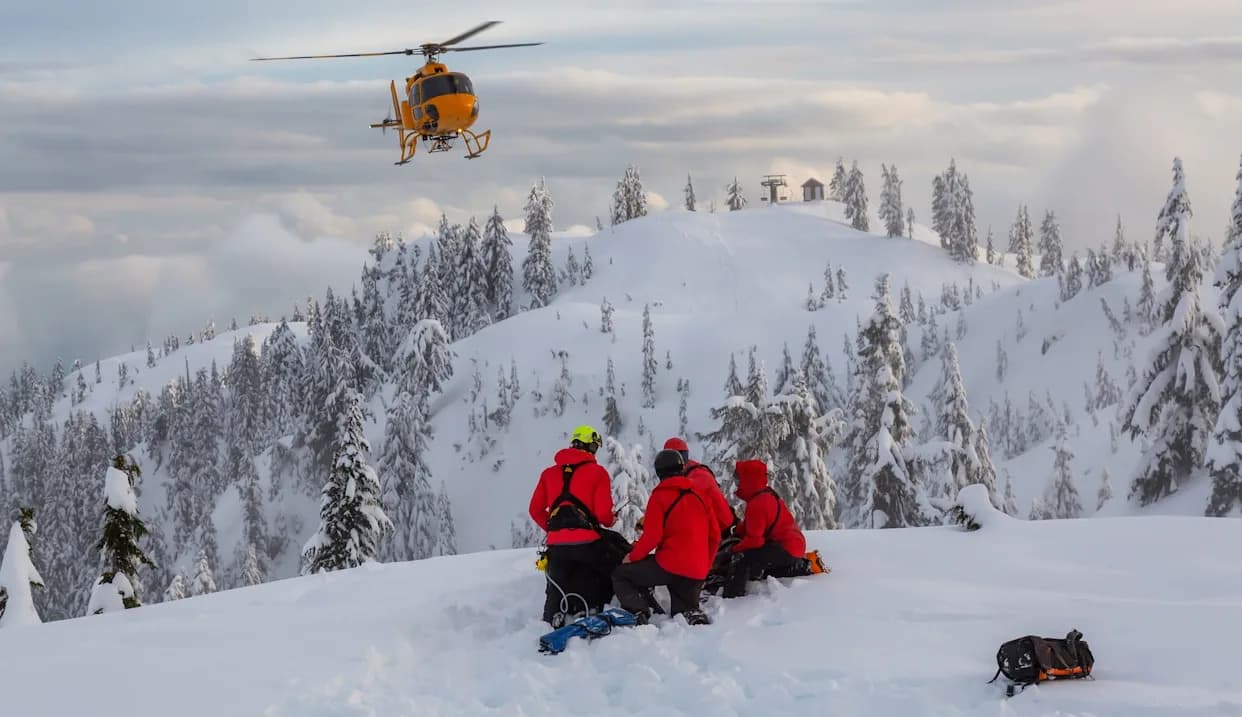
Photo Credit: iStock
A months-long search for a missing Italian climber ended when drones and artificial intelligence helped locate his body on remote alpine terrain — highlighting both the promise and the challenges of using AI in life‑saving operations.
What Happened
Sixty-six-year-old Nicola Ivaldo disappeared during a solo hike in September 2024. His last known position was estimated near the Cottian Alps from a mobile network ping, but poor weather and the vast, rugged search area forced rescuers to suspend operations.
How Drones and AI Reopened the Search
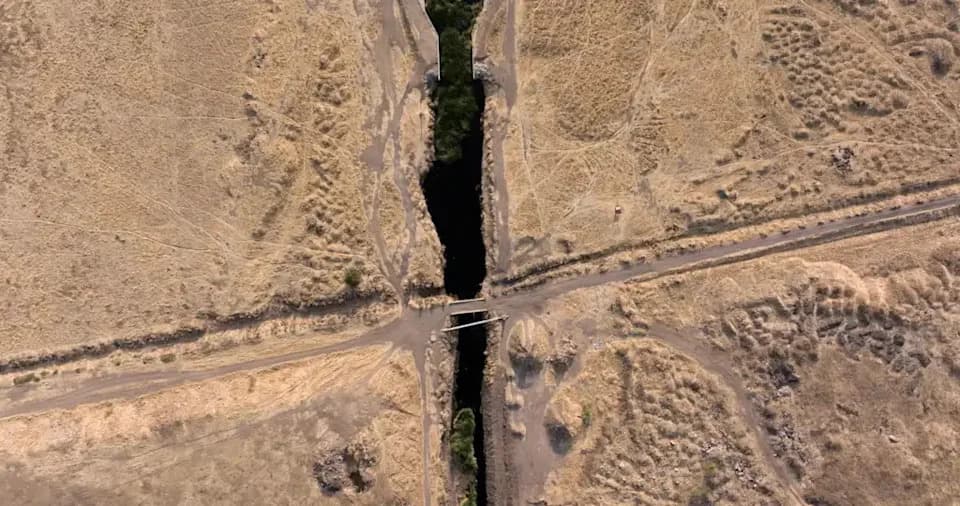
When snow melted in July 2025, teams resumed the hunt. Pilots spent the intervening months practicing flights and familiarising themselves with the steep, complex terrain. Drones photographed remote ridgelines, gullies and other areas inaccessible to helicopters, producing thousands of high‑resolution images.
AI tools were applied to those images to flag anomalies that might indicate human presence or gear. Analysts prioritised the AI-flagged images and investigated the most promising leads on the ground. In this case, a red helmet captured in drone photos and highlighted by the software led rescuers to Ivaldo's body.
Human Judgment Remains Essential
Rescuers emphasise that AI accelerates the search process but does not replace human expertise. Trained analysts and field teams are needed to filter false positives — such as litter, rocks, or other natural formations — and to respond appropriately when a potential target is located.
"Once you acquire aerial images, you have a responsibility for how to use them," said Daniele Giordan of the Italian Research Institute for Geo-Hydrological Protection. "Identifying human shapes in images could be a legal problem."
Limitations and Ethical Concerns
AI-based aerial searches face several constraints: algorithms are less effective under dense forest canopy, they can produce spurious matches, and image‑based identification raises legal and privacy questions. There are also environmental and resource costs associated with training and running AI systems, including energy and water consumption that can have wider economic impacts.
What This Means Going Forward
While the discovery came too late to save Ivaldo, the operation demonstrates how emerging technologies can extend the reach of search-and-rescue teams in remote areas. To realise that potential responsibly, experts call for clear legal frameworks, robust validation of AI tools, careful data governance, and ongoing human oversight.
Key takeaway: AI and drones can dramatically speed up searches in difficult terrain, but their effective use requires trained personnel, legal safeguards, and attention to environmental costs.
Help us improve.