Roccaraso and other modest Italian ski towns are struggling with huge weekend crowds from nearby cities, straining local services and stirring tensions with residents. A viral social media surge once brought more than 12,000 people in a day, prompting authorities to cap buses and deploy wardens. The industry remains resilient with record seasons recently, but rising lift-pass costs, heavy reliance on artificial snow (over 90%) and climate change are forcing resorts to diversify and rethink their future.
Roccaraso Overrun: Weekend Day-Trippers and Warming Winters Reshape Italy's Ski Resorts
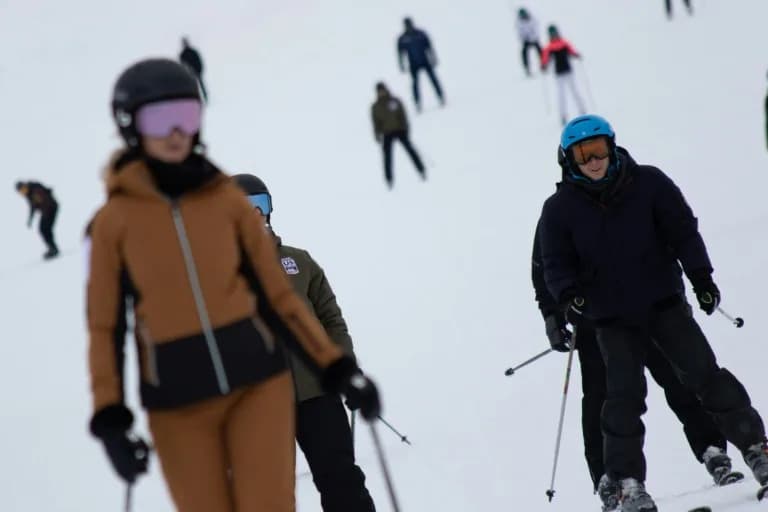
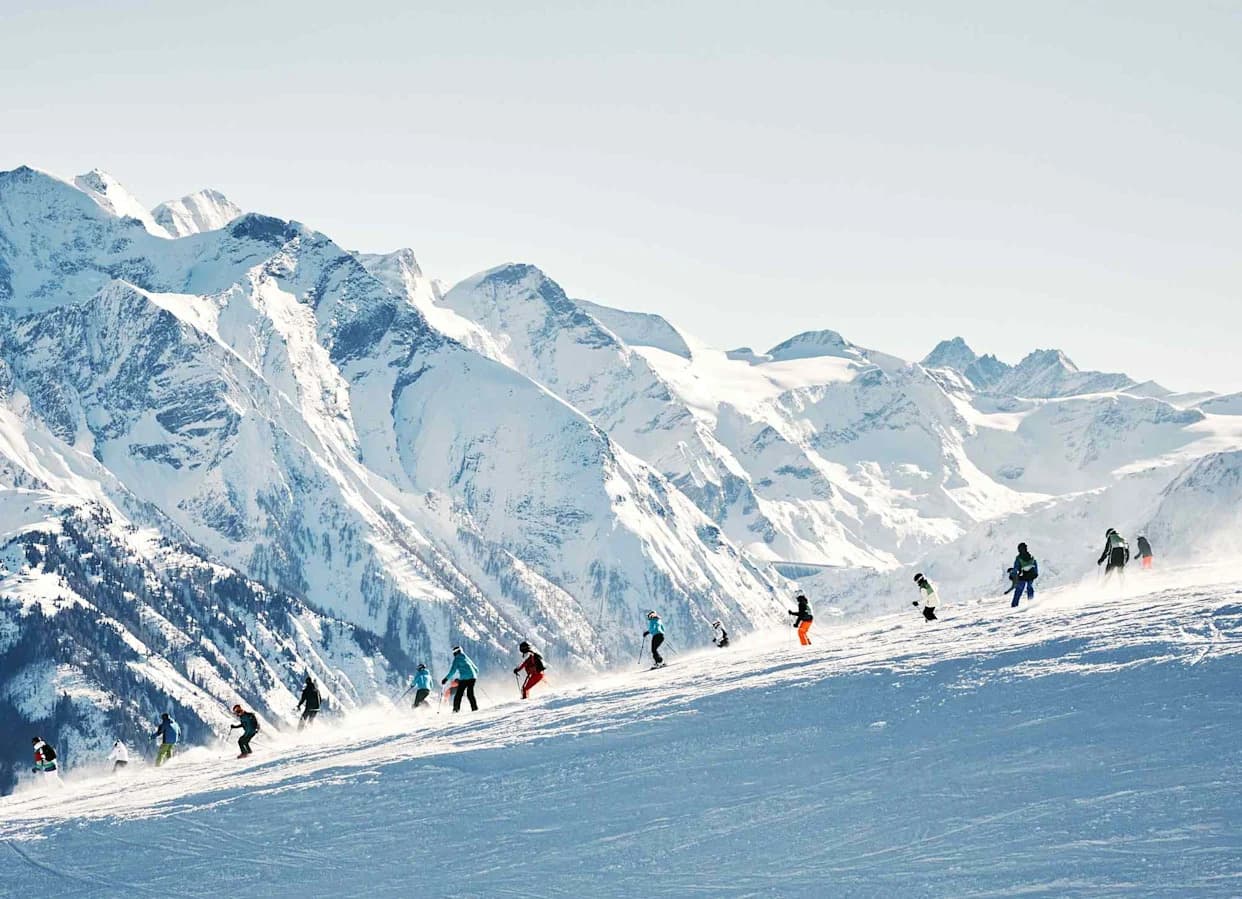
Every weekend during the winter, Roccaraso's small slopes are packed with Neapolitans (Luca PRIZIA)(Luca PRIZIA/AFP/AFP)
Buses from Naples arrive in steady waves, unloading thousands in colorful ski gear into Roccaraso, a small mountain town in central Italy. Each winter weekend its narrow streets fill with day-trippers and its modest slopes are crowded with Neapolitans seeking a taste of snow and fresh air.
Many come for sledding or a quick view from the chairlift rather than alpine skiing. "We don't ski, we enjoy sledding. Sometimes I even sit on a plastic bag to slide," said Anna Lippolis, 58, laughing as she described a short escape from the city. She paid €30 for a return bus from Naples on a recent Sunday just to "get out of the house, to relax a bit".
Small Towns, Big Crowds
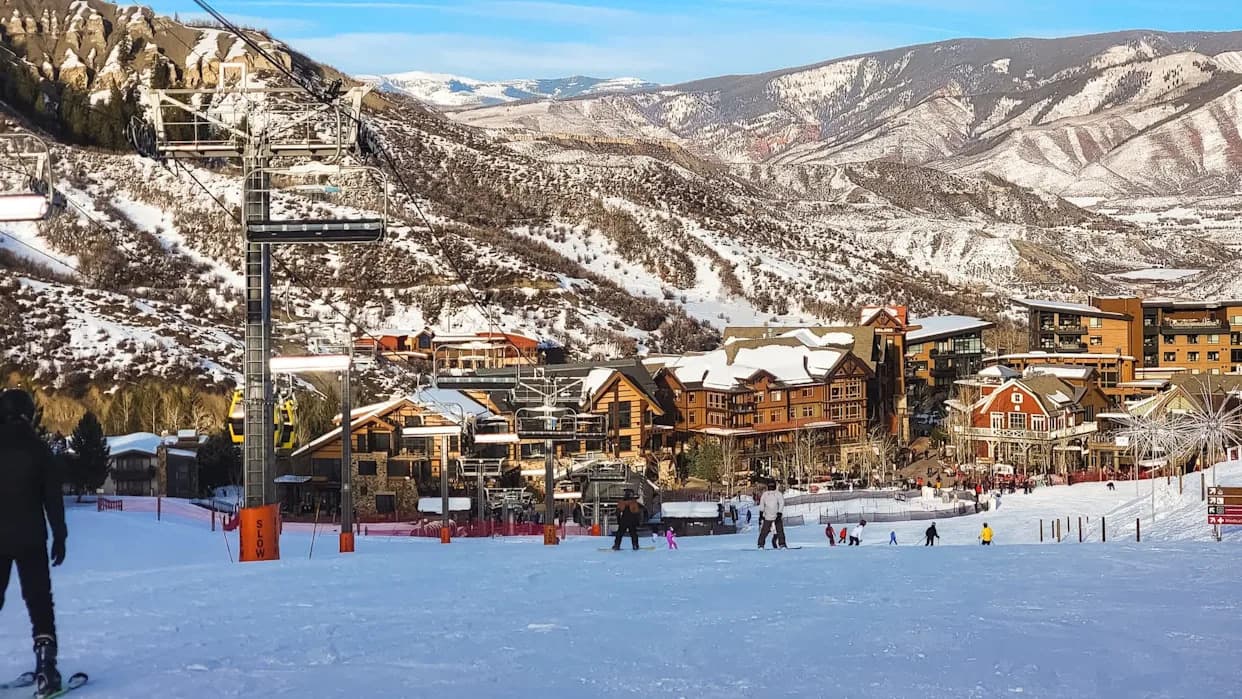
Roccaraso's only slope reachable on foot (about 1,200 m / 3,900 ft) has been closed for some time and now serves mainly children. A nearby chairlift offers views for visitors who then walk, sled or ride back down. Ten minutes away, the larger Alto Sangro resort stretches more than 100 km (60 miles) of runs up to 2,100 m and attracts roughly 500,000 visitors annually.
Local residents and regular skiers have grown frustrated with large numbers of day-trippers who they say treat the slopes as a party zone. "People who don't ski come and spoil the environment, nature and the idea of sport here," said Kikka Misso Gentile, 41, who has a holiday home in Rivisondoli. Tensions boiled over when a viral TikTok campaign once saw more than 250 buses — an estimated 12,000–13,000 people — arrive in a single day.
Authorities have since limited bus arrivals and deployed wardens to manage visitors; officials capped bus numbers at 50 on a recent Sunday. Residents warn the town lacks the facilities and infrastructure to absorb huge, sudden inflows of people.
Costs, Climate And Artificial Snow
Many day-trippers say they cannot afford full skiing: a typical day — travel, equipment hire and lift pass — can cost around €200 per person. While Italian skiing remains cheaper than some neighboring countries, consumer group Altroconsumo reported lift-pass price increases of up to 10% at some resorts, placing the sport further out of reach for many.
At the same time, climate change is shortening snow seasons across Europe. More than 90% of Italy's ski slopes depend on artificial snowmaking, and Roccaraso hosts one of the country's largest systems, according to environmental group Legambiente. "Artificial snow is not a solution, it's a stop-gap," warned Antonio Montani, president of the Italian Alpine Club, noting that lower-elevation resorts will be more vulnerable as temperatures rise.
"Resorts must diversify," Montani told AFP, urging a shift toward year-round activities such as hiking and cycling at lower-elevation Apennine resorts.
New Attractions And The Road Ahead
Despite these pressures, Italy's ski industry has shown resilience: Swiss tourism expert Laurent Vanat noted particularly strong seasons in 2022-23 and 2023-24. Some destinations are already broadening their appeal — from cultural and hiking offers in the Apennines to unconventional options like skiing on Mount Etna, where lava fields, snow and the nearby sea create a unique, lunar-like landscape.
As resorts balance visitors' demand with residents' quality of life and environmental limits, local authorities and operators face difficult choices: tighter visitor controls, investment in infrastructure, pricing strategies, and a faster shift toward diversified, less snow-dependent tourism models.
ar/phz/tw — Reporting includes interviews with locals, tourism experts and environmental groups.
Help us improve.