This article describes a discovery by UMass Amherst graduate student Anthony Raykh: magnetized nickel nanoparticles at an oil–water interface can, under strong magnetic influence, bend that boundary into a stable Grecian‑urn shape and prevent typical emulsification. The finding, published in Nature Physics with collaborators at Syracuse and Tufts, reveals a new soft‑matter state. The researchers say there is no immediate practical application, but the result opens fresh avenues for fundamental research and potential future technologies.
UMass Graduate Student Finds Magnetized Nanoparticles That Block Emulsification, Forming a Stable Grecian‑Urn

A College Student Broke the Laws of Thermodynamicsoxygen - Getty Images
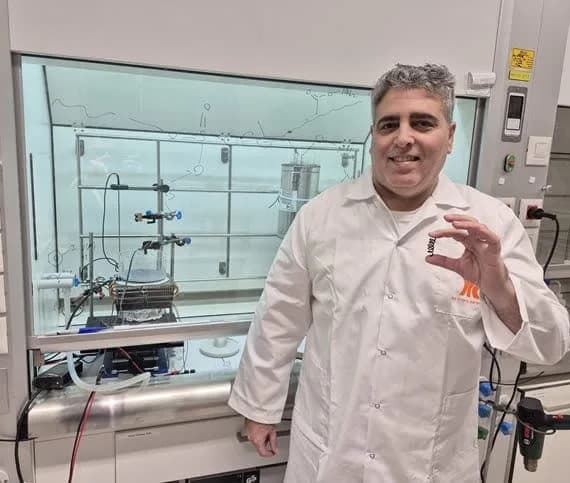
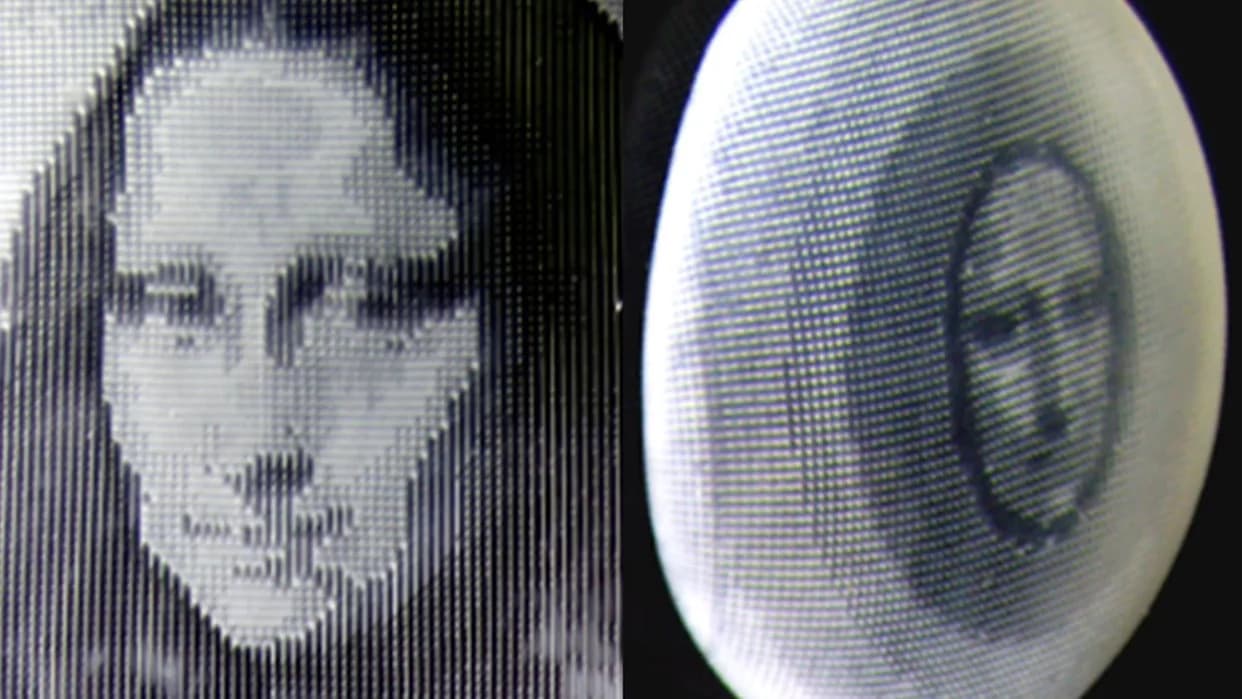
Researchers at the University of Massachusetts Amherst have reported an unexpected behavior in emulsifying liquids: when magnetized nickel nanoparticles collect at the oil–water interface, strong magnetic interactions can bend the boundary into a stable Grecian‑urn shape and prevent the usual mixing. The work, led by graduate student Anthony Raykh and published in Nature Physics, reveals a previously unseen state in soft‑matter physics.
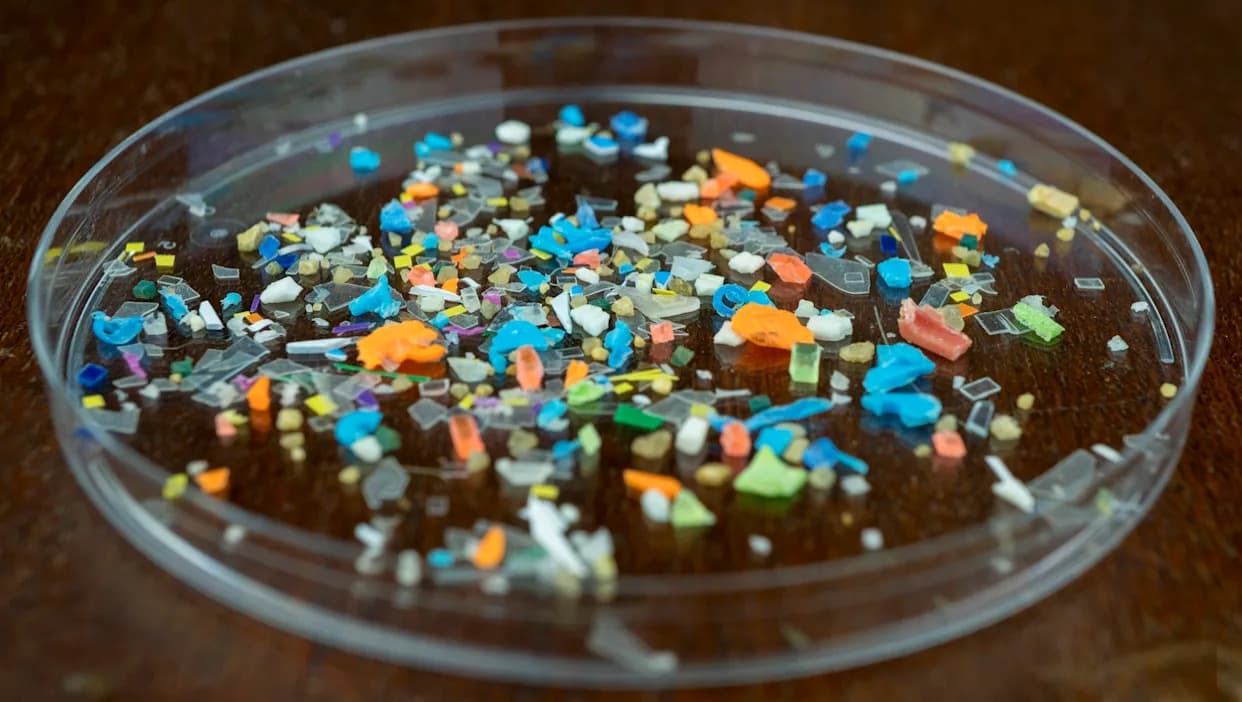
The Laws of Thermodynamics describe how temperature, energy and entropy govern the behavior of systems — including processes like emulsification, where two immiscible liquids (for example, oil and water) can be forced into a homogeneous mixture. Normally, shaking a vinaigrette or adding emulsifiers disperses oil droplets throughout water until thermal forces and interfacial tension restore equilibrium.
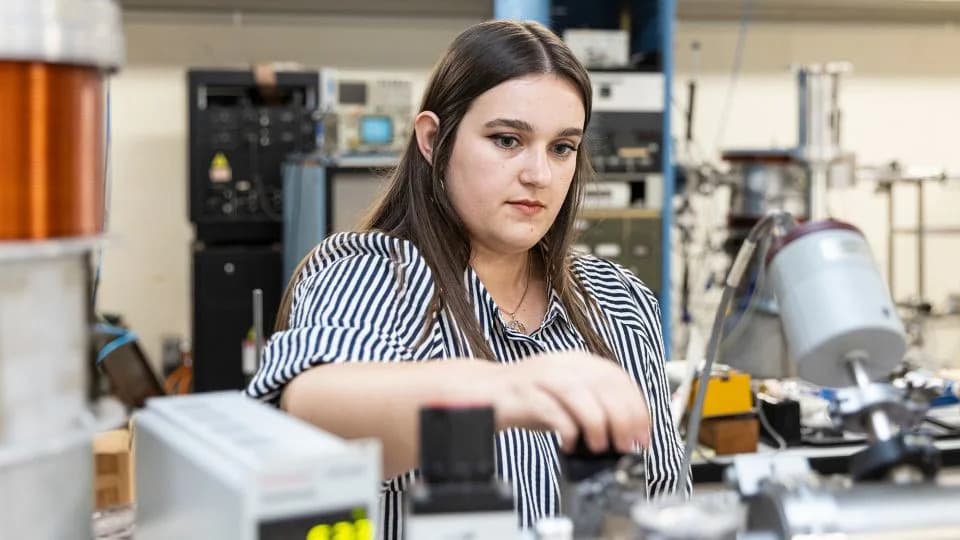
In an Amherst lab, however, Raykh mixed two immiscible liquids with magnetized nickel nanoparticles. Instead of producing the expected dispersed emulsion, the liquids consistently settled into a curved, urn‑like interface. Collaborators at Syracuse University and Tufts University helped analyze the results and ran detailed simulations to understand the phenomenon.
How Magnetism Changes the Interface
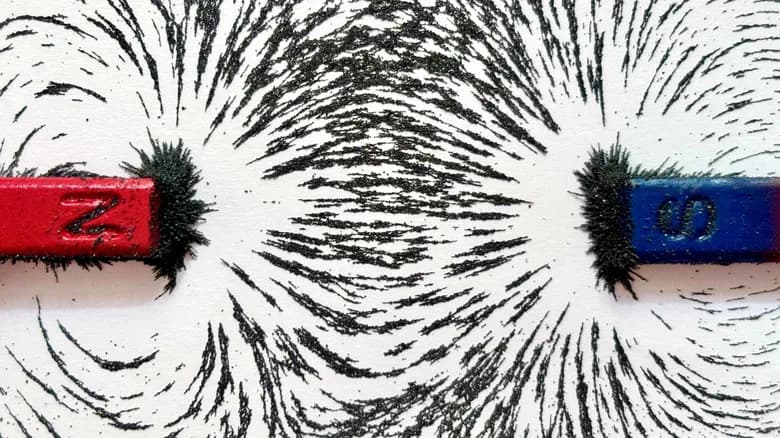
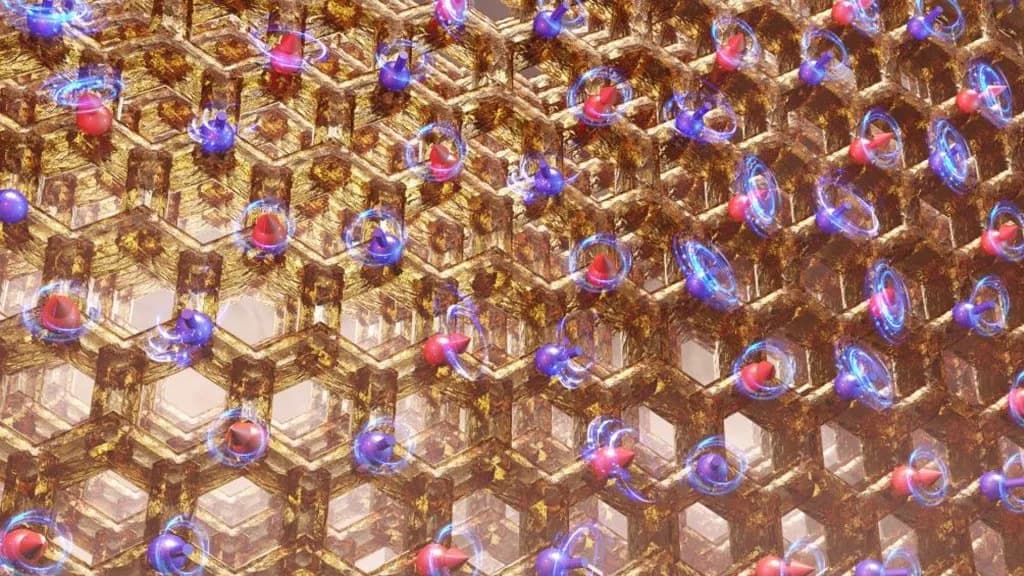
Simulations and experiments indicate that when magnetic interactions among nanoparticles at the interface become strong enough, their collective assembly deforms the liquid boundary. Rather than allowing droplets to break up and disperse, the magnetically ordered particles stabilize a curved shape that withstands agitation. As one coauthor, Hoagland, explained, examining the nanoparticles up close shows how their magnetization alters assembly and interferes with the usual emulsification forces.
“When you look very closely at the individual nanoparticles of magnetized nickel that form the boundary between the water and oil,” Hoagland said, “you can get extremely detailed information on how different forms assemble. In this case, the particles are magnetized strongly enough that their assembly interferes with the process of emulsification, which the laws of thermodynamics describe.”
The authors emphasize that the discovery currently has no immediate practical application. Nonetheless, finding a stable, magnetically controlled interfacial state opens new directions for research in soft‑matter physics and materials design, from controlled droplet manipulation to programmable interfaces in responsive fluids.
Where This Moves Next: The team plans further experiments to map the parameter space — particle size, magnetic strength, fluid properties — and to explore whether similar effects occur with other magnetic particles or external field geometries. This foundational result could inspire future applications once the principles are better understood.
Help us improve.