Flinders University researchers developed a filtration method that uses nano-thin plasma coatings on cellulose ester membranes to capture nanoplastics (particles under 1 µm) using an "affinity capture" mechanism. Published in Analytica Chimica Acta, their tests showed a dramatic reduction of fibers in laundry wash water. While health impacts of nanoplastics remain under study, the technique offers a promising way to reduce short-term exposure while broader plastic-reduction efforts continue.
Breakthrough Filtration Method Dramatically Reduces Nanoplastics in Laundry Water
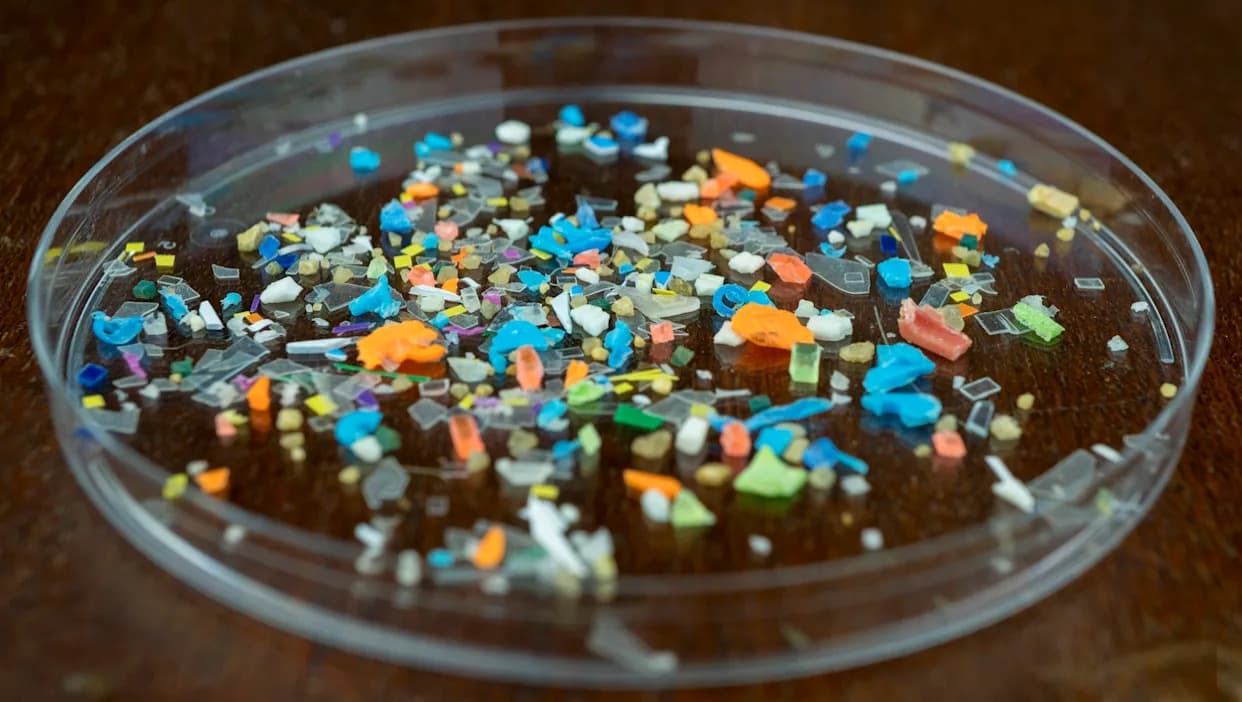
Photo Credit: iStock
Researchers at Flinders University in Adelaide, Australia, have developed a filtration approach that significantly reduces nanoplastic particles in wash water — a notable step toward lowering human and environmental exposure to particles too small for many conventional filters.
What Are Nanoplastics?
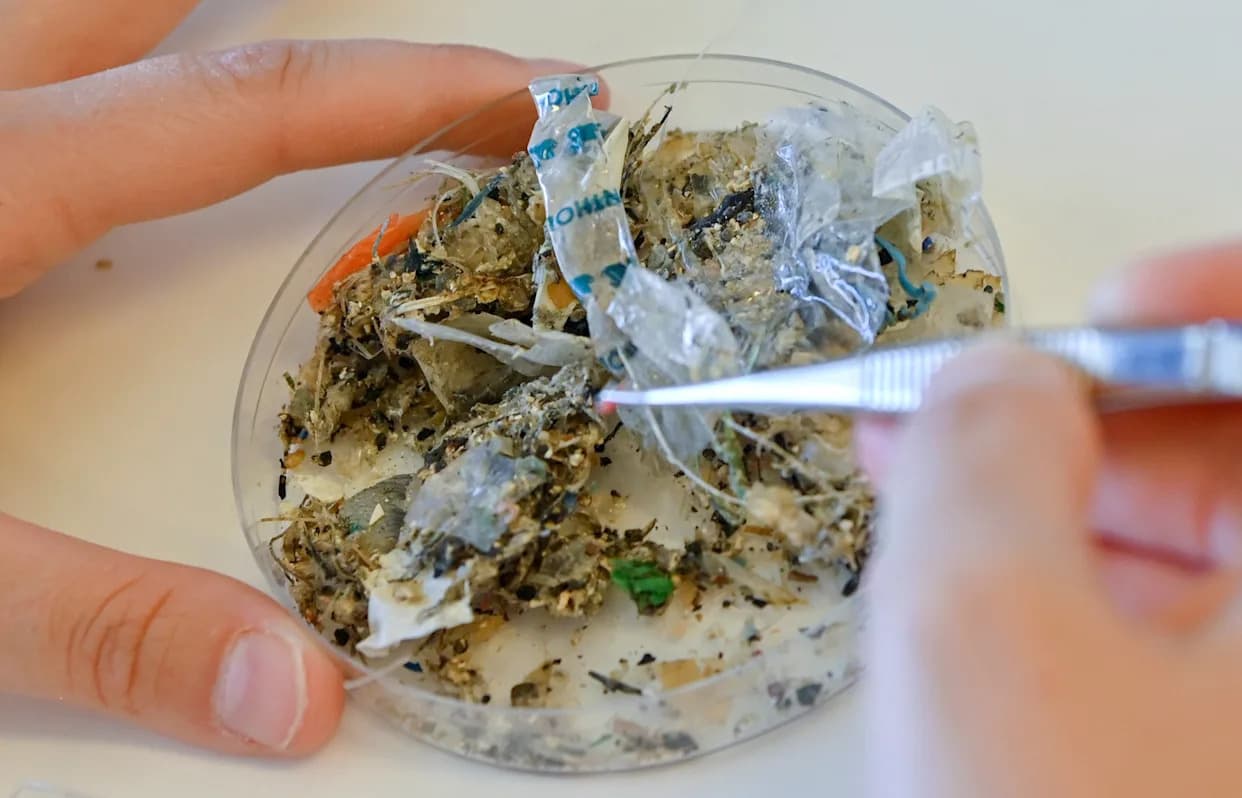
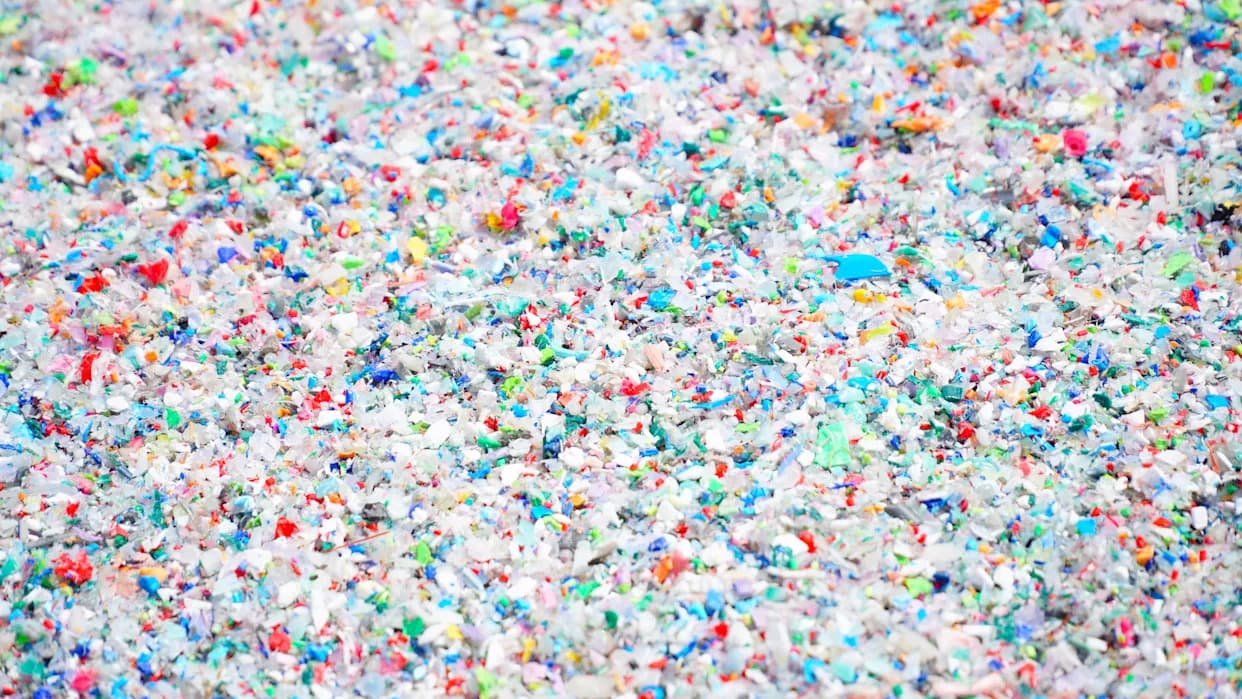
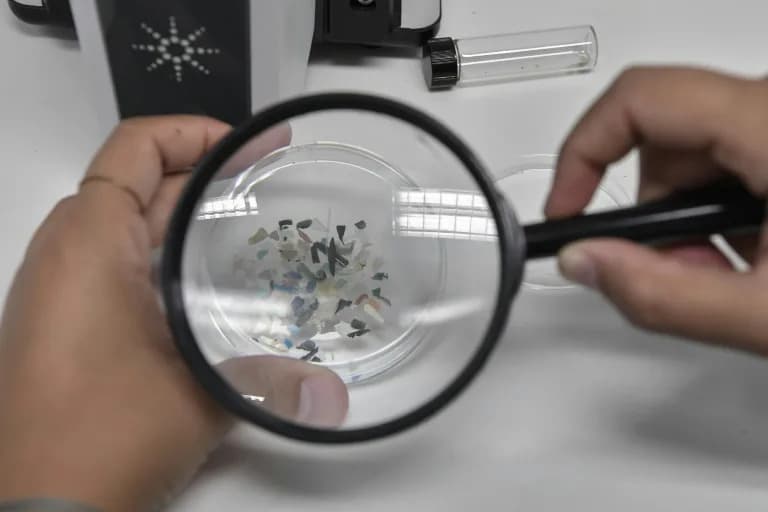
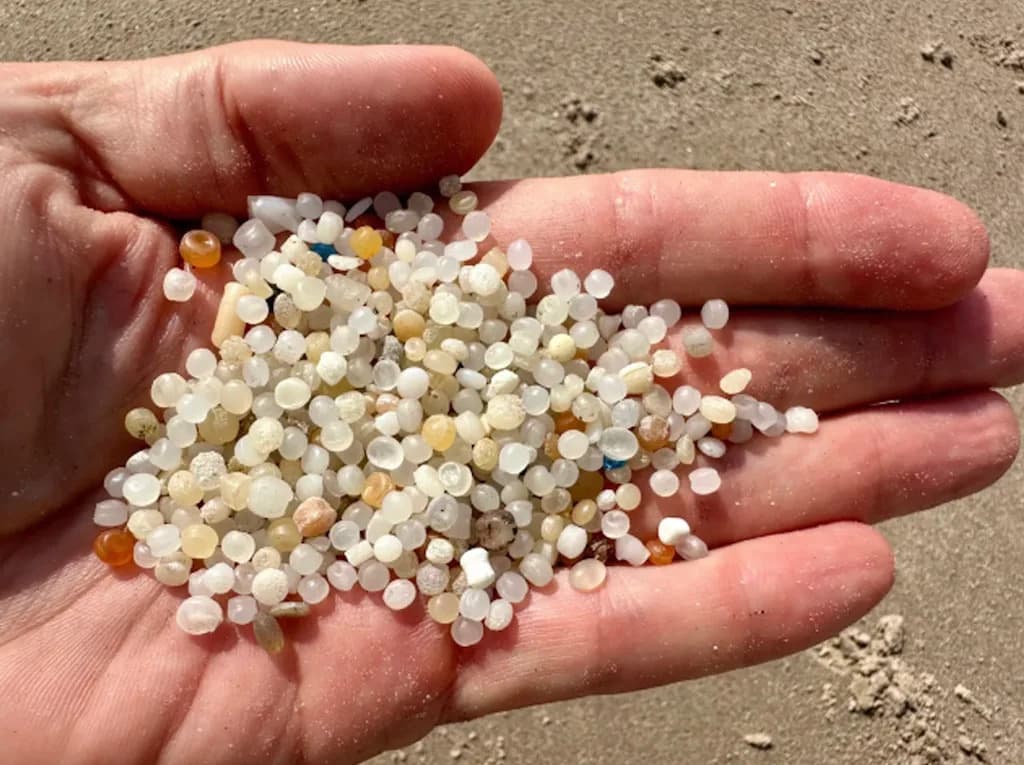
Nanoplastics are plastic particles smaller than 1 micrometer (1 µm). Because of their tiny size, they can cross barriers that stop larger microplastics, potentially entering water, soil and biological tissues.
How The New Filtration Method Works
The Flinders team tested a range of nano-thin plasma coatings — both hydrophobic and hydrophilic — applied to cellulose ester membranes. They used an "affinity capture" approach, in which molecules in the membrane chemically attract and bind nanoplastic particles, preventing them from passing through the filter.
"Our initial trials showed a dramatic reduction of fibers in wash water, demonstrating the strong potential of this technology," said Flinders researcher Anastasiia Snigirova, as reported by TechXplore.
Results And Publication
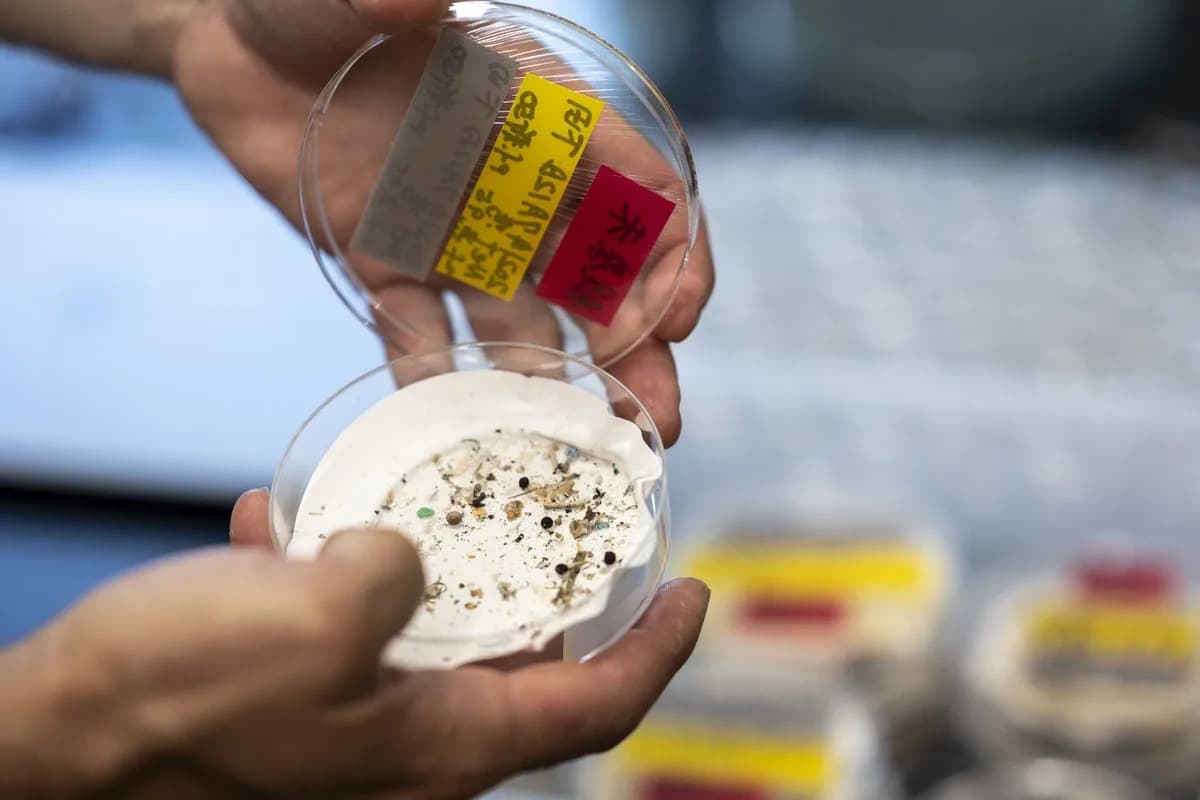
The researchers documented their findings in the journal Analytica Chimica Acta, reporting which coatings and membrane properties most effectively reduced nanoplastic passage. In laboratory trials, the affinity-capture coatings produced a marked decline in the number of fibers and particles measured in laundry effluent.
Why This Matters
Conventional filtration and monitoring methods often fail to detect or retain particles below 100 micrometers; nanoplastics are much smaller. Domestic sources such as polyester textiles release microscopic fibers during washing that can enter wastewater systems, homes and potentially the body.
Complementary research from Texas A&M University suggests that exposure to seawater may enable some nanoplastics to penetrate human skin, highlighting an additional route of potential exposure beyond ingestion and inhalation.
Health Implications And Next Steps
Scientists have not yet determined the full health consequences of long-term nanoplastic exposure. Some studies link plastic particles to hormone disruption, reproductive issues and cardiovascular concerns, but more research is needed to establish clear causal relationships and exposure thresholds.
Reducing plastic waste at the source remains the most reliable long-term strategy. Meanwhile, targeted filtration technologies like the Flinders system could reduce immediate exposure by trapping more nanoplastic particles in household and municipal water systems.
Practical Advice
Simple consumer measures can help limit plastic shedding and pollution: use reusable water bottles, opt for fabric shopping bags, choose garments with lower synthetic-fiber content, and consider washing synthetic clothes less frequently or using laundry filters/guppy bags where available.
Help us improve.