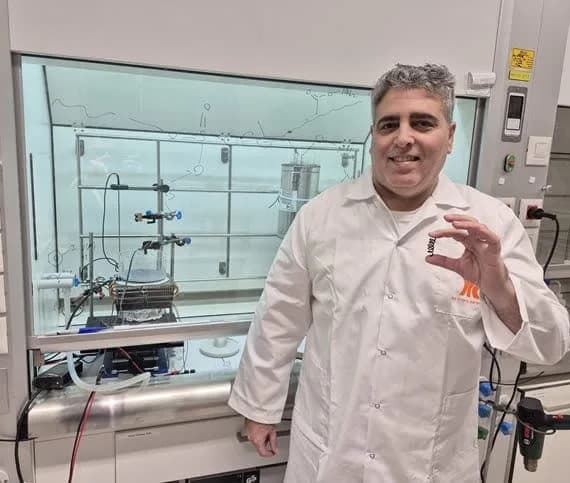
Researchers from the University of Chicago and Argonne National Laboratory report that cobalt can improve the longevity of single‑crystal NMC cathodes, overturning conclusions drawn from polycrystalline materials. Published in Nature Nanotechnology, the study shows that degradation pathways differ between PC‑NMC and SC‑NMC, meaning diagnostics and design rules must be adapted. The findings suggest new materials strategies could extend battery life for consumer electronics, EVs, and grid storage.
Surprising Discovery: Cobalt Can Extend the Life of Single‑Crystal NMC Batteries
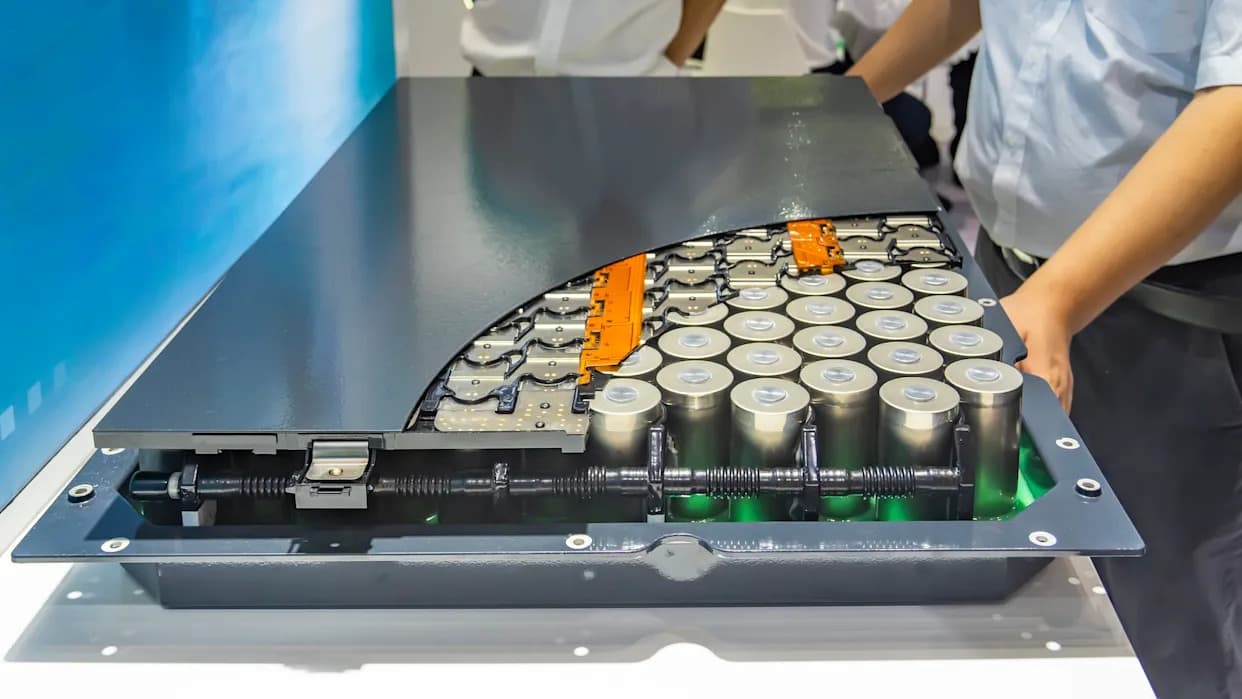
Photo Credit: iStock
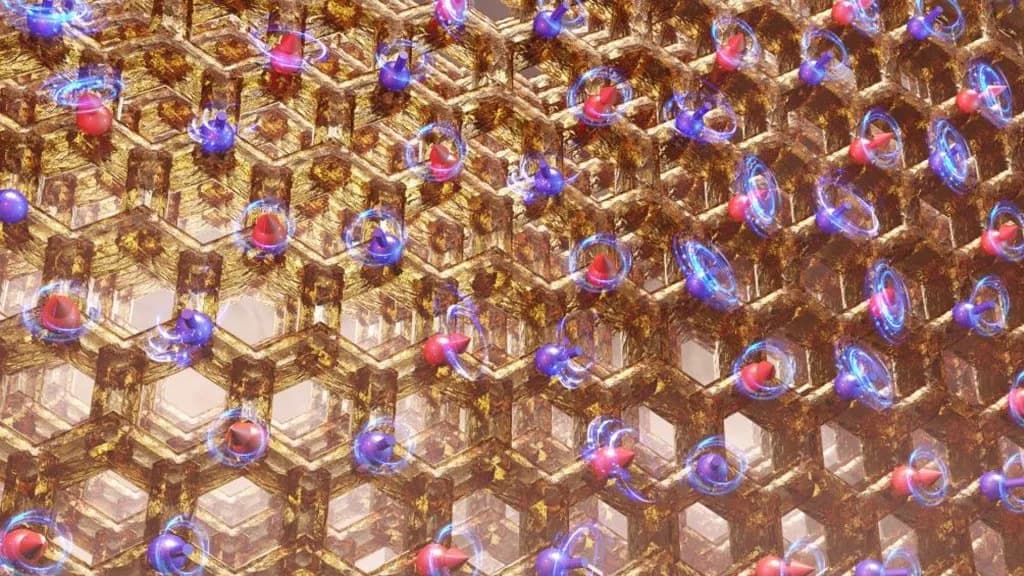
Researchers at the University of Chicago and Argonne National Laboratory report a surprising result: cobalt — long viewed as a problematic ingredient in some lithium‑ion cathodes — appears to play a beneficial role in extending the lifespan of single‑crystal NMC (SC‑NMC) cathodes. The findings, published in Nature Nanotechnology, challenge assumptions developed from studies of polycrystalline NMC (PC‑NMC) materials and point to new directions for battery design.
Over the past decade the industry has increasingly adopted single‑crystal layered oxide cathodes (SC‑NMC) because they offer performance advantages such as improved mechanical robustness and cycling stability under some conditions. However, the new study shows that the dominant indicators and pathways of degradation differ between PC‑NMC and SC‑NMC. That means diagnostics and development practices optimized for polycrystalline materials may be misleading when applied to single‑crystal chemistries.
What the Study Found
The paper establishes a direct link between material composition — specifically cobalt content — and the mechanisms that drive capacity fade in SC‑NMC cells. While cobalt has been associated with unfavorable behaviors in PC‑NMC, the researchers found that some cobalt in SC‑NMC helps suppress the degradation pathways that shorten cell life.
"This work establishes a direct link between material composition and degradation pathways, providing deeper insight into the origins of performance decay in these materials," said Argonne scientist Tongchao Liu.
Project lead Shirley Meng of the University of Chicago added that the discovery implies more than a tweak to formulations: it calls for different design strategies and materials choices tailored to single‑crystal cathode architectures.
Why It Matters
The implications are broad. Lithium‑ion batteries power devices from smartwatches to electric vehicles and utility‑scale energy storage. If SC‑NMC chemistries can be optimized with the right cobalt content, manufacturers could produce cells with longer useful life, which would lower total cost of ownership for EVs, reduce replacement frequency for consumer devices, and improve the economics of grid storage paired with intermittent renewables.
Importantly, the study highlights a methodological lesson for battery research: materials-specific degradation pathways require materials‑specific diagnostics. Applying tests and models developed for one cathode morphology to another can obscure true failure mechanisms and slow progress.
Next Steps
Researchers recommend further work to quantify optimal cobalt levels in SC‑NMC across different operating conditions and to develop diagnostics and design rules tailored to single‑crystal materials. Advances along these lines could unlock meaningful improvements in battery longevity and accelerate adoption of electrified technologies.
Help us improve.