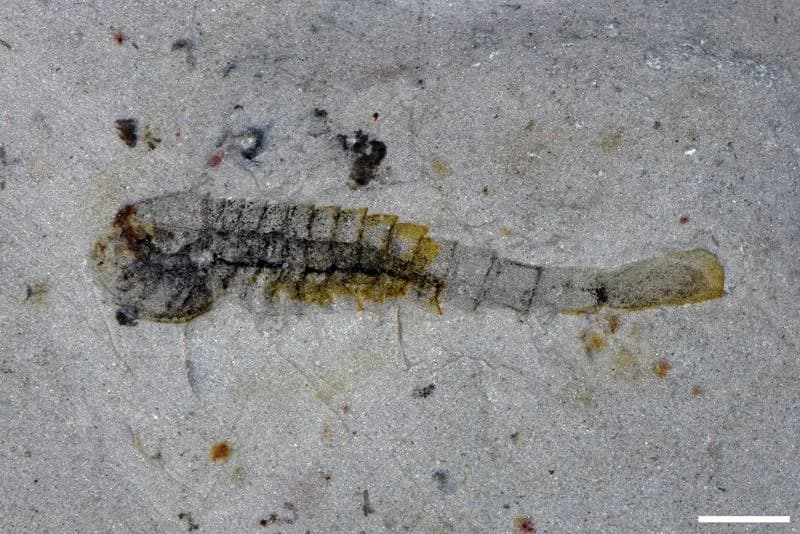
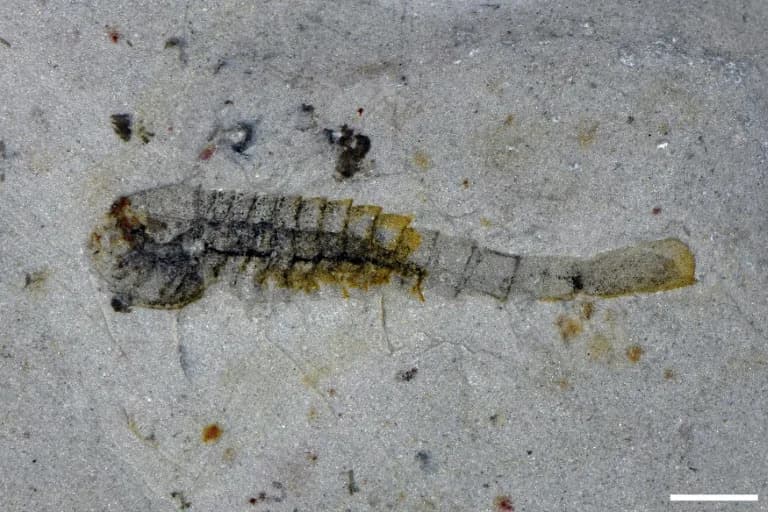
A 520-million-year-old larval fossil from the Cambrian Period was found with soft tissues preserved, including the brain. Researchers from Durham University and Yunnan University used X‑ray CT to create 3D reconstructions of its brain, digestive tract, circulatory system and nervous connections. The specimen is an early euarthropod — the ancestor group of insects, crabs and spiders — and its preservation provides rare developmental data that can illuminate the Cambrian radiation and early animal evolution.
520-Million-Year-Old Larva Fossil Preserves Brain and Internal Organs — A Window into Early Arthropod Evolution

A remarkably well-preserved larval fossil dating to about 520 million years ago has been described by an international team of researchers. The specimen, from the Cambrian Period, retains soft tissues including the brain, digestive tract and elements of the circulatory and nervous systems — a rare level of preservation that offers new insight into early animal development.
Discovery and Analysis
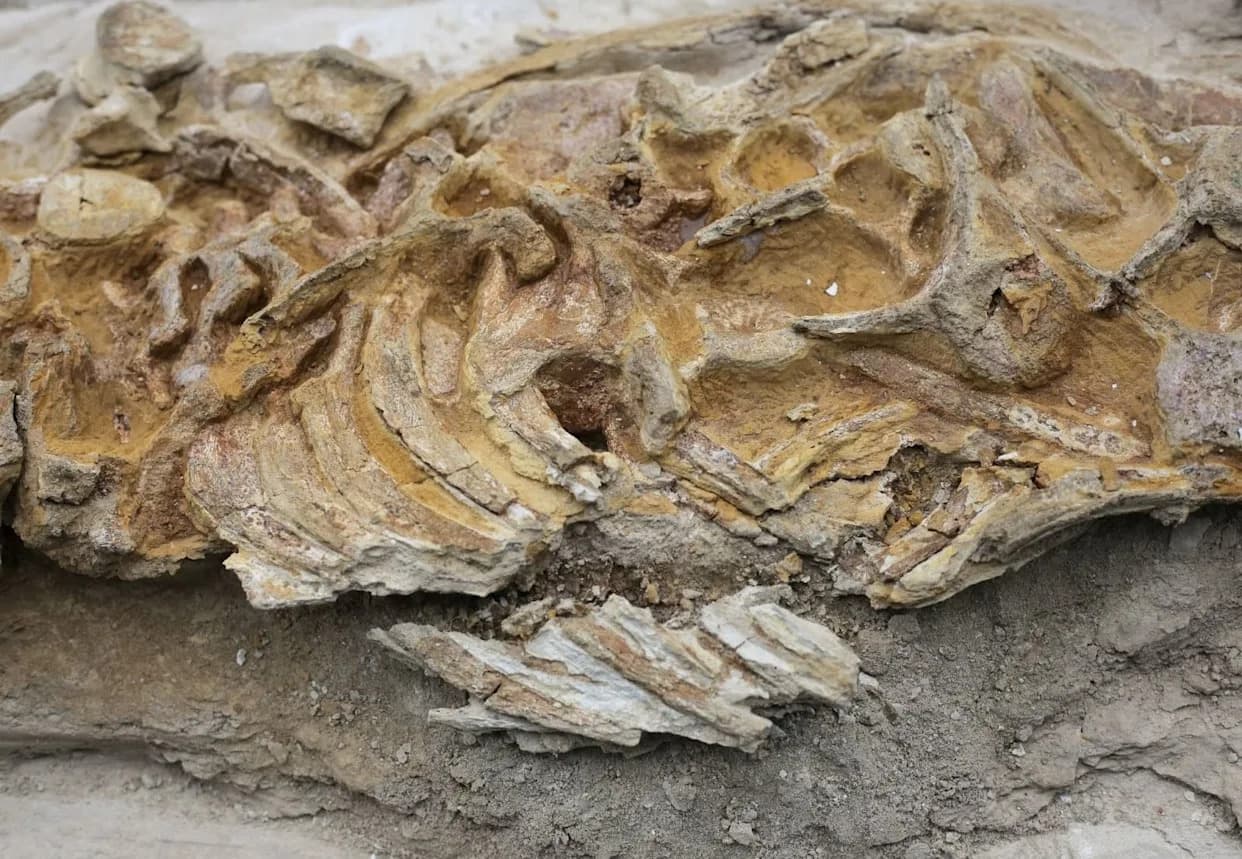
Researchers from the Earth Sciences Department at Durham University (UK) and Yunnan University (China) examined the fossil recovered from shale in China’s Yu'anshan Formation, a site famed for exceptionally preserved Cambrian fossils. The team used X‑ray computed tomography (CT) to generate high-resolution, three-dimensional reconstructions of internal anatomy, revealing the brain, gut, circulatory structures and nerves linking the brain to primitive appendages and visual organs.
“I already knew that this simple worm-like fossil was something special, but when I saw the amazing structures preserved under its skin, my jaw just dropped,” said lead author Martin R. Smith. “How could these intricate features have avoided decay and still be here to see half a billion years later?”
Why It Matters
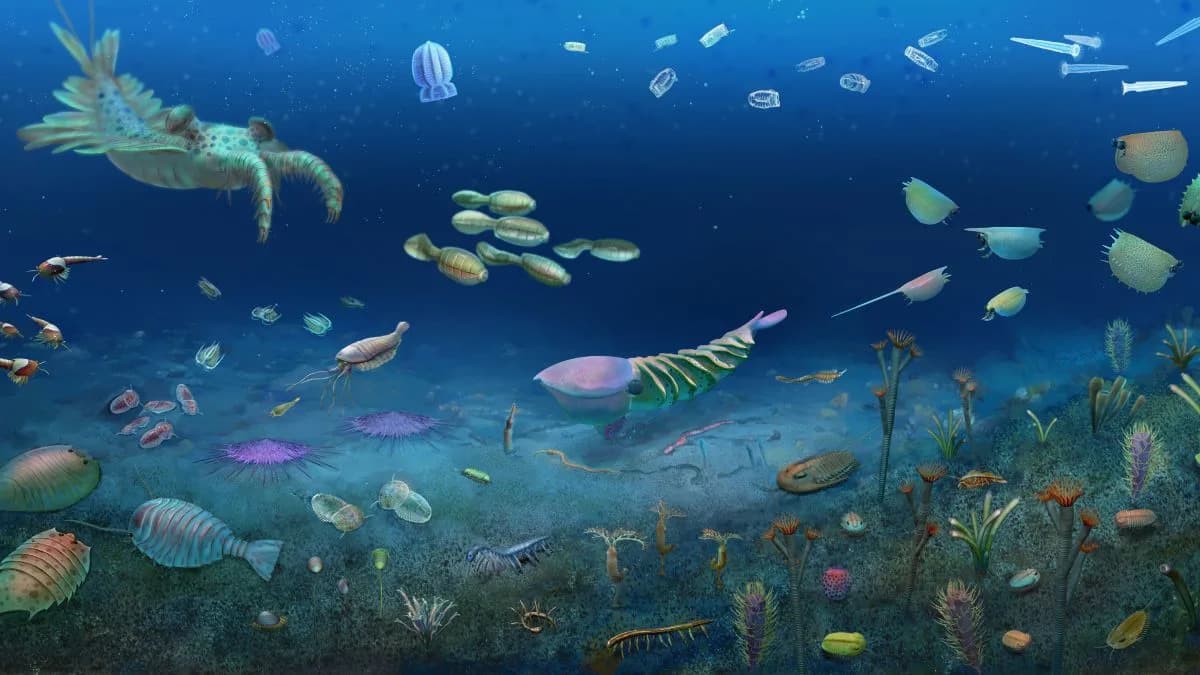
The larva represents an early euarthropod — the lineage that gave rise to centipedes, crabs, insects and spiders. Euarthropods now comprise roughly 80% of described animal species, and their success has been linked to a versatile body plan that evolved during the Cambrian radiation. Larval anatomy and developmental data are critical for reconstructing evolutionary relationships and understanding how complex body plans emerged.
The fossil is curated at Yunnan University. The study, published in Nature, underscores how rare soft‑tissue preservation can transform our view of early animal evolution and highlights the importance of continued fieldwork and advanced imaging to identify more larval specimens from the Cambrian.
Note: This report is based on a study published in Nature and a media release associated with the research. The story originally appeared in Men's Journal on Dec 9, 2025.
Help us improve.