New analyses of three Prototaxites fossils from the Rhynie chert (early Devonian, ~400 million years ago) show these 9‑meter columnar organisms lack fungal biomarkers (chitin and glucan derivatives) and possess internal structures unlike any known fungi. The evidence argues against a simple fungal affinity and suggests Prototaxites may represent an extinct, distinct branch of multicellular life. However, the study sampled only a few specimens from about 25 named species, so further work is needed to confirm the breadth and implications of these findings.
400-Million-Year-Old 9‑Meter Fossil Defies Classification — May Represent a Lost Branch of Multicellular Life
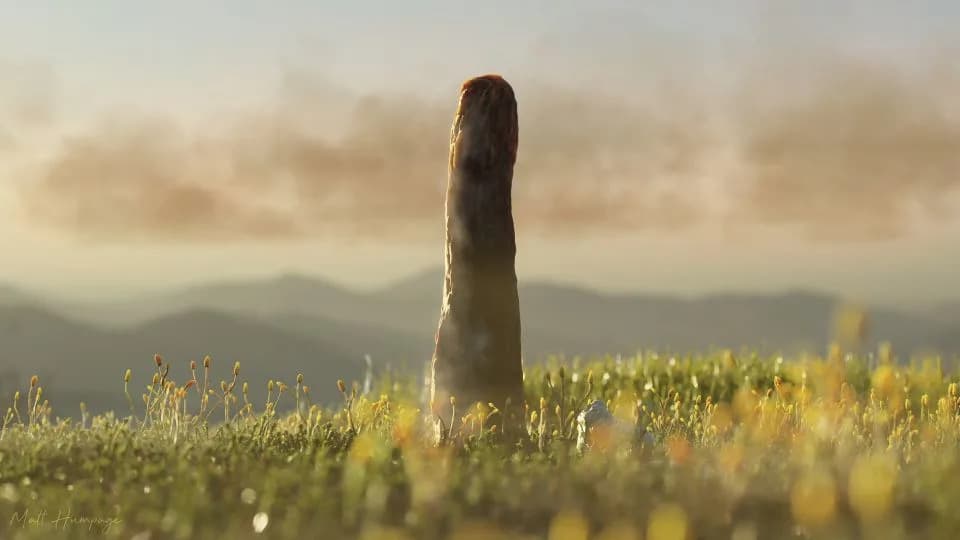
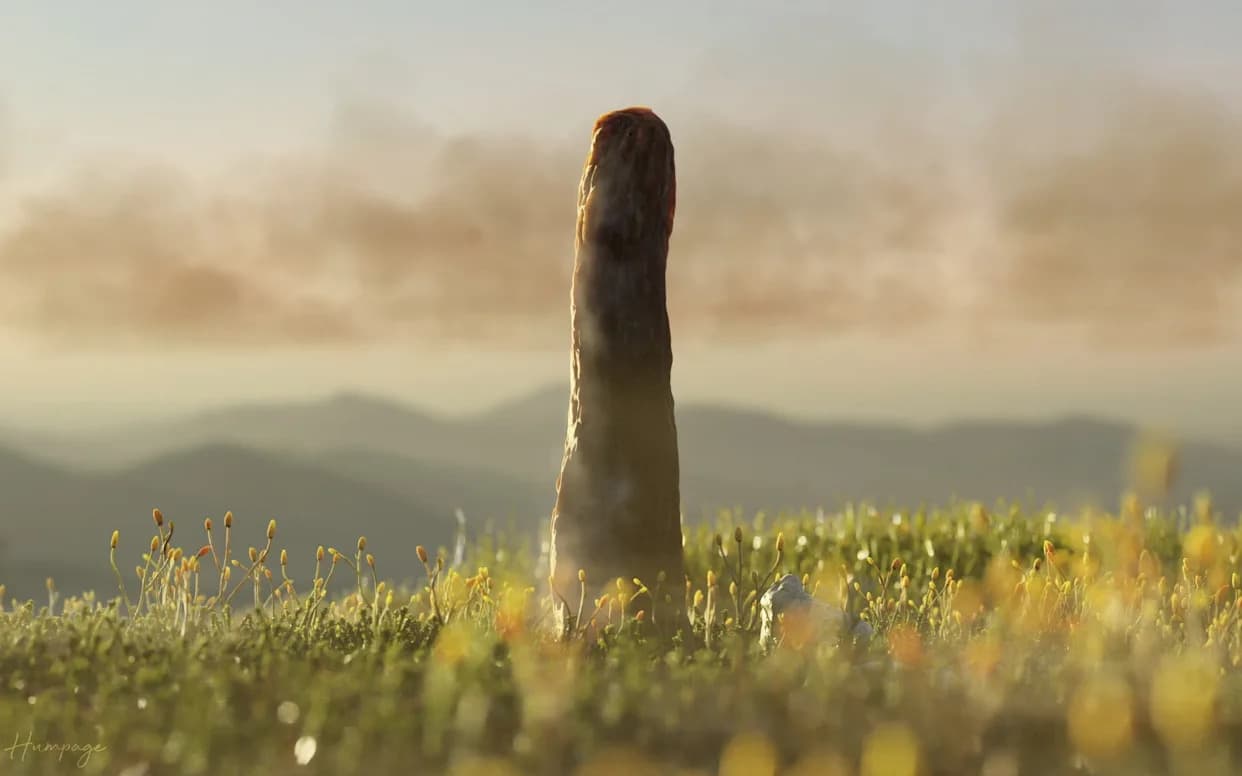
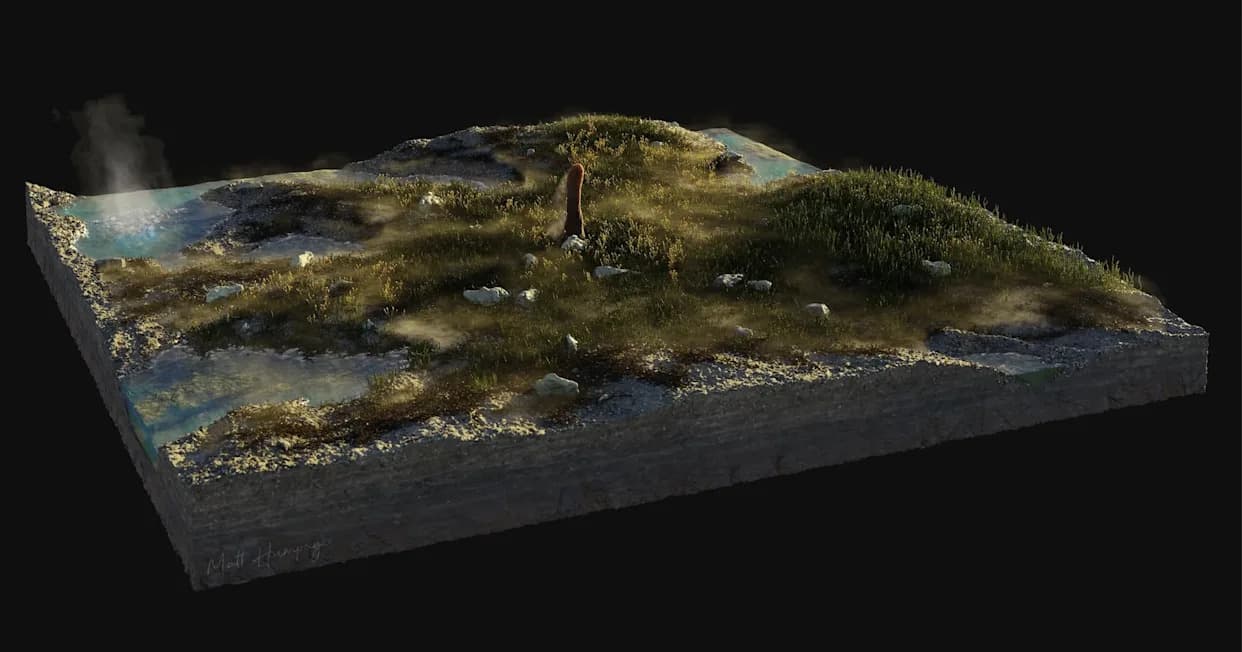
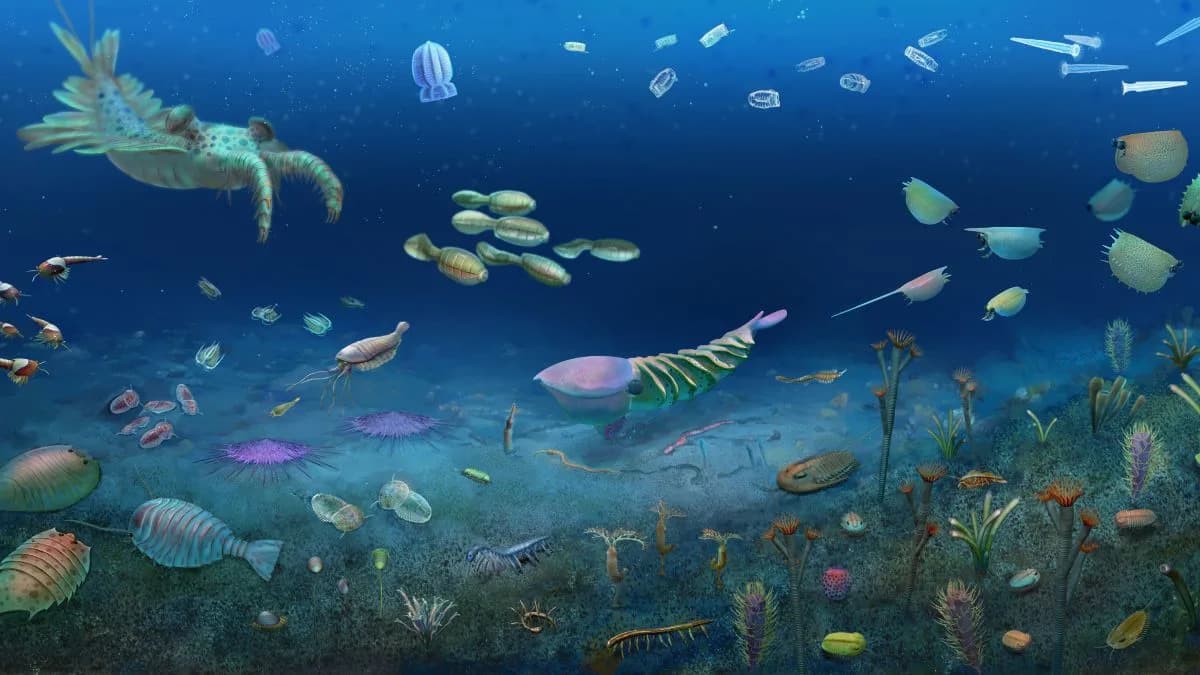
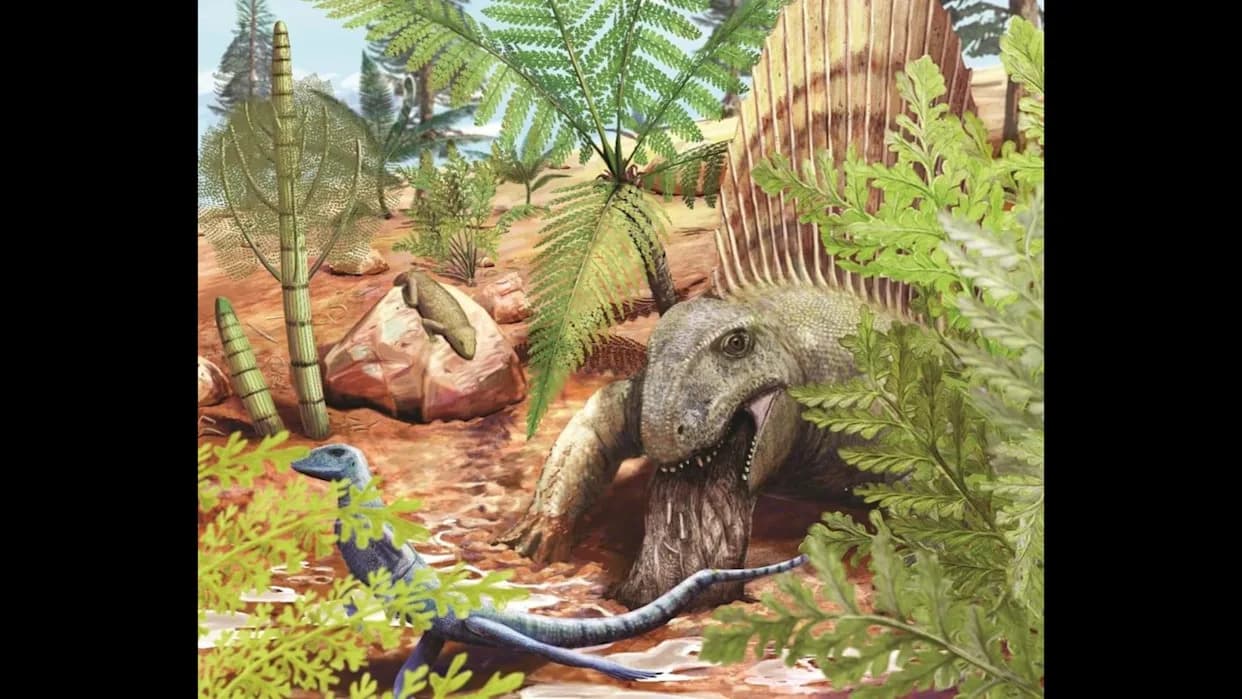
An artist's impression of what Prototaxites may have looked like 400 million years ago. - Matt Humpage
About 400 million years ago, long before trees or dinosaurs, towering columnar organisms up to roughly 9 meters tall dominated parts of the land surface. Known as Prototaxites, these enigmatic fossils have puzzled scientists for more than a century. New chemical and structural analyses of three specimens from the famed Rhynie chert in Scotland suggest Prototaxites are chemically and anatomically unlike known fungi, plants, or animals — and may represent an extinct, previously unrecognized branch of multicellular life.
What the New Study Found
Researchers led by Corentin Loron (University of Edinburgh) analyzed three Prototaxites specimens preserved in the Rhynie chert — an early Devonian hot-spring deposit near Aberdeen that yields exceptionally well-preserved early land life. Using molecular biomarker and microstructural techniques, the team compared Prototaxites to co-occurring fungal fossils buried under the same conditions.
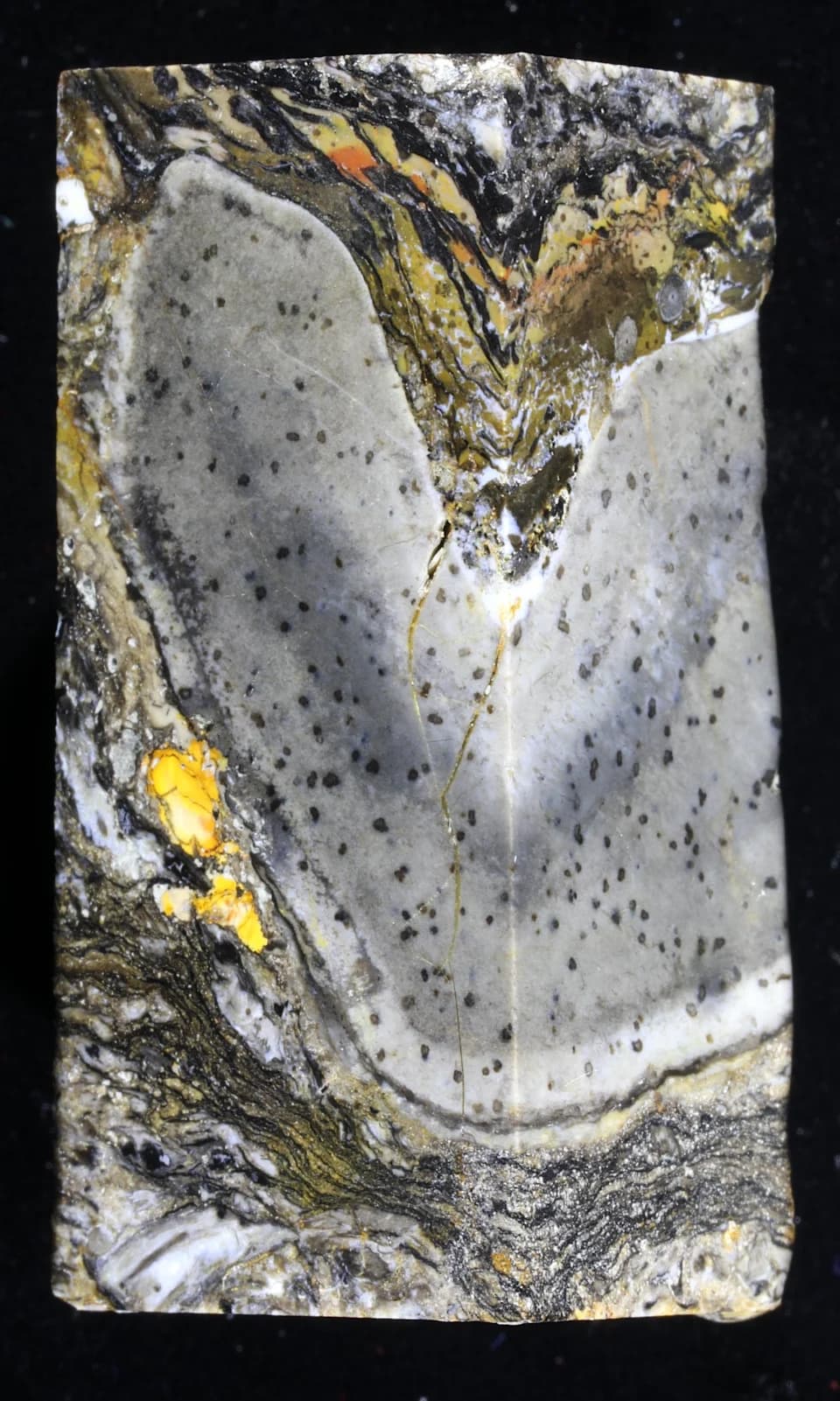
The key chemical result: Prototaxites specimens lack the molecular signatures associated with fungal structural compounds — notably biomarkers derived from chitin and glucan — that are present in other fossil fungi from the same site. Structurally, the fossils also show unusual internal branching within dark, spherical zones that do not match the organization of any known fungal group.
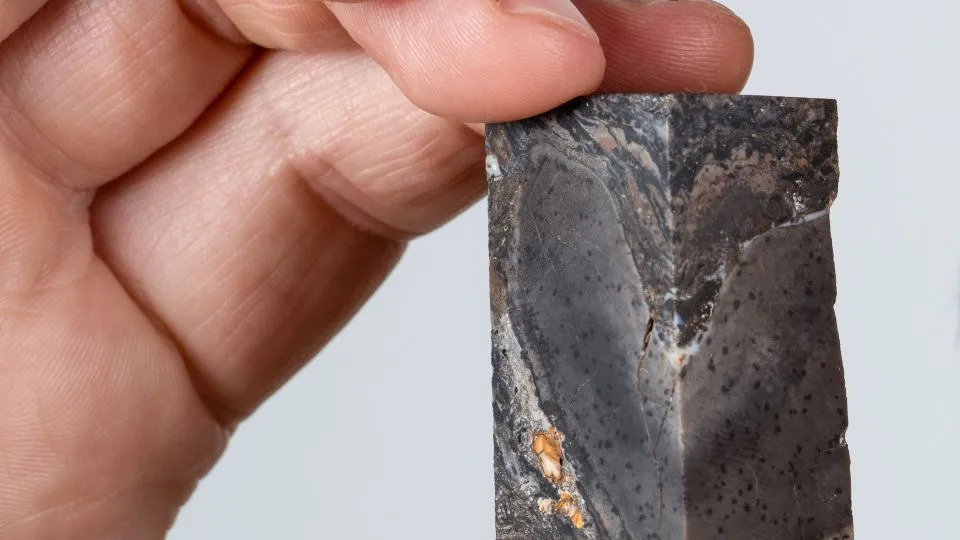
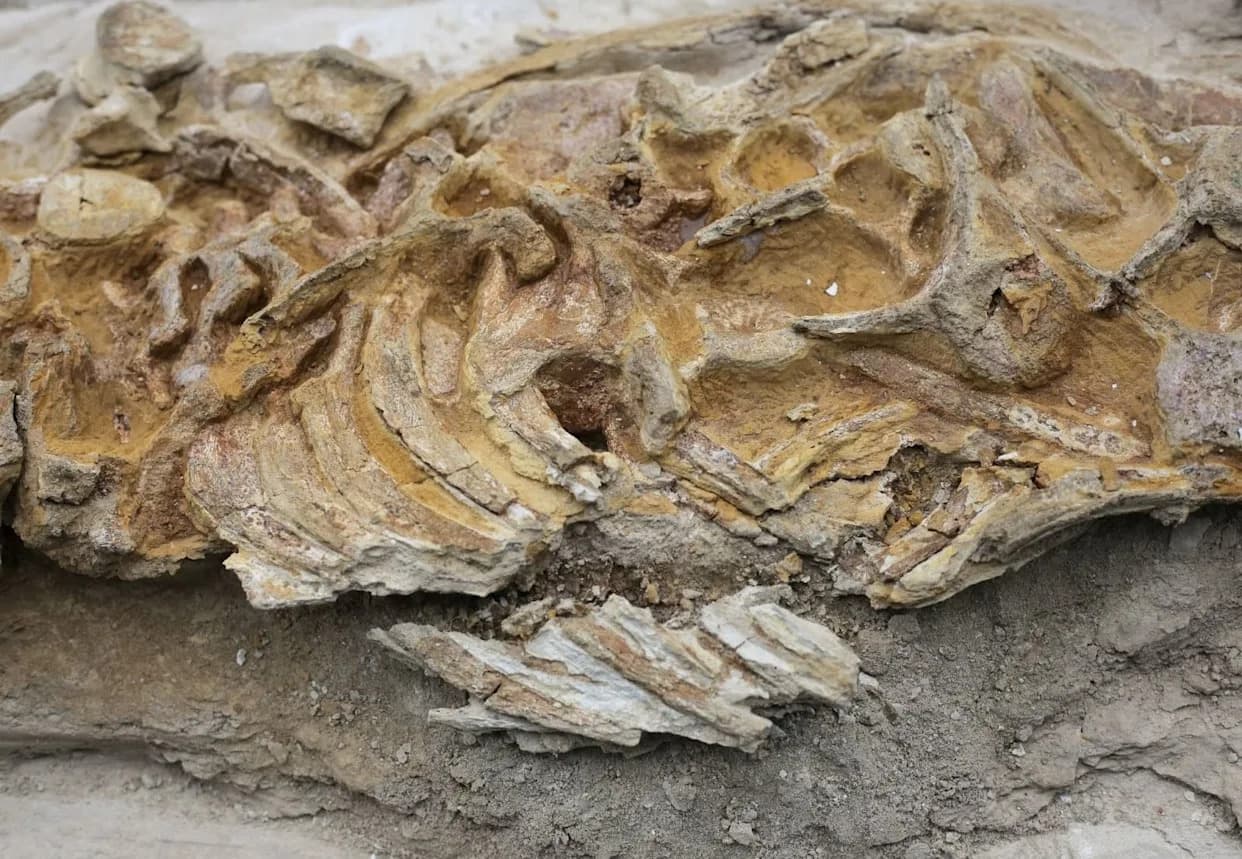
A 410 million year-old Protaxities fossil, discovered in Rhynie, Aberdeenshire, Scotland. - Neil Hanna
'The specimens are so different from any modern group we have,' Loron said, noting that the preservation at Rhynie retains original chemical signatures well enough to distinguish these differences.
Context and Interpretations
Prototaxites was first described about 160 years ago and has been variously interpreted as a decayed tree trunk, a giant fungus, or a lichen-like consortium of fungus and algae. Earlier work suggested these organisms were non-photosynthetic and likely obtained carbon from environmental sources rather than producing it by photosynthesis.
Kevin Boyce (Stanford University), who has studied Prototaxites, emphasizes that while the new data challenge simple classification as a fungus, they do not yet provide a definitive alternative identity. The authors caution against forcing Prototaxites into existing categories, because its age and unique features may reflect an extinct evolutionary experiment in multicellularity.
Limitations and Next Steps
Important caveats remain: the new study examined three specimens drawn from one fossil species among roughly 25 named Prototaxites species. That limited sampling leaves open the possibility of diversity within the genus — some species might differ biologically or chemically. The authors plan additional analyses of tubular fossils and related specimens to test whether the observed chemical and structural traits are widespread.
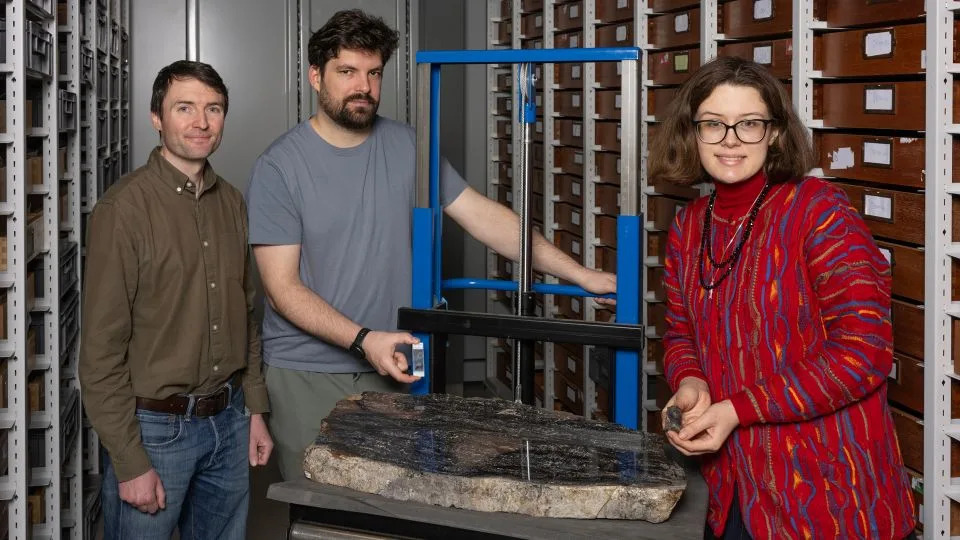
From right, researchers Sandy Hetherington, Corentin Loron and Laura Cooper, who led the new study, at the Museum of Scotland's National Museums Collection Centre with some Prototaxites fossils. - Neil Hanna
Marc-André Selosse (Natural History Museum, Paris) praised the analyses but noted the sampling gap, while Loron and colleagues stressed the scientific excitement of confronting an unresolved ancient mystery.
Why This Matters
If future work confirms that Prototaxites are neither plant, animal, nor fungus, it could reveal an extinct lineage of complex multicellular life and reshape our understanding of early land ecosystems. At a time when most plants were under a meter tall, these columnar giants would have been dramatic components of Devonian landscapes.
Further reading: The study was published in 'Science Advances' and uses material from the Rhynie chert, one of the best windows into early terrestrial life.
Help us improve.