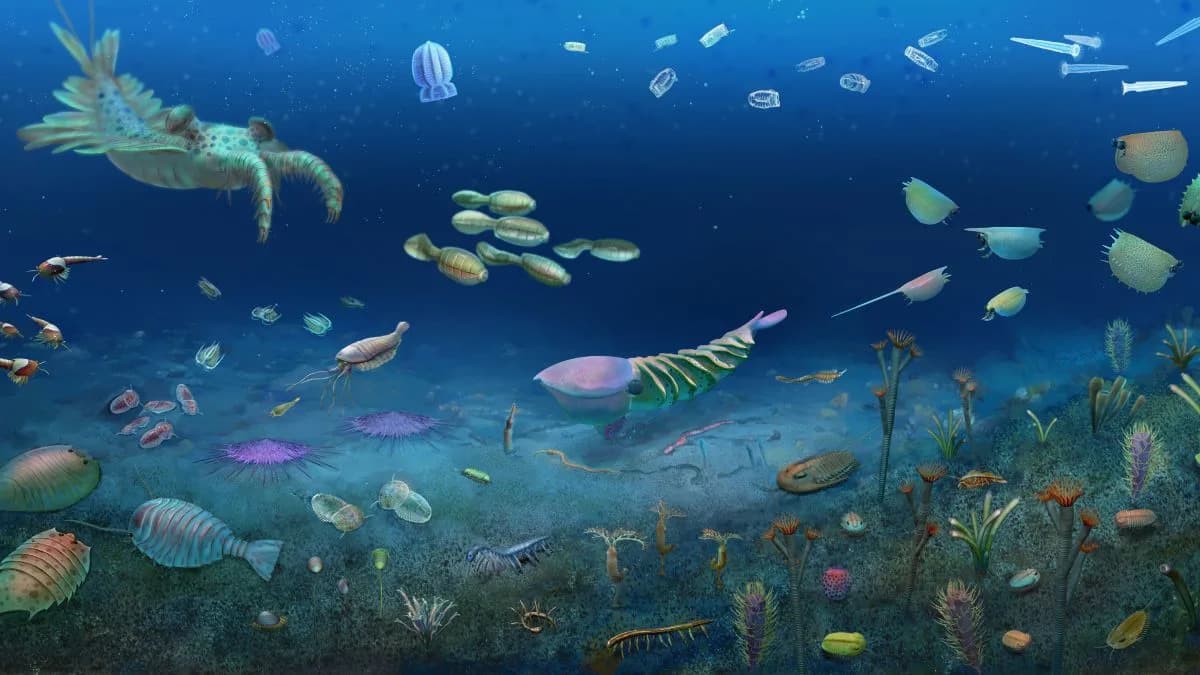
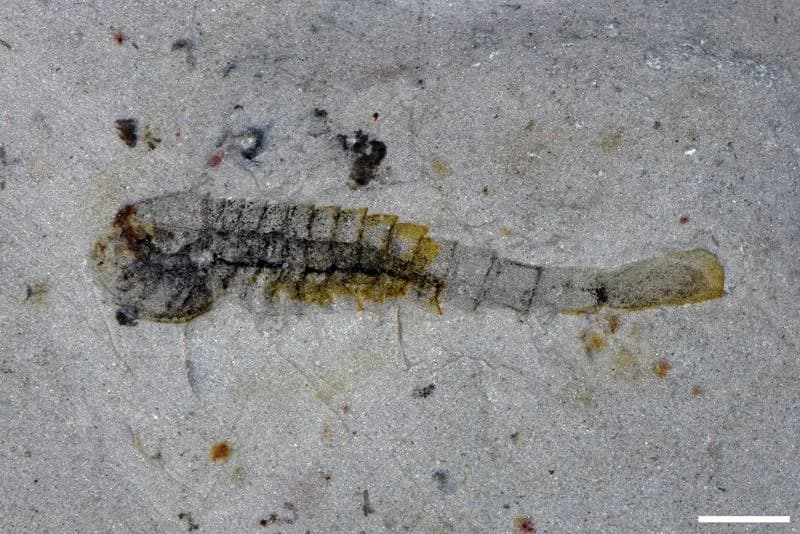
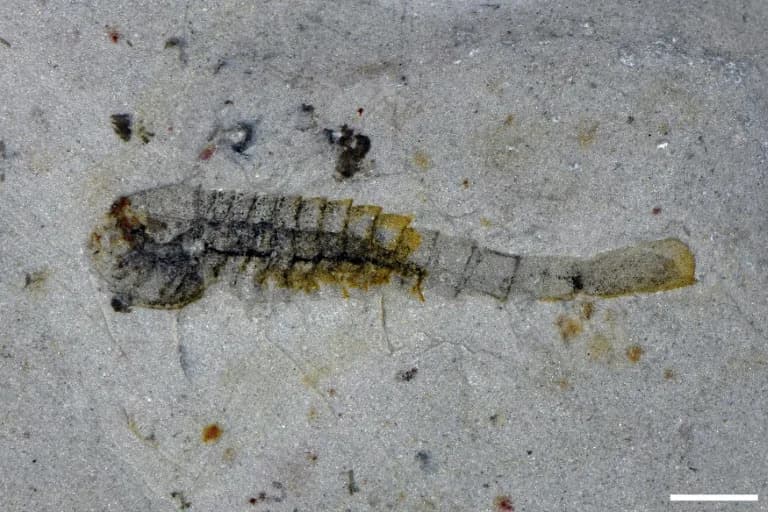
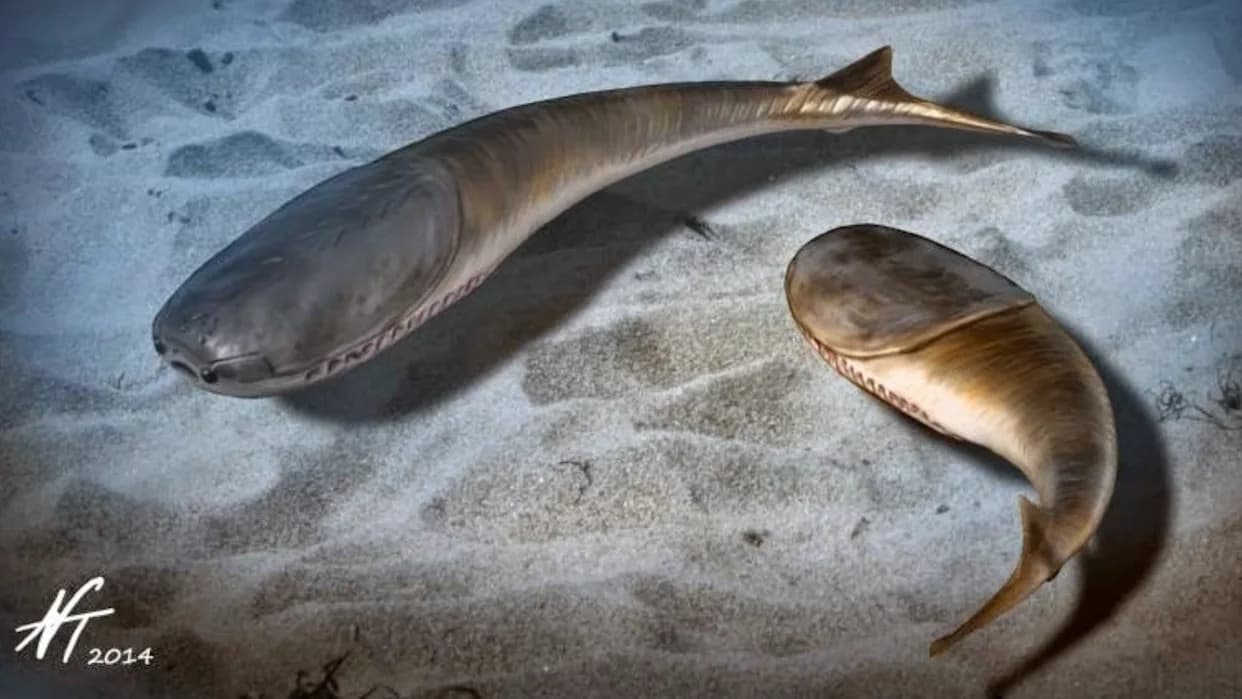
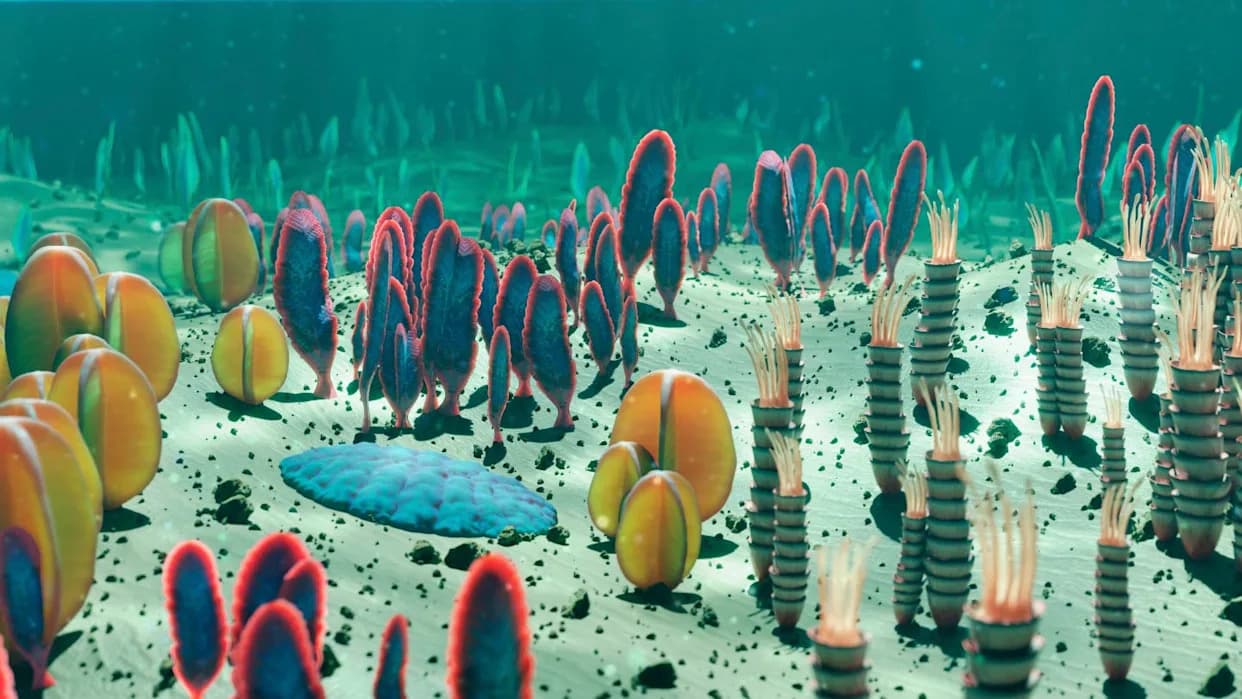
A southern China site has yielded 8,681 marine fossils dated to about 512 million years ago, including specimens with rare soft-tissue preservation. Dated shortly after the Sinsk mass extinction, the assemblage appears to preserve nearly an entire Cambrian ecosystem. The find complements iconic sites like the Burgess Shale and offers new evidence about early animal diversity, ecological interactions, and post-extinction recovery.
512-Million-Year-Old Fossil Find in China Sheds New Light on the Cambrian Explosion
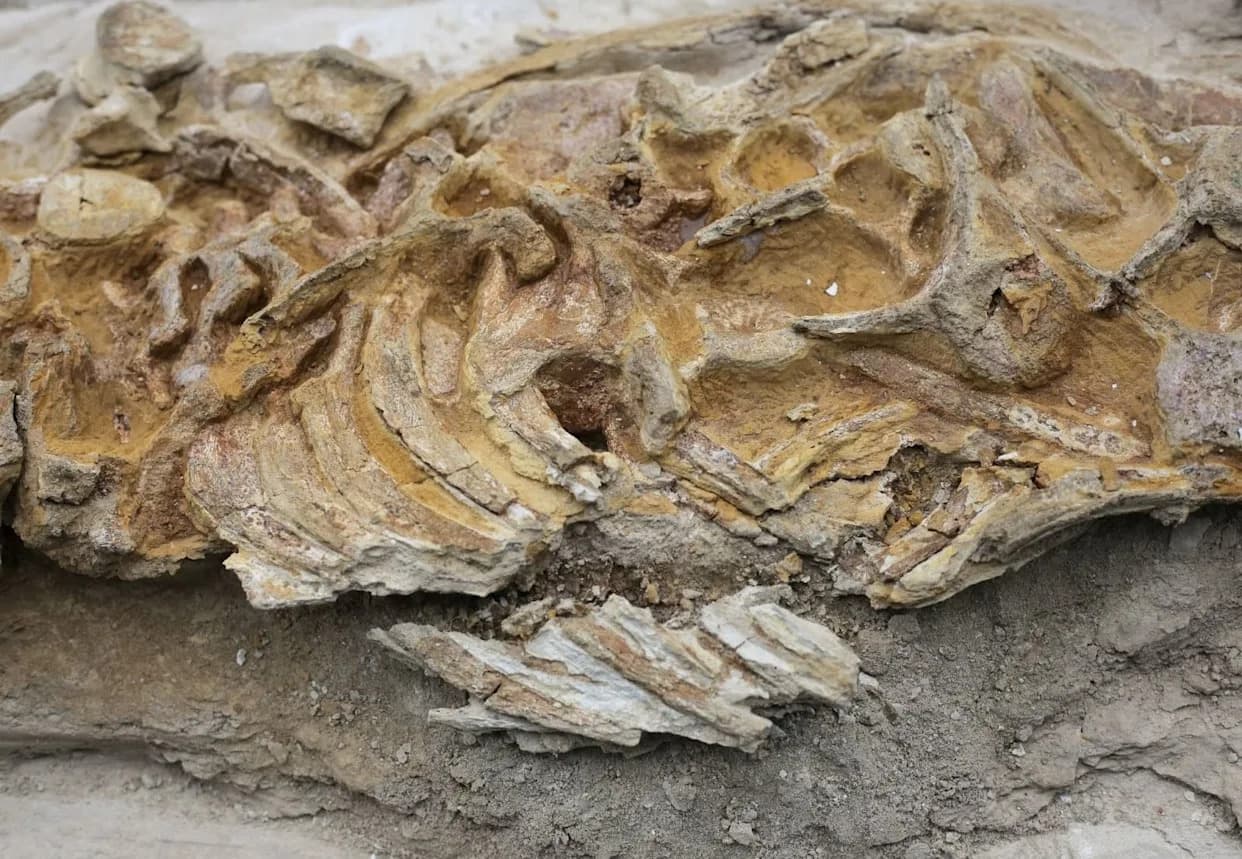
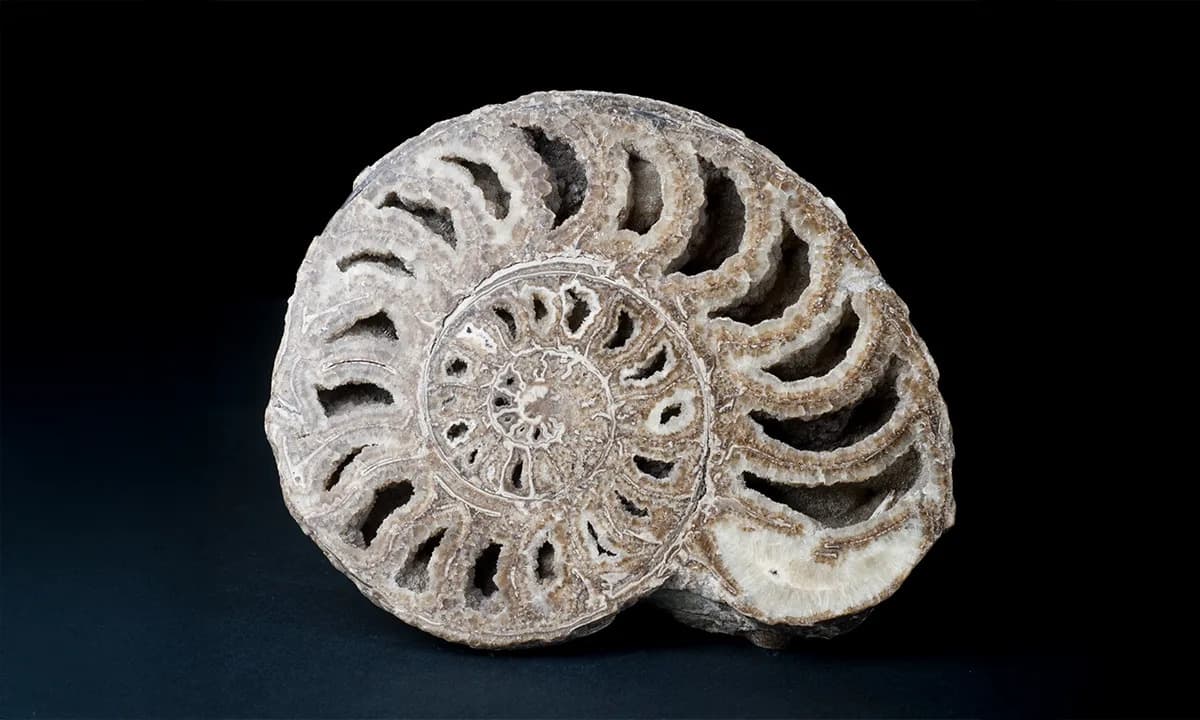
A major fossil discovery in southern China — dated to about 512 million years ago — is offering fresh insight into one of the most important episodes in the history of life: the Cambrian explosion. Paleontologists have recovered 8,681 marine fossils at the site, including unusually well-preserved specimens that retain delicate soft tissues rarely seen in the fossil record.
The Cambrian explosion, which began roughly 530 million years ago, marks a rapid diversification of animal life. Until now, much of our detailed picture of that burst of diversity has relied on a handful of famous deposits such as Canada’s Burgess Shale. This new Chinese assemblage expands that geographic and ecological view and helps fill gaps in our understanding of early animal evolution.
Exceptional preservation and timing. The fossils come from beds deposited shortly after the Sinsk event — the earliest known Cambrian mass extinction that briefly interrupted the radiation of complex life. Because the site preserves soft tissues in addition to hard parts, researchers can reconstruct body plans, trophic interactions and community structure with unusual fidelity.
Why This Discovery Matters
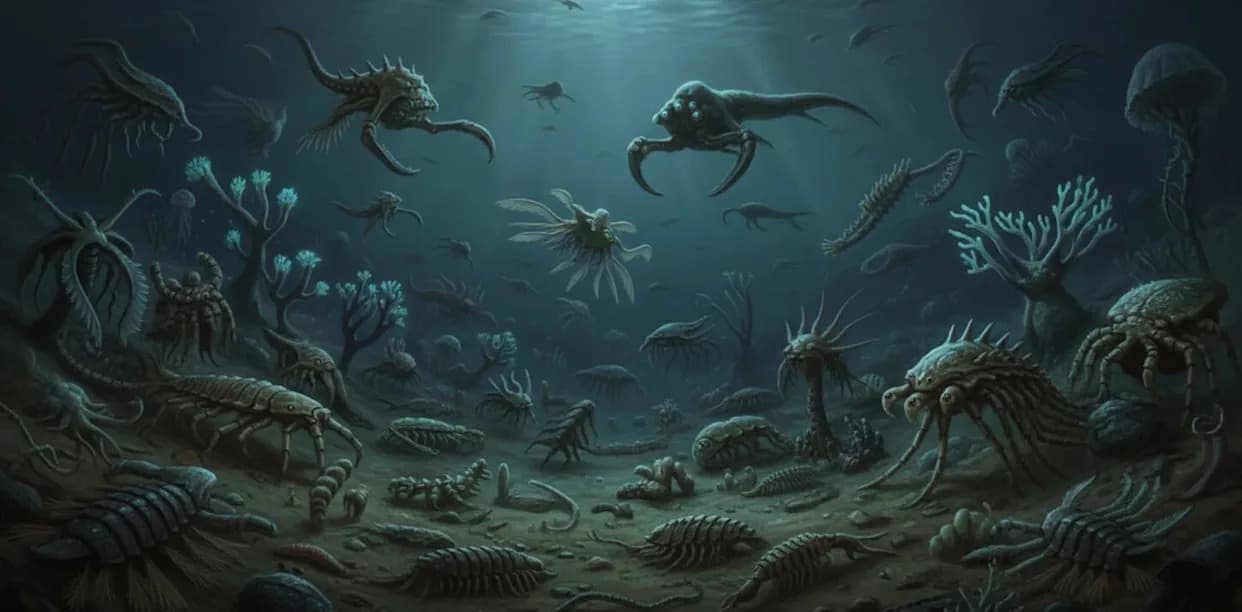
This collection appears to capture nearly an entire Cambrian marine ecosystem in vivid detail, offering direct evidence of species diversity, ecological roles and post-extinction recovery dynamics. Such data can refine evolutionary timelines, clarify relationships among early animal groups, and reduce the geographic bias created by relying on a few well-known sites.
“The assemblage preserves, in vivid detail, almost an entire ecosystem,” reported New Scientist, highlighting the discovery’s potential to reshape interpretations of early animal life.
Ongoing study of the specimens — including detailed morphological analyses and comparisons with other Cambrian deposits — will be crucial to understanding how life rebounded and diversified after the Sinsk event and how different regions contributed to the global story of early animal evolution.
Help us improve.