Researchers report that rapid sand burial combined with early clay growth in seafloor sediments explains the exceptional preservation of fragile Ediacara Biota fossils. Lithium isotope and sediment analyses from Newfoundland indicate tiny clay particles acted as nuclei for authigenic clay mineralization, cementing sand grains and capturing fine soft-tissue impressions in sandstone. The study shifts the preservation explanation from biological toughness to seafloor chemistry and sedimentary processes during the Neoproterozoic–Paleozoic transition.
Solved: How Clay and Sand Preserved the Mysterious Ediacara Fossils for Nearly 600 Million Years
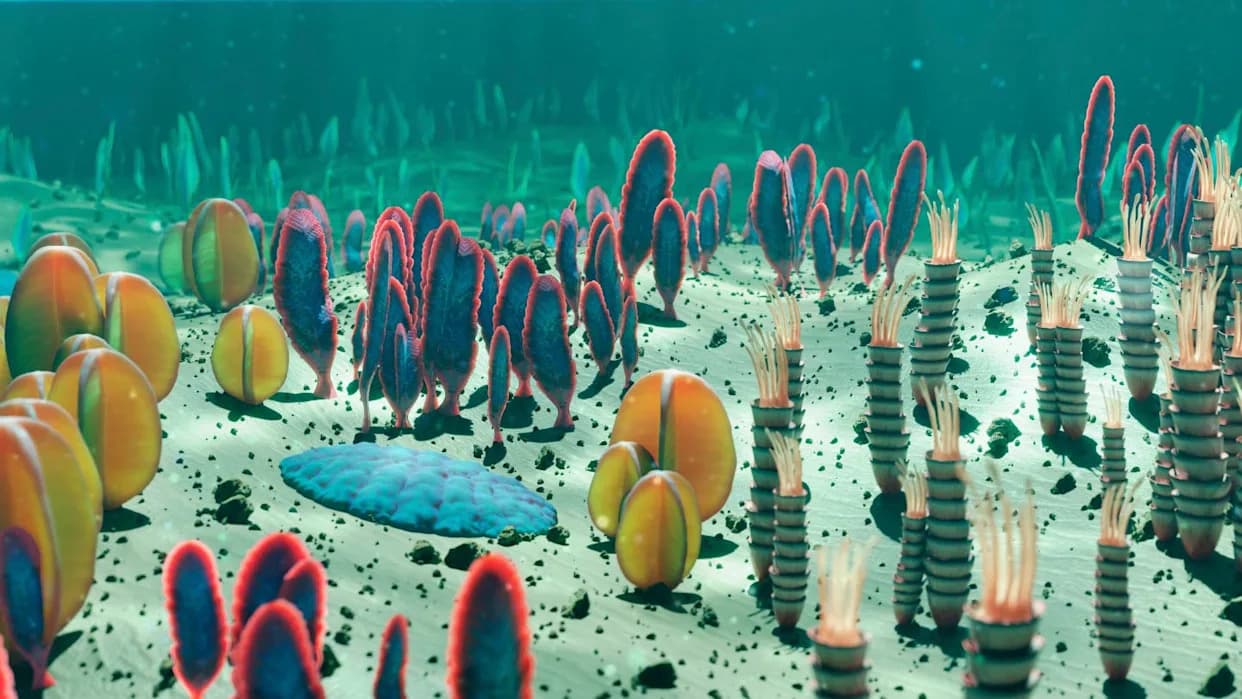
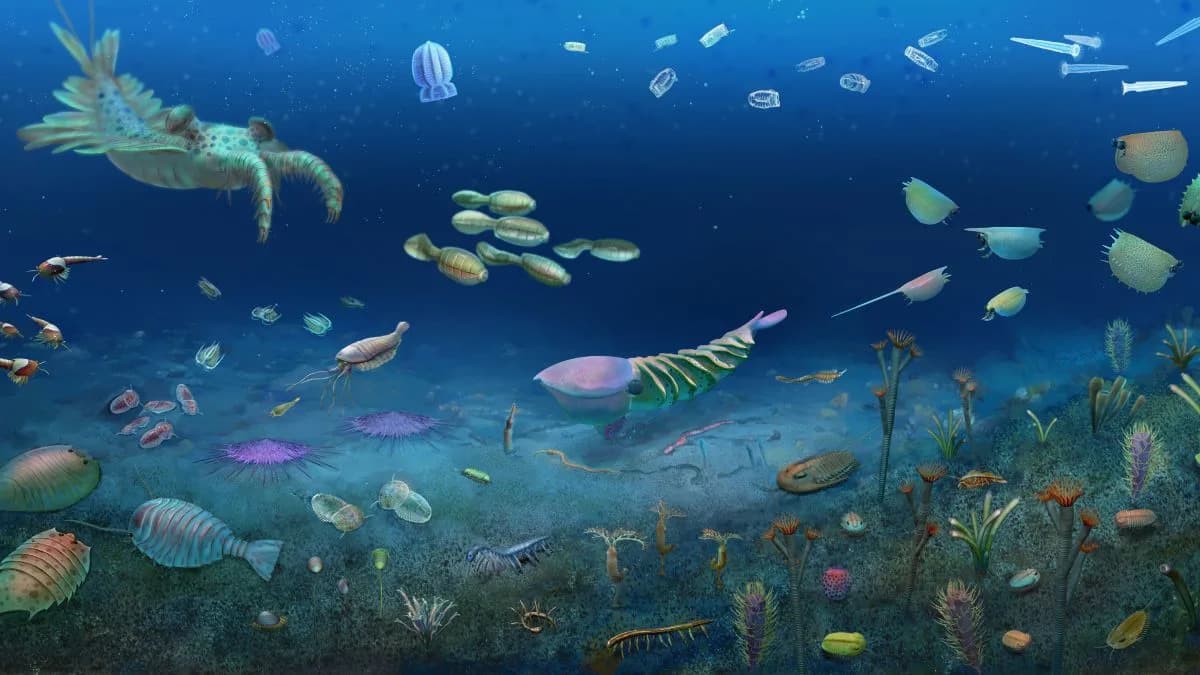
Experts Have Cracked the Case of These Odd FossilsMARK GARLICK/SCIENCE PHOTO LIBRARY - Getty Images
New research explains why the fragile, soft-bodied fossils of the Ediacara Biota — some of Earth’s earliest large organisms — have survived in the rock record for almost 600 million years. Instead of relying on unusual biological toughness, the study finds that sedimentary and chemical conditions on the seafloor created a natural preservation process that recorded exceptionally detailed impressions of these organisms.
How the Fossils Were Preserved
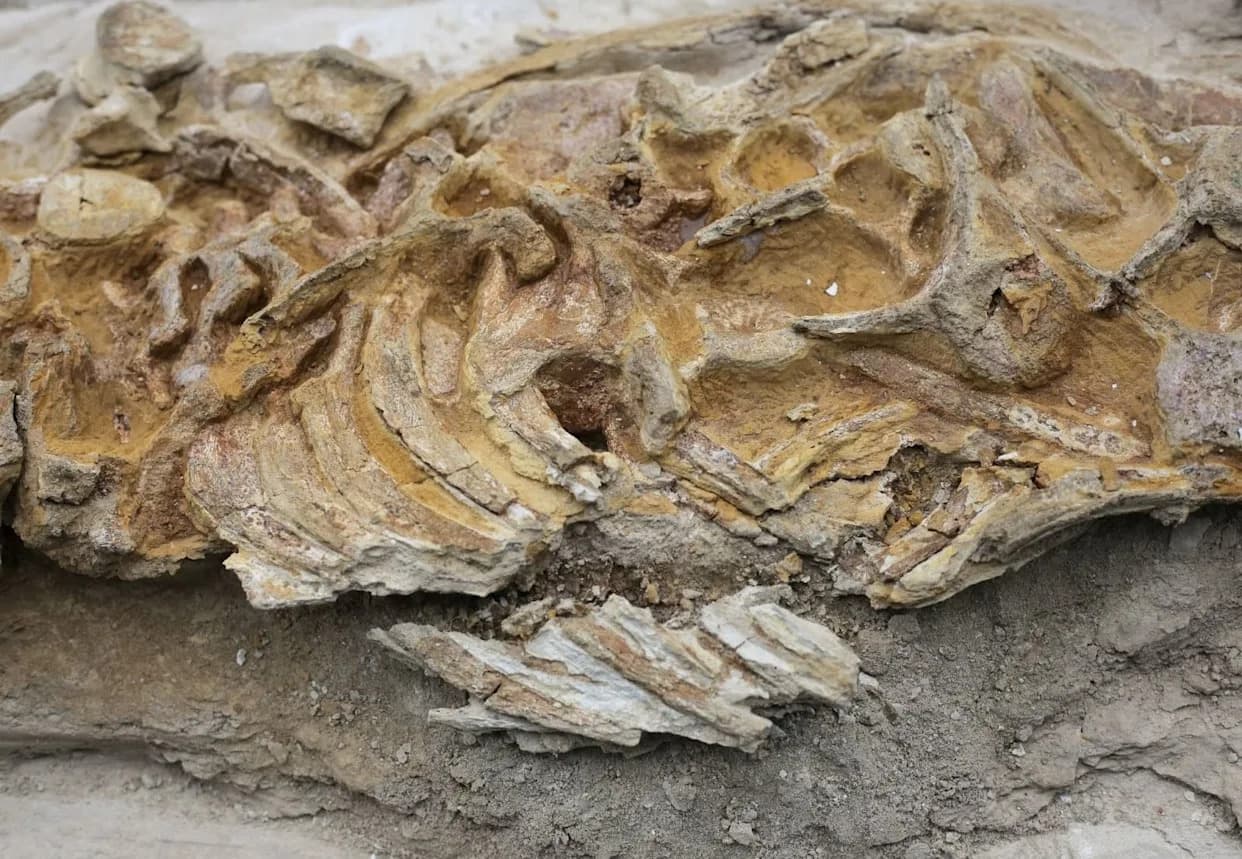
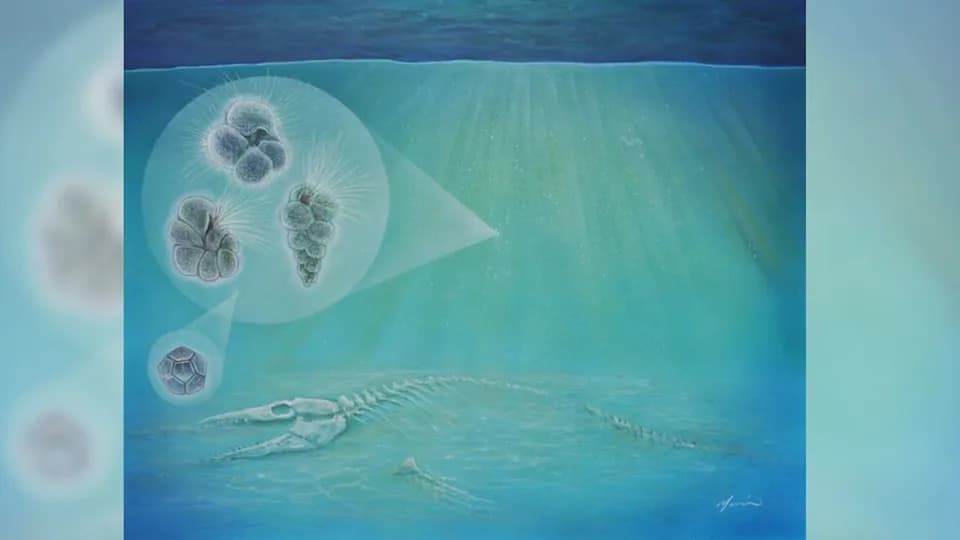
Lidya Tarhan and colleagues used chemical analyses, including lithium isotope measurements, on sandy and muddy sediment samples collected in Newfoundland, Canada. Their work, published in the journal Geology, shows that tiny clay particles were present in the sediment that rapidly buried these organisms. Those clay particles acted as nucleation sites for authigenic (diagenetic) clay growth directly within the seafloor around already-buried bodies.
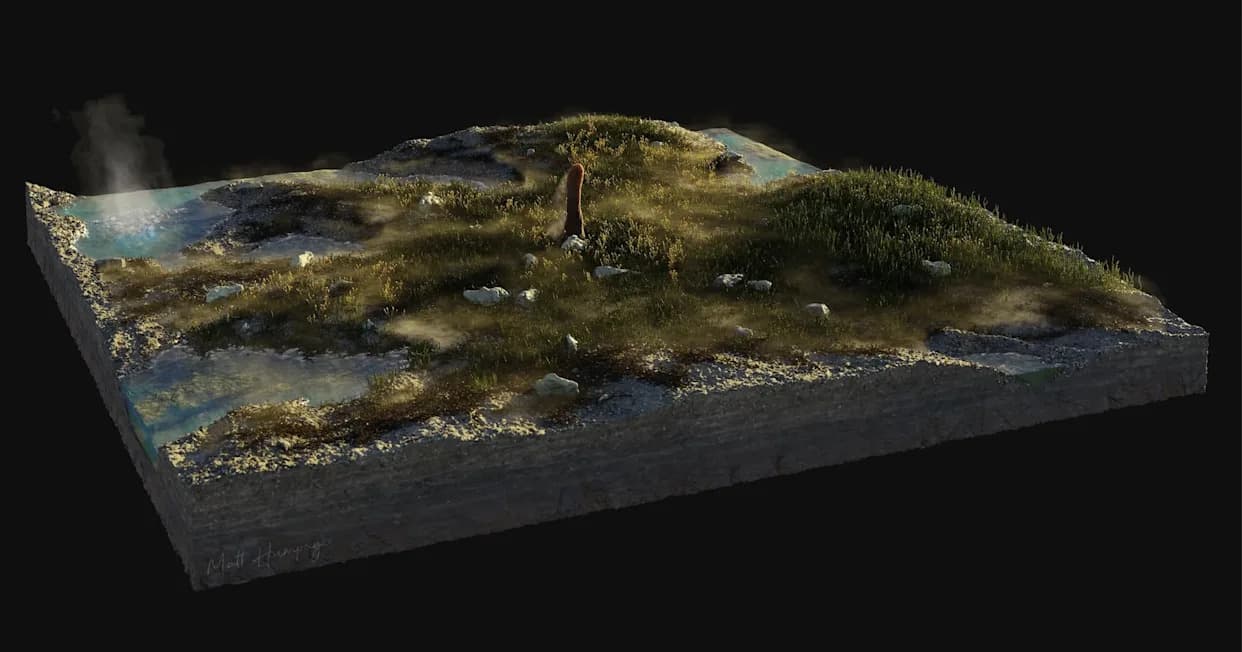
According to the authors, early-formed clays effectively cemented sand grains together, stabilizing the sediment and preserving fine outlines and textural impressions of soft tissues within sandstone. In other words, clay mineralization in the sediment created a natural “cement” that captured details that would normally be erased by waves, storms, or decay.
“The Ediacara Biota look totally bizarre in their appearance,” said Lidya Tarhan, a paleontologist at Yale University. “Some of them have triradial symmetry, some have spiraling arms, some have fractal patterning. It’s really hard when you first look at them to figure out where to place them in the tree of life.”
Why This Matters
Previously, some researchers argued that the organisms themselves had unusual chemical resistance or tougher bodies that enabled preservation. This study shifts the emphasis to external conditions — specifically the chemistry of ancient seawater and the composition of sediments — as the primary drivers of exceptional fossilization during the Neoproterozoic–Paleozoic transition.
The finding has broader implications for paleontology: understanding the mechanics of Ediacaran preservation helps scientists better interpret what these fossils can tell us about life before the Cambrian Explosion and why Ediacaran ecosystems appear and disappear in the rock record.
Citation: Tarhan et al., Geology (study of lithium isotopes and authigenic clay mineralization in Newfoundland sediments).
Help us improve.