Astrophysical jets are narrow, high-speed plasma streams launched by objects ranging from supermassive black holes to young stars. Key ingredients for producing and collimating jets are rotation and magnetic fields: rotating engines wind up magnetic field lines, which transfer energy and exert magnetic tension that focuses the flow toward the rotation axis. While specific launching mechanisms (disk winds, Blandford–Znajek processes, etc.) vary by source, the common physics explains the ubiquitous, laserlike appearance of astrophysical jets.
Why Do Astrophysical Jets Stay Narrow Like Laser Beams?

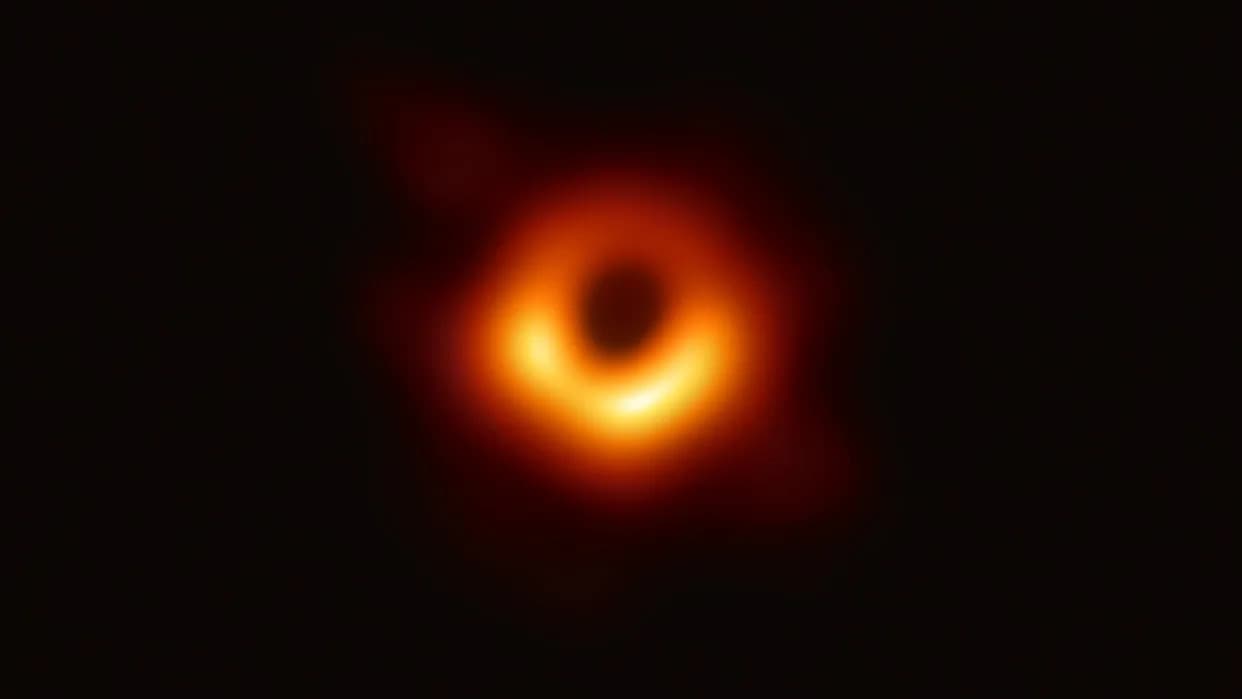
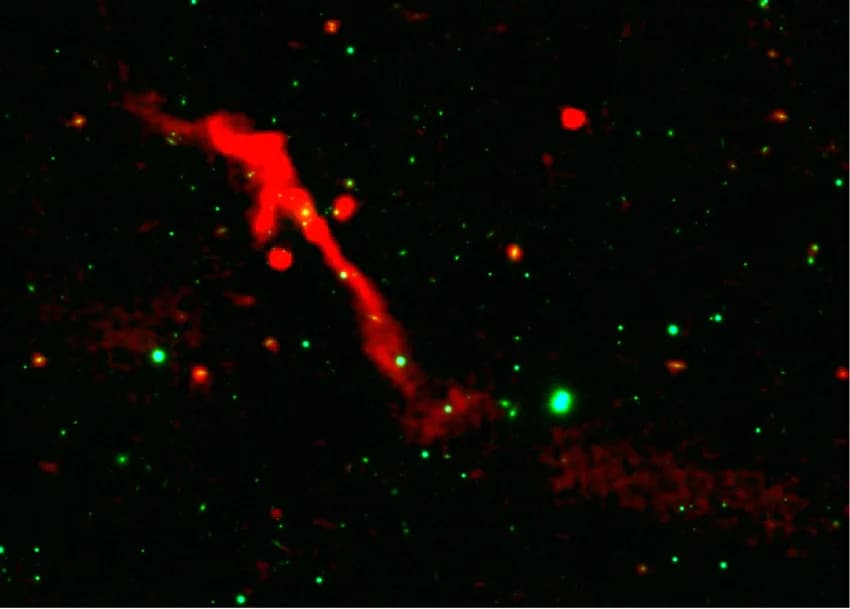
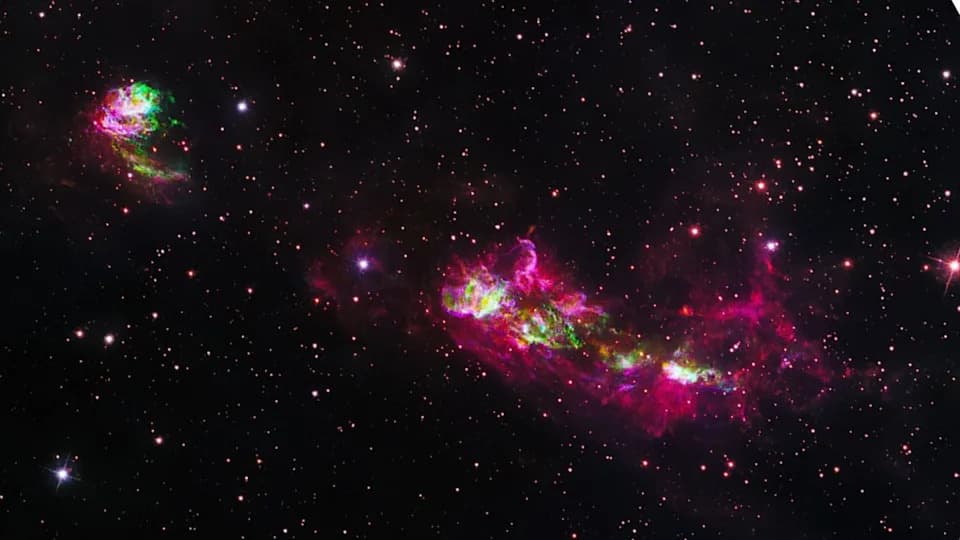
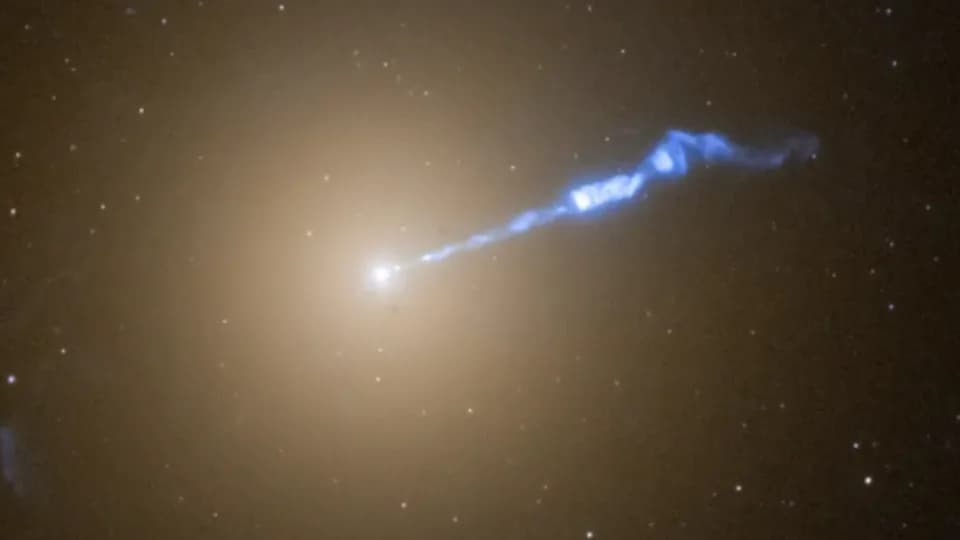
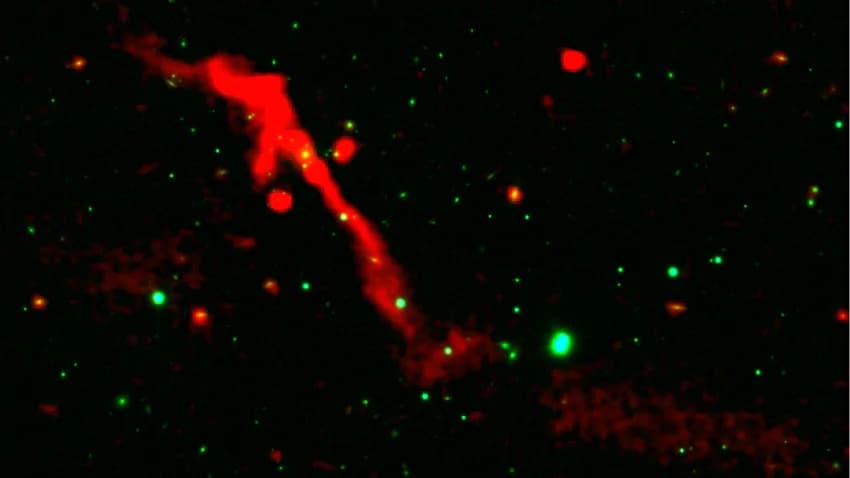
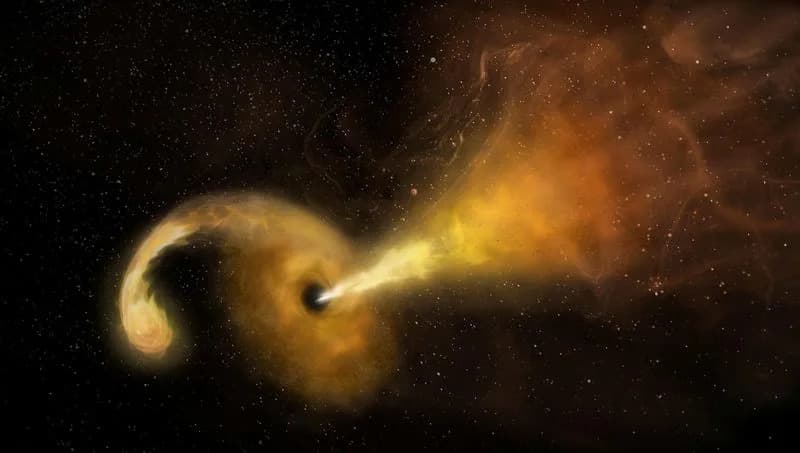
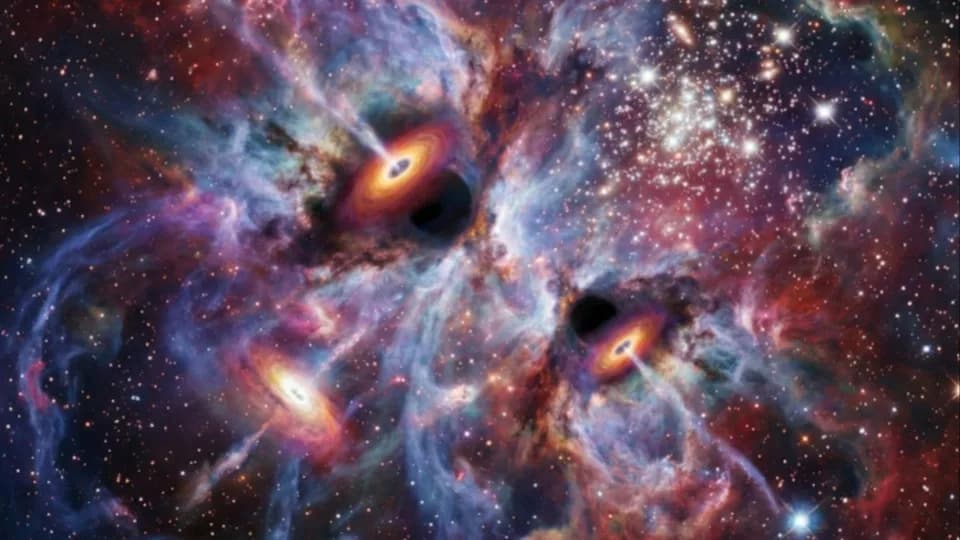
Astrophysical jets are fast, focused streams of plasma launched from compact objects that remarkably remain narrow across enormous distances. They are seen around a wide variety of sources — from the supermassive black hole at the center of M87 to stellar-mass black holes like GRS 1915+105, neutron-star systems such as the Crab Nebula and Circinus X-1, gamma-ray burst engines, and even young stars like Herbig-Haro 30 imaged by JWST.
What Makes Jets So Collimated?
The full physics of jet formation and collimation remains an active area of research, but most models agree on two essential ingredients: rotation and magnetic fields. Rotation provides a reservoir of energy and angular momentum, while magnetic fields mediate the transfer of that energy to plasma and shape the flow.
How Magnetic Fields Collimate Flows
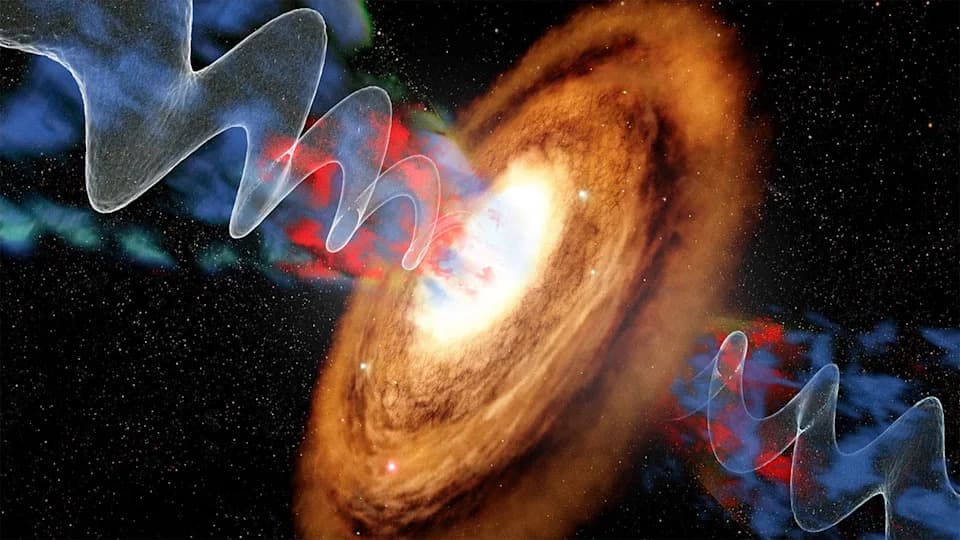
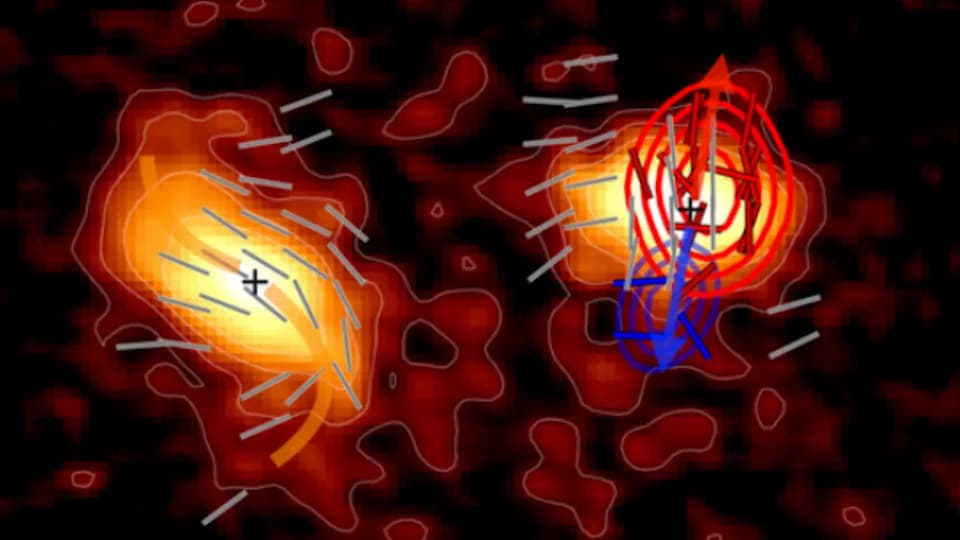
In jet-producing systems the surrounding gas is typically hot and ionized (a plasma), so it conducts electricity and couples strongly to magnetic fields. As the central engine (black hole, neutron star, or young star and its disk) spins, magnetic field lines are wound up and dragged along with the rotating plasma — like ribbons wrapped around a spinning spindle.
Two related magnetic effects help produce narrow jets:
- Magneto-centrifugal Launching: Twisted field lines can fling plasma outward along the field like beads sliding on a spinning wire, launching a directed outflow.
- Magnetic Tension and Hoop Stress: The toroidal (azimuthal) component of the field creates an inward-directed tension (often called hoop stress) that squeezes the outflow toward the rotation axis, narrowing and stabilizing the jet over large distances.
Specific mechanisms invoked by researchers include disk-driven magneto-centrifugal winds and black-hole–driven processes such as the Blandford–Znajek mechanism, but all rely on the same basic interplay of rotation, plasma conductivity, and magnetic forces. External pressure from surrounding gas and shocks can also help confine and shape jets in some environments.
Why Jets Appear Similar Despite Very Different Sources
Although jets arise from objects that differ hugely in mass, size, and luminosity, rotation and magnetic fields are common to all these systems. That universality helps explain why jets across scales look and behave in broadly similar, narrow "laserlike" ways even as the detailed physics and efficiencies vary from source to source.
In short: rotation supplies energy, plasma couples to magnetic fields, and magnetic stresses collimate the flow into narrow, long-lived jets — but many details remain under active study.
Help us improve.