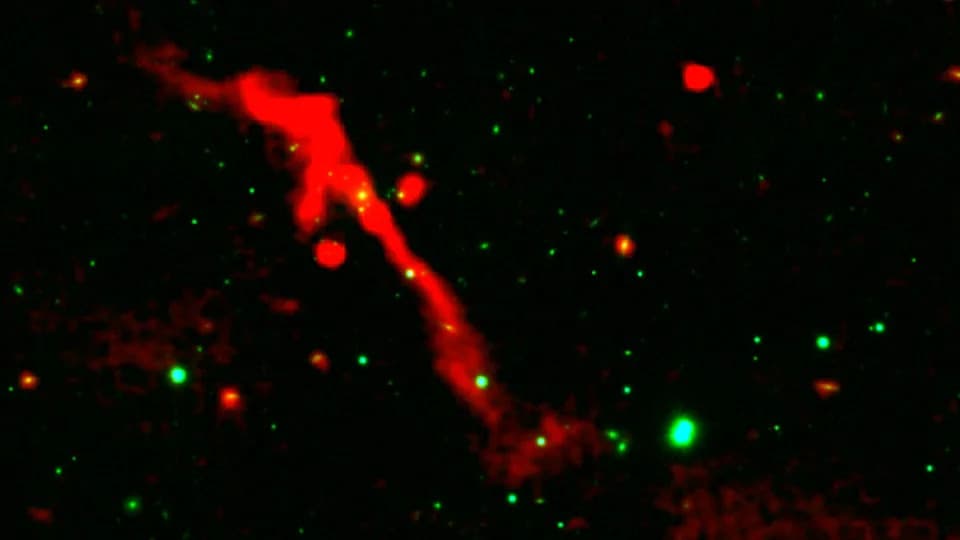
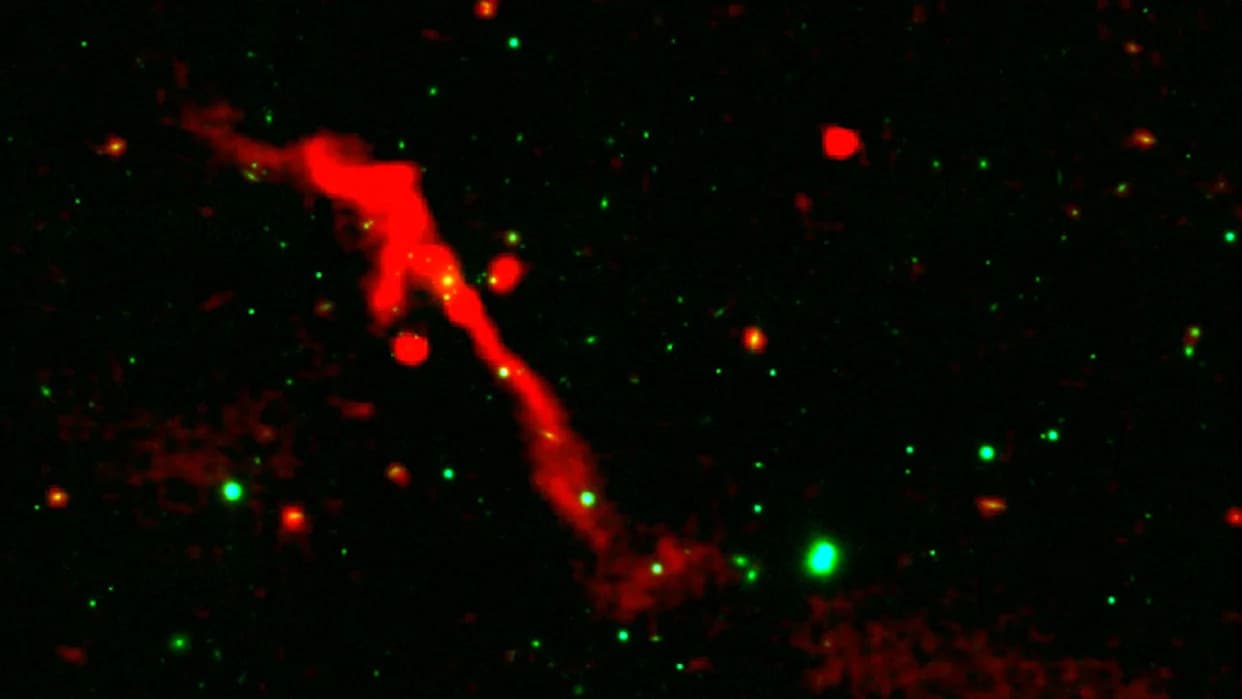
Using enhanced 2021 observations from the Event Horizon Telescope, researchers traced a 3,000-light-year jet from M87 back to a likely launch point near the black hole’s shadow, a study in Astronomy & Astrophysics reports. The result strengthens the link between theoretical jet-launch models and direct observation, showing the jet likely connects to material very close to the black hole. Authors caution that future EHT observations with greater sensitivity and more stations are needed to confirm and refine the findings.
Scientists Trace 3,000-Light-Year Jet Back to Its Likely Launch Point at M87 Using Enhanced EHT Network
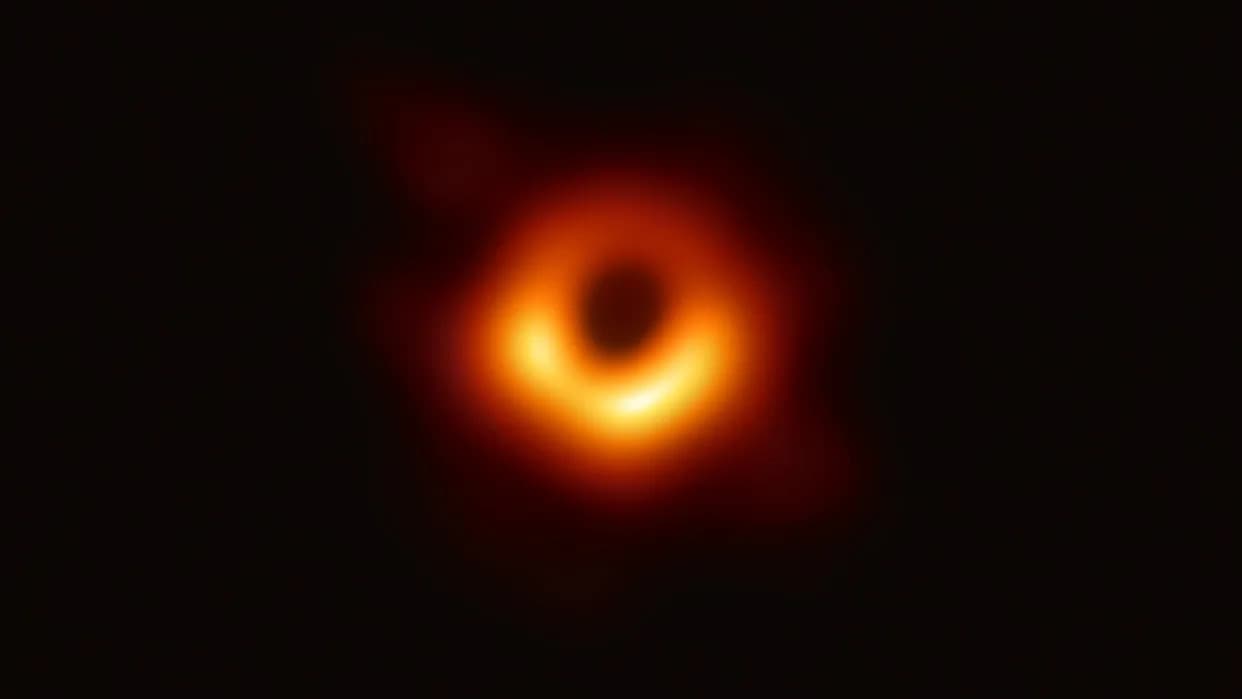
Researchers pinpoint source of black hole's 3,000-light-year-long jet stream using enhanced telescope network
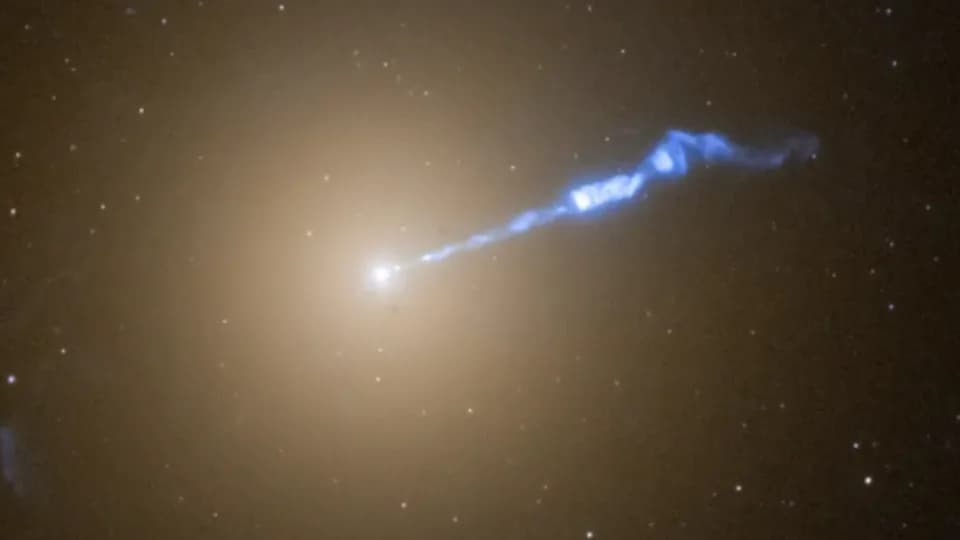
Researchers say they have traced a 3,000-light-year jet streaming from the supermassive black hole at the center of the Messier 87 galaxy (M87) back to a likely launch point, thanks to significantly enhanced coverage from the global Event Horizon Telescope (EHT) network, a new study reports.
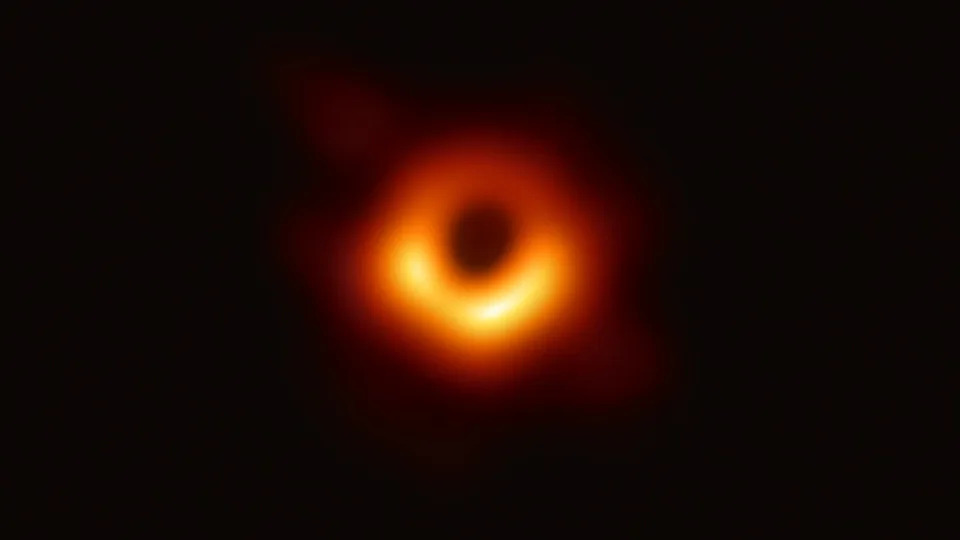
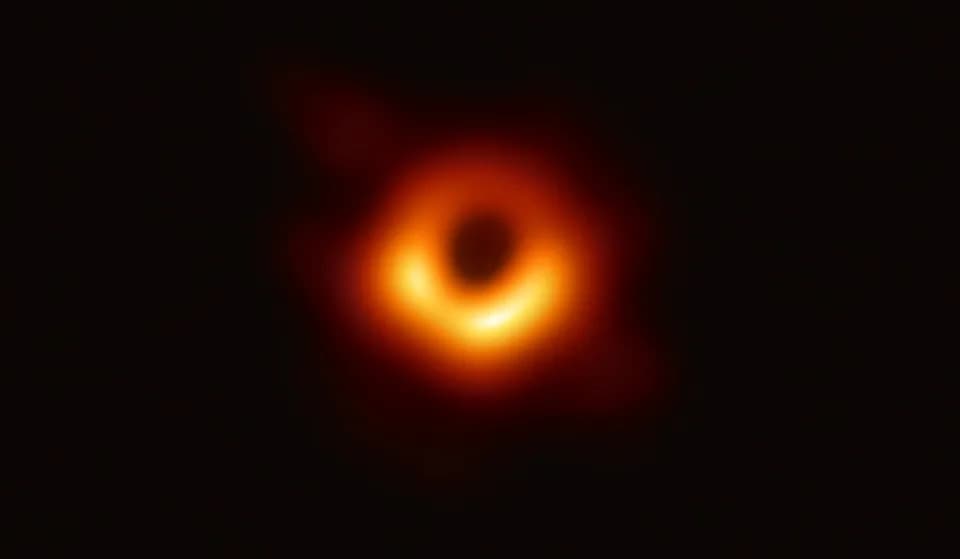
A first image of the M87 black hole taken by the Event Horizon Telescope and revealed in 2019.(Getty Images)
The results, published Wednesday in Astronomy & Astrophysics, bring astronomers one step closer to connecting theoretical models of jet launching with direct observations of the region immediately surrounding a black hole.
What the team studied
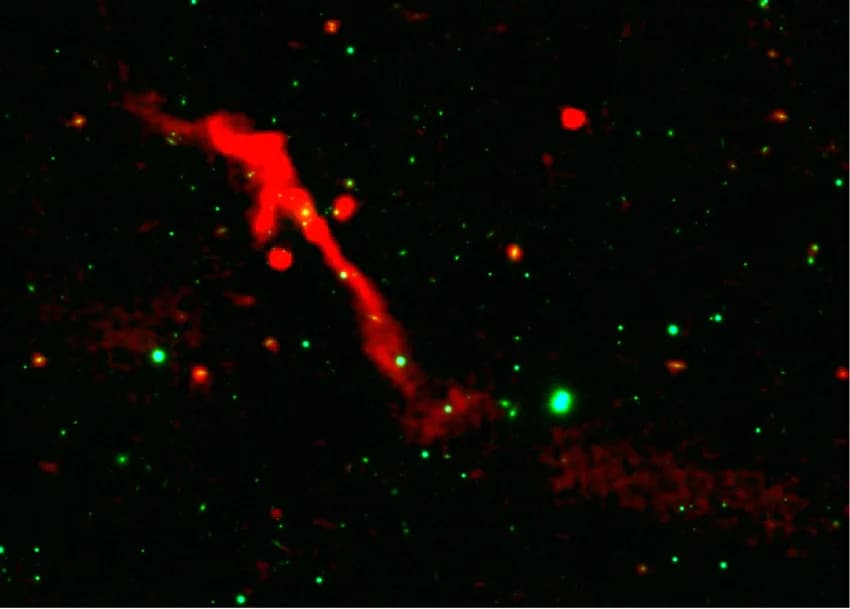
The team analyzed enhanced EHT observations from 2021. The expanded array and improved baseline coverage allowed researchers to link the large-scale radio jet—visible for roughly 3,000 light years—to structures very close to the black hole’s shadow, suggesting a direct connection between the black hole’s immediate environment and the powerful, relativistic outflow.
About M87
M87 is home to one of the most massive black holes known: roughly 6.5 billion times the mass of the Sun and about 55 million light years from Earth. The first image of this black hole’s shadow, produced from 2017 EHT data and released in 2019, provided an unprecedented view of its immediate surroundings.
“Not only is the black hole supermassive, it’s also active,” said Dr. Padi Boyd of NASA in a video discussing the findings. She highlighted that only a few percent of black holes are active at a given time and that strong magnetic fields are thought to launch jets.
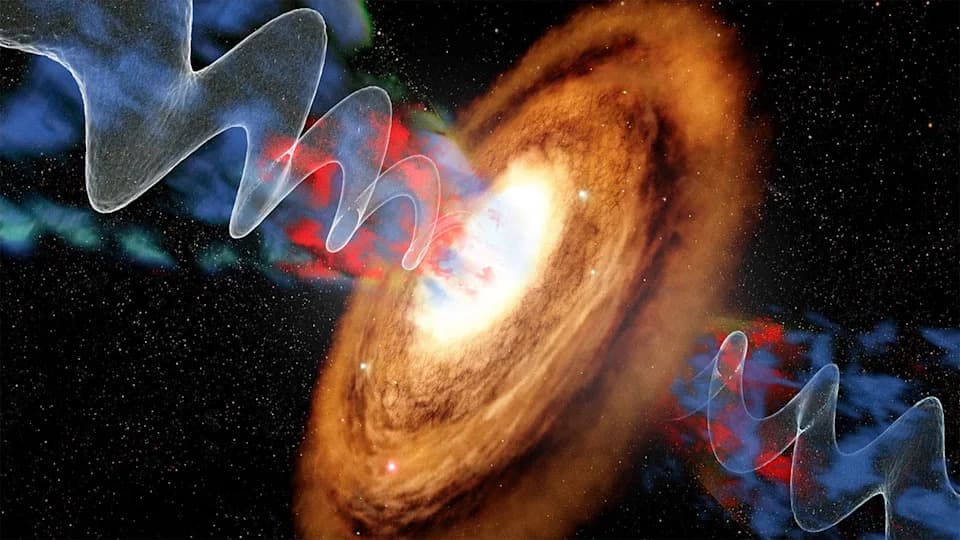
According to the study and reporting by Scientific American and Space.com, M87 both accretes surrounding gas and dust and ejects powerful streams of charged particles from its poles. These particle streams form the observed jet that extends thousands of light years into intergalactic space.
“This study represents an early step toward connecting theoretical ideas about jet launching with direct observations,” said Saurabh, team leader at the Max Planck Institute for Radio Astronomy. “Identifying where the jet may originate and how it connects to the black hole’s shadow adds a key piece to the puzzle.”
How the Event Horizon Telescope works
The EHT is a global array of radio observatories whose combined signals create an effective Earth-sized telescope. By synchronizing radio dishes across continents, the EHT can resolve structures at scales comparable to a black hole’s event horizon—the boundary beyond which light cannot escape.
Caveats and next steps
While the study’s result is robust under the authors’ tests, the team emphasizes that definitive confirmation requires future EHT observations with higher sensitivity, improved intermediate-baseline coverage through additional stations, and a broader frequency range. Such upgrades will sharpen images and tighten constraints on where and how jets are launched.
Why it matters
Linking the jet’s origin to the black hole’s shadow is an important milepost for understanding how supermassive black holes power the enormous, near-light-speed jets seen in many galaxies. Better observational constraints will help discriminate between competing theoretical models of jet formation and the role of magnetic fields and accretion flows in launching them.
Help us improve.