Study Suggests Link Between Tropical Volcanic Eruption and Black Death: Researchers combined historical sources with tree-ring and polar ice-core data to argue that a 1345 tropical eruption caused cooling and crop failures. Food shortages prompted Italian city-states to import grain from Black Sea regions, which the study says likely introduced Yersinia pestis. Between 1346 and 1353 the Black Death killed tens of millions, with estimated mortality among the infected of roughly 60%–90%.
How a 1345 Tropical Volcanic Eruption May Have Helped Spark the Black Death

New Study Links Distant Volcanic Event to the Black Death
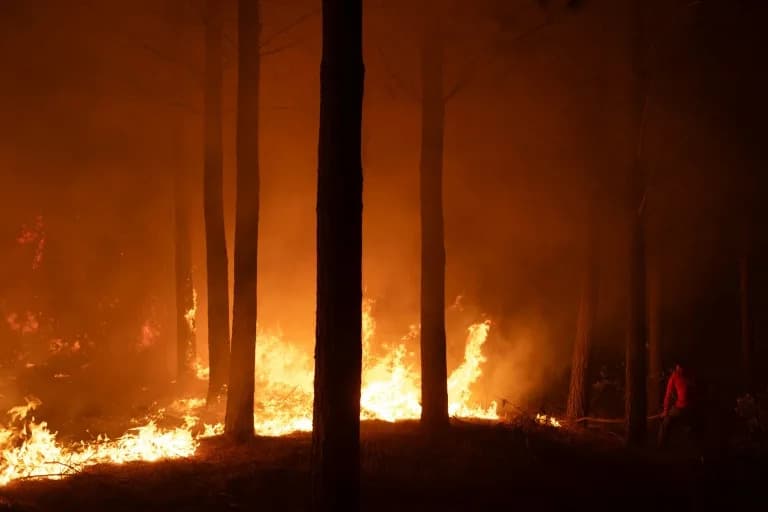
A recent interdisciplinary study suggests that one or more tropical volcanic eruptions in 1345 produced a climate shock that helped set the stage for the Black Death in Europe. Combining historical records with physical evidence from tree rings and polar ice cores, the researchers reconstruct a sequence of cooling and crop failures that made societies more vulnerable in the mid-14th century.
Climate Shock and Food Shortages. The study argues that the volcanic event(s) reduced temperatures and damaged harvests across large parts of Europe. Contemporary populations would not have known the cause, but the resulting poor harvests increased dependence on imported grain to avoid famine.
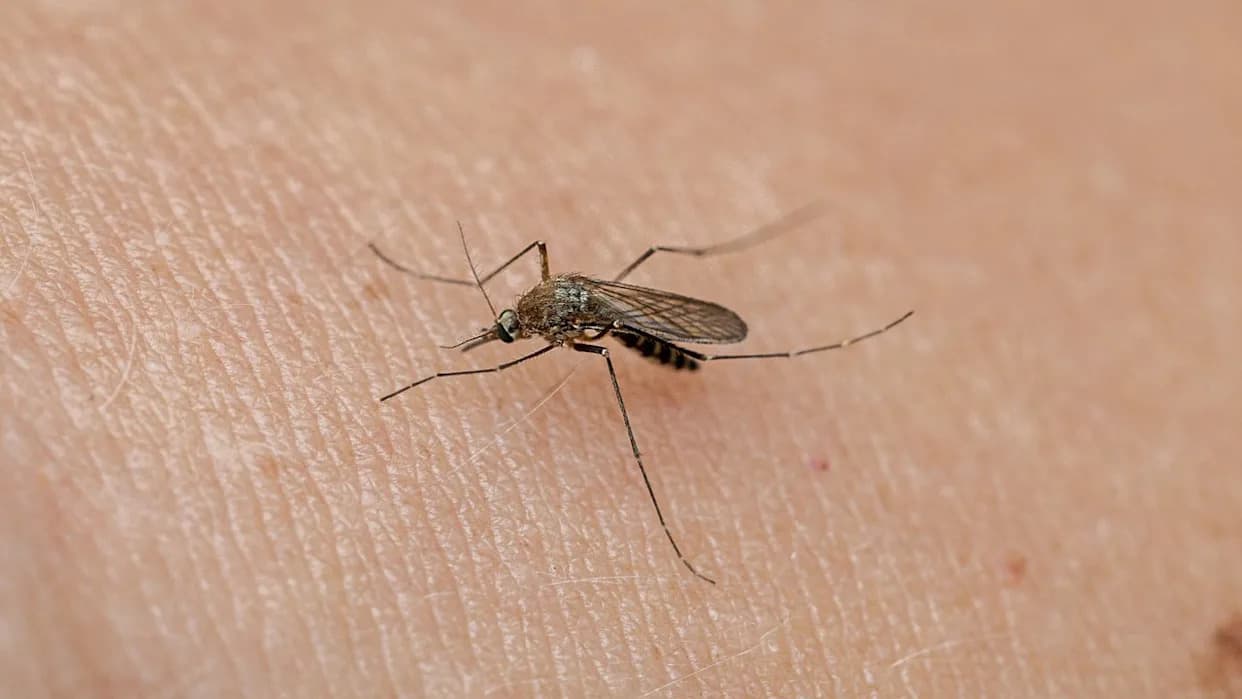
Trade and Disease Introduction. To avert starvation, Italian city-states expanded grain imports from areas around the Black Sea. The paper proposes that these shipments probably carried the bacterium Yersinia pestis—transmitted by infected fleas and rats—into weakened and malnourished communities, facilitating rapid spread.
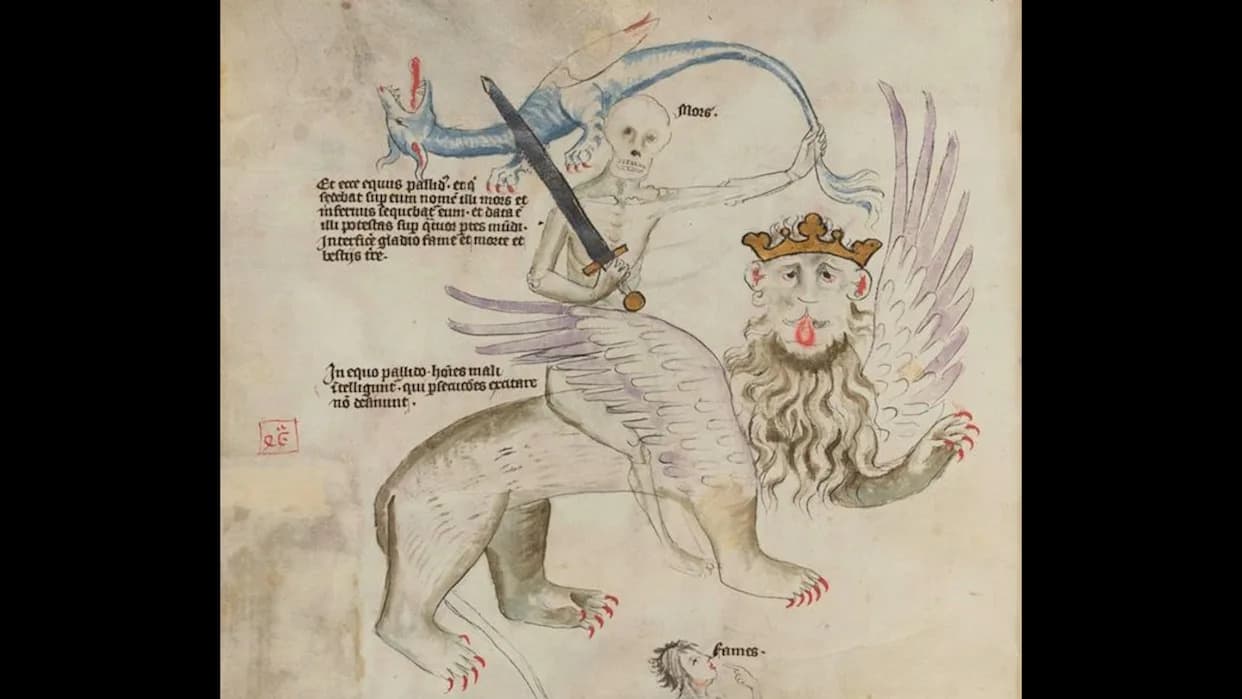
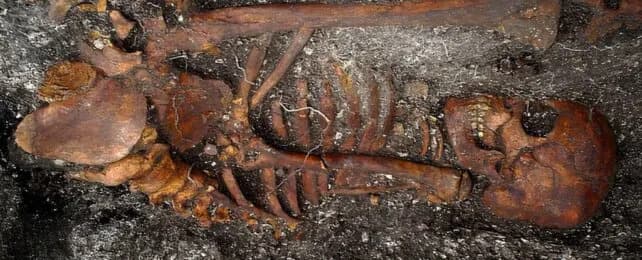
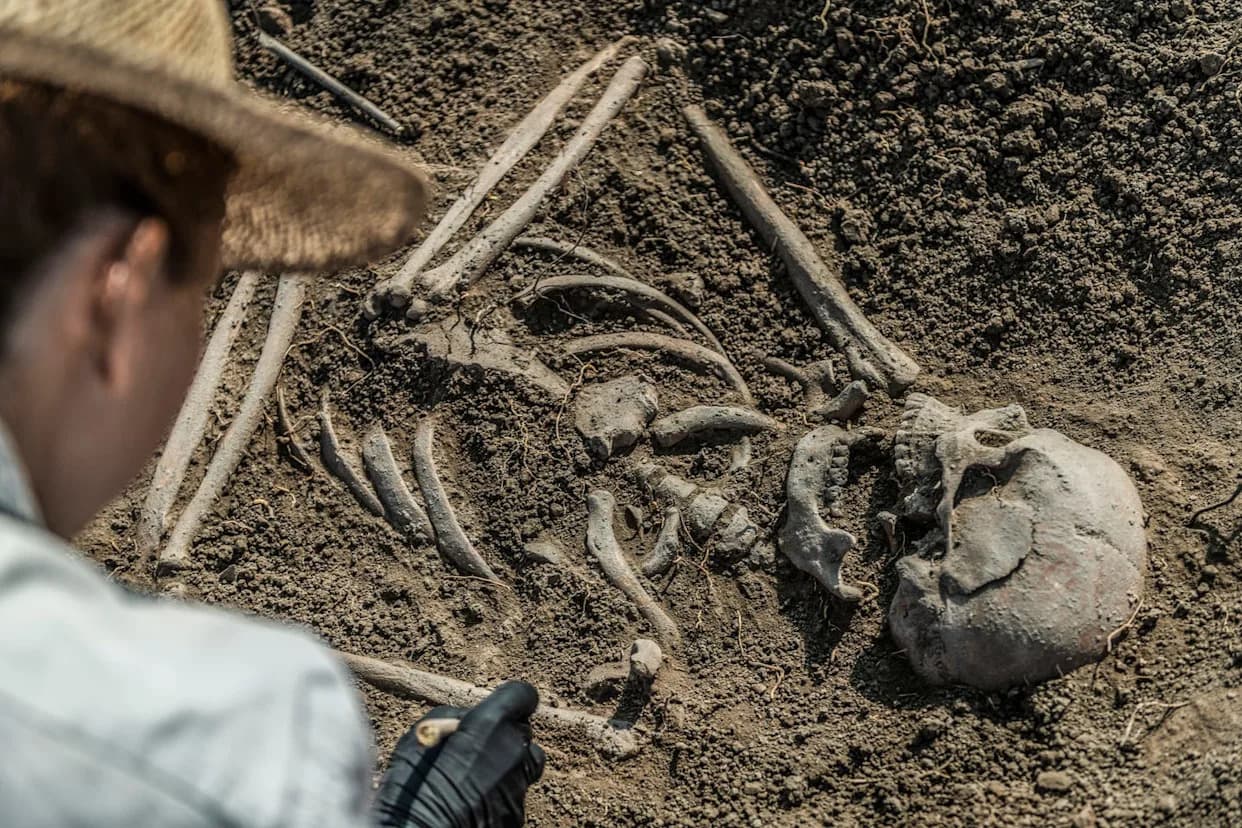
The Pandemic and Its Impact. Between 1346 and 1353 the Black Death swept through Europe, killing tens of millions. In the pre-antibiotic era, bubonic plague infections had very high fatality rates; the study cites estimates of roughly 60%–90% mortality among those infected.
Modern Context. Human plague infections are now rare; for perspective, the United States records only about seven cases per year today, and modern public health systems and antibiotics make outcomes very different from the 14th century.
Note: The study proposes a plausible chain of events linking a tropical volcanic eruption to social and ecological conditions that amplified the pandemic risk. While the evidence is interdisciplinary and suggestive, causation in historical pandemics is complex and debated.
Help us improve.